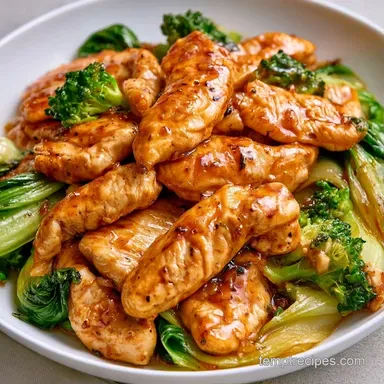
Healthy One Pan Chicken Bok Choy
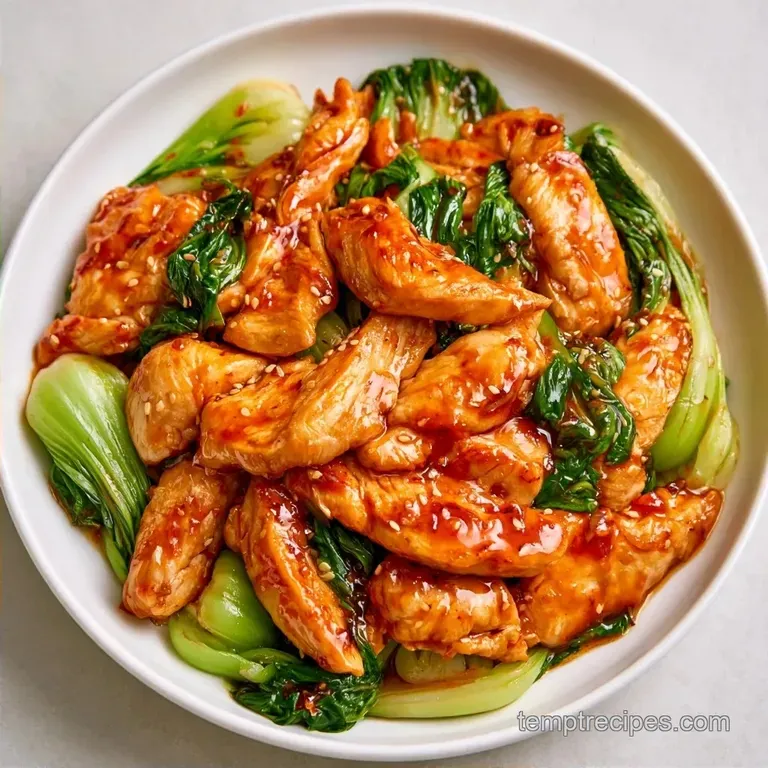
- Time: 10 minutes prep + 15 minutes on the stove
- The Highlight: A savory-sweet glaze with crisp, snapping stems
- Perfect for: Stress-free weeknight meals
The scent of searing garlic and toasted sesame oil always carries me back to a cramped, steam filled kitchen in Chinatown. I remember the chef's rhythmic speed as he tossed greens into a weathered wok that had seen a thousand meals. He didn't need fancy tools just intense heat and precise timing.
For years, my attempts to replicate that vibe at home resulted in grey, boiled chicken and limp leaves. It took several failed Tuesdays to realize I was overcrowding the pan and killing the temperature.
This Chicken Bok Choy is my solved version of that challenge. It's a hearty, comfort driven dish that feels like takeout but doesn't leave you feeling weighed down. You'll get that rich mahogany glaze and those charred edges right in your own kitchen.
Why the Heat Matters
Why does this method work? It isn't magic, simply a matter of timing.
The Searing Stage: Searing the meat at high heat creates a brown crust that seals in flavor. This leaves the chicken tender inside while giving the outside a savory boost.
Staged Entry: We avoid adding everything simultaneously. Introducing the bok choy at the very end ensures the stems stay crunchy and the leaves don't overcook.
Recipe Quick Specs
If you're planning your night, here's the breakdown. This recipe makes 2 servings.
| Method | Heat Level | Result |
|---|---|---|
| Stovetop | Medium High | Charred edges, fast cook |
| Oven | Medium | Evenly cooked, softer texture |
Trust me, the stovetop is the way to go here. You want that sizzle.
Essential Ingredient List
A successful Chicken Bok Choy relies on a balanced flavor profile. The saltiness of the soy sauce, the sweetness of the honey, and the zing of ginger create a great combination.
Lean chicken breast serves as the protein base, paired with baby bok choy for a fresh, peppery crunch. Cornstarch is the secret to the glaze; it thickens the sauce so it adheres to the ingredients rather than settling in a puddle.
For another fast preparation using these greens, try my Soy Sauce Bok Choy.
The Right Tools
You don't need any specialized gear, though a couple of tools make a difference.
I recommend a wok or a 12 inch cast iron skillet. Cast iron's superior heat retention allows the chicken to brown in 3 minutes instead of steaming in its own juices. While a non stick pan works, it won't provide as much of that smoky, charred flavor.
The only other essentials are a sharp knife and a small whisk. Ensure your chicken strips are cut to a uniform thickness, otherwise the thinner pieces will dry out before the thicker ones are ready.
Gathering Your Essentials
Gather your ingredients below. I have used metric measurements to ensure the most accurate results.
- 450g (1 lb) chicken breast, thinly sliced into strips Why this? Lean meat that sears quickly at high temperatures
- 15ml (1 tbsp) avocado oil Why this? The high smoke point prevents the oil from burning
- 1/2 tsp salt
- 1/4 tsp black pepper
- 450g (1 lb) baby bok choy, ends trimmed and halved lengthwise Why this? Slicing them into half moons allows for a better sear
- 3 cloves garlic, minced
- 15ml (1 tbsp) fresh ginger, grated Why this? Fresh ginger provides a bright, zesty heat
- 2 scallions, cut into 1 inch pieces
- 45ml (3 tbsp) soy sauce Why this? Creates the essential savory, umami base
- 15ml (1 tbsp) honey Why this? Balances the saltiness and helps the glaze thicken
- 5ml (1 tsp) toasted sesame oil Why this? Imparts a rich, nutty aroma
- 5ml (1 tsp) cornstarch Why this? Turns the sauce into a thick, glossy glaze
- 15ml (1 tbsp) water
Pantry Substitutions:
- Avocado oil: Canola or grapeseed oil are great alternatives.
- Honey: Maple syrup works well, offering a slightly earthier flavor.
- Soy sauce: Use coconut aminos or Tamari for a gluten-free option.
- Chicken breast: Chicken thighs stay juicier and are more forgiving.
The Cooking Process
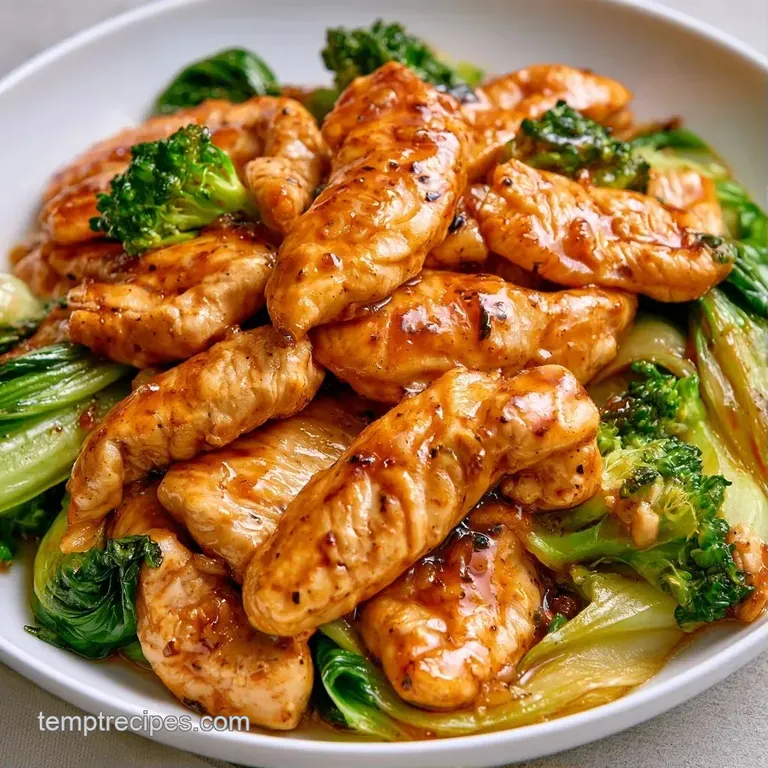
Time to get started. Ensure all your prep is done before turning on the burner, as things happen quickly once the oil is hot.
Phase 1: The Prep
- In a small bowl, whisk the soy sauce, honey, sesame oil, cornstarch, and water. Whisk until the cornstarch is fully dissolved, otherwise you'll have lumps in your sauce.
- Season the sliced chicken with salt and pepper, ensuring every strip is coated.
Phase 2: The Searing Sequence
- Bring avocado oil to a shimmer in the pan on medium high. Wait until the oil shimmers but doesn't smoke.
- Arrange the chicken in a single layer. Let it sit for 3 minutes until golden brown.
- Flip the strips and cook for another 2-3 minutes. Transfer the chicken to a plate.
- Add the minced garlic, grated ginger, and scallions to the same pan. Sauté for 30-60 seconds until you can smell the aromatics and they look pale gold.
Phase 3: Finishing and Glazing
- Increase the heat to high. Place the bok choy cut side down and sear for 2 minutes until the edges are charred.
- Toss the greens once and cook for 1-2 minutes more until the stems are translucent but still have a snap.
- Put the chicken back in the pan and pour the glaze over everything.
- Stir constantly for 1-2 minutes until the sauce bubbles and thickens into a glossy coating.
Chef's Note: If the sauce thickens too fast, add a teaspoon of water to loosen it up.
Solving Texture Issues
Even simple dishes can encounter pitfalls, and most often, it's a matter of temperature.
Limp greens usually mean the pan was too full. Overcrowding drops the heat, causing the vegetables to steam in their own juices rather than sear. To avoid this, sear the chicken in smaller increments if you're using a compact skillet.
Chicken can also become rubbery if you stir it too frequently. Leave it alone! That golden brown crust is the secret to a deep flavor.
Soggy Bok Choy
This occurs when the pan lacks sufficient heat. Make sure the oil is shimmering before adding the greens.
Rubbery Chicken
Toughness is often the result of overcooking or excessive stirring. Resist the urge to move the meat for the first 3 minutes.
Thin Sauce
A sauce that won't thicken usually means the cornstarch wasn't blended properly or didn't reach a boil. It must bubble to thicken correctly.
| Problem | Root Cause | Solution |
|---|---|---|
| Mushy greens | Pan too crowded | Cook in smaller portions |
| Bland taste | Lack of sear | Boost heat before adding meat |
| Saucey pool | Cornstarch not boiled | Simmer for an additional 60 seconds |
Swaps and Twists
This Chicken Bok Choy is a great base for other flavors. If you want a bit more kick, add a teaspoon of red chili flakes or sriracha to the glaze.
For a completely different vibe, you can skip the honey and use my Bok Choy Peanut Sauce instead. The nuttiness pairs well with the chicken.
Quick Decision Guide:
- Extra heat? → Add 1 tsp red pepper flakes
- More zing? → Fold in 1 tsp lime zest at the end
- Lower carb? → Swap honey for a pinch of stevia or monk fruit
If you're avoiding meat, firm tofu cubes work great here. Just press the tofu first to get the water out, or it won't sear.
Keeping Leftovers Fresh
Store your Chicken Bok Choy in an airtight glass container. It stays good in the fridge for about 3 days.
When you reheat it, avoid the microwave if you can. The microwave turns the bok choy stems into mush. Instead, toss it back into a hot skillet for 2-3 minutes with a tiny splash of water to loosen the glaze.
For zero waste, don't throw away the white parts of the scallions or the ends of the ginger. I keep my scallion roots in a jar of water on the windowsill, and they grow back. You can also throw the ginger peels into a freezer bag to use later for making a vegetable stock.
Best Side Pairings
Since the sauce is so rich, you want something that can soak it up without competing for attention.
Fragrant Grains Steamed jasmine rice is the classic choice. The floral scent matches the ginger perfectly. If you want something heartier, brown rice or quinoa works well.
Low Carb Bases If you're skipping grains, try cauliflower rice or just double up on the greens. A side of sliced cucumbers tossed in rice vinegar adds a cool, acidic contrast to the warm, savory chicken.
This OnePan Chicken Bok Choy is an easy win for any night of the week. It's fast, satisfying, and uses minimal tools, which means less time scrubbing pots and more time eating. Just remember to keep that pan hot, and you're set.
Critical Sodium Level
1380 mg 1,380 mg of sodium per serving (60% 60% of daily value)
The American Heart Association recommends a daily sodium limit of 2,300 mg, with an ideal limit of 1,500 mg for most adults to reduce cardiovascular risk.
Tips to Reduce Sodium
-
Swap Soy Sauce-30%
Replace regular soy sauce with low-sodium soy sauce or coconut aminos to drastically lower the salt content.
-
Omit Added Salt-25%
Completely remove the 1/2 tsp of added salt; the soy sauce provides enough salinity to season the chicken strips.
-
Use Acid for Depth-20%
Substitute one tablespoon of soy sauce with rice vinegar or fresh lime juice to maintain a bold taste with less salt.
-
Enhance Aromatics
Double the amount of fresh ginger and garlic to create a more powerful flavor profile without needing extra sodium.
Recipe FAQs
How do you cook bok choy Chinese style?
Sauté minced garlic, grated ginger, and sliced scallions before adding the halved baby bok choy to the pan.
Tip: Use medium high heat to ensure the stems stay crisp while the leaves wilt.
Is it true that raw chicken and vegetables cannot be cooked in the same pan?
Not true. Searing the chicken first and removing it before adding the vegetables ensures food safety and optimal texture.
Tip: Let the pan cool slightly or add a splash of oil before adding the garlic to prevent burning.
Can this dish be paired with fish instead of chicken?
Yes, firm white fish fillets pair perfectly with the soy-honey glaze.
Tip: If you enjoyed building an aromatic base here, see how the same principle works in our garlic pasta sauce.
Why does baby bok choy often turn mushy?
Overcrowding the pan drops the heat, causing the greens to steam rather than sear.
Tip: Add the bok choy in a single layer and avoid stirring too frequently.
One Pan Chicken Bok Choy