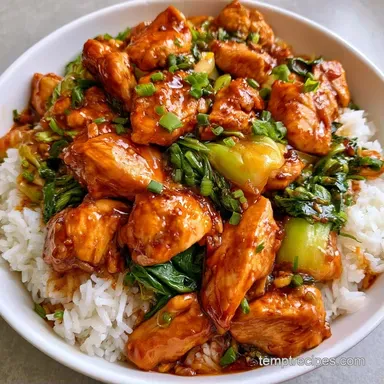
Choy Rice Bowl with Chicken
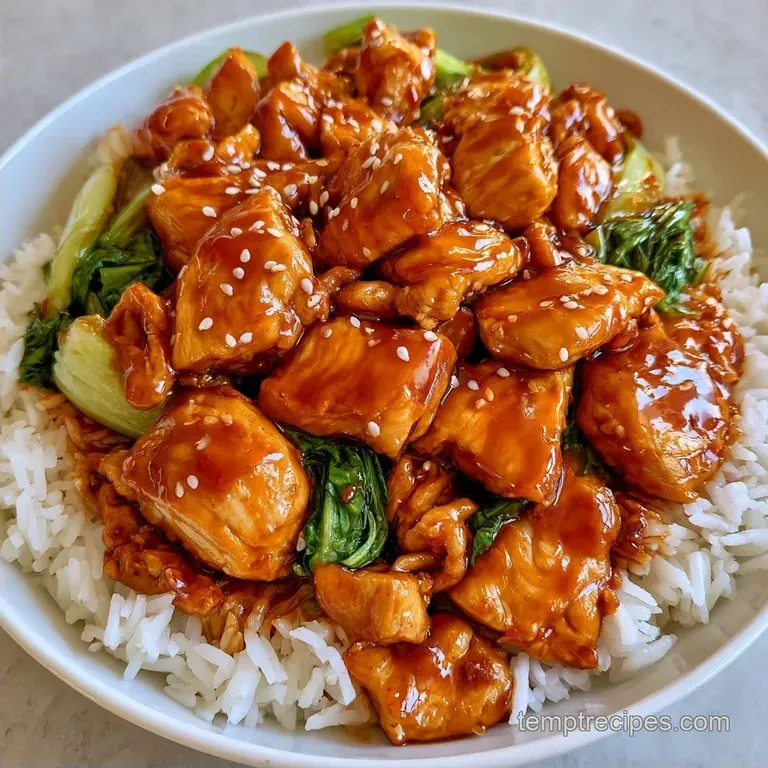
- Prep & Cook: 10 min prep + 20 min cook
- Taste & Texture: A savory, glossy glaze paired with snap-crisp greens
- Best for: Low-stress weekday meals
The aroma of searing ginger and toasted sesame oil always evokes memories of Hong Kong's bustling street markets. For generations, bok choy has remained a staple of Cantonese home cooking, prized for its harmony of crunch and tenderness.
In those traditional kitchens, the secret is to preserve the vegetable's integrity rather than overcooking it.
I didn't always get it right; my greens often ended up grey and mushy. I initially blamed my stove, but the real culprit was my timing. My results improved drastically once I started giving the vegetables as much care and respect as the protein.
The Choy Rice Bowl is now my favorite option for a meal that feels both nourishing and light. It's a simple way to serve a wholesome, balanced dinner in roughly half an hour.
The Choy Rice Bowl Guide
Many home stir fries fall short when the meat becomes rubbery and the vegetables lose their crunch. To prevent this, we use a method called velveting. Serious Eats' research indicates that coating the meat in soy sauce and cornstarch creates a protective shield, keeping the chicken succulent and helping the sauce adhere to every piece.
For a different take on preparing these greens, try my soy sauce bok choy method. The secret is the heat. By searing the bok choy cut side down without moving it, you achieve those charred, caramelized edges typical of a professional wok.
The Velvet Effect: Cornstarch protects the protein from intense heat to keep it juicy. High Heat Searing: Charring the bok choy keeps it from steaming and turning limp.
| Method | Time | Texture | Best For |
|---|---|---|---|
| Fast Sear | 20 min | Crisp & Glossy | Weeknights |
| Classic Braise | 45 min | Soft & Tender | Sunday Lunch |
| Steamed | 15 min | Clean & Mild | Low Oil Diet |
The Essential Ingredients
The harmony of salty and sweet flavors is what makes this Choy Rice Bowl a success. I prefer using low sodium soy sauce to keep the salt levels in check so the ginger flavor isn't lost.
Why These Ingredients Work
| Ingredient | Role | If You Don't Have It |
|---|---|---|
| Cornstarch | Thickens the glaze & velvets the meat | Arrowroot powder |
| Oyster Sauce | Delivers a deep, savory umami | Hoisin sauce (sweeter) |
| Jasmine Rice | A fragrant, fluffy base | Basmati or Long Grain |
| Baby Bok Choy | Provides a fresh, crunchy contrast | Napa cabbage |
Full Shopping List
- 1 lb chicken breast, thinly sliced into bite sized strips Why this? Lean meat that cooks quickly at high heat
- 1 tbsp soy sauce (for marinade)
- 1 tbsp cornstarch (for marinade)
- 1 tsp toasted sesame oil Why this? Offers a nutty, toasted aroma
- 1/4 cup low sodium soy sauce (for glaze)
- 2 tbsp oyster sauce
- 1 tbsp honey
- 1 tsp rice vinegar Why this? Brightens the dish with a hit of acidity
- 1 tsp cornstarch (for slurry)
- 1 tbsp water
- 1 cup jasmine rice, uncooked
- 2 cups water (for rice)
- 1 lb baby bok choy, halved lengthwise
- 3 garlic cloves, minced
- 1 tbsp fresh ginger, grated
- 2 tbsp neutral oil (canola or vegetable)
- sliced green onions
- toasted sesame seeds
You can use brown sugar instead of honey if you want a richer, molasses like sweetness. When choosing a neutral oil, avoid extra virgin olive oil as it has a smoke point too low for the temperatures required here.
Quick Recipe Specs
This recipe is designed for efficiency. The rice cooks while you prep and marinate the chicken, so no time is wasted.
- Prep Time:10 minutes
- Cook Time:20 minutes
- Total Time:30 minutes
- Yield: 4 servings
Necessary Kitchen Tools
Professional equipment isn't required, but having these tools on hand makes preparing the Choy Rice Bowl much simpler. Opt for a wide pan to ensure the ingredients aren't crowded.
- Wok or Large Skillet: While a carbon steel wok is ideal, a heavy cast iron or stainless steel pan is just as effective.
- Rice Cooker or Heavy Pot: To ensure your jasmine rice turns out fluffy and consistent.
- Small Glass Jar: The most convenient way to whisk the glaze ingredients together.
- Sharp Chef's Knife: Crucial for slicing the chicken into uniform strips so they cook evenly.
Step-by-step Cooking Guide
Alright, let's get started. The key is to have all your ingredients measured and prepped before you start heating the pan.
Phase 1: The Foundation
- Wash the jasmine rice until the water is clear. Mix it with 2 cups of water in a pot or rice cooker. Bring to a boil, then simmer covered for 15 minutes. Allow it to rest off the heat for 5 minutes.
- Combine sliced chicken with 1 tbsp soy sauce, 1 tbsp cornstarch, and sesame oil in a bowl. Let the meat marinate for 10 minutes.
- Stir the low sodium soy sauce, oyster sauce, honey, and rice vinegar together in a small jar. In a different bowl, combine 1 tsp cornstarch with 1 tbsp water to create a slurry.
Phase 2: The High Heat Sear
- Warm 1 tbsp oil in a wok on high heat. Place chicken in a single layer. Cook without stirring for 2 minutes until a mahogany crust forms, then flip and cook for another 2 minutes until opaque. Set the chicken aside.
- Add another 1 tbsp oil to the pan. Place the bok choy cut side down and sear for 2-3 minutes until the edges are charred and golden.
- Move the bok choy to the side of the pan. Add the grated ginger and minced garlic to the center, sautéing for 30 seconds until the aroma fills the room.
Phase 3: The Glossy Finish
- Put the chicken back into the pan and pour in the prepared glaze.
- Stir in the cornstarch slurry. Toss everything over high heat for 1-2 minutes until the sauce is thick and glossy.
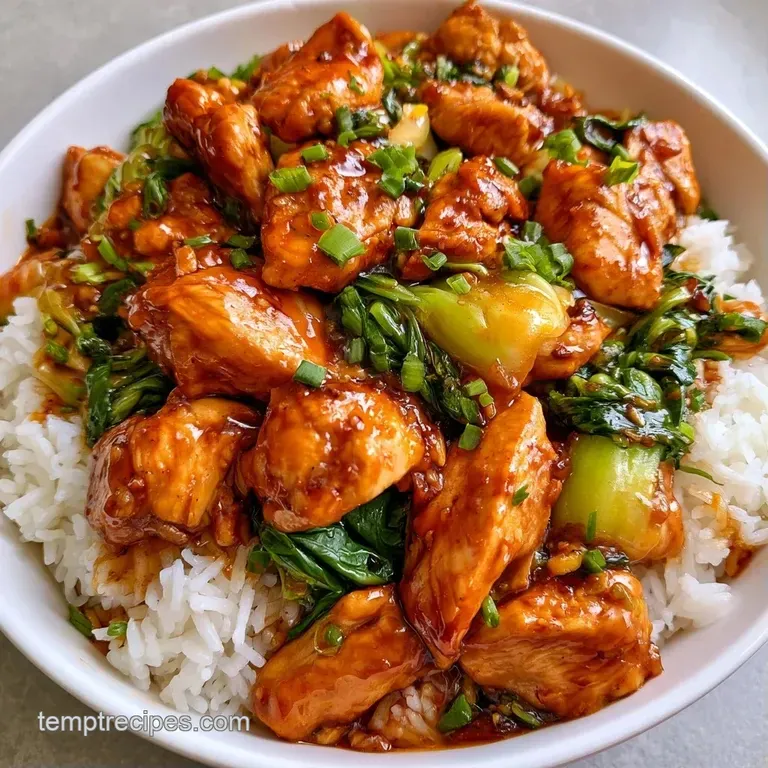
- Portion the rice into bowls. Top with the chicken and bok choy. Garnish with toasted sesame seeds and green onions.
Chef's Note: If the sauce becomes too thick and looks like a paste, simply add a tablespoon of water to thin it out.
Fixing Common Issues
Most issues when preparing a Choy Rice Bowl stem from temperature management. Without a hot enough pan, the chicken will poach in its own juices rather than searing.
Soggy Bok Choy
This occurs when the pan is overcrowded. As the vegetables release moisture, the temperature drops and they begin to steam. Split the greens into two rounds if your cookware is limited.
Thin Sauce
If the glaze doesn't adhere to the chicken, the slurry likely wasn't simmered long enough. Give it an additional 60 seconds of high heat to activate the cornstarch.
Rubbery Chicken
It is easy to overcook the meat when using breasts. Take the chicken off the heat as soon as it's opaque, as it will continue to cook slightly in the sauce.
| Problem | Fix |
|---|---|
| Limp Greens | Cook in smaller batches |
| Watery Glaze | Simmer slurry for 1 more minute |
| Dry Meat | Reduce initial sear time by 30 seconds |
Storage and Zero Waste
You can keep this Choy Rice Bowl in a sealed tub in the cooler for up to 3 days. To keep the greens from getting too soft, I recommend storing the rice and the chicken mixture in separate containers.
For reheating, avoid the microwave if you can. Toss the mixture back into a hot pan for 2-3 minutes with a tiny splash of water. This brings back the sear on the bok choy and keeps the chicken from becoming tough.
To avoid waste, don't toss the bok choy stems if you have extra. Chop them finely and add them to a morning omelet or a soup base. They provide a great crunch and keep the nutrients in your kitchen.
Best Serving Ideas
While this Choy Rice Bowl is a full meal on its own, a few additions can make it feel more like a feast. I love adding a drizzle of chili oil or a side of pickled carrots for a pop of acid.
For a restaurant style presentation, use deep bowls. Place the rice at the bottom and arrange the bok choy halves on one side with the velveted chicken piled on the other. This keeps the components distinct until you mix them.
If you have leftovers, they make a great cold salad. Just shred the chicken and bok choy, add a bit of lime juice, and toss it with the remaining rice.
Tasty Variations and Swaps
You can easily tweak this recipe to fit your mood or diet. If you want a nuttier depth, try adding a dollop of my bok choy peanut sauce to the glaze.
For a Spicy Kick
Stir in a tablespoon of Sriracha or gochujang into the glaze mixture before pouring it into the pan. This adds a fermented heat that pairs well with the honey.
For a Plant Based Version
Swap the chicken for extra firm tofu, pressed and cubed. Use mushroom sauce instead of oyster sauce to keep the umami profile without the seafood.
For a Low Carb Swap
Instead of jasmine rice, use cauliflower rice or shredded cabbage. Sauté the cauliflower rice with a bit of garlic and sesame oil for 5 minutes before assembly.
| Goal | What to change |
|---|---|
| More Heat | Add 1 tsp red pepper flakes |
| Nutty Flavor | Swap honey for almond butter |
| Extra Veggies | Add sliced carrots or snap peas |
Debunking Stir Fry Myths
A lot of people think you need a professional wok to get a good sear. That's not true. Any heavy bottomed pan that can hold high heat will work for this Choy Rice Bowl.
Another common myth is that you should stir the meat constantly. In reality, leaving the chicken alone for those first two minutes is what creates the mahogany crust. Constant stirring lowers the pan temperature and leads to steaming.
Finally, some say you must velvet every piece of meat. While it makes a difference, it's not mandatory. However, for a Choy Rice Bowl, it's the difference between "home cooked" and "restaurant quality" texture.
According to nutritional data from USDA FoodData Central, the balance of protein and fiber in this bowl makes it a satisfying meal that keeps you full longer than a simple carb heavy dish. Trust me on this: the extra 10 minutes of marinating the chicken is worth every second. Enjoy your dinner!
Recipe FAQs
How to cook bok choy for this bowl?
Place cut-side down in a hot pan with oil. Sear for 2-3 minutes until the edges are charred and golden.
Can I substitute chicken with fish?
Yes, firm white fish works well. Use the same searing method, but reduce the timing to avoid overcooking the delicate fillets.
Is it true that baby bok choy must be boiled before searing?
False. Searing them directly in oil at high heat ensures a golden crust while keeping the stems crisp.
What makes the sauce thick and glossy?
The cornstarch slurry creates that professional sheen. Mixing cornstarch with water and tossing it over high heat for 1-2 minutes binds the glaze to the ingredients. If you enjoyed mastering this thickening technique, see how it works in our black bean bok choy.
Why does the chicken stay tender?
The cornstarch marinade protects the meat. Coating the sliced chicken in soy sauce and cornstarch creates a barrier that prevents overcooking during the high heat sear.
Could I use couscous instead of jasmine rice?
Yes, though the texture differs. Couscous is a faster alternative, but jasmine rice provides the traditional absorbent base for the honey soy glaze.
Choy Rice Bowl