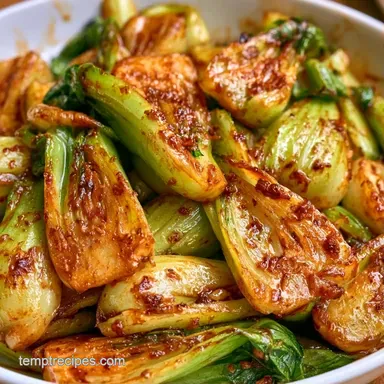
Bok Choy Stir Fry with Soy in 10 Minutes
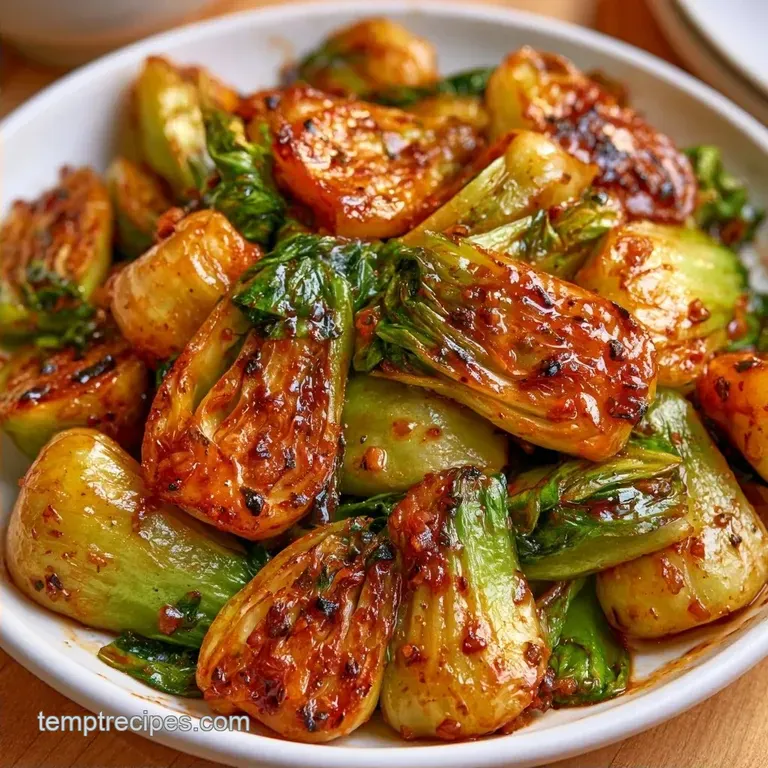
- Time: 5 min active + 5 min cook
- Flavor/Texture Hook: Savory umami glaze with a crisp, peppery snap
- Perfect for: Fast weeknight sides or healthy meal prep
Bok Choy Stir Fry with Soy
The first thing you notice when this hits the pan is that aggressive hiss. In many Chinese households, a quick stir fry isn't just a meal, it's a ritual of speed and heat. I grew up seeing greens tossed into a wok for mere minutes, ensuring they stayed vibrant rather than turning into a soggy, olive drab mess.
The goal here is to maintain the contrast. You want the thick white stems to be tender but still have a bit of a bite, while the dark green leaves just barely wilt. It's a balance of salty, sweet, and fresh that cuts through heavier main dishes.
This Bok Choy Stir Fry with Soy relies on a few pantry staples to create a glossy finish. You don't need a professional setup to get that restaurant style look, just a hot pan and a bit of timing.
Why This Version Works
High Heat: Fast cooking prevents the bok choy from releasing too much water, so it sears instead of steaming. Sugar Balance: A tiny bit of brown sugar cuts the saltiness of the soy and helps the sauce cling to the leaves.
The Ingredients List
The balance here comes from the aromatics and the glaze. Using baby bok choy is usually better because the stems are more tender and the proportions of leaf to stem are more consistent.
| Ingredient | Role | If You Don't Have It |
|---|---|---|
| Baby Bok Choy | Main vegetable | Napa cabbage (cut into chunks) |
| Garlic | Pungent base | Garlic powder (use 1/2 tsp) |
| Soy Sauce | Salty umami | Tamari or coconut aminos |
| Sesame Oil | Nutty aroma | Toasted walnut oil |
It's worth noting that the quality of your soy sauce matters. A naturally brewed version has a deeper color and a more complex taste that makes the glaze pop.
Essential Kitchen Tools
While a professional wok is excellent for heat distribution, it isn't mandatory. A heavy duty cast iron or stainless steel pan works perfectly well, as both can withstand the high heat required for a proper sear.
I suggest mixing the sauce in a small bowl first. Whisking the sugar, sesame oil, and soy together before cooking prevents the sugar from clumping or burning in the pan.
Using a salad spinner is highly recommended. Any remaining water on the leaves will lower the pan's temperature and cause the greens to boil, which spoils the texture.
How to Cook It
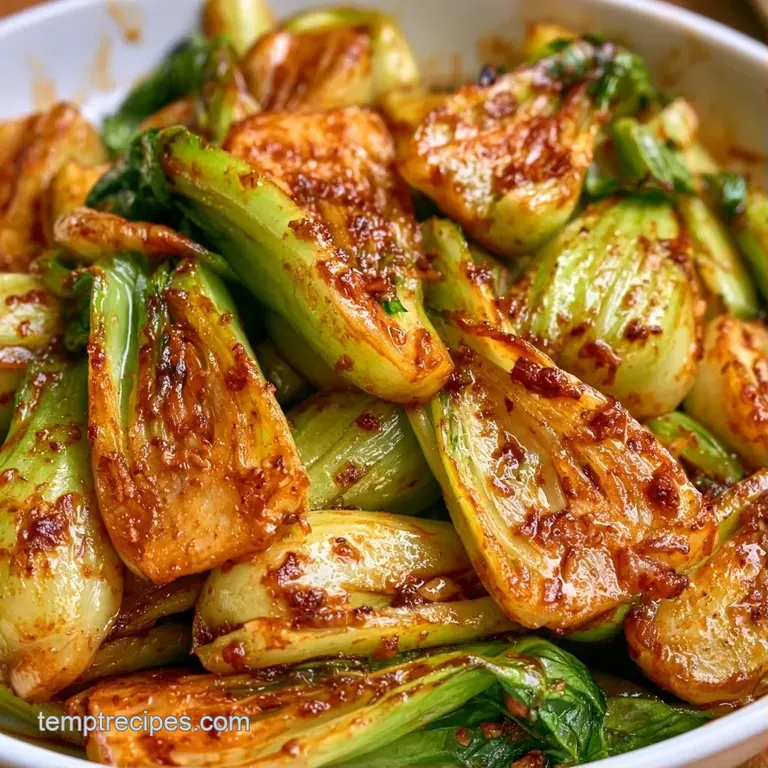
The Prep
- Rinse the bok choy thoroughly to remove any grit. Pat dry with a towel or use a salad spinner. Note: Wet leaves will steam rather than sear.
- Slice each baby bok choy in half lengthwise, then half again into quarters.
- In a small bowl, whisk together the soy sauce, sesame oil, and brown sugar until the sugar is dissolved.
The Sear
- Place a wok or skillet over medium high heat. Add the neutral oil and wait until it shimmers.
- Add the minced garlic and grated ginger. Stir fry for 30 seconds until fragrant but still pale.
- Increase heat to high. Add the bok choy and stir fry for 2–3 minutes until stems are translucent and leaves begin to wilt.
The Finish
- Pour the soy mixture over the vegetables. Stir fry for 60 seconds until the sauce bubbles and becomes a glossy glaze.
- Remove from heat immediately. Note: Bok choy overcooks in seconds, so don't let it sit in the hot pan.
Fixing Common Issues
When you're working with high heat, things happen fast. I once let the garlic sit for an extra minute, and the whole dish tasted bitter. The key is keeping everything moving.
If you find your vegetables are swimming in liquid, you're likely crowding the pan. This forces the bok choy to release its moisture and steam. For a better result, cook in two batches.
If you're struggling with the consistency of your sauce, you might be adding it too early or too late. It needs that one minute of bubbling to reduce and coat the vegetables. For more variety in your vegetable sides, you could try a bok choy peanut sauce for a creamier profile.
| Problem | Root Cause | Solution |
|---|---|---|
| Watery pan | Pan too cold or crowded | Increase heat; cook in batches |
| Bitter taste | Burnt garlic | Add aromatics only when oil shimmers |
| Soggy leaves | Overcooked | Remove from heat the moment leaves wilt |
Other Ways to Make It
Feel free to customize the taste using ingredients you already have on hand. If you prefer a spicy kick, stir a teaspoon of red pepper flakes or sriracha into the soy blend.
| Original Ingredient | Substitute | Why It Works |
|---|---|---|
| Brown Sugar | Honey | Comparable sweetness; adds a floral touch |
| Neutral Oil | Avocado Oil | High smoke point; richer flavor |
| Baby Bok Choy | Tatsoi | Similar peppery taste; smaller leaves |
To create a more varied vegetable medley, stir in snap peas or sliced carrots. Since these need more time to tenderize, add them 2 minutes before the bok choy. For a totally different meal idea, this roasted red pepper pasta provides a lovely contrast to these Asian inspired notes.
Chef's Tip: For enhanced richness, stir a small drop of fish sauce or a dash of mushroom powder into the soy mixture. This creates a savory depth similar to a slow simmered sauce.
Decision Shortcuts:
- Spicier? → stir in 1 tsp sriracha
- More sweetness? → mix in 1/2 tsp honey
- Extra crunch? → slice stems thicker
Storage and Leftovers
Keep this in a sealed glass tub in the fridge for about 3 days. It doesn't freeze well because the water content in the stems causes them to collapse and get mushy when thawed.
When you reheat it, avoid the microwave if you can. Toss the leftovers back into a hot pan for 60 seconds. This brings back some of that charred flavor and prevents the greens from becoming limp.
To avoid waste, save the very bottom ends of the bok choy stems. Toss them into a vegetable stock pot or a freezer bag for your next soup. They hold a lot of flavor that often gets thrown away.
Best Side Pairings
For the best experience, serve this Soy Bok Choy Stir Fry with a protein that has a deep sear, such as crispy tofu or flank steak. The peppery quality of the greens helps balance the richness.
Steamed jasmine rice or quinoa are also fantastic accompaniments. The grains absorb the savory soy glaze, ensuring every bit of umami is enjoyed.
To round out a larger meal, try pairing this with a chilled cucumber salad. The contrast of hot, glazed bok choy against cold, vinegary cucumbers is a timeless pairing that cleanses the palate.
Precision Checkpoints: 1. Ensure the neutral oil is shimmering (around 350°F) before you stir in the garlic. 2. Sauté the ginger and garlic for only 30 seconds to prevent them from scorching. 3.
Cook the stems on high heat for exactly 3 minutes until they become translucent.
Recipe FAQs
Can you cook bok choy in soy sauce?
Yes, soy sauce provides a salty, savory base for the vegetables. It glazes the stems and leaves perfectly when reduced over high heat.
Should bok choy be boiled before stir frying?
No, and here's why. Stir frying raw bok choy preserves the crunch of the stems and the bright color of the leaves.
How do I prepare bok choy for a stir fry?
Rinse the baby bok choy thoroughly and pat it dry with a kitchen towel. Slice each head in half lengthwise and then into quarters.
What technique cooks bok choy Chinese style?
Sauté minced garlic and grated ginger in neutral oil over medium high heat. Toss in the quarters on high heat for a few minutes before finishing with a soy-sesame glaze.
Does bok choy pair well with fish?
Yes, the mild flavor of the vegetable complements most white fish or salmon. It adds a fresh, crisp texture to a seafood meal.
What are the best ways to serve this vegetable?
Serve it as a side dish or fold it into a bowl of ramen. If you enjoy the quick aromatics used here, you can apply similar flavor balancing to our garlic sauce.
Is it necessary to use a wok for this recipe?
This one's false: a heavy skillet or frying pan works just as well. You just need a vessel that can handle high heat for a quick sear.
How should I cook bok choy for ramen?
Stir fry the quarters for two minutes or blanch them quickly in boiling water. This ensures the stems stay tender crisp when added to the hot broth.
Bok Choy Stir Fry With Soy