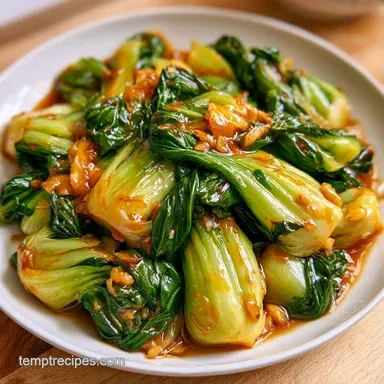
Ginger Bok Choy Stirfry in 15 Minutes
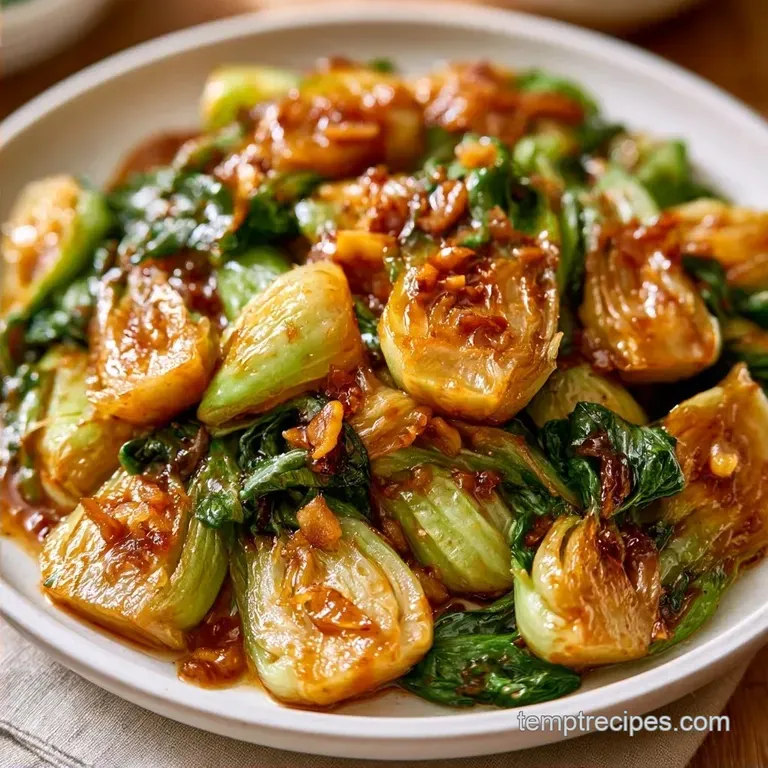
- Time: 10 min prep + 5 min cook
- Flavor/Texture Hook: Snappy stems with a glossy, gingery glaze
- Perfect for: Fast weeknight dinners or a healthy side dish
There is nothing worse than a plate of soggy, water logged greens. I once tried making this for a dinner party, but I didn't dry the bok choy properly. I tossed the wet leaves into the pan, and instead of searing, they steamed.
The result was a limp, grey pile of vegetables that looked like they'd been boiled for an hour. It was a total disaster.
The fix is actually pretty simple. You need extreme heat and bone dry vegetables. When you get the pan hot enough that the oil shimmers, the Ginger Bok Choy StirFry develops those charred edges and a crisp texture that makes the dish feel professional.
This recipe focuses on minimal tools and reliable steps. We're using a "flash fry" technique to get the best of both worlds: tender leaves and crunchy stems. It's stress free, takes about 15 minutes total, and pairs with almost any protein.
Ginger Bok Choy StirFry Basics
For this to work, timing is everything. You aren't just cooking the vegetables; you're managing moisture. If you crowd the pan or use too much liquid, the temperature drops, and you lose that signature snap.
The heat needs to stay high throughout the process. According to Serious Eats, the key to a successful stir fry is ensuring the pan is hot enough to prevent the vegetables from stewing in their own juices.
| Method | Time | Texture | Best For |
|---|---|---|---|
| Stovetop | 5 mins | Tender Crisp | Fresh, fast meals |
| Oven | 12 mins | Roasted/Soft | Large batches |
Shopping List Breakdown
Stick to baby bok choy if you can. The smaller heads have a better ratio of stem to leaf and cook much more evenly. For the oil, use something with a high smoke point like canola or grapeseed.
What Each Ingredient Does
| Component | Purpose | Substitute Notes |
|---|---|---|
| Baby Bok Choy | Main base | Shanghai Bok Choy: slightly tougher stems |
| Fresh Ginger | Zesty heat | Ginger paste: less punchy, but works |
| Soy Sauce | Salt and depth | Tamari: better for gluten-free needs |
| Sesame Oil | Nutty aroma | Toasted walnut oil: adds a different nuttiness |
Swaps for Customizing
| Original Ingredient | Substitute | Why It Works |
|---|---|---|
| White Pepper | Black Pepper | Similar heat, but black pepper is more pungent |
| Sugar | Honey | Similar sweetness. Note: Makes the glaze stickier |
| Neutral Oil | Avocado Oil | Very high smoke point. Note: Virtually tasteless |
Essential Kitchen Tools
No professional equipment is necessary for this dish. A heavy bottomed skillet works just as effectively as a traditional wok, provided the pan can hold its heat when cold vegetables are added.
A sharp santoku or a standard chef's knife will help you slice the bok choy into uniform pieces. Use a salad spinner if you have one, but a few paper towels will work just as well.
Cooking Steps
Phase 1: The Prep
Wash the baby bok choy thoroughly. Grit likes to hide in the base of the stems, so give them a good rinse. Use a salad spinner or pat them completely dry with paper towels. Slice them lengthwise into halves or quarters.
Phase 2: Searing Aromatics
Place a wok or pan over medium high heat. Add 1 tbsp neutral oil. Wait until the oil shimmers. Add 2 tbsp minced ginger and 3 cloves of minced garlic. Stir fry for 30-60 seconds until they smell fragrant and look lightly golden.
Phase 3: The Flash Fry
Crank the heat to high. Toss in the 1 lb of sliced bok choy. Stir fry rapidly for 2 minutes until the leaves wilt but the stems still have a snap.
Phase 4: The Glaze
Pour in 2 tbsp soy sauce, 1 tsp sesame oil, 1 tsp sugar, and 1/4 tsp white pepper. Toss for one final minute until the sauce thickens and coats the greens in a glossy finish. Remove from heat immediately so the leaves don't overcook.
Chef's Note: If you're cooking for a crowd, work in batches. Putting too much bok choy in the pan at once will drop the temperature and lead to that soggy texture we're avoiding.
Fixing Common Issues
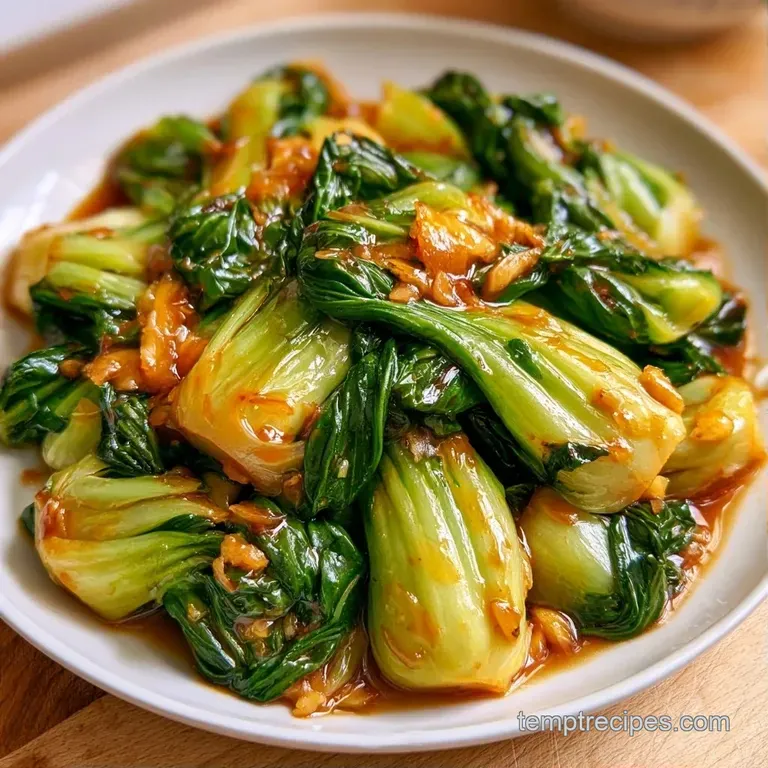
The most frequent problem people run into is the "watery pan" syndrome. This happens when the bok choy is too wet or the pan isn't hot enough. You'll see a pool of liquid at the bottom, and the vegetables will look pale.
Another issue is burnt garlic. Garlic burns much faster than ginger. If the garlic turns dark brown or black, it becomes bitter and ruins the whole Ginger Bok Choy StirFry. Always add the garlic and ginger together and keep them moving.
Fixing Watery Greens
If your pan is filling with liquid, stop stirring and let the water evaporate for a minute on high heat before adding the sauce. Next time, be more aggressive with the paper towels during prep.
Preventing Burnt Garlic
If the pan is smoking too much before you add the aromatics, take it off the heat for 10 seconds. This prevents the garlic from scorching the moment it hits the oil.
| Problem | Root Cause | Solution |
|---|---|---|
| Soggy texture | Pan too cold / wet veg | Higher heat, dry the greens better |
| Bitter taste | Burnt garlic | Stir faster or lower heat slightly |
| Sauce too thin | Overcooked / too much liquid | Reduce cook time, add sugar for thickness |
Flavor Variations
Depending on what's in your pantry, you can shift the flavor profile of this dish. If you want a different vibe, try a peanut sauce version for something creamier and richer.
For those who like a bit of a kick, add 1/2 tsp of crushed red pepper flakes when you add the garlic. It adds a sharp heat that cuts through the richness of the sesame oil.
Decision Shortcut
- Extra heat? → add 1/2 tsp red pepper flakes
- Saltier taste? → add 1 tsp extra soy sauce
- Sweeter glaze? → increase sugar to 2 tsp
If you prefer a more traditional approach, you can swap the white pepper for a pinch of five spice powder. This gives the Ginger Bok Choy StirFry a warm, aromatic scent that feels very authentic.
Storage and Leftovers
While it's ideal to serve this right away, it will stay fresh in the refrigerator for up to 2 days. Use an airtight glass container for storage. Keep in mind that the stems may soften slightly after spending a night in the fridge.
For the best results when reheating, skip the microwave. Instead, heat the leftovers in a hot pan for 1-2 minutes. This method restores the sear and keeps the leaves from turning mushy.
To minimize waste, save the trimmed bottom ends of the bok choy. Place them in a freezer bag along with other vegetable remnants, such as carrot peels and onion ends. When the bag is packed, boil the contents in water to create a simple vegetable stock.
Pairing Suggestions
This is a versatile side that balances out heavier main courses. It pairs great with a seared salmon fillet or a crispy tofu steak. The ginger and soy notes complement the richness of the protein.
If you want a full meal, serve this alongside some steamed jasmine rice or a bok choy chow mein for a hearty noodle combination.
For a lighter meal, serve it with a side of steamed edamame and a bowl of miso soup. The contrast between the snappy bok choy and the soft tofu in the soup is very satisfying.
Why the Method Works
The high heat sears the stems to lock in the crunch while the residual heat wilts the leaves. Drying the vegetables prevents them from steaming, which keeps the Ginger Bok Choy StirFry from getting soggy.
Recipe FAQs
Do I need to boil bok choy before stir frying?
No, skip the boiling. Stir frying directly over high heat preserves the snap and nutrients.
How to cook bok choy with ginger?
Sauté minced ginger in oil before adding vegetables. Stir fry for 30-60 seconds until fragrant, then toss in the bok choy on high heat for 2 minutes.
When should the ginger be added?
Add it first with the garlic. Sautéing the aromatics in shimmering oil for 30 60 seconds builds the flavor base before adding the greens.
Should you cut the bottom off the stalks?
Yes, trim the ends. This removes the tough base and ensures the stems are clean.
Is it true that bok choy is unsuitable for diabetics?
Actually, no. Bok choy is low in carbohydrates and high in nutrients, making it a great choice for blood sugar management.
Which part of the vegetable is discarded?
Only the very bottom trimmed ends. These can be saved in a freezer bag for veggie scraps rather than thrown away.
Preventing a slimy texture requires which technique?
Pat the bok choy completely dry after washing. Excess moisture creates steam, which leads to sliminess instead of a sear. If you enjoyed mastering this moisture control, see how the same principle works in roasted bok choy.
Reheating leftovers without losing texture requires what?
Toss them in a hot pan for 1-2 minutes. Avoid the microwave to prevent the leaves from becoming mushy and to restore the sear.
Ginger Bok Choy Stirfry