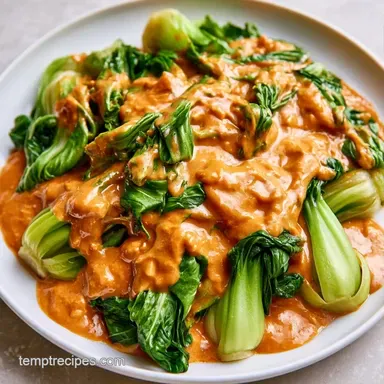
Spicy Peanut Sauce for Baby Bok Choy
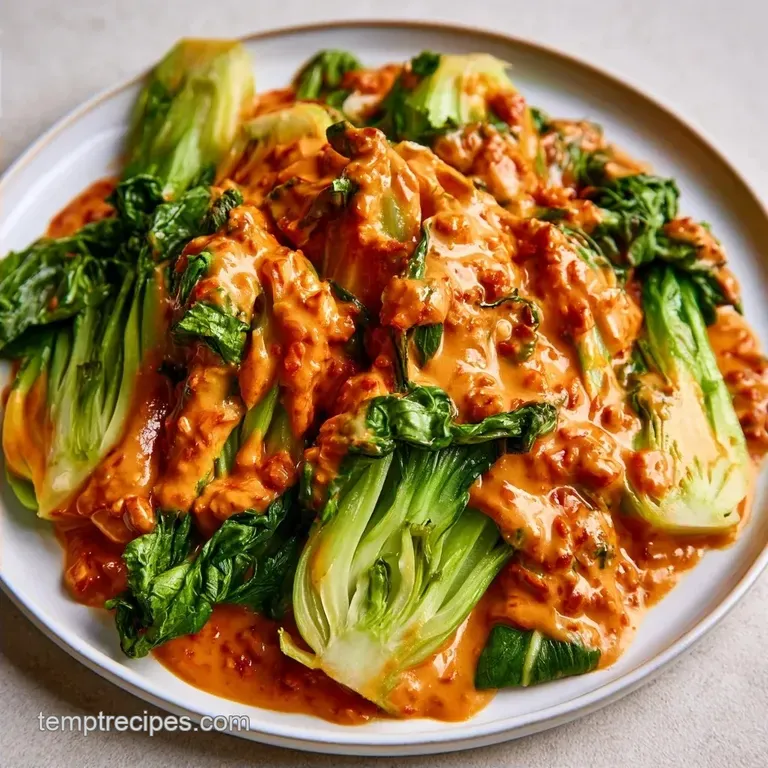
- Time:10 minutes active
- Flavor/Texture Hook: Nutty, tangy, and pourable
- Perfect for: Stress free weeknight sides or meal prep
There's something so satisfying about the sound of baby bok choy searing in a hot pan. That initial sizzle is the key to achieving those charred edges that define the dish. I once believed that achieving restaurant-quality flavor required an endless list of niche ingredients or spending an hour meticulously preparing garlic and ginger pastes.
In reality, that isn't the case. You can create a powerful umami profile using just a few common pantry staples. The secret lies in balancing salt, acid, and fat so the greens remain the star of the show rather than a side thought.
This Bok Choy Peanut Sauce is ideal for when you have very little energy but still crave a substantial meal. It's rich, savory, and faster to prepare than waiting for a delivery driver. If you prefer something more minimal, my Soy Sauce Bok Choy is an excellent choice for a lighter option.
Why the Flavors Balance
The success of this sauce comes down to hitting all the taste receptors at once. When you combine the salt from the soy sauce with the sweetness of maple syrup and the bite of rice vinegar, nothing tastes "flat." It creates a rounded flavor that complements the slightly bitter edge of the greens.
Warm Water: Using warm instead of cold water keeps the peanut butter from seizing up. This ensures the sauce stays smooth and doesn't separate into oily clumps.
Fat Content: The peanut butter provides a heavy base that clings to the smooth leaves of the choy. Without this fat, the soy and vinegar would just slide off the vegetable and pool at the bottom of the plate.
| Method | Time | Texture | Best For |
|---|---|---|---|
| Stovetop | 5 mins | Soft & Glazed | Quick weeknight sides |
| Oven | 15 mins | Charred & Nutty | Large batch meal prep |
What Every Ingredient Does
I've found that swapping ingredients in this recipe is pretty easy as long as you keep the "role" the same. You need something creamy, something salty, and something acidic.
| Ingredient | Role | If You Don't Have It |
|---|---|---|
| Peanut Butter | Creamy Base | Almond butter (adds a milder, nuttier taste) |
| Soy Sauce | Umami/Salt | Coconut aminos (lower sodium, slightly sweeter) |
| Rice Vinegar | Brightness | Apple cider vinegar (similar tang, more fruity) |
| Maple Syrup | Balance | Honey or brown sugar (honey is thicker) |
The Pantry List
Get your bowl and whisk ready. I recommend using a medium mixing bowl so you have plenty of room to whisk without splashing sauce all over your counter.
- 1/2 cup (125g) creamy peanut butter Why this? Provides the rich, savory body of the sauce.
- 2 tbsp (30ml) soy sauce Why this? Adds the essential salt and depth.
- 1 tbsp (15ml) sriracha Why this? Gives a gentle heat that cuts through the fat.
- 1 tbsp (15ml) maple syrup Why this? Rounds out the salt and acid.
- 1 tbsp (15ml) rice vinegar Why this? Provides the necessary zip.
- 1 tsp (5ml) toasted sesame oil Why this? Adds a toasted, aromatic finish.
- 1 clove (5g) garlic, finely minced Why this? Adds a sharp, pungent punch.
- 2 to 4 tbsp (30-60ml) warm water Why this? Controls the thickness.
Recipe Specs
This is a lean process. There's no actual cooking involved for the sauce itself, though you'll likely be searing your greens in a pan.
- Prep time: 10 minutes
- Cook time: 0 minutes (for sauce)
- Total time: 10 minutes
- Yield: 4 servings
Essential Kitchen Tools
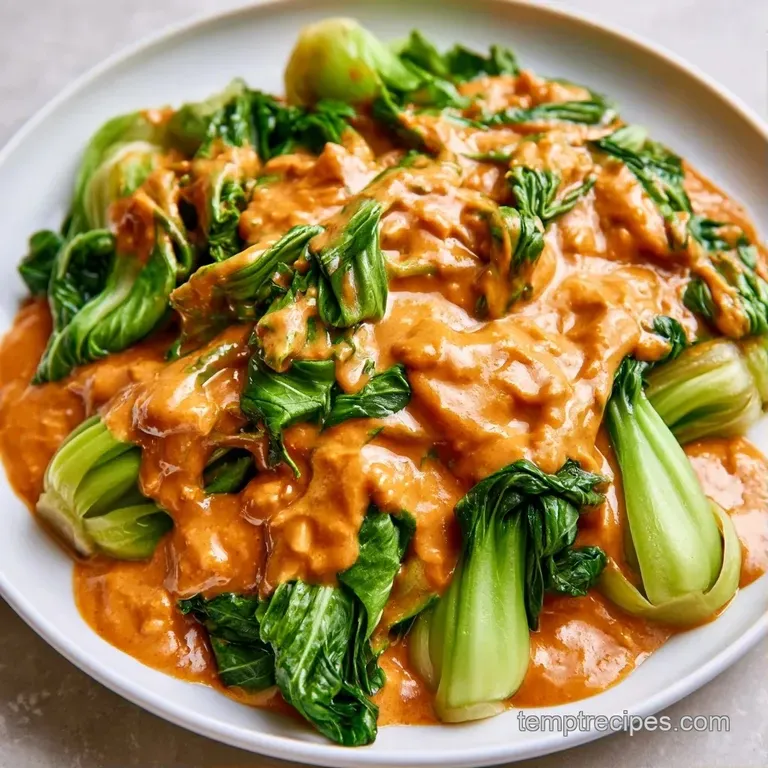
Standard kitchen tools are all you'll need. A simple setup is perfectly fine.
- Medium mixing bowl
- Whisk (a fork works, but a whisk is quicker)
- Measuring spoons and cups
- Small knife for the garlic
Making the Sauce
Follow these steps to get the texture just right. The goal is a sauce that is thick enough to coat a leaf but thin enough to pour.
- Add the creamy peanut butter, soy sauce, sriracha, maple syrup, and rice vinegar to your mixing bowl.
- Whisk vigorously until the mixture becomes a thick, smooth paste. Note: It might look separated at first; just keep whisking.
- Fold in the minced garlic and toasted sesame oil.
- Whisk again until the garlic is evenly distributed and the sauce smells nutty.
- Drizzle in the warm water one tablespoon at a time.
- Whisk constantly after each addition of water.
- Continue adding water until the sauce reaches a velvety, pourable consistency.
- Stop when the sauce still coats the back of a spoon without immediately running off.
Fixing Common Issues
Even a simple sauce can act up. Most issues come down to the temperature of your ingredients or the ratio of water.
If your sauce looks grainy, it's usually because the peanut butter was too cold. Cold fats don't like to bond with liquids. I've had this happen when I pulled the peanut butter straight from a cold pantry. The fix is simple: more warm water and a lot of fast whisking.
If it's too spicy, don't panic. You can balance the heat by adding a tiny pinch more maple syrup or a teaspoon of extra peanut butter. The fat and sugar will neutralize the capsaicin from the sriracha.
| Problem | Root Cause | Solution |
|---|---|---|
| Grainy Texture | Cold peanut butter | Whisk in 1 tbsp warm water rapidly |
| Too Thick | Not enough liquid | Add warm water 1 tsp at a time |
| Too Salty | Soy sauce brand variance | Add a squeeze of lime or extra syrup |
| Separated Oil | Over whisking or cold temp | Stir in a teaspoon of warm water |
| Goal | What to change |
|---|---|
| More heat | Add 1 tsp extra sriracha |
| Thinner pour | Add 1 tbsp warm water |
| Less salt | Swap soy for coconut aminos |
Storing and Saving Scraps
You can keep this Bok Choy Peanut Sauce in a sealed jar in the cooler for about 5 days. It will thicken as it sits, which is normal. Just shake it well or stir in a splash of warm water to loosen it back up before serving.
I don't recommend freezing this sauce. The emulsion can break during the freeze thaw cycle, leaving you with a greasy mess.
To avoid waste, don't toss the bok choy stems. While the leaves are the star here, the white stems are great for crunch. Dice them up and throw them into a stir fry or a soup. You can even blanch them separately and toss them in the leftover Choy Peanut Sauce for a snack.
What to Serve With It
This sauce is incredibly versatile. While it's designed for baby bok choy, it works wonders on other greens. I love it on steamed broccoli or snap peas.
For a full meal, serve the Bok Choy with Peanut Sauce alongside some steamed jasmine rice or quinoa. If you want something with more protein, grilled tofu or seared shrimp are the way to go. The richness of the sauce pairs well with a lean protein.
If you're in the mood for other nutty flavors, you'll likely love these Peanut Butter Cookies for a treat later.
Easy Ingredient Swaps
Depending on what you have in the pantry, you can tweak this recipe to fit your diet.
Making it Nut Free Swap the peanut butter for sunflower seed butter (SunButter). It has a similar thickness and an earthy taste that works well with the soy and sriracha. The result is a bit more intense than the original, but still great.
Boosting the Heat If the sriracha isn't enough, add a teaspoon of chili garlic sauce or a pinch of red pepper flakes. This adds a layered heat rather than just a sharp sting.
Lowering the Sugar You can omit the maple syrup entirely, but the sauce will be much saltier. If you're cutting sugar, try adding a small amount of grated apple or a date paste to keep that balance.
Using Different Greens This recipe isn't just for baby bok choy. Try it with regular Choy with Peanut Sauce or even sautéed kale. Since kale is heartier, I recommend simmering the sauce for 2 minutes in a pan before tossing the greens in.
Recipe FAQs
What sauce goes best with bok choy?
A savory peanut sauce provides a rich, nutty contrast to the vegetable's natural bitterness.
Tip: thin the sauce with warm water if it feels too thick to drizzle.
Which vegetables pair well with peanut sauce?
Carrots, snap peas, and red bell peppers add a complementary crunch.
Tip: blanch harder vegetables first to ensure everything is tender.
Is it true some parts of bok choy are inedible?
No, this is a common misconception, as both the leafy greens and crunchy white stems are fully edible.
Tip: slice the stems thinner than the leaves so they cook at the same rate.
How to prepare bok choy for ramen?
Blanch the pieces in boiling water for 60 to 90 seconds.
Tip: plunge them into ice water immediately to keep the color vibrant.
Can bok choy be served with fish?
Yes, its mild flavor complements steamed or grilled white fish perfectly.
Tip: drizzle peanut sauce over both the fish and greens for a cohesive meal.
What are the best ways to eat bok choy?
Sautéing, steaming, or adding it raw to salads are the most popular methods.
Tip: try roasting it with sesame oil for a deeper, charred flavor.
In what way do you cook bok choy Chinese style?
Stir-fry the vegetable over high heat with garlic until wilted.
Tip: add the stems first and the leaves last to avoid overcooking the greens.
Would baby bok choy work with couscous?
It brings a refreshing, crisp crunch to the soft grains.
Tip: If you appreciate this balance of flavors, you might also enjoy our tomato ricotta sauce.