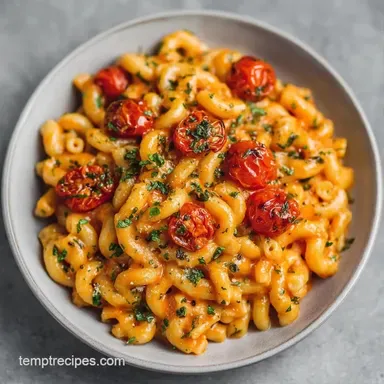
Tomato Ricotta Pasta Sauce: Creamy and Silky
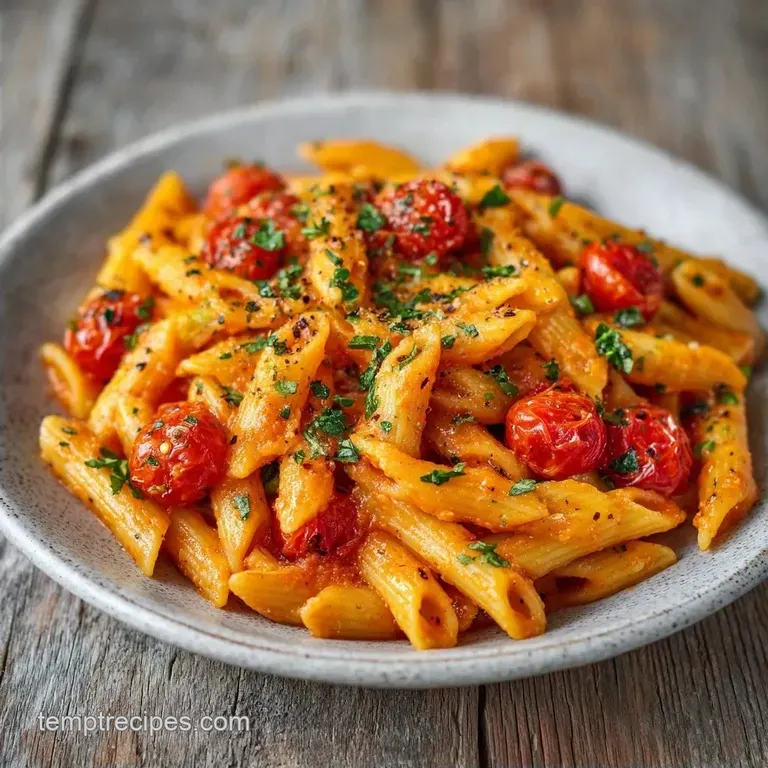
- Time: 10 min active + 20 min cook
- Flavor/Texture Hook: Silky, pale orange cream with pops of acidic tomato
- Perfect for: Stress free weeknight dinner
- Tomato Ricotta Pasta Sauce Tips
- Key Techniques Explained
- Ingredient Deep Dive
- Required Tool List
- Ingredient and Swap List
- How to Make It
- Pro Tips and Pitfalls
- Troubleshooting Common Issues
- Creative Twists and Swaps
- Scaling Your Batch
- Kitchen Myths Debunked
- Store and Save Scraps
- Ways to Serve and Enjoy
- Recipe FAQs
- 📝 Recipe Card
Ever wonder why some restaurant pasta sauces look like velvet but taste like a fresh garden? I used to think it was some secret ingredient or a professional grade emulsion, but it's actually much simpler. It's all about how you handle the fats and the acidity.
I remember one Tuesday when I had zero energy but a craving for something hearty. I had a tub of ricotta and a handful of cherry tomatoes that were just about to go soft. Instead of making a long simmered red sauce, I decided to stir the cheese right into the pan.
The result was a Tomato Ricotta Pasta Sauce that felt like a hug in a bowl. It's that specific kind of comfort that doesn't feel heavy, just satisfying and creamy. Now, it's my go to when I need a win in the kitchen without spending my whole evening over the stove.
Tomato Ricotta Pasta Sauce Tips
The goal here is a smooth, glossy finish that clings to the pasta rather than puddling at the bottom of the plate. You want a sauce that feels luxurious but still tastes the brightness of the tomatoes.
The secret is in the timing. If you add the cheese too early or keep the heat too high, the ricotta can break, leaving you with a grainy texture. We're aiming for a pale orange cream that looks uniform and feels silky on the tongue.
By using both tomato paste and fresh cherry tomatoes, we get two different things: the paste provides a deep, savory base, while the cherry tomatoes offer bursts of sweetness. It's a shortcut to a complex flavor profile in about 20 minutes.
Key Techniques Explained
To get this right, we have to manage the heat and the moisture. It isn't about complex chemistry, but more about how ingredients react when they hit the pan.
- The Tomato Burst: Heating cherry tomatoes until they pop releases their natural pectins and sugars, which thicken the sauce naturally.
- Fat Binding: Ricotta is a soft cheese that melts into the tomato base, creating a creamy suspension.
- Starch Integration: Adding reserved pasta water allows the sauce to bond to the noodle, according to [Serious Eats](https://www.seriouseats.com), which prevents the sauce from sliding off.
- Temperature Drop: Removing the pan from the heat before adding the cheese prevents the proteins from tightening and becoming grainy.
Right then, let's look at how this compares to a traditional red sauce. Most people think you need hours of simmering for a great pasta, but that's not always the case.
| Method | Time | Texture | Best For |
|---|---|---|---|
| Quick Ricotta | 30 mins | Silky/Creamy | Weeknight meals |
| Classic Marinara | 3 hours | Thick/Rich | Sunday dinner |
| Fresh Pomodoro | 20 mins | Light/Watery | Summer lunches |
Since we're keeping things simple, it's helpful to understand what each ingredient is actually doing in the pan.
Ingredient Deep Dive
| Ingredient | Science Role | Pro Secret |
|---|---|---|
| Ricotta | Creaming agent | Use whole milk for a velvetier feel |
| Tomato Paste | Flavor concentrate | Sauté it briefly to remove the "raw" tin taste |
| Pasta Water | Emulsifier | Salt it heavily so the sauce is seasoned from within |
| Cherry Tomatoes | Acid & Sugar | Halve them to speed up the bursting process |
Honestly, don't even bother with low-fat cheese here. The fat is what carries the flavor of the garlic and oregano. According to USDA FoodData, whole milk ricotta provides the necessary lipids to keep the sauce from separating.
Required Tool List
You don't need a fancy kitchen for this. A couple of basic tools will do the trick.
- Large skillet or sauté pan (stainless steel or non stick)
- Wooden spoon or silicone spatula
- Fine grater for the Parmesan
- Measuring cups and spoons
- Tongs for tossing the pasta
I prefer a wider skillet because it gives the cherry tomatoes more surface area to brown and burst. If the pan is too crowded, they just steam, and you lose that concentrated, mahogany color.
Ingredient and Swap List
- 2 tbsp extra virgin olive oil Why this? High smoke point for sautéing
- 3 cloves garlic, minced Why this? Fresh is punchier than jarred
- 1/2 cup small onion, finely diced Why this? Adds a subtle sweetness
- 1 tsp dried oregano Why this? Earthy balance to the acid
- 2 cups cherry tomatoes, halved Why this? Quickest way to get a fresh sauce
- 2 tbsp tomato paste Why this? Deepens the color and taste
- 1/2 tsp salt Why this? Basic flavor enhancer
- 1/4 tsp black pepper Why this? Adds a tiny bit of heat
- 1 cup whole milk ricotta cheese Why this? The core of the creaminess
- 1/2 cup grated Parmesan cheese Why this? Adds salt and umami
- 1/4 cup reserved pasta water Why this? Binds the sauce to the pasta
- 1/4 cup fresh basil leaves, torn Why this? Fresh finish to cut the richness
If you're missing something, don't panic. Most of these can be swapped without ruining the dish.
| Original Ingredient | Substitute | Why It Works |
|---|---|---|
| Ricotta (1 cup) | Mascarpone (1 cup) | Even creamier, though slightly sweeter |
| Cherry Tomatoes | Canned crushed (1 cup) | Similar acid, but less texture |
| Parmesan (1/2 cup) | Pecorino Romano | Saltier, sharper punch |
| Fresh Basil | Dried Basil (1 tsp) | Works, but lacks the fresh herbal note |
Keep in mind that swapping ricotta for something like cream cheese will make the Tomato Ricotta Pasta Sauce much heavier and tangier. Stick to soft, mild cheeses for the best result.
How to Make It
Follow these steps closely, and pay attention to the colors. That's your best guide for timing.
Heat olive oil over medium heat. Add the diced onion and cook until translucent, then stir in the minced garlic and oregano. Sauté for 60 seconds until the garlic smells fragrant but hasn't browned. Note: Burnt garlic tastes bitter.
Toss in the cherry tomatoes and tomato paste. Cook, stirring occasionally, until the tomatoes burst and release their juices, creating a thick, mahogany colored concentrate.
Reduce heat to low. Stir in the ricotta cheese and Parmesan, whisking gently until the sauce transforms into a smooth, pale orange cream. Remove from heat immediately to prevent the cheese from graining.
Boil your pasta in salted water until al dente.
Scoop out a small amount of pasta water before draining.
Add al dente pasta directly to the skillet along with the reserved pasta water.
Toss vigorously over low heat until the sauce is glossy and perfectly coats every strand.
Fold in fresh basil just before serving.
Chef's Note: If the sauce feels too thick after adding the pasta, add one more tablespoon of pasta water. It should look like a silky glaze, not a thick paste.
Pro Tips and Pitfalls
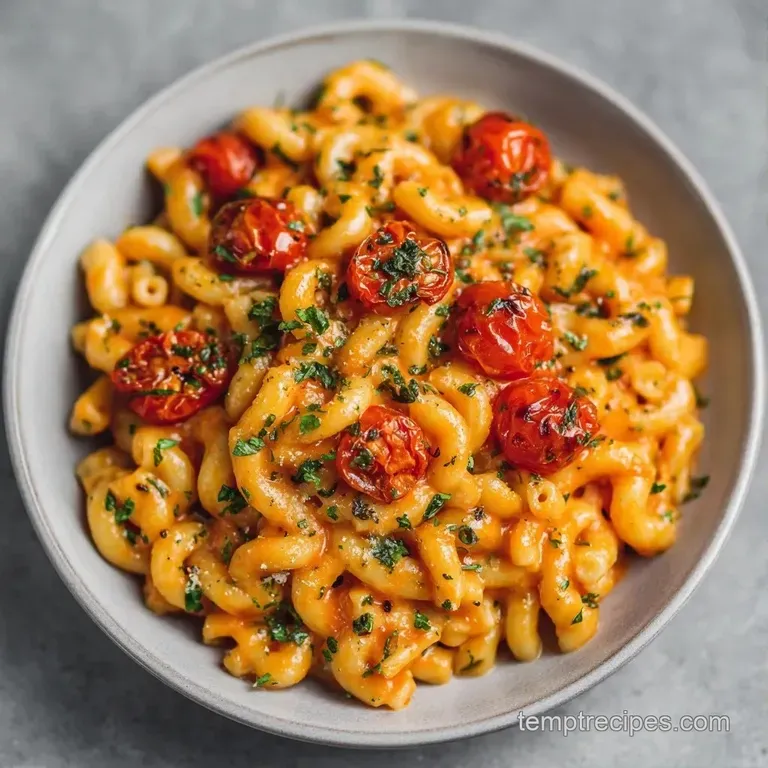
The most common issue I see is the sauce separating. This usually happens because the pan was too hot when the ricotta went in. Cheese proteins are sensitive, and high heat makes them clump.
Troubleshooting Common Issues
| Issue | Solution |
|---|---|
| Why Your Sauce Is Grainy | If you see little white clumps of cheese, the ricotta likely overheated. This happens if you keep the burner on high during the mixing phase. |
| Why Your Sauce Is Too Tart | Sometimes cherry tomatoes can be overly acidic, especially if they aren't fully ripe. If the sauce tastes too sharp, a tiny pinch of sugar can balance it out. |
| Why Your Sauce Is Too Thin | A thin sauce usually means the tomatoes didn't reduce enough or you added too much pasta water. Let the tomatoes cook down until they look like a jam before adding the cheese. |
Common Mistakes Checklist
- ✓ Avoid rinsing your pasta after draining (you need the starch!)
- ✓ Don't use pre shredded Parmesan (it has cornstarch that prevents melting)
- ✓ Ensure the onion is finely diced so it blends into the sauce
- ✓ Stir the basil in at the very end to keep the color vibrant
- ✓ Use a medium heat for the initial sauté, never high
Creative Twists and Swaps
If you want to change the vibe of this meal, you can easily tweak the base. For something even more decadent, you could use Millionaire Gnocchi style additions like a touch of butter at the end.
For a lighter version, you can toss in a handful of baby spinach during the final tossing step. The residual heat will wilt the spinach without overcooking it. If you're in the mood for something different but still creamy, my Green Pea Pasta is another great option for a quick meal.
If you want more protein, sauté some shrimp or sliced chicken breast in the olive oil before adding the onions. Just remove the protein from the pan once cooked, make the sauce, and then fold the meat back in at the end.
Adding a Protein Kick
Adding pancetta or crumbled sausage during the onion phase adds a salty, smoky depth. Just drain the excess grease before adding the tomatoes so the sauce doesn't become oily.
Boosting the Veggies
Adding diced zucchini or mushrooms along with the onions adds great texture. Sauté them until they've released their moisture before proceeding with the tomato paste.
Scaling Your Batch
Scaling a Tomato Ricotta Pasta Sauce is straightforward, but you can't just multiply everything by four and expect the same timing.
Scaling Down (½ batch) Use a smaller skillet to prevent the sauce from evaporating too quickly. Reduce the cooking time for the tomatoes by about 20% since there is less volume to heat through.
Scaling Up (2x-4x batch) When doubling or tripling, be careful with the salt and dried oregano. Increase these to 1.5x instead of 2x, then taste and adjust at the end. Work in batches if your skillet isn't large enough; overcrowding the pan will prevent the tomatoes from bursting and browning properly.
For larger batches, the ricotta may take a bit longer to incorporate. Add it in thirds, whisking thoroughly between each addition to ensure a smooth emulsion.
| Scaling Factor | Salt/Spices | Liquids | Technique |
|---|---|---|---|
| 0.5x | 50% | 50% | Small pan, shorter cook |
| 2x | 75% | 90% | Large pan, stir more often |
| 4x | 75% | 80% | Batch cook, add cheese slowly |
Kitchen Myths Debunked
There's a lot of noise about how to make pasta sauce, but some of it is just wrong.
One big myth is that you need to "seal" the tomatoes by searing them on high heat. In reality, the tomatoes just need to break down and release their water. Medium heat is more than enough to get the flavor and texture we want.
Another common misconception is that rinsing pasta makes it "cleaner." Please don't do this. Rinsing washes away the surface starch that helps the Tomato Ricotta Pasta Sauce stick to the noodle. Without that starch, your sauce will just slide off and pool at the bottom.
Finally, some people think ricotta is only for lasagnas. As we've seen, it's an incredible base for a fast, creamy sauce that doesn't require heavy cream.
Store and Save Scraps
This sauce is best eaten fresh, but you can store leftovers in an airtight container in the fridge for up to 3 days. When reheating, do it gently over low heat. Add a splash of water or milk to bring back the creamy consistency, as the pasta will absorb the moisture over time.
I don't recommend freezing this specific sauce because the ricotta can change texture and become grainy when thawed. If you must freeze it, freeze the tomato base before adding the cheese, then stir in fresh ricotta when you reheat it.
To avoid waste, save your onion skins and garlic ends in a freezer bag. Once you have a handful, simmer them with water and a carrot for a quick vegetable stock. Even the stems of the basil can be blended into a pesto or frozen in olive oil cubes for later use.
Ways to Serve and Enjoy
For the best experience, serve this in warmed bowls. Since the sauce is creamy and rich, it pairs beautifully with a crisp side salad or some charred broccolini to cut through the fat.
If you want to make it a bit more special, top each serving with a fresh dollop of ricotta and a drizzle of high-quality olive oil. A sprinkle of red pepper flakes adds a nice contrast to the creaminess.
This dish works best with shapes that have nooks and crannies, like rigatoni, fusilli, or penne. These shapes trap the sauce, ensuring you get a bit of that velvety cream in every single bite. Trust me on this, avoid using long, thin spaghetti unless you're really good at the "vigorous toss" step.
Recipe FAQs
Can you mix ricotta cheese with tomato sauce?
Yes, it creates a rich, creamy texture. Ricotta tempers the acidity of the cherry tomatoes and adds a velvety mouthfeel to the sauce.
What happens when you add ricotta to pasta sauce?
The sauce transforms into a smooth, pale orange cream. When whisked in over low heat, the ricotta emulsifies with the tomato concentrate and Parmesan cheese.
Why is my ricotta pasta sauce grainy?
The cheese was likely overheated. This happens if the burner remains on high during the mixing phase; always reduce heat to low and remove the pan from the heat immediately after stirring in the ricotta.
Is it true that tomato ricotta sauce is always too tart?
No, this is a common misconception. While some cherry tomatoes can be overly acidic, you can easily balance the flavor with a tiny pinch of sugar.
How to make this creamy pasta sauce?
Sauté diced onion, garlic, and oregano in olive oil over medium heat. Stir in cherry tomatoes and tomato paste until the tomatoes burst, then whisk in ricotta and Parmesan over low heat.
How do you combine the pasta with the sauce?
Toss al dente pasta and reserved pasta water directly into the skillet. Stir vigorously over low heat until the sauce becomes glossy and perfectly coats every strand.
What is the best way to serve this pasta?
Fold in fresh torn basil leaves just before serving. If you enjoy the creamy profile of cheese based sauces, you might also like the rich texture of our Boursin baked salmon.
Tomato Ricotta Pasta Sauce in 20 Minutes