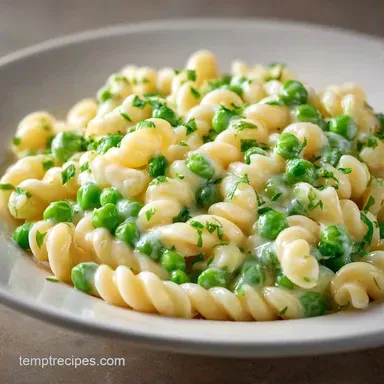
Classic Pasta E Piselli: Silky and Hearty
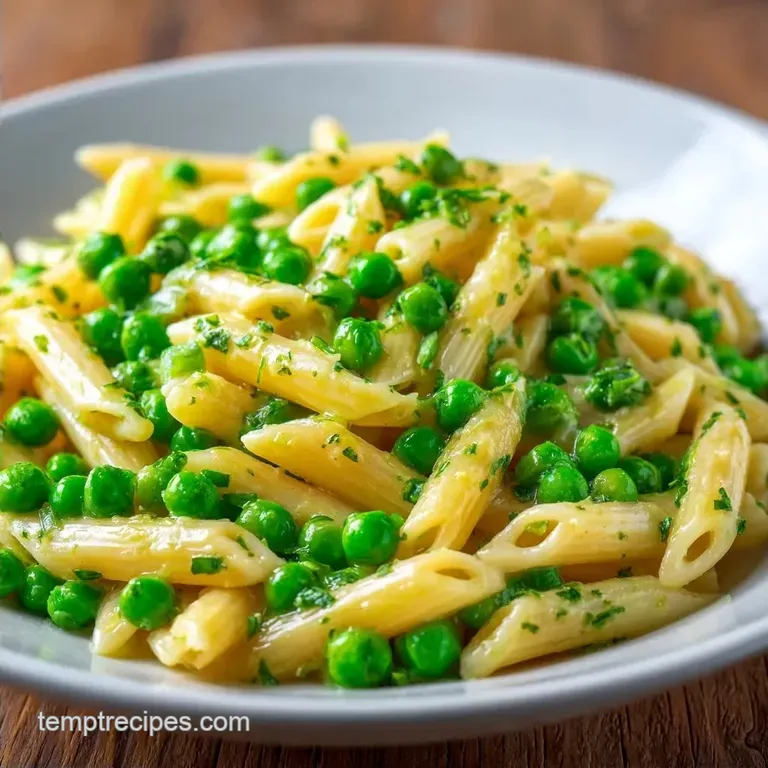
- Time: 5 min active + 25 min cook
- Flavor/Texture Hook: Velvety sauce with popping sweet peas
- Perfect for: Stress free weeknight comfort
Making Classic Pasta e Piselli
The smell of onions softening in olive oil always hits me first. It's that warm, savory aroma that tells me the house is about to smell like a kitchen in Naples. I remember the first time I tried this, I treated it like a standard pasta dish, boiling the noodles separately and tossing them in.
It was fine, but it lacked that soul, that thick, clingy sauce that makes the real version so hearty.
Once I started cooking the pasta right in the vegetable broth, everything changed. The starch doesn't get poured down the drain; it stays in the pot, bonding the peas and broth together. It turns a simple soup like dish into something that feels like a hug in a bowl.
You can expect a meal that's satisfying but doesn't leave you feeling weighed down. This Classic Pasta e Piselli is all about the balance between the sweetness of the peas and the salty punch of the Parmesan.
It's a quick win for those nights when you're exhausted but still want something that tastes like you spent hours over the stove.
Why the Sauce Thickens
- Starch Release: Cooking pasta in the broth allows amylose to leak out, naturally thickening the liquid without needing flour or cornstarch.
- Butter Emulsion: Stirring in cold butter at the end binds the fats with the starchy liquid, creating a glossy, velvety finish.
- Reduction Control: Simmering the broth by half concentrates the flavors and ensures the sauce clings to the pasta rather than pooling at the bottom.
- Cheese Binding: The proteins in Parmesan act as a stabilizer, helping the sauce hold its structure as it cools slightly.
| Method | Time | Texture | Best For |
|---|---|---|---|
| Fresh Peas | 30 mins | Pop in-your mouth | Springtime meals |
| Frozen Peas | 30 mins | Softer, uniform | Quick weeknights |
Component Analysis
| Ingredient | Science Role | Pro Secret |
|---|---|---|
| Ditalini Pasta | Starch Source | Use a small shape to maximize sauce surface area |
| Vegetable Broth | Hydration & Base | Use low sodium to control the salt levels |
| Parmesan Cheese | Emulsifier | Grate it yourself for a smoother melt |
| Unsalted Butter | Fat/Gloss | Add it off the heat to prevent the sauce from breaking |
What You'll Need
For this recipe, we're keeping things simple. You don't need fancy imports, just a few staples you probably already have in the pantry.
- 2 tbsp extra virgin olive oil Why this? Adds a fruity base note.
- 1 medium yellow onion, finely diced Why this? Provides a sweet, aromatic foundation.
- 2 cloves garlic, minced Why this? Adds a sharp, savory punch.
- 1/2 tsp salt Why this? Enhances all other flavors.
- 1/4 tsp black pepper Why this? Adds a subtle warmth.
- 1 cup frozen or fresh peas Why this? Brings sweetness and color.
- 10 oz ditalini or small shells pasta Why this? Small shapes catch the sauce perfectly.
- 4 cups vegetable broth Why this? Creates a savory cooking liquid.
- 1/2 cup grated Parmesan cheese Why this? Adds salt and creaminess.
- 1 tbsp unsalted butter Why this? Gives the sauce a professional sheen.
- Fresh parsley, chopped Why this? Cuts through the richness with freshness.
Ingredient Swaps
| Original Ingredient | Substitute | Why It Works |
|---|---|---|
| Ditalini Pasta | Orzo | Similar size, but results in a more risotto like texture |
| Vegetable Broth | Chicken Broth | More depth, though no longer vegetarian |
| Parmesan | Pecorino Romano | Saltier and tangier, very traditional |
| Frozen Peas | Fresh Shelling Peas | More vibrant flavor, but requires more prep time |
If you're looking for something even quicker, my pasta with green pea sauce is another great way to get your greens in. But for the comfort of a stew like consistency, stay with this Classic Pasta e Piselli.
Equipment Needed
You really only need one pot for this. I prefer a deep skillet or a Dutch oven because the wide base allows the broth to reduce more evenly. If you use a narrow pot, it'll take longer for the liquid to evaporate, and you might end up with overcooked pasta before the sauce is thick.
A sturdy wooden spoon or silicone spatula is a must. You'll be doing some vigorous stirring at the end to get that emulsion just right. Also, a fine grater for the Parmesan makes a huge difference.
Pre shredded cheese is coated in potato starch to prevent clumping, which can make your sauce feel grainy instead of silky.
Bringing It Together
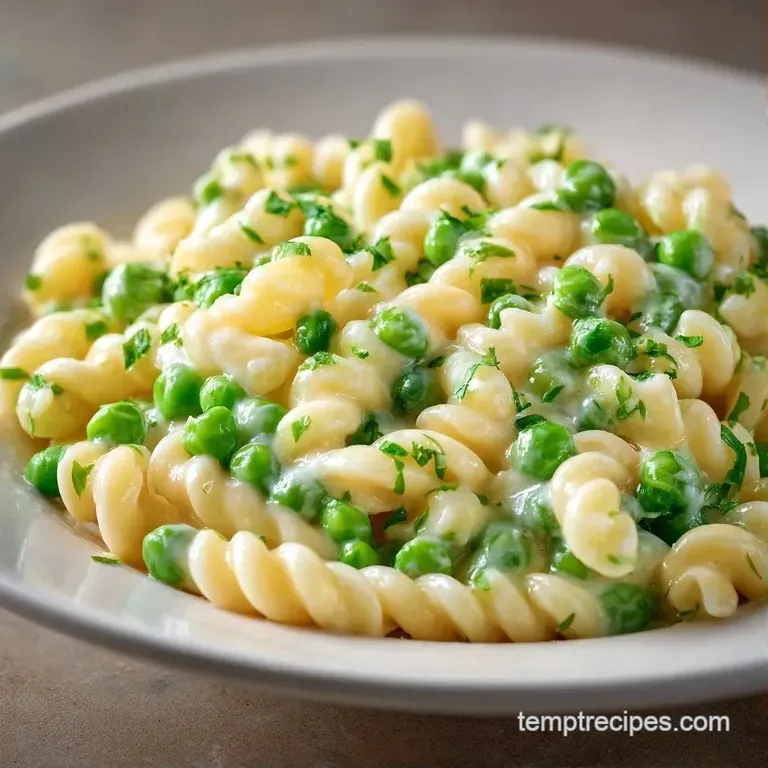
Right then, let's get cooking. Make sure your broth is ready to go so you aren't scrambling while the garlic is browning.
- Heat olive oil in a deep skillet or Dutch oven over medium heat. Add diced onion and sauté until translucent and fragrant, about 5 minutes.
- Stir in minced garlic and cook for 60 seconds until you can smell it clearly but it hasn't browned.
- Add peas to the pot and toast briefly for 2 minutes. Note: This wakes up the flavor of frozen peas.
- Pour in vegetable broth and bring to a rolling boil.
- Add pasta and reduce heat to a simmer. Stir occasionally to prevent sticking, cooking until the liquid has reduced by half and the pasta is al dente, about 10-12 minutes.
- Remove from heat. Vigorously stir in unsalted butter and grated Parmesan cheese until a thick, glossy sauce forms.
- Fold in chopped fresh parsley and serve immediately.
Chef's Note: Don't be tempted to add more water if it looks thick. That thickness is exactly what we want. If you overdo the liquid, you'll lose the "pasta" feel and end up with a pea soup.
Avoiding Kitchen Disasters
The biggest worry with a one pot pasta is the texture. Since the pasta is absorbing the broth, there's a narrow window between "perfectly al dente" and "mushy".
Troubleshooting Common Issues
| Issue | Solution |
|---|---|
| Why Your Pasta Is Mushy | This usually happens if the heat is too high during the simmer or if you used a pasta shape that cooks too quickly. If you use very thin noodles, they'll disintegrate before the broth reduces. |
| Why Your Sauce Is Grainy | Graininess comes from two things: pre shredded cheese or overheating the cheese. If you boil the Parmesan, the proteins clump. |
| Why Your Dish Is Bland | If it tastes flat, you likely need a pinch more salt or a squeeze of lemon juice. Peas are naturally sweet, and without enough salt to balance them, the dish can feel one dimensional. |
Common Mistakes Checklist
- ✓ Avoid using a pot that is too narrow.
- ✓ Grate your own Parmesan cheese.
- ✓ Don't add the cheese while the pot is still boiling.
- ✓ Stir frequently to release the starch.
- ✓ Use the correct ratio of broth to pasta.
Creative Twists and Swaps
If you want to shift the flavor profile, you can easily tweak this Classic Pasta e Piselli. For a smoky depth, I love adding a teaspoon of smoked paprika or a bit of diced pancetta during the onion sauté. The saltiness of the pork pairs beautifully with the sweet peas.
For an earthy note, stir in some fresh thyme or a pinch of nutmeg. Nutmeg is a secret weapon in many Italian cream sauces and works wonders here. If you're craving something more indulgent, you could try a version similar to my millionaire gnocchi, perhaps by adding a splash of heavy cream before the Parmesan.
Decision Shortcut If you want it creamier → add 2 tbsp of mascarpone at the end. If you want it lighter → swap butter for a drizzle of lemon infused olive oil. If you want more protein → stir in some cooked shredded chicken or chickpeas.
| Adjustment | Impact | Note |
|---|---|---|
| Extra Garlic | Pungent | Use 4 cloves instead of 2 for a bolder taste |
| Red Pepper Flakes | Spicy | Add with the garlic for a gentle heat |
| Spinach Fold in | Nutritious | Add a handful of baby spinach in the last 2 mins |
Pasta Truths
There's a common belief that you must always salt your pasta water heavily and cook it separately. While that's true for a traditional spaghetti carbonara, it's actually a mistake for this recipe. By cooking the pasta in the broth, you're capturing all that flavor and starch.
Another myth is that frozen peas are inferior to fresh. Honestly, for a dish like Classic Pasta e Piselli, frozen peas are often better. They are flash frozen at peak ripeness, whereas "fresh" peas in the store can sometimes be mealy or bland depending on the season.
Preservation Secrets
This dish is best eaten immediately because the pasta continues to absorb liquid as it sits. If you store it in the fridge, it will turn into a thick block of pasta.
Storage GuidelinesFridge: Store in an airtight container for up to 3 days. Freezer: I don't recommend freezing this dish. The emulsion of butter and cheese will break, and the pasta will become mushy upon reheating.
Zero Waste Tips Don't throw away those onion skins or the ends of your parsley. I keep a bag in the freezer for veggie scraps, which I then simmer to make my own homemade vegetable broth. If you have leftover Parmesan rinds, toss them into the broth while the pasta simmers.
It adds a massive hit of umami that you just can't get from store-bought stock.
Serving Suggestions
Since this is such a hearty, comforting meal, you want sides that cut through the richness. A crisp arugula salad with a sharp lemon vinaigrette is the perfect partner. The bitterness of the greens balances the creamy sauce of the Classic Pasta e Piselli.
I also love serving this with a piece of toasted sourdough rubbed with a raw garlic clove. It's great for scooping up any leftover sauce at the bottom of the bowl. If you're feeling fancy, a sprinkle of fresh lemon zest on top right before serving wakes up the whole dish.
Right then, you've got everything you need. This is a stress free, one pot wonder that proves you don't need complex techniques to get a satisfying result. Just remember to stir that butter in vigorously at the end, and you're golden. Enjoy your meal!
Recipe FAQs
How does pasta with peas taste?
Savory, creamy, and slightly sweet. The saltiness of the Parmesan and vegetable broth balances the natural sweetness of the peas for a comforting flavor profile.
Can I use frozen peas instead of fresh?
Yes, frozen peas work perfectly. They maintain a bright color and a firm pop that holds up well during the simmering process.
Why is my pasta mushy?
The heat was likely too high during the simmer. Using a pasta shape that cooks too quickly can also cause the noodles to disintegrate before the broth reduces by half.
Why is the sauce grainy?
The Parmesan was likely overheated or pre-shredded. Boiling the cheese causes the proteins to clump together rather than melting smoothly into the sauce.
How to prevent the pasta from sticking to the pot?
Stir occasionally during the simmering stage. This keeps the ditalini or shells moving freely as the liquid evaporates.
Is it true that I need to boil the Parmesan to make the sauce thick?
No, this is a common misconception. You must remove the pot from the heat before vigorously stirring in the butter and cheese to create a thick, glossy emulsion.
What is the best way to serve this dish?
Serve immediately in warmed bowls. This pairs wonderfully with fresh bread; if you enjoy baking your own, try these sourdough discard rolls on the side.
Classic Pasta E Piselli