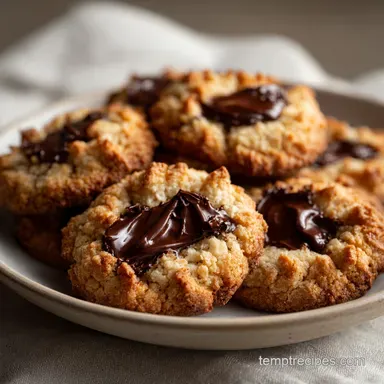
Brown Butter Sourdough Chocolate Chip Cookies
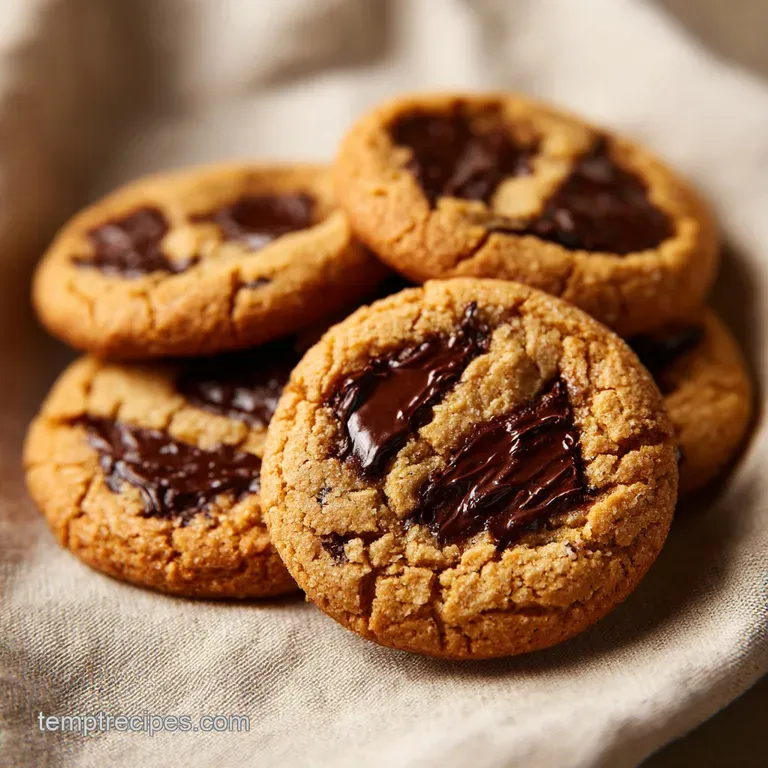
- Time: 20 min active + 2 hours chilling = Total 2 hours 32 mins
- Flavor/Texture Hook: Velvety centers with shatter crisp edges and a nutty, caramelized finish
- Perfect for: Using up your sourdough discard for a viral style dessert that impresses everyone
- Brown butter sourdough chocolate chip cookies
- The Secret To The Flavor
- Component Analysis
- What You'll Need
- Essential Kitchen Tools
- Key Steps To Success
- Avoiding Kitchen Disasters
- Troubleshooting Common Issues
- Mix It Up
- Scaling Guidelines
- Sourdough Truths
- Storage Guidelines
- Presentation Tips
- Recipe FAQs
- 📝 Recipe Card
That smell is the first thing that hits you. Not just "cookie smell," but that deep, toasted, hazelnut like aroma that happens when butter stops being just butter and starts becoming something complex. I remember the first time I tried adding discard to a brown butter base.
I was worried the tang would clash with the richness, but it actually cuts right through the fat, making the whole thing feel more balanced.
It's a quick win because you're using ingredients you probably already have sitting on your counter, including that jar of sourdough discard in the fridge. You get a bakery style result without needing a professional kitchen.
These brown butter sourdough chocolate chip cookies are all about that irresistible tug of-war between the salty, the sweet, and the slightly fermented.
Trust me, once you see those mahogany colored butter solids and feel the glossy texture of the emulsified dough, you'll never go back to the basic version. We're aiming for a cookie that's tender in the middle but has those golden, lacy edges that practically shatter when you bite into them. Let's crack on.
Brown butter sourdough chocolate chip cookies
The secret to these is the contrast. You've got the rich, heavy notes of the browned butter playing against the bright, lactic zip of the sourdough. It creates a flavor map that's far more interesting than a standard sugar cookie.
Imagine a velvety, fudgy center that almost melts, paired with a salt flecked exterior. It's that specific mix of sweet and savory that makes them feel high end. By using a high ratio of dark chocolate chunks, we keep the sweetness in check, allowing the nutty butter and sourdough to actually shine through.
Since we're using sourdough discard, we're also adding a bit of extra moisture and acidity. This doesn't just help with the flavor, it actually changes how the cookie bakes, giving it a more complex crumb and a better chew. It's the kind of treat that feels classic but has a modern, trend aware twist.
The Secret To The Flavor
I'm not a scientist, but after enough batches, I've noticed a few things that make this specific combo work. It's not just about mixing things together, it's about how those ingredients interact.
- The Nutty Depth: When you toast the butter, you're essentially frying the milk solids. This creates those toasted notes that make the cookie taste like a professional pastry chef made it.
- Taming the Sweetness: The lactic acid in the sourdough discard acts like a foil to the brown sugar. It prevents the cookies from being "one note" sweet and adds a sophisticated tang.
- The Texture Anchor: Cornstarch is the unsung hero here. It softens the proteins in the flour, ensuring the center stays tender and velvety even after they cool down.
- The Chill Factor: Resting the dough for 2 hours lets the flour fully hydrate and the fats solidify. This prevents the cookies from turning into flat puddles the second they hit the heat.
| Method | Prep Time | Texture | Best For |
|---|---|---|---|
| Fast (No Chill) | 20 minutes | Flatter, spread out | Immediate cravings |
| Classic (2hr Chill) | 2 hours 20 mins | Thick, chewy center | Maximum flavor & height |
Component Analysis
Before we get into the gear, let's look at why we're using these specific bits. Each one has a job to do to ensure the brown butter sourdough chocolate chip cookies come out right.
| Ingredient | Science Role | Pro Secret |
|---|---|---|
| Sourdough Discard | Adds tang & moisture | Use "room temp" discard for a smoother emulsion |
| Brown Butter | Deep flavor & fat | Don't stop at yellow; wait for mahogany brown |
| Cornstarch | Tenderizes crumb | Keeps the center soft for days |
| Dark Chocolate | Bitter contrast | Use chunks, not chips, for those molten pools |
What You'll Need
I've listed everything here in grams because, honestly, measuring flour with a cup is a gamble I'm not willing to take anymore. Use a digital scale if you have one.
- 113g unsalted butter Why this? Provides the base for browning and richness (Substitute: Salted butter, but omit added salt)
- 100g light brown sugar Why this? Adds molasses flavor and chewiness (Substitute: Dark brown sugar for more richness)
- 50g granulated sugar Why this? Helps create those crisp, lacy edges (Substitute: Coconut sugar)
- 1 large egg Why this? Binds everything together (Substitute: Flax egg, though texture will be denser)
- 80g sourdough discard Why this? Adds acidity and a unique fermented tang (Substitute: 70g Greek yogurt + 10g flour)
- 5ml vanilla extract Why this? Rounds out the sweetness (Substitute: Maple syrup)
- 250g all purpose flour Why this? Standard structure (Substitute: Bread flour for a chewier bite)
- 3g cornstarch Why this? Softens the texture (Substitute: Extra flour, but will be less tender)
- 3g baking soda Why this? Reacts with sourdough acid for lift (Substitute: 1 tsp baking powder)
- 3g sea salt Why this? Balances the sugar (Substitute: Kosher salt)
- 170g dark chocolate chunks Why this? High cocoa content cuts the sweetness (Substitute: Milk chocolate for a sweeter treat)
- 1g sea salt Why this? The finishing touch for a salty pop (Substitute: Coarse sugar)
Essential Kitchen Tools
You don't need a fancy lab, but a few things make this way easier. I usually use a stand mixer such as KitchenAid to get the emulsion just right, but a whisk and some elbow grease work too.
- Heavy bottomed saucepan: Essential for browning butter without burning it.
- Digital kitchen scale: For precision in grams.
- Whisk and spatula: For mixing and folding.
- Baking sheets and parchment paper: To prevent sticking.
- Cookie scoop: To keep the sizes consistent so they bake evenly.
Key Steps To Success
Right then, let's get into the actual making. Follow these steps closely, especially the browning phase, as that's where the magic happens.
- Brown the butter. Place butter in a saucepan over medium heat. Melt and continue cooking, stirring constantly, until the milk solids toast and become mahogany colored and smell like hazelnuts. Remove from heat immediately so it doesn't burn.
- Mix sugars. Whisk the browned butter with brown sugar and granulated sugar until smooth. Note: Make sure the butter isn't boiling hot or you'll melt the sugar too quickly.
- Add wet ingredients. Stir in the egg, sourdough discard, and vanilla extract. Whisk vigorously until the mixture is glossy and emulsified.
- Combine dry ingredients. Gently fold in the flour, cornstarch, baking soda, and sea salt using a spatula until no white streaks remain.
- Fold in chocolate. Stir in the dark chocolate chunks. Do this gently so you don't overwork the dough.
- The Big Chill. Transfer the dough to the refrigerator and chill for at least 2 hours. Note: This is the one step most people skip, but it's mandatory for the texture.
- Prep the oven. Preheat oven to 350°F (175°C). Scoop rounded tablespoons of dough onto parchment lined baking sheets.
- The Bake. Bake for 10–12 minutes until edges are golden and set, but centers remain slightly underbaked.
- The Finish. Immediately sprinkle a pinch of flaky sea salt on top while they're still hot.
Avoiding Kitchen Disasters
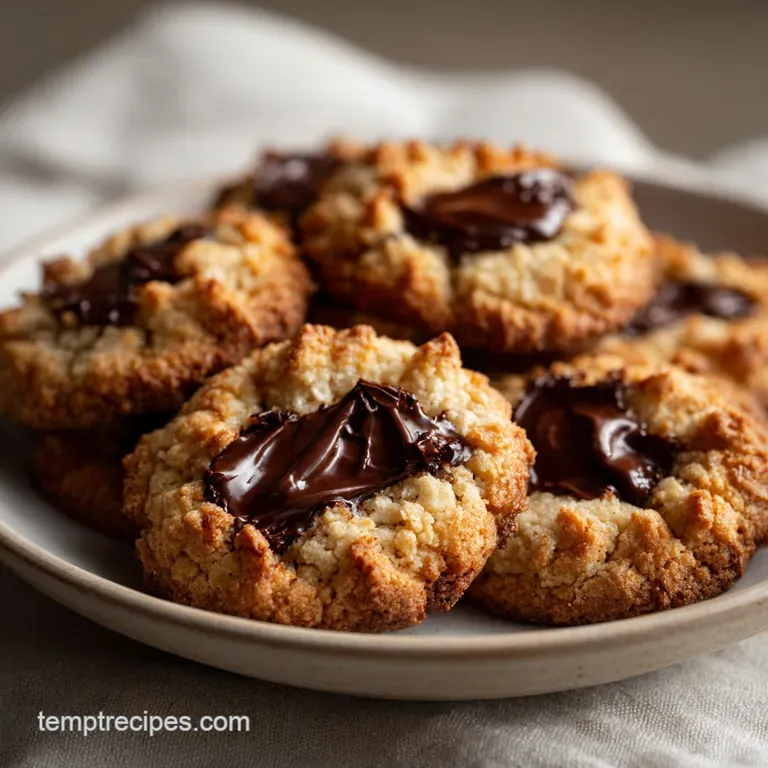
Cookies can be finicky. One minute they're perfect, the next they're flat discs or hard rocks. Most of the time, it's a temperature or mixing issue.
Troubleshooting Common Issues
| Issue | Solution |
|---|---|
| Why Your Cookies Spread Too Much | If your cookies are turning into one giant sheet on the pan, it's usually because the butter was too warm or the dough didn't chill long enough. When the fat is too soft, it melts before the flour str |
| Why Your Cookies Are Too Cakey | Over mixing the flour is the main culprit here. When you whisk too hard after adding the flour, you develop gluten, which is great for bread but terrible for a tender cookie. Fold the flour in just un |
| Why The Butter Burnt | Butter goes from "perfectly browned" to "burnt" in about 10 seconds. If you see the solids turning black instead of brown, it's gone. Start over and keep the heat at medium, stirring constantly. |
Common Mistakes Checklist:
- ✓ Checked that the oven was fully preheated to 175°C.
- ✓ Used a scale to measure flour instead of a cup.
- ✓ Chilled the dough for at least 120 minutes.
- ✓ Stopped mixing the moment flour streaks vanished.
- ✓ Pulled cookies out when centers still looked slightly soft.
Mix It Up
Once you've mastered these brown butter sourdough chocolate chip cookies, you can start playing with the flavors. This base is incredibly versatile.
Flavor Twists
- The Nutty Route: Add 50g of toasted pecans or walnuts along with the chocolate.
- The Zesty Route: Grate a bit of orange zest into the sugar mixture for a bright, citrusy note.
- The Double Down: If you're in a sourdough mood, try making my Sourdough Peanut Butter Cookies recipe for a different kind of chew.
Diet Swaps - gluten-free: Use a 1:1 GF baking flour blend. Note: The texture will be slightly more fragile, so chill the dough for an extra hour. - dairy-free: Use a high-quality vegan butter stick.
Note: It won't brown exactly like dairy butter, so you'll lose some of that hazelnut depth.
If you have leftover sourdough discard and want something more breakfast oriented, you should definitely try Rolls in 30 Minutes recipe next.
Scaling Guidelines
Sometimes 19 cookies aren't enough. Whether you're baking for a crowd or just for yourself, here is how to adjust.
Scaling Down (½ Batch) When cutting the recipe in half, the trickiest part is the egg. Crack one egg into a bowl, whisk it well, and use exactly half by weight.
Use a smaller baking sheet and reduce the bake time by about 1-2 minutes since smaller batches can sometimes heat up faster in the oven.
Scaling Up (2x-4x Batch) If you're quadrupling this, don't just multiply the salt and baking soda by four. Increase those to 3x or 3.5x only, as too much leavening can make the cookies taste metallic.
Work in batches; don't try to crowd 80 cookies onto one tray, or the oven temperature will drop, and they won't brown properly. For large batches, lower the oven temp by about 15°C and extend the time by 2-3 minutes to ensure the centers cook through.
Sourdough Truths
There are a few things people get wrong about using discard in sweets. Let's clear those up.
Myth: Discard makes cookies taste like bread. Not at all. In a sweet dough with brown butter and chocolate, the discard just adds a subtle, tangy complexity. It tastes more like a high end butter cookie than a loaf of sourdough.
Myth: You have to use "active" starter. Nope. This recipe specifically calls for discard. Since we're using baking soda for the primary lift, the fermentation level of your starter doesn't matter.
Myth: Sourdough cookies take longer to bake. They actually bake similarly to standard cookies. The difference is in the moisture content, which is why the 2 hour chill is so important to prevent spreading.
Storage Guidelines
To keep these tasting fresh, you have to be smart about how you store them.
Storage Keep them in an airtight container at room temperature for up to 5 days. If you want them to stay velvety, put a piece of parchment paper between layers. In the fridge, they'll last 10 days, but you'll want to pop them in the microwave for 10 seconds to soften the butter back up.
Freezing You can freeze the baked cookies for up to 3 months. Even better, freeze the raw dough balls. Just bake them straight from the freezer, adding 2 minutes to the cook time.
Zero Waste Tips Since we're using sourdough discard, you're already saving flour. If you have discard that's too old or too acidic, don't toss it! You can use it as a thickener for stews or in savory pancake batters.
Presentation Tips
We eat with our eyes first, and these cookies look as good as they taste.
To get that "viral" look, press a few extra chocolate chunks into the top of the dough balls immediately after they come out of the oven. It fills in any gaps and gives you those stunning, glossy pools of chocolate.
Always use a cookie scoop for uniform size, but if you want a more "rustic" feel, roll them by hand into slightly irregular spheres. The key is the flaky sea salt on top - it provides a visual contrast against the dark chocolate and tells the eater that there's a balance of flavors inside.
Serve them on a wooden board with a glass of cold milk for the classic experience.
Recipe FAQs
Do I need a mature sourdough starter for this recipe?
No, you only need sourdough discard. The discard provides the characteristic tang and moisture without requiring an active, bubbly starter.
Why are my cookies spreading too much in the oven?
Your butter was likely too warm or the dough didn't chill long enough. Ensure the dough rests in the refrigerator for at least 2 hours to keep the fat solid.
Why did my cookies turn out cakey instead of chewy?
You likely overmixed the flour. Fold dry ingredients in gently to avoid developing gluten. If you enjoyed mastering texture control here, see how the same principle works in our chocolate snowball cookies.
How to store these cookies for maximum freshness?
Place them in an airtight container at room temperature. Use parchment paper between layers to keep them velvety for up to 5 days.
Can I freeze the raw dough balls?
Yes, they freeze well for up to 3 months. Bake them directly from the freezer, adding 2 minutes to the standard 10 12 minute cook time.
Is it true that I should whisk the flour vigorously to get a smooth dough?
No, this is a common misconception. Whisking too hard creates a cakey texture; gently fold the flour, cornstarch, baking soda, and sea salt until no white streaks remain.
How to brown the butter without burning it?
Cook the butter over medium heat, stirring constantly. Remove it from the heat immediately once the milk solids become mahogany colored and smell like hazelnuts.
Brown Butter Sourdough Cookies