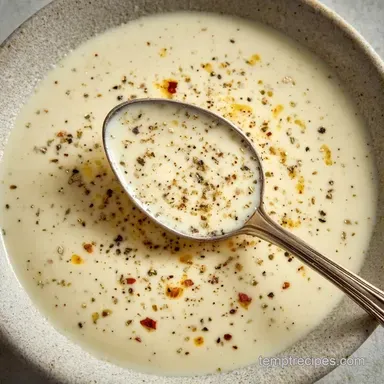
White Parmesan Cream Sauce: Silky and Savory
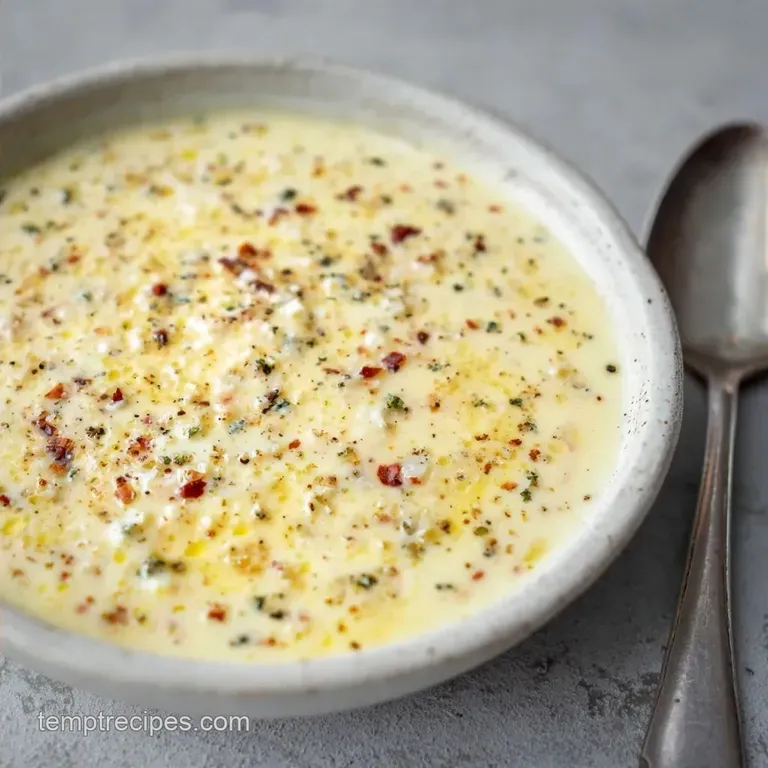
- Time: 5 min active + 10 min cook
- Flavor/Texture Hook: Silky, salty, and deeply savory
- Perfect for: Weeknight pasta, steamed veg, or a quick chicken drizzle
- Simple Parmesan Cream Sauce Tips
- Component Analysis
- Shopping List Breakdown
- Must Have Kitchen Tools
- Step-by-Step Cooking Process
- Fixing Common Sauce Errors
- Smart Ingredient Swaps
- Adjusting the Batch Size
- Debunking Kitchen Myths
- Storing Your Leftover Sauce
- Serving and Plating Ideas
- Recipe FAQs
- 📝 Recipe Card
The smell of garlic hitting hot butter is, for me, the official scent of "dinner is happening." I remember a Tuesday a few years back when I was absolutely exhausted and staring at a half empty fridge. I had a block of cheese, some heavy cream, and a splash of white wine left over from the weekend.
I just threw them in a pan and hoped for the best.
That random experiment turned into the most satisfying meal of my month. I realized that you don't need a fancy French technique to get a sauce that clings to pasta perfectly. You just need a few specific steps to keep the fats from separating.
This Parmesan Cream Sauce is all about that balance of rich cream and the sharp tang of aged cheese. It’s the kind of comfort food that feels like a hug in a bowl, but it's fast enough that it doesn't feel like a chore to make on a school night.
Simple Parmesan Cream Sauce Tips
The Fat Bind: Butter and cream create a stable base that holds the cheese in suspension, stopping it from clumping.
The Wine Cut: A bit of acidity from the wine breaks through the heavy fat, making the sauce taste bright instead of just "heavy."
The Heat Limit: Keeping the cheese addition to low heat prevents the proteins from tightening and squeezing out the fat.
The Reduction Step: Simmering the cream first concentrates the flavor and thickens the texture naturally.
| Method | Time | Texture | Best For |
|---|---|---|---|
| This Fast Version | 15 mins | Silky & Light | Quick weeknight dinners |
| Classic Béchamel | 30 mins | Thick & Heavy | Lasagna or Casseroles |
| Emulsion (Butter/Water) | 10 mins | Thin & Glossy | High end seafood |
Component Analysis
| Ingredient | Science Role | Pro Secret |
|---|---|---|
| Heavy Cream | Fat Base | Use room temp cream to prevent splitting |
| Parmesan | Thickener/Salt | Grate it yourself for a smoother melt |
| Dry White Wine | Acidity | Use what you'd actually drink |
| Garlic | Aromatic | Sauté just until translucent, never brown |
Shopping List Breakdown
For this recipe, quality matters because there are so few ingredients. I always go for a decent block of Parmigiano Reggiano if it's on sale. Shred the parmesan directly from the block for the best results. Pre shredded cheese is coated in anticaking agents, which prevents it from melting smoothly and can leave your sauce feeling gritty.
- 4 tbsp (57g) unsalted butter Why this? Provides a nutty base and carries the garlic flavor
- 3 cloves (15g) garlic, minced Why this? Adds a pungent, savory depth
- 1.5 cups (360ml) heavy cream Why this? High fat content ensures a velvety finish
- 1 cup (100g) parmesan cheese, freshly grated Why this? The primary flavor and natural thickener
- 0.5 tsp (3g) salt Why this? Enhances all other flavors
- 0.25 tsp (1g) black pepper, freshly cracked Why this? Adds a subtle woody heat
- 2 tbsp (30ml) dry white wine Why this? Cuts through the richness
- 1 tbsp (4g) fresh parsley, chopped Why this? Fresh green contrast to the white sauce
| Original Ingredient | Substitute | Why It Works |
|---|---|---|
| Heavy Cream | Half and Half | Lighter feel. Note: Result is thinner; simmer 2 mins longer |
| Dry White Wine | Lemon Juice (1 tbsp) | Provides needed acidity. Note: Much sharper flavor |
| Unsalted Butter | Olive Oil | Plant based fat. Note: Loses the buttery richness |
| Parmesan | Pecorino Romano | Similarly salty. Note: Much more "sheepy" and pungent |
Must Have Kitchen Tools
You don't need much, but a wide skillet is better than a deep pot. A wider surface area lets the cream reduce faster. I usually use a 10 inch stainless steel pan, but non stick works fine too.
The most important tool is a whisk. You can use a spoon, but a whisk helps break up any cheese clumps instantly. If you're feeling fancy, a microplane for the cheese is a lifesaver.
Step-by-step Cooking Process
Place the butter in a skillet over medium heat. Once melted and bubbling, add the minced garlic and sauté for 30-60 seconds until fragrant and translucent. Note: Don't let the garlic brown or it will taste bitter.
Pour in the heavy cream and dry white wine. Increase heat slightly to bring the mixture to a gentle simmer.
Let the liquid bubble softly for 3-5 minutes, stirring occasionally, until the liquid reduces slightly and thickens. You'll see the bubbles get larger and slower.
Turn the heat down to low. This is the most important part. If the pan is too hot, the cheese will break.
Gradually whisk in the freshly grated Parmesan cheese one handful at a time.
Stir constantly until the cheese is completely melted and the sauce is cohesive and velvety.
Stir in salt and black pepper to taste. Taste it first, as some parmesan is saltier than others.
Garnish with chopped fresh parsley before serving.
Chef's Tip: If you want a deeper flavor, add a pinch of freshly grated nutmeg. It doesn't make it taste like dessert, but it makes the cream taste "rounder."
Fixing Common Sauce Errors
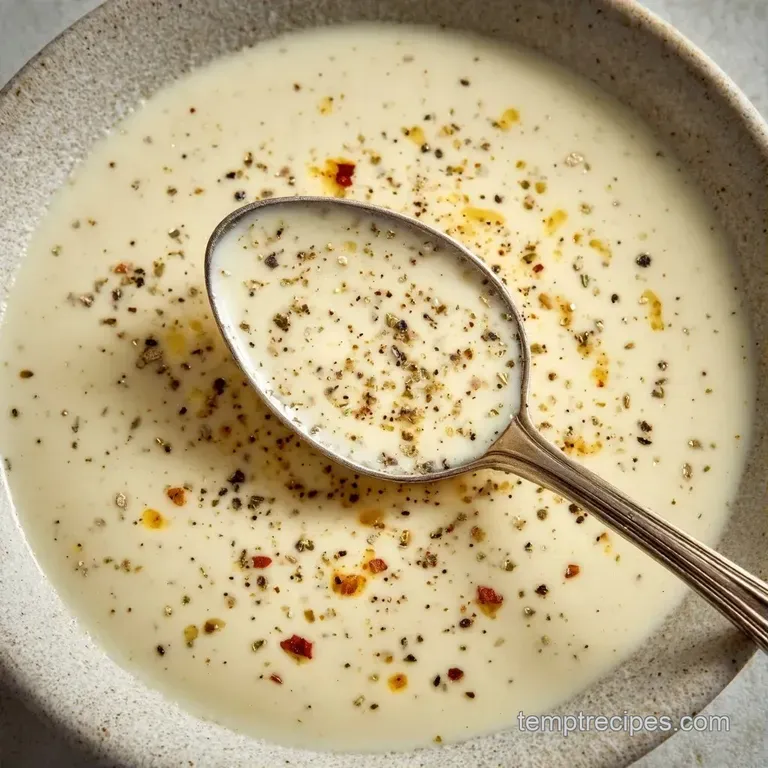
When a sauce doesn't go to plan, it's usually a temperature issue. Most people panic when they see oil separating from the cream, but it's usually fixable.
Why Your Sauce Separates
This happens when the heat is too high, causing the fat to break away from the water based liquids. It looks like little yellow oil beads floating on top. To fix this, remove the pan from the heat and whisk in a tablespoon of warm water or pasta water.
Why Your Sauce Is Lumpy
Lumps usually come from using pre shredded cheese or dumping the cheese in all at once. If you've already got lumps, don't keep boiling it. Instead, use a handheld immersion blender for 10 seconds to smooth it out.
Adjusting the Thickness
If it's too thin, simmer it for another 2 minutes before adding the cheese. If it's too thick, simply whisk in a splash of milk or pasta water until it reaches the right consistency.
| Problem | Root Cause | Solution |
|---|---|---|
| Grains in sauce | Pre shredded cheese | Use block cheese next time; strain through sieve |
| Bitter taste | Burnt garlic | Start over; keep garlic sauté short |
| Too salty | Too much parmesan | Add a splash more cream or a squeeze of lemon |
Common Mistakes Checklist
- ✓ Avoided using pre shredded cheese
- ✓ Kept heat on "low" when adding parmesan
- ✓ Simmered cream before adding cheese
- ✓ Sautéed garlic for under 60 seconds
- ✓ Whisked constantly during cheese integration
Smart Ingredient Swaps
If you're looking for a different vibe, you can easily tweak this. For something a bit more punchy, you can look at a Creamy Garlic Pasta Sauce which leans harder into the aromatics.
For a Gourmet Twist Use a White Wine Garlic Parmesan Cream Sauce by increasing the wine to 4 tablespoons and adding a touch of shallot to the butter. This makes it a great pairing for seared scallops.
For a Bright Twist Add 1 teaspoon of lemon zest and a squeeze of fresh lemon juice at the very end. This cuts through the richness and makes it feel like a spring dish.
Dairy Swaps For a lighter version, you can use evaporated milk instead of heavy cream. It will be less velvety but still satisfyingly creamy.
Gluten-free Status This recipe is naturally gluten-free since it uses reduction rather than a flour based roux.
Adjusting the Batch Size
When you're cooking for a crowd, don't just multiply everything blindly. Fats and liquids behave differently in larger volumes.
Scaling Down (Half Batch) Use a smaller 8 inch skillet. Reduce the simmering time by about 20% because the smaller volume of cream evaporates faster. I recommend beating one egg yolk into the sauce at the end for extra richness if you're making a tiny portion.
Scaling Up (Double or Triple Batch) Increase the butter and cream linearly, but only increase the salt and pepper to 1.5x the original amount. Taste as you go. I suggest working in batches if you don't have a massive pan, as overcrowding the skillet can lead to uneven heating and potential clumping.
| Batch Size | Pan Suggestion | Heat Adjustment | Liquid Adjustment |
|---|---|---|---|
| 1/2 Batch | 8 inch skillet | Slightly lower | Standard ratio |
| Double Batch | 12 inch skillet | Medium low | Reduce wine by 10% |
| Triple Batch | Large Dutch Oven | Low and slow | Reduce wine by 15% |
Debunking Kitchen Myths
Some people think you need to add flour to every cream sauce to make it thick. That's not true. Reduction is a much cleaner way to thicken, and it lets the flavor of the Parmesan shine through without a "pasty" aftertaste.
Another myth is that you should boil the cheese to ensure it melts. Actually, boiling cheese is the fastest way to ruin it. High heat causes the proteins to clump and the fat to leak, leaving you with a grainy mess.
Storing Your Leftover Sauce
This sauce stays good in the fridge for about 3 to 4 days. Store it in an airtight glass jar. Since it's high in fat, it will thicken significantly in the cold.
When you're ready to use it again, don't microwave it on high. Heat it on the stovetop over low heat, adding a teaspoon of water or milk to loosen it up. If you have extra and want to use it for something else, it's incredible over Millionaire Gnocchi or as a dip for roasted cauliflower.
For zero waste, don't toss the leftover parsley stems. Chop them finely and throw them into a vegetable stock or use them to flavor the butter at the start of your next batch.
Serving and Plating Ideas
To get that professional look, don't just pour the sauce on top of the pasta. Toss the pasta in the skillet with the sauce for about 30 seconds. This allows the starch from the pasta to bind with the Parmesan Cream Sauce, creating a glossy coating.
Serve in warmed bowls to keep the sauce from thickening too quickly. I love adding a final crack of black pepper and a few extra shavings of parmesan on top for texture. If you're serving it with chicken or fish, drizzle the sauce around the protein rather than covering it completely, so you can still see the sear on the meat.
Honestly, this is the most reliable way to get a rich, comforting meal on the table without spending all night in the kitchen. Once you get the hang of the over low heat cheese whisking, you can make this in your sleep. Just keep it simple, use real cheese, and enjoy the richness.
Recipe FAQs
How do I make parmesan cream sauce?
Sauté minced garlic in melted butter, then simmer heavy cream and white wine for 3-5 minutes before whisking in grated parmesan over low heat.
Is parmesan cream sauce the same as alfredo sauce?
No, they are different. While similar, this version incorporates dry white wine and heavy cream to create a more complex, acidic balance than a traditional alfredo.
What is a white sauce with heavy cream and Parmesan cheese?
It is a cream based emulsion. This sauce uses the fat from butter and cream to suspend the proteins in the parmesan, resulting in a velvety texture.
How do you cook pasta with cream sauce?
Toss cooked pasta directly into the skillet. Stir the noodles into the simmering sauce until they are fully coated before garnishing with fresh parsley.
How to make a creamy pasta sauce with broccoli or kale?
Sauté the vegetables first before adding the cream and wine. If you enjoy this method, see how the same technique is used in our brocoletti pasta.
How do I reheat leftover sauce?
Warm it on the stovetop over low heat. Add a teaspoon of water to loosen the consistency, as the high fat content causes it to thicken in the fridge.
Is it true that the sauce grains because of the cheese brand?
No, this is a common misconception. Graining usually occurs when the sauce is too hot; always reduce the heat to low before whisking in the parmesan.
Parmesan Cream Sauce in 15 Minutes