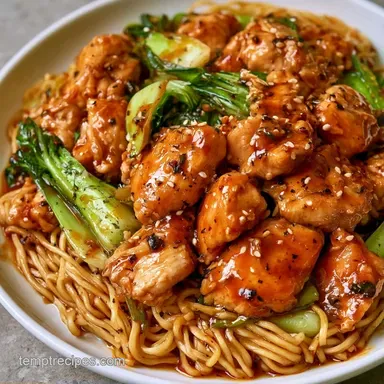
Better-Than-Takeout Chicken Bok Choy Noodles
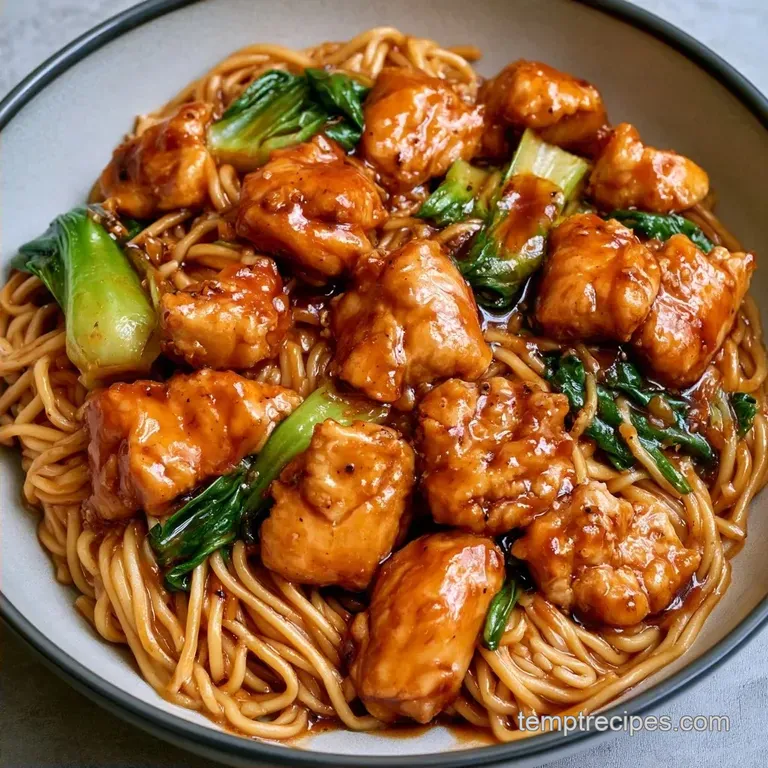
- Time: 10 min prep + 15 min cook
- Flavor/Texture Hook: Glossy ginger soy glaze with snap crisp stalks
- Perfect for: Stress free weeknight dinner
Ever wondered why takeout noodles always have that glossy sheen that refuses to be replicated at home? You bring them home and they're often a clumped, lukewarm mess, but the flavor is usually spot on. I used to think you needed a high pressure industrial burner to get that specific look and feel.
But it turns out it's less about the heat and more about how you treat the ingredients. I spent a long time making these too wet, essentially boiling my chicken in its own sauce, which is the opposite of what you want.
The goal here is a hearty, satisfying meal that doesn't require a professional setup. These Chicken Bok Choy Noodles deliver that restaurant style glaze using simple pantry staples and a few timing tricks.
Reasons Home Versions Fail
Staggered Cooking: Bok choy stalks are dense while leaves are thin, so adding them at different times prevents the leaves from turning to mush.
Cornstarch Velveting: Tossing the chicken in cornstarch and soy sauce creates a barrier that keeps the meat tender and helps the sauce stick.
Noodle Timing: Adding pre cooked noodles at the very end ensures they absorb the sauce without becoming gluey.
| Noodle Type | Cook Time | Texture | Best For |
|---|---|---|---|
| Dried Egg Noodles | 5-8 mins (boil) | Firm, traditional | Meal prep |
| Fresh Lo Mein | 1-2 mins (boil) | Soft, chewy | Quick dinners |
| Rice Noodles | 3-5 mins (soak) | Slippery, light | gluten-free |
Quick Recipe Specs
This dish is ready in just 25 minutes. Because the preparation is mostly chopping, it is an easy way to put a high protein dinner on the table. It serves 4 people and uses one large pan to keep cleanup to a minimum.
Essential Ingredients List
| Ingredient | What It Does | Best Swap |
|---|---|---|
| Chicken Breast | Provides lean protein | Chicken thighs (more flavor, more fat) |
| Cornstarch | Thickens sauce and tenderizes meat | Arrowroot powder (1:1 ratio) |
| Soy Sauce | Adds salt and umami | Tamari or Coconut Aminos (GF) |
| Baby Bok Choy | Adds crunch and nutrients | Napa cabbage or Swiss chard |
For the Meat
- 1 lb chicken breast, thinly sliced into bite-sized strips
- 1 tbsp soy sauce
- 1 tbsp cornstarch Why this? Creates the "velveting" effect for tender meat
- 1 tsp toasted sesame oil
For the Glaze
- 1/4 cup soy sauce
- 2 tbsp brown sugar Why this? Balances the salt and helps the glaze caramelize
- 1 tbsp rice vinegar
- 1 tsp grated fresh ginger
- 2 cloves garlic, minced
- 1 tsp cornstarch
The Main Components
- 8 oz dried egg noodles
- 1 lb baby bok choy, ends trimmed and quartered lengthwise
- 2 tbsp neutral oil
- 2 green onions, thinly sliced
- 1 tsp toasted sesame seeds
Needed Kitchen Tools
You don't need an expensive wok to make Chicken Bok Choy Noodles. A large stainless steel or non stick skillet works just fine. I prefer a wide pan because it allows the chicken to sear in a single layer rather than steaming in a crowd.
You'll also need a small bowl for the sauce and a colander for the noodles. If you have a microplane, use it for the ginger to avoid any woody chunks in the final dish.
Bringing It All Together
Phase 1: The Mise en Place
In a small bowl, whisk together the 1/4 cup soy sauce, brown sugar, rice vinegar, grated ginger, minced garlic, and 1 tsp cornstarch. Stir until the sugar and cornstarch are completely dissolved.
Coat the sliced chicken with 1 tbsp soy sauce, 1 tbsp cornstarch, and 1 tsp toasted sesame oil. Let this marinate for 5 to 10 minutes. In the meantime, boil the egg noodles according to the package directions, drain them, and set them aside.
Phase 2: Searing for Texture
Heat 1 tbsp neutral oil in your skillet over medium-high heat. Wait until the oil is shimmering, then add the chicken in a single layer.
Allow the meat to sear undisturbed for 2 minutes until a golden brown crust forms. Stir-fry for another 2 to 3 minutes until the chicken is opaque and velvety. Remove the chicken from the pan and set it on a plate.
Phase 3: The Flash Fry and Finish
Add the remaining 1 tbsp oil to the same pan and toss in the bok choy stalks. Stir-fry for 60 seconds until they just start to soften.
Add the bok choy leaves and the cooked noodles. Toss them together for about a minute until the leaves begin to wilt. Return the seared chicken to the pan and pour in the prepared stir-fry sauce.
Toss everything over high heat for 1 to 2 minutes until the sauce thickens into a glossy glaze and coats the noodles evenly. Garnish with toasted sesame seeds and sliced green onions.
Fixing Common Glitches
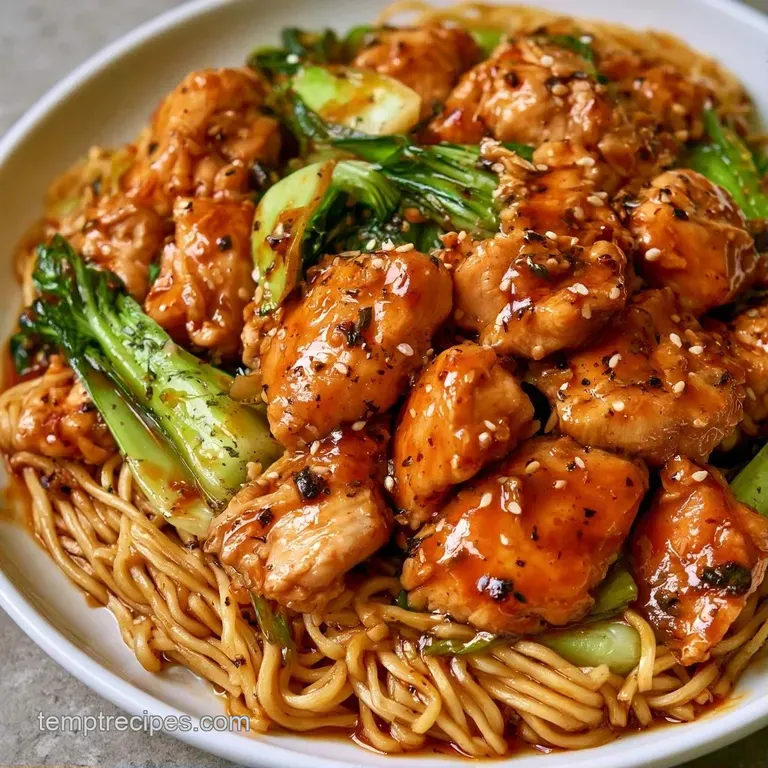
The Sauce is Too Thin
If the glaze is running to the bottom of the bowl instead of sticking to the noodles, you likely didn't use enough cornstarch or didn't hit a high enough heat. You can fix this by whisking 1 tsp of cornstarch with 1 tbsp of water and stirring it into the pan for 30 seconds.
The Chicken is Steaming
When you crowd the pan, the chicken releases moisture and boils in its own juices rather than searing. This results in grey, rubbery meat. Always cook the chicken in batches if your pan is small.
The Noodles are Overcooked
Adding noodles to the pan after they've already been boiled to softness can make them mushy. Undercook your noodles by about 1 minute of the package instructions so they finish cooking in the sauce.
| Problem | Root Cause | Solution |
|---|---|---|
| Soggy Bok Choy | Added leaves too early | Cook stalks first, then leaves |
| Clumpy Noodles | Not tossed in oil/sauce | Stir constantly during final glaze |
| Bland Flavor | Sauce didn't reduce | Simmer on high for 60 seconds more |
Dietary Adaptation Options
For a low carb version, swap the egg noodles for zucchini noodles or spaghetti squash. If you do this, don't boil the "noodles" first. Toss them in at the same time as the bok choy leaves so they stay firm.
If you want a plant based meal, replace the chicken with extra firm tofu. Press the tofu to remove water, cube it, and use the same marinade. For those who want more heat, add a teaspoon of sriracha or red pepper flakes to the sauce.
If you're feeling adventurous, you can try a peanut sauce version to give these Chicken Bok Choy Noodles a creamier, nuttier profile.
| Ingredient | Budget Option | Impact | Savings |
|---|---|---|---|
| Chicken Breast | Chicken Thighs | More flavor, slightly more fat | $1-2 per lb |
| Fresh Ginger | Ground Ginger | Less zing, more subtle | $0.50 per dish |
| Baby Bok Choy | Napa Cabbage | Less crunch, more volume | $1-3 per lb |
Adjusting the Portions
To adjust this for two servings, opt for a smaller pan so the sauce doesn't dry out too fast. Cut the noodle cooking time by roughly 20% to ensure they don't overcook.
When making a double batch for more guests, avoid doubling the oil; instead, use 1.5x the amount and brown the chicken in two separate batches. Overcrowding the pan with 2 lbs of meat will prevent a proper sear, resulting in steamed chicken. Double every sauce ingredient, but monitor the consistency carefully.
Kitchen Myths
Searing meat doesn't actually "seal in juices." Despite the common myth, liquid is lost during cooking no matter your method. For these Chicken Bok Choy Noodles, we sear the chicken to develop a deep, savory flavor through browning, not to lock in moisture.
It is also a misconception that a wok is required for stir-frying. While woks are excellent for heat distribution, any heavy-bottomed skillet will work. The secret lies in the heat level and the amount of oil, rather than the shape of the pan.
Keeping Everything Fresh
Keep any remaining portions in a tightly closed container in the refrigerator for up to 72 hours. Since the noodles continue to soak up the sauce over time, you may notice the dish is thicker when you go to reheat it.
To warm it up, stir in a bit of water or chicken broth in a pan over medium heat. This thins out the sauce and restores its glossy shine. I suggest avoiding the freezer for this recipe, as the bok choy loses its structure and becomes soggy after thawing.
To minimize waste, keep the tougher outer bok choy leaves in a freezer bag to use later in a soup or vegetable stock. You can also chop up the green onion stems and freeze them for your next stir fry.
Best Pairing Ideas
While these noodles are plenty on their own, adding steamed edamame or a refreshing cucumber salad brings a nice touch of brightness. If you're looking for extra greens, a serving of soy sauce bok choy is a great way to round out the meal.
For a heartier option, pair the dish with steamed jasmine rice. The rice is ideal for soaking up every bit of the remaining ginger soy glaze.
You're all set to whip up these tasty Chicken Bok Choy Noodles. It's a comforting, filling meal that proves you can achieve great results without fancy equipment. Just keep your pan hot and add your vegetables in stages for the perfect finish.
Critical Sodium Level
1420 mg 1,420 mg of sodium per serving (62% 62% of daily value)
The American Heart Association recommends a daily limit of no more than 2,300 mg of sodium, and an ideal limit of 1,500 mg for most adults.
Tips to Reduce Sodium
-
Swap for Low-Sodium Soy Sauce-30%
Replace the regular soy sauce in both the marinade and sauce with low-sodium soy sauce or coconut aminos.
-
Reduce Soy Sauce Volume-20%
Cut the 1/4 cup of soy sauce in the sauce mixture down to 2 tablespoons and balance the flavor with extra rice vinegar.
-
Select Low-Sodium Noodles-10%
Check the labels on your dried egg noodles and choose a low-sodium version or substitute with brown rice noodles.
-
Enhance Aromatics
Double the amount of fresh ginger and minced garlic to provide a punch of flavor that compensates for less salt.
Recipe FAQs
What sauce goes best with chicken and noodles?
A blend of soy sauce, brown sugar, rice vinegar, ginger, and garlic creates a savory, glossy glaze.
Tip: whisk the cornstarch into the sauce before cooking to ensure it thickens instantly in the pan.
Is it true that bok choy always turns mushy in noodles?
That's a myth. Staggering the cooking times for the stalks and leaves keeps the vegetable crisp.
Tip: stir-fry the denser stalks for 60 seconds before adding the thinner leaves.
How to cook bok choy Chinese style?
Stir-fry quartered stalks in neutral oil over medium-high heat until tender-crisp.
Tip: add the leaves and cooked noodles at the very end to maintain their structural integrity.
What does bok choy pair well with?
Fresh ginger, minced garlic, and toasted sesame oil enhance its natural sweetness.
Tip: if you enjoyed balancing these bold flavors here, see how we use a similar acid technique in our ricotta pasta sauce.
Can baby bok choy be added to noodles?
Yes, the crisp stalks provide a refreshing textural contrast to the soft egg noodles.
Tip: trim the ends and quarter them lengthwise for even cooking.
Where should I start when cooking bok choy and chicken?
Sear the cornstarch-coated chicken in a shimmering pan first to lock in moisture.
Tip: leave the meat undisturbed for 2 minutes to develop a golden-brown crust.
Chicken Bok Choy Noodles for 4 Servings