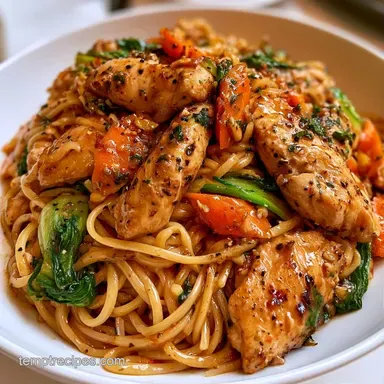
Healthy Bok Choy Chow Mein with Chicken
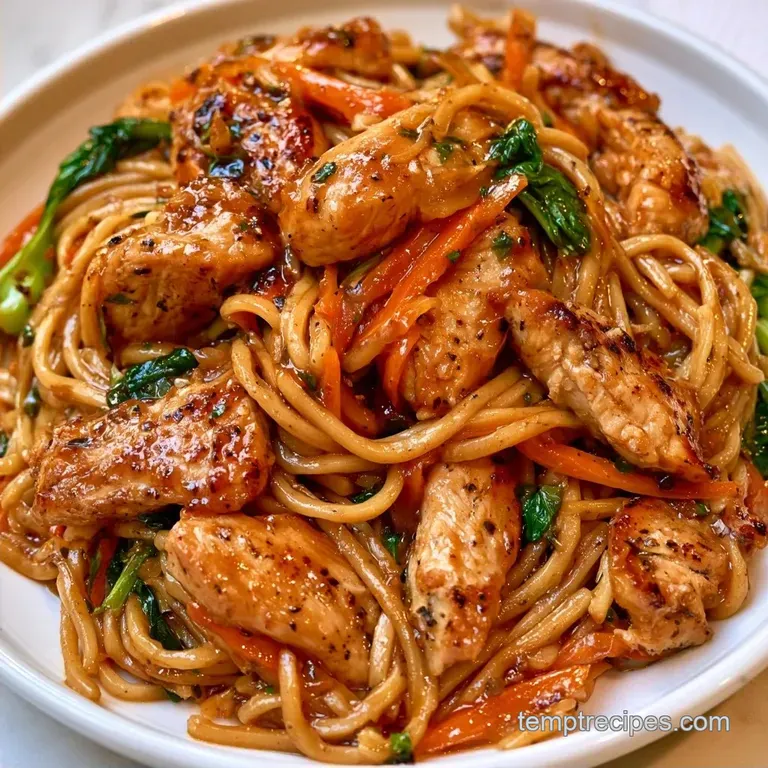
- Time: 15 minutes prep + 15 minutes cooking
- What to expect: Charred, crisp greens and glossy noodles
- Perfect for: Easy weeknight dinners
Bok Choy Chow Mein
The sound of chicken hitting a hot pan and the sudden smell of toasted sesame oil is the best part of my evening. I used to think you needed a commercial grade burner and a seasoned carbon steel wok to get that specific charred taste you find at restaurants.
I spent way too much time trying to find "professional" gear when the answer was actually just about how I managed the heat.
Most people treat stir fries like a stew, throwing everything in at once and hoping for the best. That leads to limp, grey vegetables and steamed meat. For this Bok Choy Chow Mein, the focus is on speed and temperature. We're not simmering; we're flash frying.
This dish is satisfying and doesn't require a kitchen full of gadgets. You get a deep, mahogany glaze and a crunch that stays intact until the last bite. It's a reliable, hearty meal that feels fancy but takes almost no effort.
Why This Dish Works
- Staged Searing: By cooking the chicken first and removing it, the pan stays hot. This prevents the baby bok choy from releasing too much water and getting soggy.
- The Noodle Toss: Adding the chow mein noodles just before the sauce ensures they absorb the flavor without becoming mushy.
- over High heat Char: A hot pan browns the carrot and bok choy in about 3 minutes, giving it that scorched, smoky flavor.
| Method | Time | Texture | Best For |
|---|---|---|---|
| Fast | 30 mins | Tender Crisp | Weeknights |
| Classic | 90 mins | Soft Braised | Sunday Dinner |
The Ingredient Breakdown
I've found that using baby bok choy is the real trick here. The stems are more tender than the large variety, so they cook at the same speed as the carrots.
| Ingredient | Role | If You Don't Have It |
|---|---|---|
| Soy Sauce | Salt/Umami | Tamari or Coconut Aminos |
| Honey | Sweetness/Glaze | Brown sugar or Maple syrup |
| Baby Bok Choy | Crunch/Freshness | Napa cabbage or Tatsoi |
| Rice Vinegar | Tangy balance | Apple cider vinegar |
Ingredients & Substitutes
- 10 oz chicken breast, thinly sliced Why this? Lean protein that browns quickly. (Sub: Thinly sliced pork loin)
- 1 tbsp avocado oil Why this? High smoke point prevents burning. (Sub: Grapeseed oil)
- 3 cloves garlic, minced (Sub: 1 tsp garlic powder)
- 1 tbsp fresh ginger, grated (Sub: 1/2 tsp ground ginger)
- 6 oz baby bok choy, quartered Why this? Maintains a satisfying crunch. (Sub: Chinese cabbage)
- 1 medium carrot, julienned (Sub: Red bell pepper strips)
- 1/2 cup sliced green onions (Sub: Chives)
- 8 oz fresh chow mein noodles (Sub: Lo mein or spaghetti)
- 1 tsp sesame oil Why this? Adds a nutty aroma. (Sub: Toasted walnut oil)
- 3 tbsp low sodium soy sauce (Sub: Liquid aminos)
- 1 tbsp rice vinegar (Sub: White wine vinegar)
- 1 tsp honey (Sub: Agave)
- 1/2 tsp white pepper (Sub: Black pepper)
Basic Tools Needed
This recipe works great with basic home equipment. A standard 12-inch non-stick skillet or a domestic wok will do the trick. I typically use a simple whisk for the sauce and a sharp chef's knife for the julienne carrots. Tongs are also recommended to toss the noodles gently to avoid breaking them.
Cooking The Meal
- Combine the low sodium soy sauce, rice vinegar, honey, and white pepper in a small bowl. Slice the chicken thinly against the grain. Note: Slicing against the grain keeps the meat tender.
- Warm 1/2 tbsp of avocado oil in your pan over medium high heat. Once hot, add the chicken in a single layer.
- Sear without stirring for 2 minutes until a golden brown crust forms, then stir fry for 2-3 minutes more until fully cooked.
- Stir in the grated ginger and minced garlic. Cook for 30 seconds until aromatic. Transfer the chicken to a plate.
- Add the remaining 1/2 tbsp of avocado oil, then toss in the baby bok choy and carrots.
- Stir fry over high heat for 3 minutes until the edges are charred but the stems still snap.
- Add the fresh chow mein noodles and sesame oil. Toss for 2-3 minutes until the noodles soften and heat through.
- Return the chicken to the pan. Pour in the sauce and toss over high heat for 1 minute until the sauce is glossy and coats the noodles.
- Garnish with sliced green onions.
Fixing Common Issues
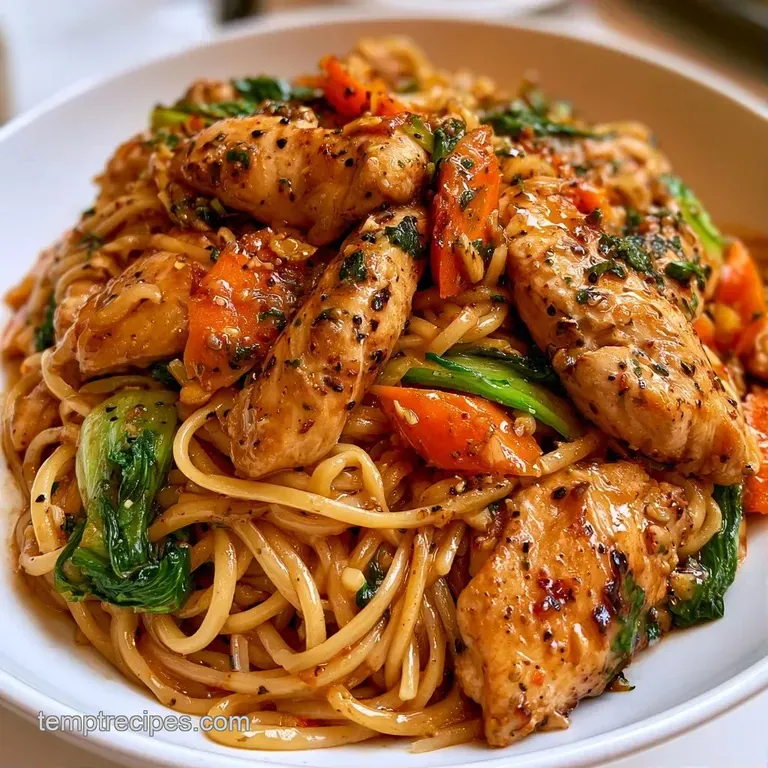
When I first started making Bok Choy Chow Mein, I often ended up with a puddle of liquid at the bottom of the pan. This happens when the pan isn't hot enough or when you crowd the ingredients. If you're cooking a double batch, work in two turns so the vegetables fry instead of steam.
Another common frustration is the noodles clumping. This usually means the oil wasn't shimmering before they went in, or the noodles were too wet. Rinsing fresh noodles in cold water and patting them dry helps them sear rather than stick.
Clumping Noodles
This happens when the pan temperature drops too low. Ensure the oil is shimmering before adding the noodles and avoid over stirring the first 30 seconds.
Soggy Vegetables
Usually caused by overcrowding the pan. The moisture from the bok choy can't evaporate, so the veg boils in its own juice.
Bland Sauce
The sauce might not have reduced enough. Keep the heat on high during the final toss to let the honey caramelize and stick to the noodles.
| Problem | Root Cause | Solution |
|---|---|---|
| Watery pan | Pan too crowded | Cook vegetables in smaller batches |
| Gummy noodles | Overcooked/wet | Pat noodles dry before adding |
| Pale chicken | Stirred too soon | Let meat sear for 2 mins untouched |
Swaps and Tweaks
If you want to change the protein, this works great as a Beef Bok Choy Chow Mein. Just use flank steak sliced thin and sear it for slightly less time to avoid toughness. For a Vegetarian Bok Choy Chow Mein, swap the chicken for extra firm tofu cubes or sliced shiitake mushrooms.
If you love a bit more heat, add a teaspoon of sriracha or red pepper flakes to the sauce whisk. For a different vegetable profile, I often add snap peas or water chestnuts for extra crunch. This pairs nicely with a Bok Choy Chicken Stir Fry if you're serving a larger crowd.
| Goal | What to change |
|---|---|
| Extra Heat | Add sriracha or chili flakes |
| More Veg | Double carrots and add cabbage |
| Lighter Sauce | Cut soy sauce by one third |
Storage and Waste
Store any leftover Bok Choy Chow Mein in a glass container. It stays good in the cold for about 3 days. I find that the noodles soak up more sauce over time, so you might need a splash of water when reheating.
To reheat, I avoid the microwave if possible because it makes the bok choy limp. Instead, toss it back into a hot skillet with a teaspoon of oil for 2 minutes. This brings back the sear and keeps the texture satisfying.
For zero waste, don't toss the bok choy ends or the carrot peels. I put them in a freezer bag for vegetable stock. Even the green onion tops can be chopped finely and frozen for the next time you need an aromatic base.
Serving Ideas
This meal is hearty enough to stand alone, but it's great with a side of steamed dumplings. If you have extra bok choy in the fridge, you could also whip up some Bok Choy Fried Rice for a full on feast.
I like to serve this in a wide bowl with an extra sprinkle of toasted sesame seeds and a squeeze of fresh lime. The acid from the lime cuts through the salty soy sauce and brightens the whole dish.
Kitchen Myths
It is a common misconception that searing meat "locks in" the juices. In reality, liquid evaporates during cooking no matter the method used. We sear the chicken in this Bok Choy Chow Mein specifically for the richness produced by browning, which provides a complexity that steaming simply cannot match.
Similarly, you don't actually need a professional "wok hei" burner to achieve restaurant-quality results. While intense heat is beneficial, the secret lies in controlling the amount of food in your pan. By avoiding overcrowding, your home stove can reach the temperatures required for a perfect char.
Scaling Tips
When making a half batch, use a smaller skillet to keep the heat concentrated. Reduce the cooking time for the vegetables by about 20% so they don't overcook.
For a double or triple batch, do not just double the sauce. Start with 1.5x the sauce and add more if the noodles look dry. Most importantly, sear the chicken and bok choy in batches. If you put 20 oz of chicken in one pan, the temperature will plummet, and you'll end up with grey meat.
Critical in Sodium
1750 mg 1,750 mg of sodium per serving (76% 76% of daily value)
The American Heart Association recommends a limit of 2,300 mg of sodium per day for most adults, with an ideal limit of 1,500 mg for some individuals.
Tips to Reduce Sodium
-
Swap Soy Sauce for Coconut Aminos-30%
Replace the low-sodium soy sauce with coconut aminos, which offers a similar savory profile with significantly less sodium.
-
Amplify Acid and Citrus-20%
Reduce the soy sauce quantity by half and add fresh lime juice or extra rice vinegar to provide a bright, tangy flavor that mimics saltiness.
-
Check Noodle Sodium-15%
Fresh chow mein noodles can be hidden sources of salt; look for low-sodium alternatives or rinse them thoroughly before adding to the stir-fry.
-
Boost Aromatics and Heat
Increase the amount of fresh ginger, garlic, or add red pepper flakes to create a bolder flavor profile without adding any sodium.
Recipe FAQs
What makes up the savory sauce?
Soy sauce, rice vinegar, honey, and white pepper. These ingredients are whisked together in a small bowl before being added to the wok at the end of the process.
Are any parts of the bok choy inedible?
No, the whole vegetable is edible. While you should trim the very ends for cleanliness, both the crunchy stalks and the leafy greens are nutritious and flavorful.
Should bok choy be pre-cooked before stir-frying?
That's a myth. Adding raw vegetables directly to a shimmering hot wok ensures they stay charred and crisp rather than becoming mushy.
How can I stop bok choy from becoming soggy?
Stir-fry over high heat for a short duration. This rapid cooking process chars the outside while keeping the moisture inside the cell walls for a tender-crisp texture.
Which techniques define Chinese-style bok choy?
Quarter the stems lengthwise and sear quickly. Using a hot wok with garlic and ginger creates the signature smoky flavor and satisfying crunch.
Can this vegetable be used in other ways?
Yes, it pairs well with various proteins and aromatics. If you want a simpler side dish, a quick garlic stir-fry is an excellent way to use the same ingredient.
How to reheat leftovers without losing texture?
Toss them in a hot skillet with a teaspoon of oil for 2 minutes. This method restores the sear and prevents the greens from turning limp, which often happens in a microwave.
Bok Choy Chow Mein in 30 Minutes