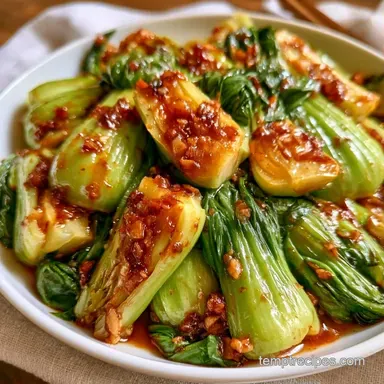
Steamed Bok Choy with Garlic
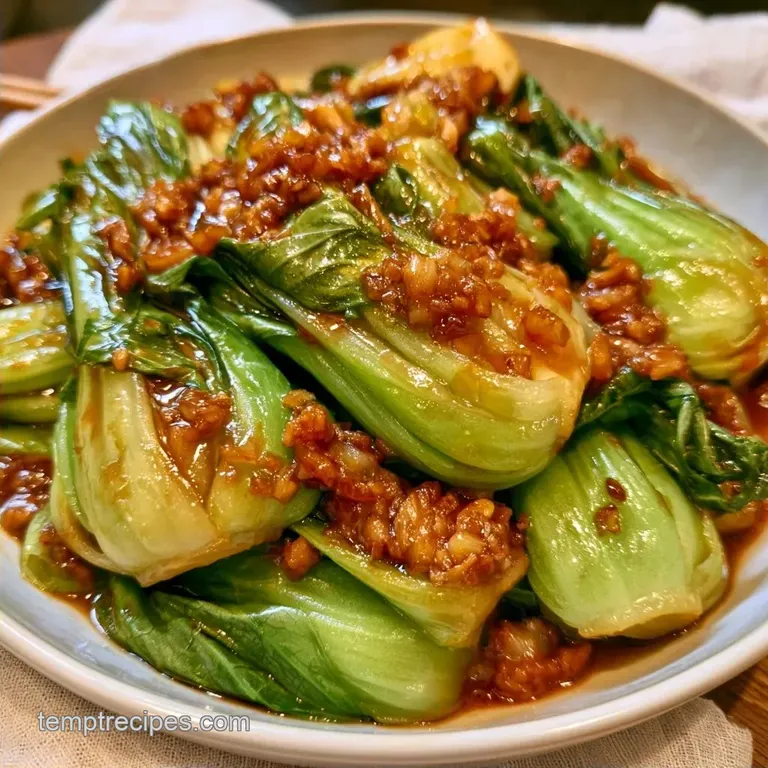
- Time: 5 min active + 10 min cooking
- Flavor/Texture Hook: Peppery, crisp stalks with a salty sweet garlic finish
- Perfect for: A stress free weeknight side dish
That nutty, toasted scent of sesame oil hitting a hot pan is the best part of the night. It fills the kitchen instantly, signaling that dinner is almost ready. I used to think getting that restaurant style crunch was a struggle, but it really just comes down to the water.
Some people think you need a over high heat wok or a professional steamer to get those greens just right. Truth is, a simple pot and a basic basket do the job. You don't need to overcomplicate the process to get a side that tastes fresh and satisfying.
This Steamed Bok Choy recipe is about speed and precision. We're going to keep the stalks translucent and the leaves tender, then hit them with a sauce that bubbles and thickens in under two minutes. It's a hearty way to get your greens in without spending an hour at the stove.
Why the Steam Wins
- Vapor Heat: Steaming heats the vegetable quickly without drowning it in water. This prevents the stalks from absorbing too much liquid, which is what usually makes greens mushy.
- Fast Transit: Bok choy has a unique shape that allows steam to penetrate the leaves almost instantly while the dense stalks take a few minutes longer. This means both parts finish at the same time.
What This Recipe Needs
| Ingredient | What It Does | Best Swap |
|---|---|---|
| Baby Bok Choy | Provides the peppery, crisp base | Shanghai Bok Choy |
| Oyster Sauce | Adds a deep, savory saltiness | Vegetarian Mushroom Sauce |
| Sesame Oil | Gives a nutty, toasted aroma | Neutral Oil + toasted seeds |
| Garlic | Adds a pungent, sharp kick | Garlic Powder (1/2 tsp) |
The Full List
- 1 lb baby bok choy, halved lengthwise
- 1 tsp salt Why this? Draws out excess water for a better sear
- 3 tbsp soy sauce Why this? Provides the primary salty base
- 1 tbsp oyster sauce Why this? Adds thickness and umami
- 1 tbsp toasted sesame oil Why this? Essential for that authentic aroma
- 3 cloves garlic, minced Why this? Fresh garlic tastes sharper
- 1 tsp sugar Why this? Balances the salt from the soy
- 1 tsp water Why this? Prevents the sauce from breaking
Tools for the Job
No professional setup is required just a few standard items. Your primary tool is a medium pot with a 2-quart capacity. You will also need a steamer basket that fits inside; if you lack one, a metal colander that balances on the pot's edge is a great substitute.
A small skillet or frying pan is sufficient for the sauce. I recommend a non-stick pan, as the sugar in the oyster sauce tends to stick to the surface when the heat rises.
Chef's Note: Avoid overcrowding the bok choy if your steamer basket is limited in size. Steam them in two separate batches if needed, otherwise they may boil in their own moisture and lose their crunch.
The Cooking Process
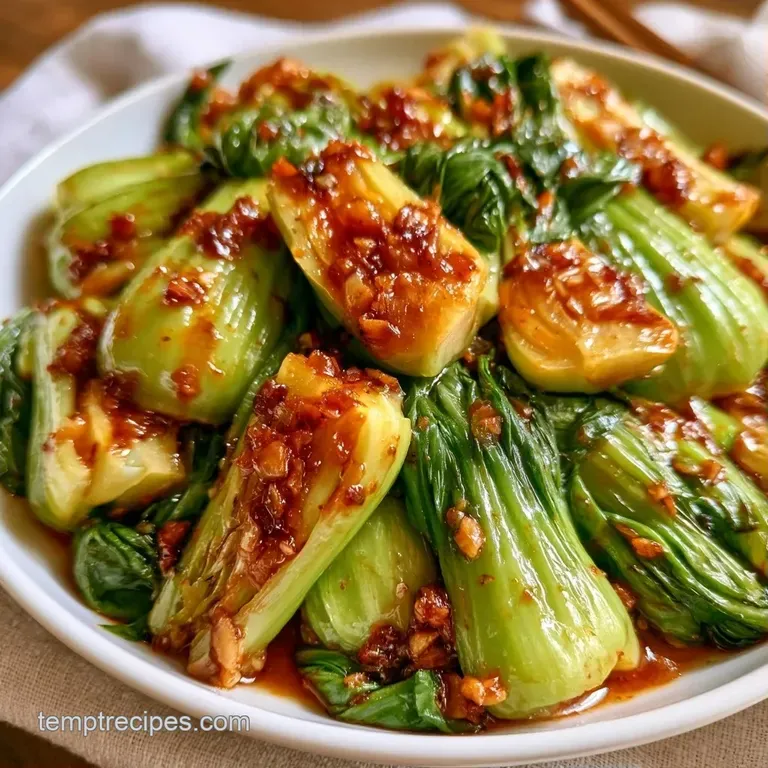
1. Prep the Bok Choy
Wash the bok choy well under cold running water. Pay close attention to the base of the stalks, where dirt often collects. Cut each baby bok choy head in half lengthwise.
2. Boil the Water
Add 1 inch of water to your pot along with the salt. Heat on high until the water reaches a rolling boil.
3. Steam the Greens
Arrange the bok choy in the steamer basket with the cut side facing down. Cover tightly and steam for 3 to 5 minutes. Note: Check the texture at 3 minutes to prevent overcooking.
4. Check for Doneness
Take the pot off the heat once the stalks become translucent while retaining a slight snap. The leaves should be wilted and a bright green.
5. Heat the Oil
While the vegetables steam, warm the toasted sesame oil in a small skillet over medium heat.
6. Sauté the Garlic
Stir in the minced garlic. Sauté for 30 seconds . Avoid browning the garlic to prevent a bitter flavor.
7. Simmer the Sauce
Mix in the soy sauce, oyster sauce, sugar, and water. Simmer for 1 minute and begins to bubble.
8. Plate the Dish
Place the Steamed Bok Choy on a serving platter with the cut sides facing upward.
9. Glaze the Greens
Pour the hot garlic sauce directly over the center of the bok choy. The residual heat will help finish the softening process.
Fixing Common Issues
When making Steamed Bok Choy, the biggest hurdle is the timing. Because baby bok choy is so delicate, the line between "crisp" and "mush" is very thin. If you leave them in for just 60 seconds too long, you lose the texture that makes this dish work.
Another common issue is the sauce breaking or becoming too salty. This usually happens if the water evaporates too quickly during the simmer. Adding that tiny teaspoon of water keeps the glaze glossy and smooth.
The Mushy Stalk
This usually happens from oversteaming. The cells break down too much, and the vegetable loses its structure.
Too Salty Sauce
If the sauce tastes like a salt bomb, it's usually because the soy sauce brand is too concentrated or the simmer went too long.
Watery Bottoms
This occurs when the bok choy isn't drained well before plating, or the steamer basket was overcrowded.
| Problem | Root Cause | Solution |
|---|---|---|
| Mushy Texture | Oversteamed by 1-2 mins | Pull from heat at 3 mins |
| Bitter Garlic | Sautéed too long/too hot | Keep garlic pale gold |
| Sauce is Thin | Not simmered long enough | Cook 30 seconds more |
Customizing Your Dish
If you prefer a different heat method, my stirfry bok choy recipe is a faster way to get that garlic flavor without the steamer. It's a bit more aggressive but just as tasty.
For those who want a different flavor profile, try swapping the oyster sauce for a mixture of honey and a splash of rice vinegar. This gives the Steamed Bok Choy a tangier, sweeter finish that pairs well with spicy proteins.
- For a crunchier stalk
- steam for exactly 3 minutes.
- For a softer leaf
- extend to 5 minutes.
- For a thicker glaze
- simmer the sauce for an extra 30 seconds.
You can also add a pinch of red pepper flakes to the garlic sauté to give the dish a slow heat. If you're feeling fancy, top the final platter with toasted white sesame seeds for an extra layer of crunch.
Saving Leftovers
For the best results, enjoy this dish immediately, though it will stay fresh for about 72 hours if kept in a sealed container in the fridge. While the stalks may lose some of their crunch, the flavor remains bold.
When reheating, a quick toss in a hot pan for 2 minutes is preferred over the microwave. If you do use a microwave, heat it in 30-second intervals to keep the greens from becoming soggy.
To avoid waste, don't discard the coarser outer leaves of the bok choy. They are too firm for steaming but are excellent for simmering in stock or a slow cook soup. Store the trimmed ends in a freezer bag to use as a base for your next broth.
Serving Your Greens
Steamed Bok Choy is a versatile side that balances out heavy, rich proteins. It works brilliantly with a seared salmon fillet or a piece of crispy tofu. The salty glaze cuts through the fat of the protein, cleaning the palate between bites.
If you're serving this alongside a pasta dish, a Parmesan cream sauce creates a nice contrast with the salty greens. The creaminess of the pasta and the snap of the vegetables make for a very satisfying meal.
For a more fusion style approach, try wrapping the greens in my Sourdough Discard Tortillas for a hearty wrap. Add some sliced grilled chicken and a smear of mayo for a lunch that feels a bit more special.
Quick Method Comparison
| Method | Cook Time | Result |
|---|---|---|
| Stovetop Steaming | 10 minutes | Crisp stalks, bright leaves |
| Oven Roasting | 20 minutes | Charred edges, softer core |
Final Precision Checkpoints
- 1. Water depth
- Exactly 1 inch in the pot.
- 2. Garlic sauté
- Max 30 seconds before adding liquids.
- 3. Steam window
- 3 to 5 minutes, depending on the size of the heads.
USDA FoodData Central provides the base nutritional values for baby bok choy, noting its high vitamin K and A content. Using the steaming method preserves these nutrients far better than boiling, where vitamins often leak out into the discarded water.
Whether you're making a quick weeknight meal or a side for guests, this Steamed Bok Choy is a reliable winner. It's simple, stress free, and brings a bit of restaurant quality to your own kitchen. Just remember to watch the clock, and you'll have a dish that's a treat every single time.
Recipe FAQs
How to slice bok choy for steaming?
Halve each head lengthwise.
Tip: rinse the leaves thoroughly under cold water before cutting to remove any grit.
Is it true boiling produces better results than steaming?
That's a myth. Steaming prevents the stalks from absorbing excess liquid, which keeps them crisp and vibrant.
Tip: use only one inch of water to ensure the pot reaches a boil quickly.
What is the best way to steam these greens?
Place the halved heads cut-side down in a steamer basket over boiling salted water for 3 to 5 minutes.
Tip: keep the lid closed tight to trap the vapor and maintain high heat.
Can regular bok choy be used instead of baby bok choy?
Yes, but you must chop the larger heads into smaller sections to ensure they cook evenly.
Tip: increase the steaming time by one or two minutes to account for the thicker stalks.
Where can I find a substitute for sesame oil?
Use a neutral oil like canola or vegetable oil if you do not have toasted sesame oil.
Tip: add a tiny pinch of extra sugar to the sauce to help mimic the nutty depth.
How do I tell if the stalks are perfectly cooked?
Check that the stalks have become translucent but still retain a slight bend.
Tip: remove them from the heat immediately once translucent to avoid mushy leaves.
What should I do if I don't have a steamer basket?
Balance a heat proof colander or a perforated plate over the pot of boiling water.
Tip: ensure the water level is low enough that it does not touch the bottom of the colander.
Which other vegetables work well in this recipe?
The garlic sauce complements sliced carrots or snap peas beautifully.
Tip: once you've mastered this quick sear technique, try using the same method for this bell pepper stir fry.
Steamed Bok Choy Recipe