Garlic Shrimp Scampi Pasta in 30 Minutes

- Prep10 Mins
- Cook20 Mins
- Servings4
- Duration: 10 minutes prep + 20 minutes on the stove
- Taste Profile: Garlicy, zesty, and rich
- Great for: Effortless weeknight meals
Quick and Zesty Shrimp Scampi Pasta
Ever wonder why restaurant scampi sauce actually sticks to the noodles instead of puddling at the bottom of the bowl? It comes down to how the fats and starches bind together in the pan.
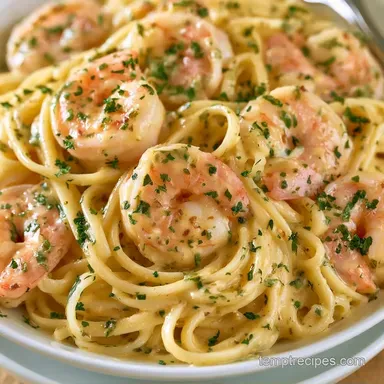
Making shrimp scampi pasta feels like a luxury, but it's actually one of the fastest meals you can put together. This Easy shrimp scampi pasta relies on a few high-impact ingredients to create a punchy, Garlic shrimp scampi pasta that tastes like a bistro meal.
The goal is a balance of sharp lemon, pungent garlic, and savory butter. Since we use a quick sear for the seafood, the shrimp stay juicy while the sauce reduces into something rich.
The Trick Behind the Texture
- Starchy Water: Reserved pasta water acts as a bridge between the oil and chicken broth, helping the sauce cling to the linguine.
| Shrimp Choice | Prep Time | Texture | Best For |
|---|---|---|---|
| Fresh | Low | Snappy | High-end dinner |
| Frozen (Thawed) | Medium | Soft | Weeknight ease |
| Frozen (Raw) | High | Variable | Budget meals |
The Building Blocks
Linguine is the ideal choice here because its flat profile clings to the garlic butter sauce more effectively than round pasta. Fresh garlic is a must, as powdered versions lack the bold aromatic intensity needed to balance the butter.
A touch of lemon juice provides the acidity required to cut through the richness of the fats.
Ingredients & Substitutes
- 1 lb linguine Why this? Flat shape grips the sauce better
- 1 tbsp salt Why this? Seasons the pasta from within
- 1 lb large shrimp, peeled and deveined Why this? Larger size resists overcooking
- 3 tbsp unsalted butter Why this? Ensures a rich, velvety base
- 2 tbsp extra virgin olive oil Why this? Higher smoke point for better searing
- 4 cloves garlic, minced Why this? Primary aromatic element
- 1/2 cup low-sodium chicken broth Why this? Adds a savory depth
- 1 tbsp fresh lemon juice Why this? Balances out the heavy fats
- 1/4 cup fresh parsley, chopped Why this? Bright, herbal finish
- 1/2 tsp red pepper flakes Why this? Mild, warming spice
- salt to taste
- black pepper to taste
| Original Ingredient | Substitute | Why It Works |
|---|---|---|
| Linguine | Spaghetti | Comparable shape. Note: Slightly less sauce adhesion |
| Chicken Broth | Vegetable Broth | Similar salt/liquid ratio. Note: Tends to be slightly sweeter |
| Unsalted Butter | Salted Butter | Same fat content. Note: Decrease additional salt |
Equipment Needed
A large pot is necessary for the pasta to prevent sticking. You'll also need a wide skillet, like a stainless steel or cast iron pan, to ensure the shrimp have enough room to sear without steaming.
Key Steps
This shrimp scampi pasta comes together quickly, so prep your minced garlic and chopped parsley before you begin.
- Bring a large pot of salted water (1 tbsp salt) to a rolling boil. Cook the linguine for 1–2 minutes less than the package directions to ensure an al dente texture. Set aside 1/2 cup of the pasta cooking water before straining.
- Thoroughly pat the shrimp dry with paper towels and season with black pepper and salt. Heat 1 tbsp olive oil in a pan over medium-high heat. Sear the shrimp in a single layer for 1–2 minutes per side until opaque and pink, reaching an internal temperature of 145°F/63°C. Move the shrimp to a plate.

- Turn the heat down to medium. Add the remaining 1 tbsp olive oil and 1 tbsp butter. Sauté the red pepper flakes and minced garlic for 30–60 seconds until fragrant but not browned. Pour in the chicken broth and simmer for 3 minutes, scraping up any browned bits from the pan.
- Stir in the lemon juice and the final 2 tbsp butter, whisking until the sauce is glossy and velvety. Toss the cooked linguine and seared shrimp back in. If the sauce is too thick, gradually stir in the saved pasta water. Fold in the fresh parsley and remove from the heat.

Pro Tips & Pitfalls
The most common issue with your shrimp scampi pasta results is the texture of the seafood. Shrimp cook incredibly fast, and the carryover heat will continue to firm them up after they leave the pan.
Fixing Rubbery Shrimp
If the shrimp curl into a tight "O" shape, they are overdone. Look for a loose "C" shape for the best results.
Managing the Sauce
If the sauce looks broken or oily, it usually means the heat was too high when the butter went in. Whisking in a tablespoon of pasta water usually pulls it back together.
Garlic Burn
Garlic turns bitter the second it browns. Keep the heat at medium and move the garlic constantly.
| Problem | Fix |
|---|---|
| Sauce is too thin | Simmer for 2 more minutes or add a splash of pasta water |
| Garlic tastes bitter | Sauté for shorter time over lower heat |
| Shrimp is rubbery | Use a thermometer to pull at 145°F/63°C |
| Original Item | Budget Alternative | Impact | Savings |
|---|---|---|---|
| Fresh Jumbo Shrimp | Frozen Large Shrimp | Similar taste, smaller size | Medium |
| Grass-fed Butter | Store Brand Butter | Minimal flavor difference | Low |
Flavor Variations

If you want something even richer, try a Parmesan cream sauce instead of the broth for a Creamy shrimp scampi pasta.
For a Healthy shrimp scampi pasta, swap the linguine for zucchini noodles or spaghetti squash. Just toss the veggie noodles in at the very end for 30 seconds so they don't release too much water and dilute the sauce. Adding a handful of fresh baby spinach during the final toss is another great way to add nutrients.
Storage Guidelines
Keep leftover shrimp scampi pasta in an airtight container and refrigerate for a maximum of 2 days.
To prevent the shrimp from becoming rubbery, avoid reheating in the microwave. Instead, gently warm the pasta in a skillet over medium-low heat, adding a splash of chicken broth or water to loosen the sauce, until it is steaming hot and reaches 165°F/74°C in the thickest part.
This dish is not suitable for freezing, as the butter emulsion separates and the shrimp lose their firm texture upon thawing.
Perfect Complements
To soak up every bit of sauce, a piece of toasted sourdough or a garlic baguette is a must. A side of steamed broccoli or a fresh arugula salad with a zesty lemon dressing helps balance the richness of the butter.
Questions Readers Ask
How to sear the shrimp?
Sear in a single layer over medium-high heat for 1–2 minutes per side until they reach 145°F/63°C.
Tip: Pat them completely dry before seasoning to achieve a better sear.
Can this be made creamy?
A creamy version exists, but it differs by using a cream-based sauce instead of this butter and broth emulsion.
Tip: Keep the heat low when adding additional fats to prevent the sauce from separating.
Would another broth work?
You can use a vegetable broth or a bit of water for a lighter taste.
Tip: If you enjoyed balancing the acidity here, see how we use the same principle in our peanut sauce.
Where should leftovers be kept?
Keep the pasta in a sealed tub in the fridge for up to 2 days.
Tip: Reheat in a skillet with a splash of water to avoid the toughness caused by microwaves, until it reaches 165°F/74°C throughout. When reheating cooked leftovers, check with a food thermometer that the centre reaches 165°F (74°C); the appliance temperature and time alone do not confirm this.
Is there a healthier alternative?
You can use less butter and more lemon juice to create a lighter sauce.
Tip: Use a non-stick skillet to minimize the amount of oil needed for searing.
Shrimp Scampi Pasta in 30 Minutes
Ingredients:
Instructions:
Keep Cooking

Classic Pasta e Piselli: One-Pot
Classic Pasta e Piselli is a cozy Italian favorite. This traditional Pasta e Piselli recipe is…

Creamy Tikka Masala Pasta
Creamy Tikka Masala Pasta blends bold spices and cream. A fusion Indian pasta desi pasta recipe…

Shrimp Tomato Basil Pasta
This Shrimp Tomato Basil Pasta is a standout among quick shrimp pasta recipes.

Red Pepper Pasta Sauce
Roasted red peppers, garlic, and cream make this Red Pepper Pasta Sauce.

Tomato Ricotta Pasta Sauce
Many creamy sauces need heavy thickeners to feel rich. This Tomato Ricotta Pasta Sauce uses…

Parmesan Cream Sauce
Rich and glossy Parmesan Cream Sauce. A simple reduction creates a thick texture without needing a…
