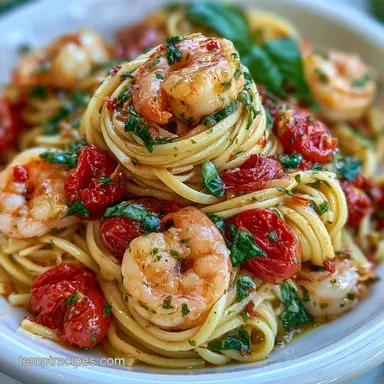
Shrimp Tomato Basil Pasta with Linguine
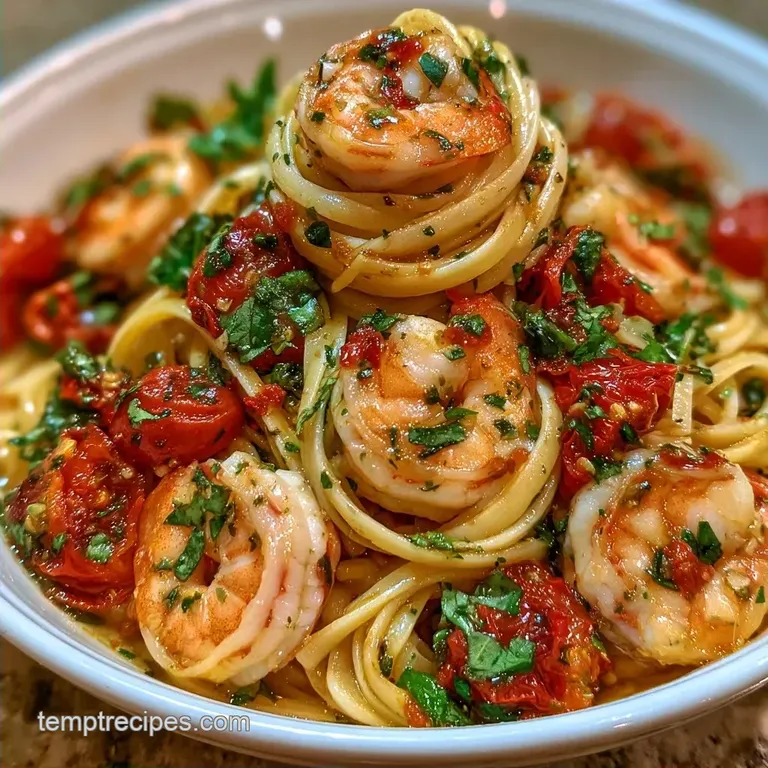
- Time: 15 min active + 20 min cook
- Flavor/Texture Hook: Buttery, zesty sauce with popping cherry tomatoes
- Perfect for: A satisfying weeknight meal that feels fancy
- Easy Shrimp Tomato Basil Pasta Guide
- Quick Timing and Details
- What Each Ingredient Does
- Essential Kitchen Gear
- Step by Step Cooking Flow
- Fixing Common Cooking Issues
- Swaps and Flavor Twists
- Adjusting Portion Sizes
- Common Kitchen Myths
- Storage and Reheating Tips
- Best Side Dish Pairings
- High in Sodium
- Recipe FAQs
- 📝 Recipe Card
The smell of garlic hitting hot olive oil is probably the best scent in any kitchen. It reminds me of the small seaside towns in Italy where the food doesn't rely on complex techniques, just ingredients that actually taste like something. Those regions treat basil, tomato, and garlic as a holy trinity.
When I first started making this, I used to dump everything into one pot. It resulted in grey shrimp and mushy tomatoes. Now, I treat each element with a bit more respect to get those distinct, bright flavors.
You can expect a dish that feels light but stays hearty. This Shrimp Tomato Basil Pasta doesn't use a heavy cream base, so you get the clean taste of the sea and the sweetness of the tomatoes. It's a stress free way to get a restaurant quality meal on the table in under an hour.
Easy Shrimp Tomato Basil Pasta Guide
Right then, let's get into why this specific approach works. I've found that the order of operations is everything here. If you rush the tomatoes or overcook the shrimp, the whole balance shifts.
Why This Method Actually Works
- Separate Searing: Cooking the shrimp first and removing them prevents them from turning into rubber bands while the sauce simmers.
- The Emulsion: Whisking cold butter into starchy pasta water creates a silky sauce that clings to the noodles instead of pooling at the bottom.
- Fresh Finish: Adding the basil at the very end keeps the herb from turning black or losing its peppery punch.
| Feature | Fast Method (This Recipe) | Classic Italian Simmer |
|---|---|---|
| Sauce Base | Blistered cherry tomatoes | Pureed canned tomatoes |
| Cook Time | 20 minutes | 1-2 hours |
| Flavor Profile | Bright, zesty, fresh | Deep, concentrated, sweet |
| Texture | Chunks of tomato & shrimp | Smooth sauce, tender protein |
Quick Timing and Details
Before you start, get your head around the flow. The goal is to have the pasta finish right as the sauce is ready.
- Prep Flow: Chop garlic, halve tomatoes, and pat shrimp dry first.
- Cooking Flow: Boil water → Sear shrimp → Build sauce → Combine.
- Finish: Toss with cheese and basil off the heat.
What Each Ingredient Does
I don't believe in using ingredients just for the sake of it. Everything in this pan has a job to do.
| Ingredient | What It Does | Best Swap |
|---|---|---|
| Pasta Water | Binds oil and water into a sauce | None (essential) |
| Cold Butter | Adds richness and glossy finish | Extra virgin olive oil |
| Lemon Juice | Cuts through the fat, brightens shrimp | White wine (dry) |
| Cherry Tomatoes | Provides acidity and natural sweetness | Diced plum tomatoes |
Essential Kitchen Gear
You don't need a professional setup for this. A few basic tools will do the job.
- Large Pot: For the linguine.
- 12 inch Skillet: Needs enough room so the shrimp aren't crowded (which causes steaming instead of searing).
- Tongs: Much better than a spoon for tossing pasta.
- Fine Grater: For the Parmesan.
Step by step Cooking Flow
Let's get moving. Trust the timing here, and don't be afraid of a loud sizzle in the pan.
- Bring a large pot of heavily salted water to a rolling boil. Cook the pasta until al dente, usually 1-2 minutes less than the package instructions.
- Before draining the pasta, scoop out 1 cup (240ml) of starchy pasta water and set it aside. Drain the pasta.
- Pat the shrimp completely dry with paper towels and season with salt and pepper. Note: Wet shrimp won't brown; they'll just steam.
- Heat 1 tbsp (14g) of olive oil in a skillet over medium high heat until shimmering. Add shrimp in a single layer and sear for 2 minutes per side until golden and opaque. Transfer shrimp to a side plate immediately.
- In the same skillet, add the remaining 2 tbsp (28g) of olive oil. Add sliced garlic and red pepper flakes, sautéing for 1 minute until fragrant.
- Add cherry tomatoes to the skillet and sauté until they begin to blister and release their juices.
- Stir in the cold butter, reserved pasta water, and fresh lemon juice, whisking to create a cohesive emulsion.
- Toss the cooked pasta, Parmesan cheese, and seared shrimp into the sauce until evenly coated.
- Remove the pan from heat and stir in the fresh basil leaves immediately before serving.
Chef's Note: If you want more depth, try adding a teaspoon of tomato paste during step 5. It gives the sauce a more concentrated color and taste.
Fixing Common Cooking Issues
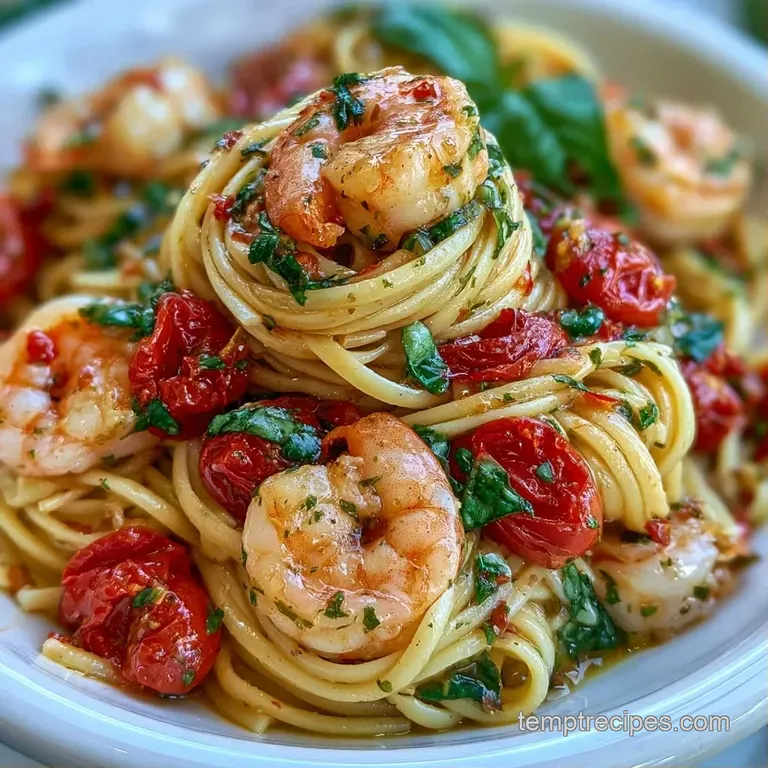
Even the best of us hit a snag. Most issues with this Shrimp Tomato Basil Pasta come down to heat management.
Preventing Rubbery Shrimp
This happens when the shrimp stay in the pan too long. They only need about 4 minutes total. Once they curl into a "C" shape and look opaque, get them out. If they curl into a tight "O", they're overdone.
Fixing Watery Sauce
If your sauce looks like soup, you probably didn't let the butter and pasta water emulsify. According to Serious Eats, the starch in the water acts as a bridge between the fat and liquid. Keep tossing the pasta over medium heat for another minute to thicken it. For a lighter, zesty version without the tomato base, try this lemon garlic shrimp pasta.
Avoiding Burnt Garlic
Garlic burns in seconds over high heat. If it turns dark brown or black, it becomes bitter. Keep the heat at medium high but stir constantly. If it looks like it's browning too fast, toss in the tomatoes immediately to drop the pan temperature.
| Problem | Root Cause | Solution |
|---|---|---|
| Sauce separates | Not enough tossing/emulsifying | Whisk in a bit more pasta water |
| Shrimp is bland | Not patted dry before seasoning | Season heavily after drying |
| Basil is brown | Added while pan was too hot | Stir in after removing from heat |
Swaps and Flavor Twists
You can tweak this recipe to fit what's in your fridge. It's a flexible base.
- For the Pasta: Use spaghetti or fettuccine if you don't have linguine.
- For the Protein: Scallops work beautifully here, though they need a harder sear (about 2 mins per side).
- Make it Creamy: Stir in 2 tablespoons of heavy cream or a dollop of ricotta at the end. If you're craving something a bit richer, you might like my creamy sun dried tomato pasta.
- Add Heat: Increase the red pepper flakes to a full teaspoon for a spicy kick.
Decision Shortcut:
- Want it creamier? → Add a splash of heavy cream.
- Want it spicier? → Double the red pepper flakes.
- Want more zing? → Add an extra squeeze of lemon.
Adjusting Portion Sizes
Scaling a pasta dish is mostly about the pan size.
Cutting it in half (2 servings): Use a smaller 8 inch skillet. Reduce the pasta water by half and check the shrimp sear more closely, as they may cook slightly faster in a smaller, hotter pan.
Doubling it (8 servings): Do not crowd the pan. Sear the shrimp in two batches. If you put 2 lbs of shrimp in one skillet, they will release too much moisture and boil instead of brown. Increase the garlic and red pepper flakes by only 1.5x, not 2x, to avoid overpowering the dish.
Common Kitchen Myths
"Searing shrimp locks in the juices." This is a myth. Searing doesn't create a seal, but it does create flavor through browning. The goal is taste and texture, not "locking in" moisture.
"You must use fresh pasta for a real Italian dish." Not true. Dried linguine often holds up better in a tossed sauce like this one because the surface is slightly rougher, which helps the sauce cling to the noodle.
Storage and Reheating Tips
Pasta and shrimp have a complicated relationship with the fridge.
In the Fridge: Store in an airtight container for up to 3 days. The pasta will absorb the sauce as it sits, so it might look a bit dry when you open it.
Reheating for Texture: Avoid the microwave if you can. Put the pasta back in a skillet over medium heat. Add a splash of water or a knob of butter to loosen the sauce and bring back that glossy look. Heat just until warmed through so the shrimp don't overcook again.
Zero Waste: Don't throw away the shrimp shells if you bought them whole! Toss them in a freezer bag. Once you have a few, boil them with an onion and a carrot to make a quick seafood stock for risotto.
Best Side Dish Pairings
Since this Shrimp Tomato Basil Pasta is quite rich and zesty, you want sides that provide a fresh contrast.
The Fresh Balance: A simple lemon arugula salad with shaved Parmesan and a light vinaigrette cuts through the buttery sauce.
The Classic Crunch: A toasted baguette rubbed with a raw garlic clove is mandatory. It's the best way to scoop up the leftover bits of tomato and sauce from the plate.
Something Green: Steamed asparagus or sautéed spinach with a squeeze of lime fits the Mediterranean vibe and adds some needed nutrients to the meal.
High in Sodium
840 mg 840 mg of sodium per serving (37% 37% of daily value)
The American Heart Association recommends a daily sodium limit of no more than 2,300 mg (and ideally 1,500 mg for most adults) to reduce the risk of high blood pressure.
Tips to Reduce Sodium
-
Reduce Added Salt-25%
Omit or significantly reduce the Kosher salt; instead, rely on the natural salinity of the shrimp and cheese.
-
Limit Parmesan-15%
Reduce the Parmesan cheese by half or substitute with a small amount of nutritional yeast for a similar savory flavor.
-
Amp Up the Citrus-10%
Increase the fresh lemon juice or add lemon zest to mimic the 'brightness' of salt and enhance the shrimp's flavor.
-
Boost Fresh Herbs
Double the amount of fresh basil or add fresh parsley to provide a robust flavor profile without adding any sodium.
Recipe FAQs
How to make this shrimp pasta?
Boil pasta until al dente and sear dried, seasoned shrimp in olive oil. Sauté garlic, red pepper flakes, and cherry tomatoes before emulsifying the sauce with butter, lemon juice, and reserved pasta water.
Can I use frozen shrimp for this recipe?
Yes, but thaw and pat them completely dry first. Wet shrimp will steam instead of searing, preventing the desired golden brown crust.
Is it true that saving the pasta water is optional?
No, this is a common misconception. The starchy water is essential for whisking with cold butter and lemon juice to create a cohesive emulsion.
How to keep the shrimp from becoming rubbery?
Sear for 2 minutes per side until golden and opaque, then move them to a side plate immediately. Only toss them back in during the final step.
How to store and reheat the pasta?
Store in an airtight container for up to 3 days. Reheat in a skillet over medium heat with a splash of water to loosen the sauce without overcooking the shrimp.
How to achieve a rich texture without cream?
Whisk cold butter and reserved pasta water into the pan. If you enjoy this emulsification method, see how the same principle creates our creamy garlic pasta sauce.
Can I substitute the linguine?
Yes, spaghetti is an excellent alternative. Both shapes work well with the light tomato and basil sauce.
Shrimp Tomato Basil Pasta