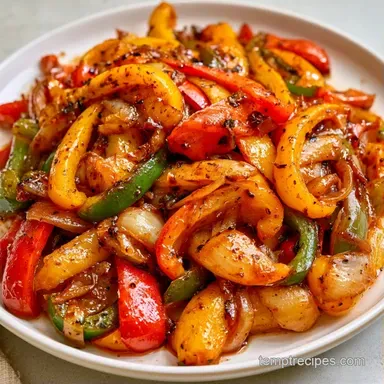
Balsamic Glazed Sauteed Bell Peppers: Tangy Side
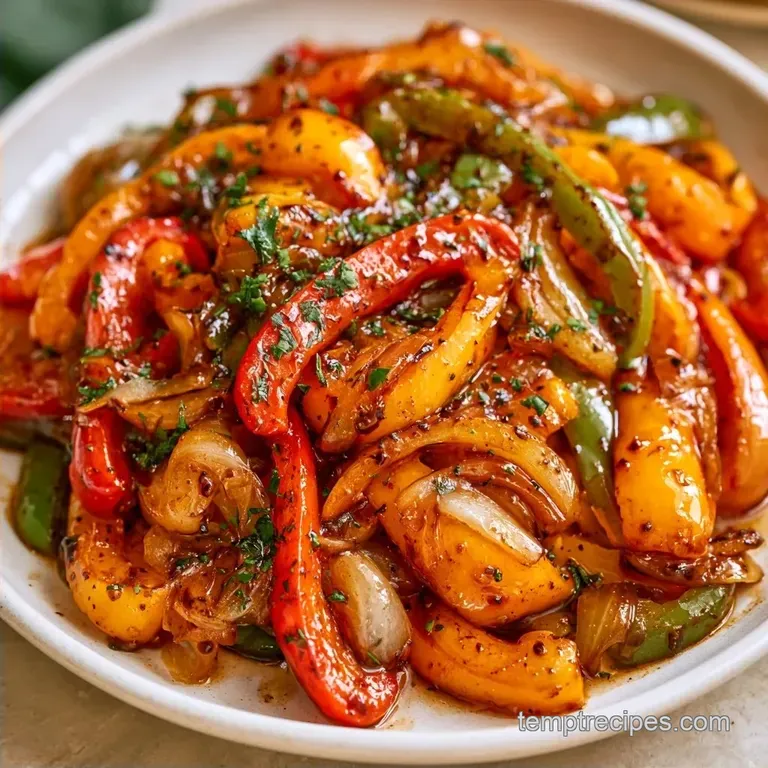
- Time: 10 min active + 35 min cook
- Flavor/Texture Hook: Tangy, charred, and glossy
- Perfect for: Weeknight dinner sides or meal prep
Sauteed Bell Peppers Balsamic Vinegar
What separates sautéed peppers that taste sweet and rich from those that taste bland and watered down? It all depends on the interaction between the vegetable's natural sugars and the heat of the pan. Constant stirring leads to steaming, while letting them sit allows for proper caramelization.
I used to constantly toss my ingredients, which only resulted in pale, limp vegetables. Everything shifted once I began leaving the peppers undisturbed during the first few minutes of cooking. This creates a deep, mahogany char that offers a far more complex flavor than a basic stir fry.
This Sauteed Bell Peppers Balsamic Vinegar recipe is all about mastering that particular sear. The goal is a balance: peppers that are tender yet structured, enveloped in a tangy, satisfying reduction. It is a simple method for serving a restaurant quality side dish in under an hour.
The Quick Specs
Now, let's dive into the logistics. While the process is simple, timing is critical. Rushing the char will sacrifice the depth of flavor, and overcooking the balsamic can lead to a bitter taste.
If you're undecided between a skillet or a sheet pan, here is how the results vary.
| Method | Time | Texture | Best For |
|---|---|---|---|
| Stovetop | 45 mins | Glossy and tender | Quick weeknight sides |
| oven roasted | 60 mins | Shriveled and sweet | Large party batches |
I typically prefer the stovetop method because it allows for real time control over the vinegar reduction. This ensures the glaze clings to the vegetables rather than pooling on a baking sheet.
Ingredient Deep Dive
The magic here is in the contrast between the earthy peppers and the sharp acidity of the vinegar. I prefer using a mix of red, yellow, and orange peppers. Not only does it look better, but each color brings a slightly different sugar profile to the pan.
| Ingredient | What It Does | Best Swap |
|---|---|---|
| Bell Peppers | Provides the sweet, fleshy base | Poblano (for mild heat) |
| Balsamic Vinegar | Adds acidity and creates the glaze | Red wine vinegar + honey |
| Yellow Onion | Adds savory depth and aromatics | Shallots (for a milder taste) |
| Dried Oregano | Brings a woody, herbal note | Dried thyme |
The Right Gear
Professional equipment isn't necessary, but using a wide pan is a must. In a small pot, the peppers will crowd and steam instead of searing, which destroys the char. A 12 inch cast iron skillet is the best option since it maintains a steady temperature.
If you lack cast iron, a heavy stainless steel pan is a viable alternative. Just stay alert to the heat, as these tend to develop hot spots more quickly. Use a sturdy spatula or tongs to flip the vegetables without breaking the strips.
Cooking step by step
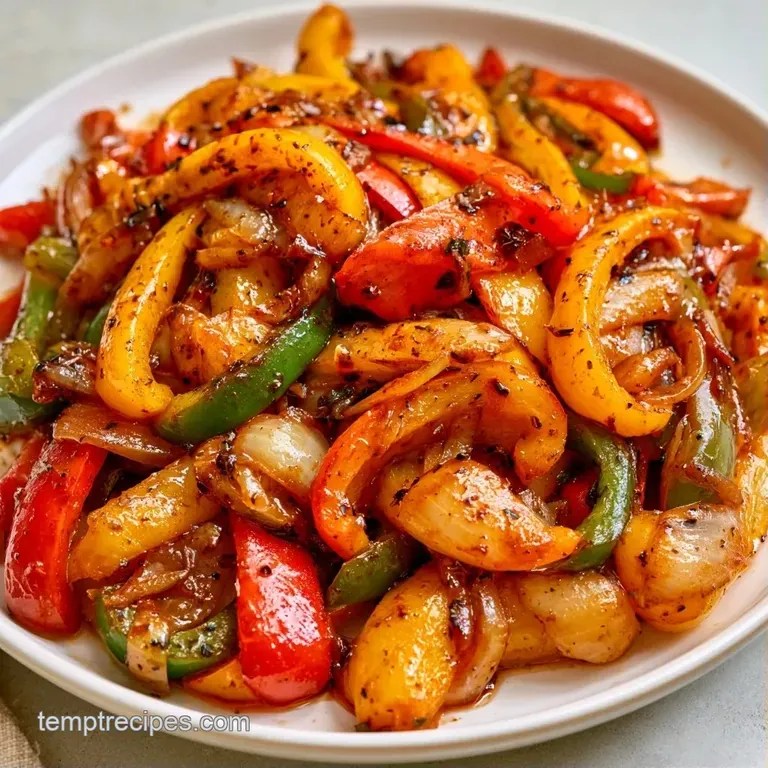
Here is the process. Success depends on the "sear, season, glaze" order.
- Cut the onions and bell peppers into even 1/4 inch strips. Note: Consistent sizing ensures everything cooks through simultaneously.
- Warm 2 tbsp olive oil in a wide pan over medium high heat until it shimmers.
- Toss the sliced peppers and onions into the pan.
- Cook for 5 mins without over stirring until a mahogany colored char develops on the edges.
- Stir every few minutes for an additional 20-25 mins until the vegetables are browned and tender.
- Lower the heat to medium.
- Add the minced garlic, 1/2 tsp salt, 1/4 tsp pepper, and 1 tsp oregano; cook for 60 seconds until the garlic becomes fragrant.
- Mix in 3 tbsp balsamic vinegar.
- Stir continuously for 2-3 mins until the liquid reduces into a velvety glaze that coats the peppers.
- Take the pan off the heat as soon as the peppers appear glossy.
Pro Tip: When working with an extremely hot pan, keep a tablespoon of water handy. A small splash of water can quickly lower the temperature if the garlic browns too fast, preventing it from becoming bitter before the vinegar is added.
Solving Texture Issues
The biggest struggle with sautéed peppers is the "mush factor." This usually happens when the pan is overcrowded. When too many vegetables release their moisture at once, they boil in their own juices instead of searing.
Another common issue is a glaze that tastes too acidic or "sharp." This happens if the balsamic vinegar isn't given enough time to reduce and concentrate its sugars.
Fixing Mushy Peppers
If your peppers are turning into a jam, your pan is likely too small or your heat is too low. To fix this in the moment, crank the heat up and stop stirring for a few minutes to let the excess water evaporate.
Dealing with Bitter Glaze
If the glaze tastes burnt or bitter, you've likely overheated the vinegar or burnt the garlic. You can't "un burn" it, but adding a tiny pinch of brown sugar can help balance the bitterness.
| Problem | Fix |
|---|---|
| Peppers are steaming/pale | Increase heat and stop stirring for 5 mins |
| Glaze is too thin/watery | Simmer for another 2 mins without a lid |
| Garlic tastes burnt | Lower heat faster; add vinegar immediately |
Easy Ingredient Swaps
Feel free to adapt this recipe based on your available ingredients without losing the core essence. For added bulk, I've found that adding zucchini works great, similar to my zucchini pepper mix.
To bring some heat, replace one bell pepper with a jalapeño or stir in a pinch of red pepper flakes when you add the garlic. If you prefer a low-sugar version, use red wine vinegar with a tiny drop of maple syrup.
| Original Ingredient | Substitute | Why It Works |
|---|---|---|
| Balsamic Vinegar | Red Wine Vinegar + Honey | Replicates the acidity and sweetness. Note: Lacks the deep oaky flavor |
| Dried Oregano | Fresh Basil | Offers a brighter, sweeter herbal profile |
| Olive Oil | Avocado Oil | Higher smoke point for a more intense sear |
Storage and Scraps
These peppers keep surprisingly well. Store them in a sealed glass jar in the cooler for up to 4 days. I actually think they taste better the next day because the vinegar continues to penetrate the vegetables.
To reheat, I suggest a quick toss in a hot pan for 2 minutes. Microwaves work, but they can make the peppers a bit softer.
Don't toss your pepper seeds or the stem ends. I put my veggie scraps in a freezer bag and boil them with onion skins and celery ends to make a basic stock. It's a simple way to get zero waste in the kitchen.
What to Serve With
Sautéed peppers and onions for sausage is a classic combination for a reason. The acidity of the balsamic cuts right through the fat of a bratwurst or Italian sausage.
If you're looking for a full meal, this is a great addition to a chicken and pepper dish. You can also toss these over a bed of creamy polenta or use them as a topping for a hearty steak sandwich.
For those who prefer a lighter option, try them over toasted sourdough with a smear of goat cheese. The tang of the cheese pairs beautifully with the sweetness of the balsamic glaze.
Why This Works
I'm always curious about why some methods just click. For this recipe, it's all about the timing of the heat.
- High Heat Char: Letting the peppers sit undisturbed triggers the browning of natural sugars, which creates a savory depth.
- Acidic Reduction: The vinegar breaks down the tougher fibers of the pepper while the water evaporates, leaving behind a concentrated syrup.
Serious Eats' testing often emphasizes that overcrowding a pan leads to steaming rather than searing, which is exactly why we prioritize the wide skillet here.
Decision Shortcut
- For a deeper char: Use a cast iron skillet.
- For a sweeter glaze: Add a pinch of brown sugar.
- For a crunchier bite: Reduce the initial sauté by 5 minutes.
Common Misconceptions
Some people think you need a 25 year aged balsamic to make this taste good. Honestly, don't even bother with the expensive stuff for a sauté. The heat of the pan concentrates the sugars in standard balsamic anyway.
Another myth is that sautéing kills all the nutrients. While some heat sensitive vitamins drop, the olive oil actually helps your body absorb the fat soluble vitamins in the peppers.
Recipe FAQs
Can you put balsamic vinegar on peppers?
Yes, it creates a rich and tangy glaze. The acidity helps balance the natural sweetness of the vegetables.
What is the secret to perfectly sauteed peppers?
Avoid stirring the vegetables too frequently during the first five minutes of cooking. This allows the peppers to develop a deep mahogany char against the hot skillet.
Is it better to saute peppers in butter instead of oil?
Actually, no. Olive oil is preferred because it handles the high heat required for browning without burning.
Which seasonings pair best with sauteed peppers?
Use salt, black pepper, and dried oregano. These savory herbs complement the sweetness of the balsamic reduction.
How do I cook bell peppers and onions together?
Slice the yellow onion into uniform strips and add them to the skillet at the same time as the peppers. Stir occasionally until both are tender and browned.
Where should I store leftover sauteed peppers?
Store them in a tightly sealed glass jar and keep them chilled for 4 days. If you enjoyed getting the hang of this glaze, discover how the same method applies to this pepper stir fry.
Sauteed Balsamic Bell Peppers