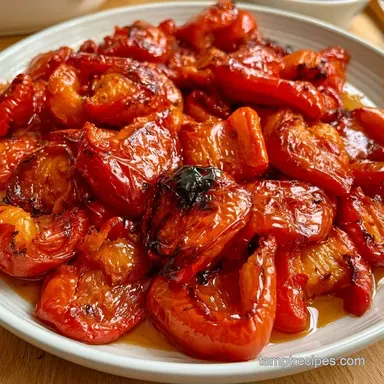
Smoky Roasted Bell Peppers Canned
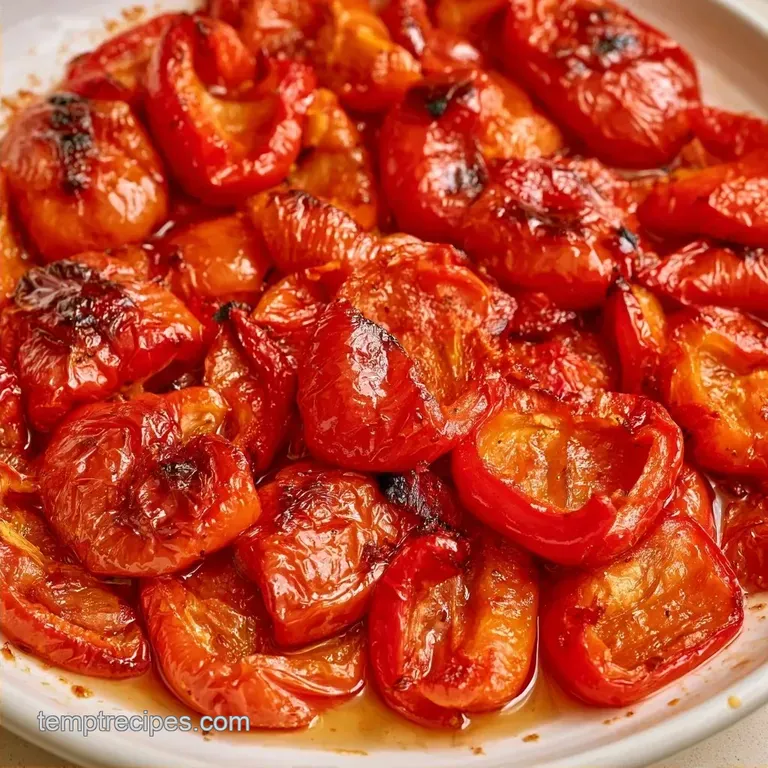
- Time: 20 min active + 40 min cook
- Flavor/Texture Hook: Smoky, tangy, and rich
- Perfect for: Pantry stocking, antipasto platters, beginner canners
That smell of blackened pepper skins hitting the broiler is the best part of August. I used to just roast them and toss them in the fridge, but they never lasted more than a few days before turning soft and weird.
The trick is the brine. You need enough acidity to make them safe for the shelf, but not so much that they taste like straight vinegar. These Roasted Bell Peppers Canned give you that concentrated, smoky flavor that tastes way better than anything in a store-bought jar.
Expect a bit of a mess with the peeling process. It's a bit tedious, but it's the only way to get that smooth texture. Once they're in the jars, you've got a hearty staple ready for winter.
Why the Ratio Matters
- Vinegar Balance: A 1:1 ratio of water to vinegar keeps the acidity high enough for water bath canning. This prevents spoilage without masking the pepper's sweetness.
- The Steam Trap: Covering scorching peppers in a bowl traps the heat. This loosens the skin so it slides off in one piece.
| Method | Time | Texture | Best For |
|---|---|---|---|
| Quick Pickle | 30 mins | Crisp/Fresh | Immediate use |
| Roasted Canned | 60 mins | Soft/Smoky | Long term storage |
Gear You'll Need
No specialized gear is necessary. A basic baking sheet and a large glass bowl for steaming are the primary tools. For the canning process, use a wide mouth pot deep enough to keep your pint jars submerged under an inch of water.
A digital timer is highly recommended. It is easy to lose track of time during boiling, and over processing can make the peppers mushy. A simple jar lifter is also a great addition to prevent burning your hands.
Ingredient Breakdown
Ingredients
- 1.8 kg Red Bell Peppers, seeded and quartered Why this? Their high sugar content is ideal for charring
- 30 ml Olive Oil Why this? Promotes faster blistering of the skins
- 240 ml White Vinegar (5% acidity) Why this? Vital for safe acidification
- 240 ml Water
- 15 ml Pickling Salt Why this? Keeps the brine clear, unlike table salt
- 5 ml Sugar Why this? Counteracts the sharp acidity of the vinegar
- 4 cloves Garlic, smashed
| Ingredient | Role | If You Don't Have It |
|---|---|---|
| White Vinegar | Acidification | Apple cider vinegar (adds fruitiness) |
| Pickling Salt | Preservation | Kosher salt (check for additives) |
| Red Peppers | Base | Orange peppers (slightly milder) |
Now, let's start the preparation. Be sure to sterilize your jars before you begin so you aren't rushing at the end.
The Final Specs
- Prep time: 20 minutes
- Cook time: 40 minutes
- Total time: 60 minutes
- Yield: 4 pints
Step by step Guide
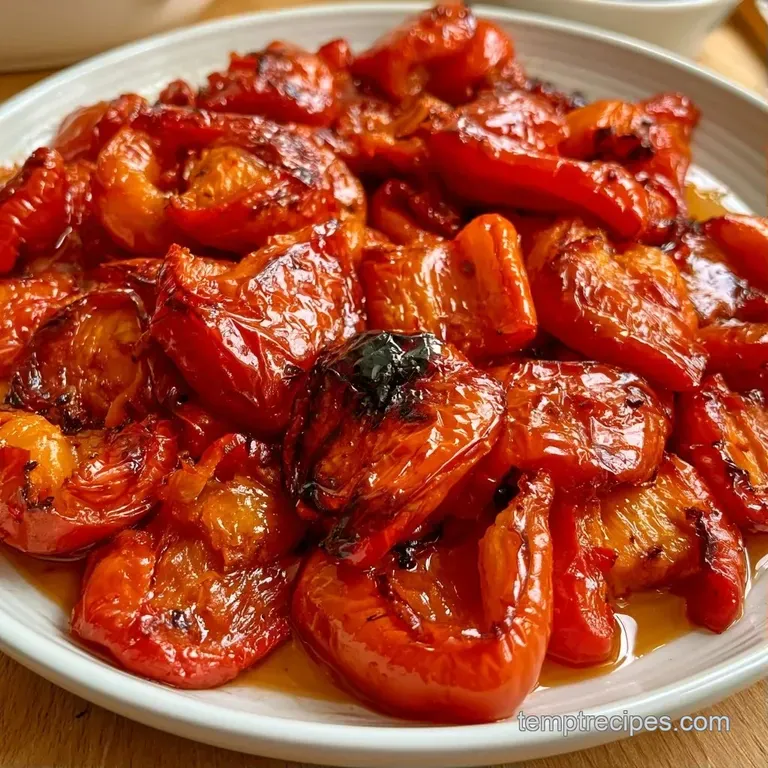
- Preheat your broiler to high. Toss the pepper quarters in olive oil and spread them on a baking sheet.
- Broil for 5-8 minutes per side until the skins blister and turn a deep, mahogany black in spots.
- Transfer the scorching peppers into a large bowl and cover it with a lid or plate.
- Let them steam for 10-15 minutes Note: This makes the skins slide off easily.
- Gently rub the charred skins off with your fingers once they cool slightly.
- Combine white vinegar, water, pickling salt, sugar, and smashed garlic in a saucepan.
- Bring to a rolling boil, then simmer for 2 minutes until the garlic smells fragrant.
- Pack the peeled peppers tightly into sterilized pint jars, leaving 1.2 cm of headspace.
- Pour the hot brine over the peppers until they are completely submerged.
- Wipe the rims, apply lids, and process in a boiling water bath for 15 minutes.
Fixing Common Jar Issues
Preventing Mushy Peppers
This usually happens if the broiler is too hot for too long or the water bath goes over 15 minutes. Pull the peppers out the second you see those black blisters. Stick to the timer strictly during the processing phase.
Fixing a Failed Seal
If a lid doesn't pop, don't panic. You can either re process the jar for another 15 minutes or just put it in the fridge and eat it within a week. Check the rim for any stray pepper bits that might have blocked the seal.
Avoiding Bitter Brine
Bitter tastes often come from burnt garlic or using the wrong salt. Smashed garlic is better than minced because it doesn't burn as quickly in the simmer. Always use pickling salt to keep the brine clear.
Adjusting Your Batch Size
When you're making a double batch of Roasted Bell Peppers Canned, don't just double everything. Increase the salt and sugar by only 1.5x to keep the flavor from becoming too intense.
If you're cutting the recipe in half, use a smaller baking sheet. If the peppers are too crowded, they'll steam instead of charring, and you'll lose that smoky depth. Reduce your water bath time by about 2 minutes if using very small jars.
| Goal | What to change |
|---|---|
| Tangier taste | Increase vinegar by 10% |
| Sweeter profile | Add 5 ml more sugar |
| More heat | Add 1 tsp red pepper flakes |
Long Term Storage Tips
Keep your jars in a cool, dark place like a pantry or cellar. Properly processed Roasted Bell Peppers Canned will last up to 12 months. Once you open a jar, move it to the fridge and use it within 10 days.
Don't throw away the brine! It's basically a smoky, garlic infused vinegar. I use the leftover liquid as a marinade for grilled chicken or whisk it into a salad dressing. Even the pepper stems can go into a scrap bag in the freezer for making vegetable stock later.
Customizing the Flavor
If you want a more Mediterranean vibe, toss in a few strips of lemon peel or a pinch of oregano during the brine simmer. For those who like a kick, adding a sliced habanero to each jar before pouring the brine works wonders.
If you're in a rush and can't deal with the canning process today, my sauteed bell peppers are a fast alternative for a weeknight meal. You can also swap the white vinegar for rice vinegar if you want a softer, less aggressive acidity.
Best Serving Suggestions
These are great on a charcuterie board with some sharp cheddar and salty olives. I also love chopping them up and stirring them into a warm bowl of pasta or using them as a topping for a burger.
If you have a few jars left over in the winter, they make a great base for roasted red pepper soup. Just blend them with a bit of cream and broth for a quick, comforting meal. Trust me, having these Roasted Bell Peppers Canned in your pantry makes dinner way less stressful during the colder months.
Recipe FAQs
How to preserve roasted peppers with garlic?
Pack peeled peppers into sterilized jars and cover with a boiling brine of vinegar, water, salt, sugar, and garlic.
Tip: Rub the charred skins off gently with your fingers before packing to keep the peppers intact.
Can I roast red peppers in a toaster oven?
Set the toaster oven to broil and cook quarters for 5-8 minutes per side.
Tip: Watch them closely as smaller ovens can burn skins faster than full sized ones.
What is the process for roasting stuffed peppers in the oven?
Fill peppers with your favorite filling and bake until the vegetable is tender.
Tip: If you enjoyed filling peppers, try our turkey stuffed peppers for a high protein meal.
Which oven setting works best for bell peppers?
Broil on high for 5-8 minutes per side until skins blister and turn mahogany black.
Tip: Toss the quarters in olive oil first to ensure even charring and prevent sticking.
Is it true that you must peel peppers under running water?
Not true. Steaming the scorching peppers in a covered bowl for 10-15 minutes makes the skins slide off easily.
Tip: Let them cool slightly before rubbing the skins off to avoid burning your fingertips.
Do I need to use only olive oil for the canning liquid?
False. This recipe uses a brine of white vinegar, water, salt, sugar, and garlic for safety and preservation.
Tip: Use 5% acidity white vinegar to ensure the pH level is safe for water bath processing.
Should I add the peppers to the brine while it's boiling?
No, and here's why. Packing the peppers first and then pouring the hot brine over them prevents the peppers from overcooking and becoming mushy.
Tip: Pack the peppers tightly into the pint jars to minimize the amount of brine needed.
Which recipes use canned roasted peppers?
Slice the preserved peppers to use as toppings for pizzas, salads, or stirred into sauces.
Tip: Drain the brine well before adding the peppers to fresh salads to maintain the dressing balance.
Roasted Bell Peppers Canned