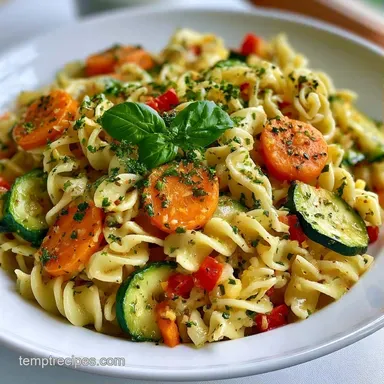
Hearty One Pot Veggie Pasta
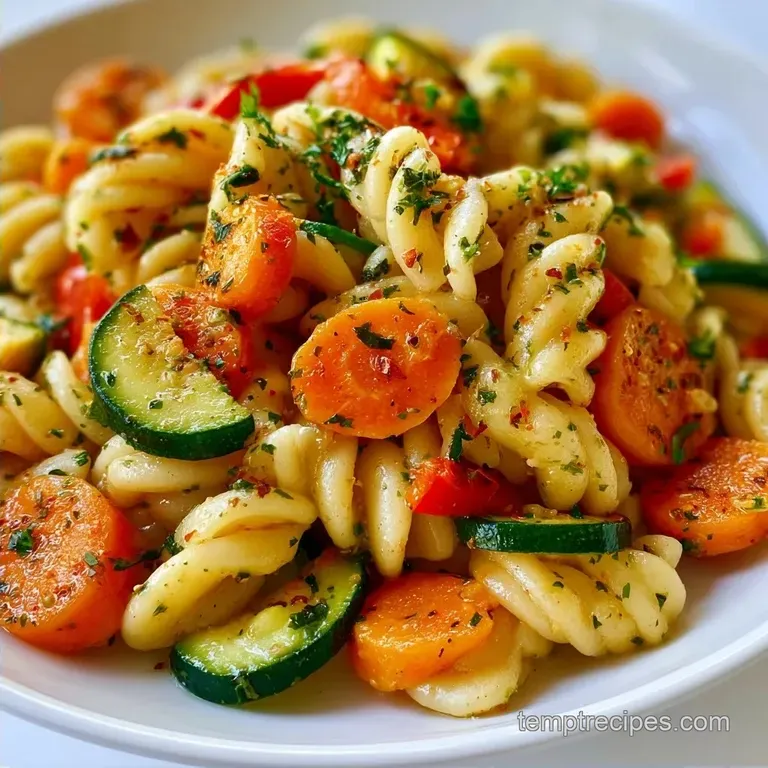
- Time: 10 min active + 20 min cook
- Flavor/Texture Hook: Tangy, creamy, and hearty
- Perfect for: Stress free weeknight dinners
- Simple One Pot Veggie Pasta Recipe
- Why These Ingredients Work
- The Essential Ingredient List
- Tools You'll Need
- Step by Step Instructions
- Fixing Common Problems
- Troubleshooting Common Issues
- Easy Flavor Twists
- Adjusting the Portion Size
- Debunking Kitchen Myths
- Storage and Zero Waste
- Best Ways to Serve
- Critical Sodium Level
- Recipe FAQs
- 📝 Recipe Card
The sizzle of diced carrots and onions hitting hot olive oil is the best part of my evening. There is something about that specific aroma that tells me dinner is actually going to happen without me spending two hours at the stove.
I used to be the person who boiled a massive pot of water, drained the pasta, and then wondered why my sauce felt separate from the noodles.
The real hero here is the crushed tomatoes. Unlike diced tomatoes, which stay in chunks, crushed tomatoes melt into the broth to create a cohesive, rich base. They act as the cooking medium for the pasta, ensuring every noodle absorbs the vegetable flavors instead of just plain water.
This One Pot Veggie Pasta is about comfort and simplicity. You get the depth of a slow simmered sauce but in a fraction of the time. It is a satisfying, budget friendly meal that doesn't skimp on the nutrients.
Simple One Pot Veggie Pasta Recipe
Right then, let's get into why this method works so well. Most people think you need a separate pot of salted water to get a good pasta texture. That's actually a misconception. When you cook the pasta inside the sauce, the starch that usually washes down the drain stays in the pot.
This starch acts as a natural thickener. It binds the vegetable broth and crushed tomatoes into a creamy sauce that clings to the penne. You don't need to add heavy creams or cornstarch to get that rich mouthfeel.
Starch Retention: The pasta releases starch directly into the sauce, creating a natural bond between the noodles and the liquid. Layered Cooking: Sautéing the hard veggies first ensures they are tender by the time the pasta is done.
| Method | Time | Cleanup | Sauce Consistency |
|---|---|---|---|
| One Pot | 30 mins | 1 Pot | Thicker, starch bound |
| Classic | 45 mins | 3 Pots | Lighter, separate |
It's a much more efficient way to eat. Plus, the nutrients from the vegetables stay in the pan instead of being poured down the sink.
Why These Ingredients Work
Each part of this dish has a job. I've spent a lot of time swapping things out to see what actually holds up. The Greek yogurt is a personal favorite because it gives a tangy finish that cuts through the richness of the Parmesan.
| Ingredient | What It Does | Best Swap |
|---|---|---|
| Whole Grain Penne | Adds fiber and holds sauce | Chickpea pasta |
| Crushed Tomatoes | Base for the sauce | Tomato purée |
| Vegetable Broth | Cooks the pasta | Water + bouillon |
| Greek Yogurt | Adds creaminess | Coconut yogurt |
The whole grain penne is a smart choice here. It has a bit more "bite" and doesn't turn to mush as easily as white pasta when simmered in a thick sauce.
The Essential Ingredient List
I keep these basics in my pantry. If you're on a tight budget, frozen mixed vegetables can work as a replacement for the fresh carrots and peppers, just toss them in frozen.
- 1 tbsp extra virgin olive oil
- 1 medium yellow onion, diced
- 3 cloves garlic, minced
- 2 medium carrots, sliced into rounds Why this? Adds natural sweetness to balance the tomatoes
- 1 medium zucchini, diced
- 1 medium red bell pepper, chopped
- 12 oz whole grain penne Why this? Sturdier texture for one pot cooking
- 3 cups low sodium vegetable broth
- 1 can (15 oz) crushed tomatoes Why this? Creates a smooth, cohesive sauce base
- 1 tsp dried oregano
- 1 tsp dried basil
- 1/2 tsp salt
- 1/4 tsp black pepper
- 1/4 cup freshly grated Parmesan cheese
- 2 tbsp plain Greek yogurt Why this? Thickens and adds a bright, tangy note
- 2 cups fresh baby spinach
- 1 tbsp fresh lemon juice Why this? Wakes up the earthy vegetable flavors
| Original Ingredient | Substitute | Why It Works |
|---|---|---|
| Whole Grain Penne | Brown Rice Pasta | gluten-free; holds shape well. Note: May require 2 extra mins of simmering |
| Greek Yogurt | Heavy Cream | More traditional richness. Note: Lacks the tangy acidity of yogurt |
| Parmesan Cheese | Nutritional Yeast | Vegan alternative. Note: Adds a nutty, cheesy flavor without dairy |
| Vegetable Broth | Water + Salt | Budget option. Note: Less depth of flavor than broth |
Honestly, don't even bother with low-fat cheese. The small amount of Parmesan provides the salt and umami needed to make the vegetables pop.
Tools You'll Need
You don't need fancy gear for this. A heavy bottomed pot is the way to go.
- Dutch Oven or Deep Skillet: Something with a lid is essential to trap the steam and cook the pasta evenly.
- Wooden Spoon: Best for stirring the pasta to ensure nothing sticks to the bottom.
- Colander: Not for the pasta, but for rinsing your vegetables.
Step by step Instructions
Let's crack on with the cooking. Keep an eye on the liquid levels to make sure the pasta is happy.
Phase 1: Sauté the Aromatics
- Heat olive oil over medium heat in your Dutch oven. Add the onion, carrots, and bell pepper. Sauté for 5-7 minutes until onions are translucent and carrots have softened. Note: This builds the flavor base.
- Stir in the garlic and zucchini. Cook for another 2 minutes until the garlic is fragrant and the zucchini just begins to soften.
Phase 2: The One Pot Simmer
- Stir in the crushed tomatoes, vegetable broth, oregano, basil, salt, and pepper. Bring the mixture to a gentle boil.
- Stir in the dry penne, ensuring noodles are mostly submerged. Reduce heat to low and cover with a lid.
- Simmer for 10-12 minutes, stirring every 3 minutes until pasta is tender but still has a slight chew. Note: Stirring prevents the starch from gluing the noodles to the bottom.
Phase 3: The Creamy Finish
- Remove the pot from the heat. Fold in the fresh baby spinach until it wilts from the residual heat.
- Stir in the Greek yogurt and lemon juice. This creates a silky finish that blends with the tomato base.
- Sprinkle with Parmesan cheese and stir until melted and integrated.
Chef's Note: If the sauce looks too thick after the pasta cooks, add a splash of hot water. If it's too thin, let it sit for 5 minutes off the heat; it will thicken as it cools.
Fixing Common Problems
Even a simple One Pot Veggie Pasta can go sideways if the heat is too high or the stirring is too lazy. Most issues come down to the liquid to pasta ratio.
Troubleshooting Common Issues
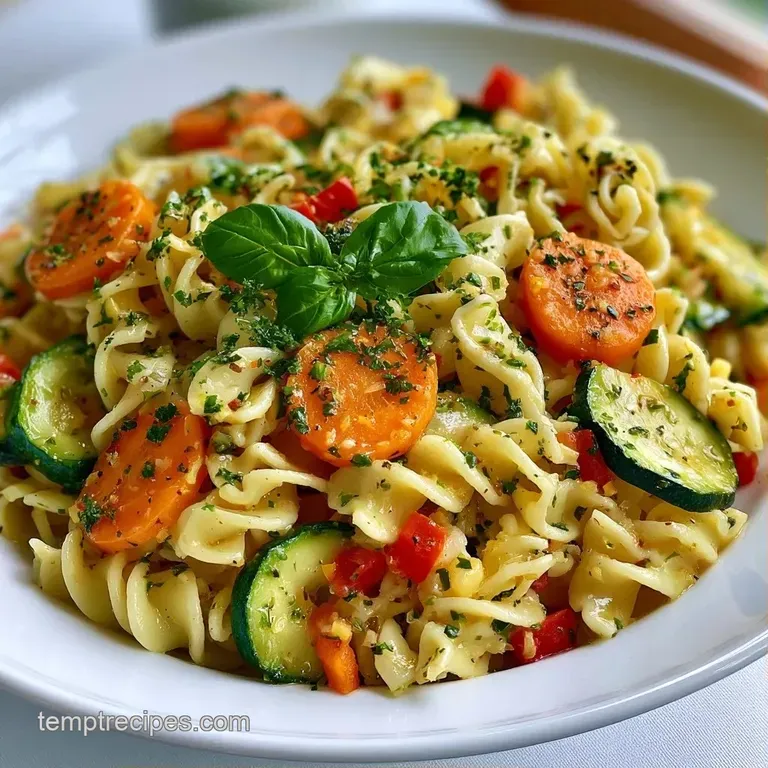
| Issue | Solution |
|---|---|
| Why Your Pasta is Mushy | This usually happens if you simmer the pasta for too long or use a pasta shape that is too thin. Whole grain penne is great because it holds its structure. |
| Why the Sauce is Too Thin | If you didn't stir enough or the lid wasn't tight, you might have too much liquid left. You can fix this by simmering for another 2 minutes without the lid to let some moisture evaporate. |
| Why the Pasta is Sticking | The starch in one pot meals can be sticky. If you don't stir occasionally, the noodles will clump together. |
If you find yourself struggling with sauce consistency in other dishes, you might like my Creamy Garlic Pasta Sauce which uses a different thickening method.
Easy Flavor Twists
This recipe is a great canvas. Depending on what's in your fridge, you can take this in a few different directions.
The Protein Boost: Stir in a can of drained chickpeas or cannellini beans during the simmer phase. If you aren't sticking to a vegetarian diet, my Cheesy Ground Beef Pasta follows a similar logic and is a huge hit with kids.
The Spice Kick: Add 1/2 tsp of red pepper flakes when you add the garlic. It gives the dish a warm glow without being overwhelming.
The Vegan Swap: Use coconut yogurt instead of Greek yogurt and nutritional yeast instead of Parmesan. It keeps that same hearty feel.
Decision Shortcut:
- Want it creamier? Add 1 extra tbsp of Greek yogurt.
- Want it zingier? Add a teaspoon of capers at the end.
- Want more greens? Double the spinach or add kale.
Adjusting the Portion Size
Scaling a one pot meal is slightly different than scaling a standard recipe. You can't just double everything and expect the same results.
Scaling Down (Half Recipe): Use a smaller skillet. Reduce the simmer time by about 20% because the smaller volume of liquid heats up faster. If the recipe calls for 1 egg (though not here), beat it and use half.
Scaling Up (Double Recipe): Don't double the salt or dried herbs; start with 1.5x and taste at the end. You may need to reduce the broth by about 10% (use 5.5 cups instead of 6) because less liquid evaporates when the pot is crowded. Use your largest Dutch oven to ensure the pasta has room to move.
Debunking Kitchen Myths
I've heard a lot of advice over the years that just isn't true. Let's clear a few things up.
Myth: Searing vegetables "locks in" the nutrients. Searing actually causes some nutrient loss due to heat, but we do it for flavor. The browning adds a depth that raw or steamed veggies just can't match.
Myth: You must use a separate pot to avoid "starchy" pasta. Starch is exactly what we want in a sauce. It creates that restaurant style cling. Draining your pasta water is essentially throwing away the best thickening agent you have.
Myth: Whole grain pasta always tastes like cardboard. It only tastes that way if it's overcooked or under seasoned. When cooked in a flavorful broth like in this One Pot Veggie Pasta, it absorbs those tastes and feels hearty.
Storage and Zero Waste
This dish keeps remarkably well. In fact, the flavors often meld and improve by the next day.
Storage Guidelines: Store leftovers in an airtight container in the fridge for up to 4 days. When reheating, add a tablespoon of water or broth to loosen the sauce, as the pasta will continue to absorb liquid while sitting.
Freezing: I don't recommend freezing the finished pasta, as the noodles can become grainy. However, you can freeze the vegetable and tomato base (everything before the pasta is added). Just thaw it and add fresh noodles when you're ready to eat.
Zero Waste Tips: Save your onion skins, carrot peels, and zucchini ends in a freezer bag. Once the bag is full, boil them with water for 2 hours to make your own vegetable broth for the next time you make this recipe.
Best Ways to Serve
Since this is a complete meal, you don't need much on the side, but a few additions make it feel more like a feast.
The Toppings: Freshly torn basil leaves are a must. A drizzle of high-quality olive oil right before serving adds a glossy look and a peppery finish.
The Sides: A simple arugula salad with a lemon vinaigrette balances the richness of the yogurt and cheese. If you have some sourdough, toast it with a bit of garlic butter to scoop up the extra sauce.
The Drink: A crisp white wine or a sparkling water with a lime wedge works well here. The acidity cuts through the starch and keeps the meal feeling light.
This One Pot Veggie Pasta is my go to when I want something that feels like a hug in a bowl but doesn't leave me with a mountain of dishes. It's hearty, satisfying, and uses ingredients you probably already have. Give it a try tonight.
Critical Sodium Level
1260 mg 1260 mg of sodium per serving (55% 55% of daily value)
The American Heart Association recommends a daily sodium limit of no more than 2,300 mg, and ideally less than 1,500 mg for most adults to reduce the risk of cardiovascular disease.
Tips to Reduce Sodium
-
Swap the Broth-30%
Replace the low-sodium vegetable broth with homemade unsalted vegetable stock or water to significantly lower the base sodium content.
-
Eliminate Added Salt-25%
Remove the 1/2 tsp of salt entirely; the natural flavors of the vegetables and the cheese provide enough seasoning.
-
Use No-Salt Added Tomatoes-20%
Swap the standard crushed tomatoes for a 'no-salt added' canned variety to avoid hidden sodium preservatives.
-
Limit the Parmesan-15%
Reduce the Parmesan cheese by half or substitute with nutritional yeast for a similar salty, cheesy flavor with less sodium.
-
Enhance with Herbs
Increase the dried oregano and basil or add fresh parsley and red pepper flakes to boost flavor without adding any salt.
Recipe FAQs
What is your favourite kind of vegetarian pasta to eat?
One Pot Veggie Pasta with whole grain penne. I love how the noodles absorb all the vegetable flavors directly in the pot instead of just boiling in plain water.
What is a good vegetarian pasta recipe?
This one-pot garden vegetable pasta. It is a fantastic choice because you get a rich tomato sauce and tender veggies without having to scrub multiple pans.
What are some good pasta recipes without meat?
Dishes that lean on a mix of zucchini, carrots, and red bell peppers. These vegetables provide the heartiness and nutrients usually found in meat based pasta.
What are some really good vegan pasta recipes?
This recipe works perfectly as a vegan option if you omit the dairy. Simply leave out the Greek yogurt and Parmesan to keep it fully plant based.
What are some easy-to-make vegan pasta dishes?
One-pot recipes are the most efficient. Cooking everything in a single Dutch oven keeps the preparation simple and the cleanup incredibly fast.
What are your best easy vegan pasta recipes?
Modify this veggie pasta by removing the cheese and yogurt. If you enjoyed controlling the sauce thickness here, see how the same principle works in our parmesan cream sauce.
How to make pasta purely vegetarian?
Use vegetable broth as the primary liquid. Avoid any meat based stocks and ensure your Parmesan cheese is made without animal rennet.
One Pot Veggie Pasta