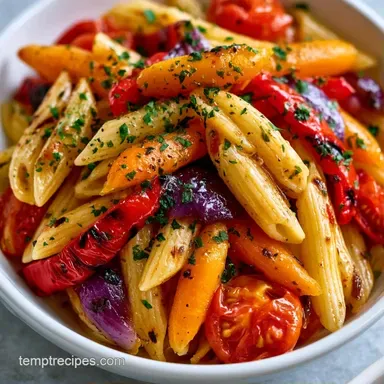
Mediterranean Roasted Vegetable Pasta Dish
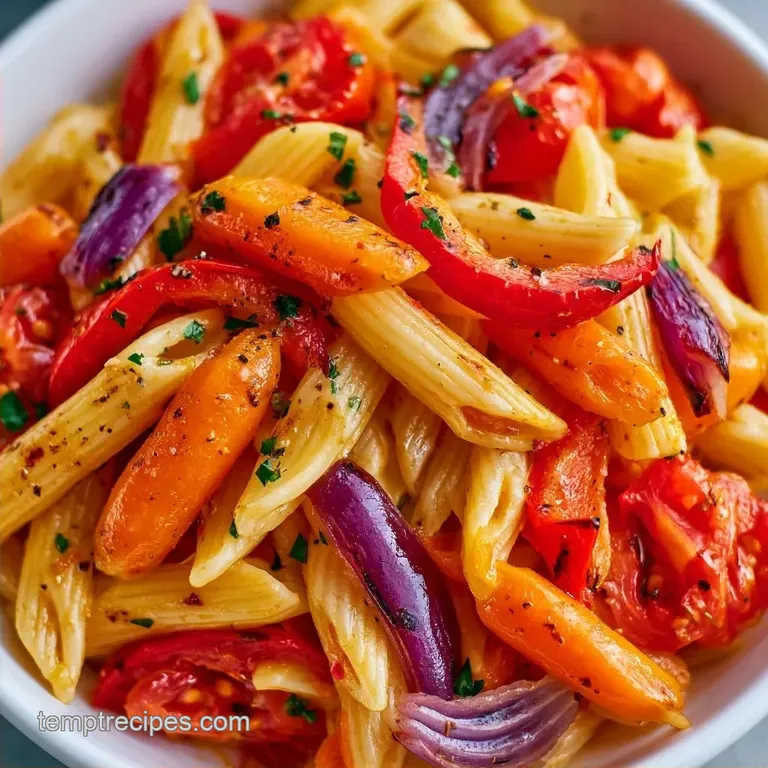
- Time: 10 min active + 45 min cooking/boiling
- Flavor/Texture Hook: Charred, sweet vegetables with a glossy, cheesy coating
- Perfect for: Stress free weeknight dinners or vegetarian meal prep
- Easy Roasted Vegetable Pasta Dish
- Why This Method Works
- Ingredient Deep Dive
- Gathering Your Kitchen Essentials
- Basic Tools For This Meal
- The Actual Cooking Process
- Fixing Common Pasta Problems
- Swaps and Flavor Twists
- Adjusting the Portion Size
- Common Cooking Myths
- Storage and Zero Waste
- Ways to Serve This
- Recipe FAQs
- 📝 Recipe Card
Easy Roasted Vegetable Pasta Dish
The smell of roasting garlic and bursting cherry tomatoes always reminds me of those frantic Tuesday nights when the fridge looks empty, but it's actually full of random produce. I used to spend forever sautéing every single vegetable in a pan, waiting for the carrots to soften while the zucchini turned into mush.
It was a chore.
Then I started throwing everything on one tray. The difference is huge. The vegetables get these dark, caramelized edges that you just can't get in a skillet, and the whole kitchen smells like a Mediterranean summer.
This Roasted Vegetable Pasta Dish is all about that over high heat char. You get a hearty, satisfying meal without standing over the stove for an hour. It's the kind of dinner that feels fancy but actually takes almost no effort once the oven is humming.
Why This Method Works
- over High heat Roasting: 425°F causes the natural sugars in the onions and carrots to brown quickly, which adds a deep, savory sweetness to the meal.
- Starchy Pasta Water: Adding a splash of the salty boiling water helps the parmesan and olive oil bind to the noodles instead of sliding off.
- Acidic Finish: A squeeze of fresh lemon juice at the end cuts through the richness of the cheese and oil, making the vegetable flavors pop.
| Method | Time | Texture | Best For |
|---|---|---|---|
| Sheet Pan (Fast) | 55 mins | Charred & concentrated | Busy weeknights |
| Stovetop (Classic) | 75 mins | Soft & tender | Slow Sunday cooking |
Ingredient Deep Dive
The balance here comes from combining sweet roasted roots with acidic tomatoes and salty cheese.
| Ingredient | What It Does | Best Swap |
|---|---|---|
| Pasta Water | Binds sauce to noodles | None (essential for texture) |
| Lemon Juice | Brightens heavy flavors | Apple cider vinegar |
| Parmesan | Adds salt and body | Pecorino Romano |
| Olive Oil | Conducts heat for browning | Avocado oil |
Gathering Your Kitchen Essentials
You'll need a few fresh items. Stick to the weights listed to make sure everything roasts at the same speed.
For the Roasted Mix
- 3 tbsp extra virgin olive oil
- 1 medium (200g) zucchini, sliced into half moons
- 1 large (150g) red bell pepper, diced into 1 inch chunks
- 1 medium (100g) red onion, cut into wedges
- 1 cup (120g) cherry tomatoes, whole
- 1 cup (150g) carrots, sliced into rounds Why this? Adds earthy sweetness and color
- 4 cloves (20g) garlic, smashed but whole
- 1 tsp dried oregano
- 1 tsp kosher salt
- 1/2 tsp black pepper
For the Pasta Base
- 1 lb (450g) penne or fusilli pasta Why this? Ridges hold the roasted veg bits
- 1 tbsp salt (for the water)
- 1/2 cup reserved pasta cooking water
For the Finishing Touches
- 1/2 cup (50g) freshly grated parmesan cheese
- 1/4 cup (15s) fresh parsley, chopped
- 1 tbsp fresh lemon juice
- 2 tbsp extra virgin olive oil
Basic Tools For This Meal
You don't need a fancy arsenal for this. A large rimmed sheet pan is the most important part. If the pan is too small, the vegetables crowd together and steam instead of roasting.
I usually use a standard 13x18 inch pan. For the pasta, any large pot that can hold 4-6 quarts of water works. A large mixing bowl is helpful for the final toss, though you can just use the pasta pot once the noodles are drained.
The Actual Cooking Process
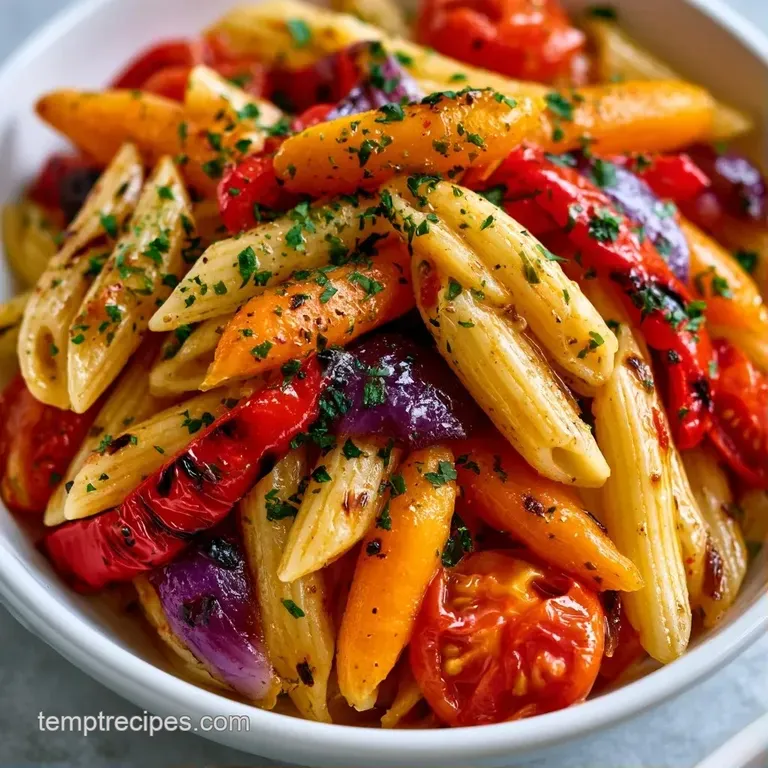
Let's crack on with the cooking. The key is timing the pasta so it finishes right as the vegetables come out of the oven.
Phase 1: The over High heat Roast
- Preheat your oven to 425°F (220°C).
- On a large sheet pan, toss the zucchini, bell pepper, onion, tomatoes, carrots, and smashed garlic with 3 tbsp of olive oil, oregano, salt, and pepper.
- Spread the vegetables in a single layer. Roast for 20-25 minutes until onions are mahogany colored and tomatoes have burst. Note: Don't crowd the pan or they won't brown
Phase 2: The Al Dente Boil
- While vegetables roast, bring a large pot of heavily salted water to a boil.
- Cook the pasta until al dente (usually 1-2 minutes less than the package says).
- Reserve 1/2 cup of the starchy pasta cooking water.
- Drain the pasta.
Phase 3: The Final Emulsion
- Combine the cooked pasta and roasted vegetables in a large bowl or the pot.
- Stir in the reserved pasta water, grated parmesan, chopped parsley, lemon juice, and the remaining 2 tbsp of olive oil.
- Toss thoroughly until the sauce creates a velvety glaze coating the pasta.
Chef's Note: If the pasta looks too dry, add an extra tablespoon of pasta water. It should look glossy, not oily.
Fixing Common Pasta Problems
Even a simple Roasted Vegetable Pasta Dish can go sideways if the heat or timing is off. Most issues come down to moisture control.
Soggy, Steamed Vegetables
If your veg looks pale and wet, you probably overcrowded the pan. When vegetables touch too much, they release steam that traps them in a moist environment.
Dry or Oily Pasta
This happens when the pasta water is missing. Without that starch, the oil and cheese separate, leaving a greasy film on the bottom of the bowl.
Bland Flavor Profile
If the dish tastes "flat", it usually needs more acid. The roasting process creates deep flavors, but you need lemon or vinegar to wake them up.
| Problem | Root Cause | Solution |
|---|---|---|
| Veggies are mushy | Oven temp too low | Use 425°F and a single layer |
| Sauce is clumpy | Cheese added to dry pasta | Stir in pasta water first |
| Pasta is sticky | Not enough salt in water | Use 1 tbsp salt per gallon |
Swaps and Flavor Twists
You can easily change the vibe of this Roasted Vegetable Pasta Dish depending on what's in your crisper drawer. I often swap the zucchini for eggplant or add a handful of halved Brussels sprouts.
If you want a different style of sauce, you could try a tomato ricotta sauce for something creamier. For a more protein heavy version, toss in some chickpeas or sliced sausage on the roasting pan.
Two Flavor Twists
- Spicy Kick: Add 1/2 tsp of red pepper flakes to the roasting vegetables.
- Pesto Finish: Replace the parsley and lemon with 2 tbsp of prepared basil pesto.
Two Diet Swaps
- Vegan Option: Use nutritional yeast instead of parmesan and omit the cheese.
- gluten-free: Use brown rice or chickpea pasta. Note: these often require more pasta water as they absorb liquid faster.
| Original Ingredient | Substitute | Why It Works |
|---|---|---|
| Penne/Fusilli | Chickpea Pasta | High protein. Note: Cooks faster, watch for mushiness |
| Red Bell Pepper | Orange or Yellow | Similar sweetness and moisture content |
| Parmesan | Pecorino | Saltier, sharper flavor profile |
Adjusting the Portion Size
Making this for one or for a crowd requires a few tweaks to the heat and salt.
Scaling Down (Half Recipe) Use a smaller sheet pan (roughly 9x13). Reduce the roasting time by about 5 minutes since there is less mass in the oven. If you use a small pot for the pasta, be careful not to let the water boil over.
Scaling Up (Double/Triple Recipe) Do not try to fit everything on one pan. Work in batches or use two separate sheet pans. If you crowd the pans, you'll get steamed vegetables instead of roasted ones.
For the seasoning, only increase the salt and spices to 1.5x the original amount to avoid over salting.
Common Cooking Myths
Myth: Searing vegetables seals in the nutrients. This is a common misconception. Heat actually breaks down some vitamins. The browning is about flavor and texture, not about "locking in" health benefits.
Myth: You should add oil to your pasta water to stop sticking. Don't do this. Oil floats on top of the water and then coats the pasta. This prevents the sauce from sticking to the noodles, meaning your Roasted Vegetable Pasta Dish will end up with the sauce pooled at the bottom.
Storage and Zero Waste
This meal stays fresh in the fridge for 3-4 days. Store it in an airtight container. When reheating, add a tiny splash of water or a drizzle of olive oil to bring back the glossy texture, as the pasta absorbs the sauce while it sits.
It doesn't freeze well because the roasted zucchini and bell peppers can become watery upon thawing. I recommend keeping the roasted vegetables and pasta separate if you must freeze them.
To keep things zero waste, save your onion skins, carrot peels, and the ends of the zucchini in a freezer bag. Once the bag is full, simmer them with water and a bay leaf to make a quick vegetable stock for your next soup.
Ways to Serve This
This is a hearty main, but it works as a side for grilled chicken or fish. If you're serving it for a dinner party, top each bowl with a fresh dollop of ricotta or a sprinkle of toasted pine nuts for a bit of crunch.
If you have leftovers, they make a great cold pasta salad. Just add a little more lemon juice and fresh herbs. For those who love a rich finish, this pairs well with a creamy garlic sauce drizzled over the top.
Right then, you've got everything you need. Just remember to give those vegetables space on the pan and don't forget that starchy water. Enjoy your Roasted Vegetable Pasta Dish!
Recipe FAQs
What makes this a great vegetarian pasta recipe?
The combination of high heat roasting and a starch based emulsion. Roasting at 425°F caramelizes the carrots and onions, while the reserved pasta water and parmesan create a rich sauce without heavy creams.
How to make this roasted vegetable pasta vegan?
Omit the parmesan cheese. This keeps the dish plant based while maintaining the bold roasted flavor. If you enjoy vegan pasta ideas, this technique is very similar.
Can I use frozen vegetables instead of fresh for this dish?
No, stick with fresh vegetables. Frozen zucchini and peppers release excessive moisture, which prevents them from browning at 425°F and results in a soggy texture.
Why did my roasted vegetables steam instead of brown?
You likely crowded the sheet pan. Spread the vegetables in a single layer to ensure they roast rather than steam, which is the only way to get the onions mahogany colored.
How to store and reheat this pasta?
Store in an airtight container for 3-4 days. When reheating, add a drizzle of olive oil or a splash of water to restore the glossy texture that the pasta absorbs over time.
Is it true that this pasta freezes well for meal prep?
No, this is a common misconception. The roasted zucchini and bell peppers tend to become watery upon thawing, which ruins the consistency of the dish.
How to get a velvety glaze on the pasta without cream?
Toss the pasta with reserved cooking water and parmesan. This creates a starch based emulsion that coats the penne or fusilli in a smooth, glossy glaze.
Roasted Vegetable Pasta Dish