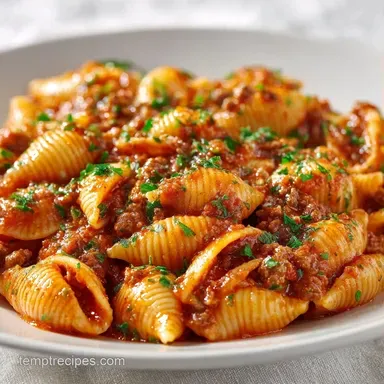
One Pot Beef Shells: Creamy and Hearty
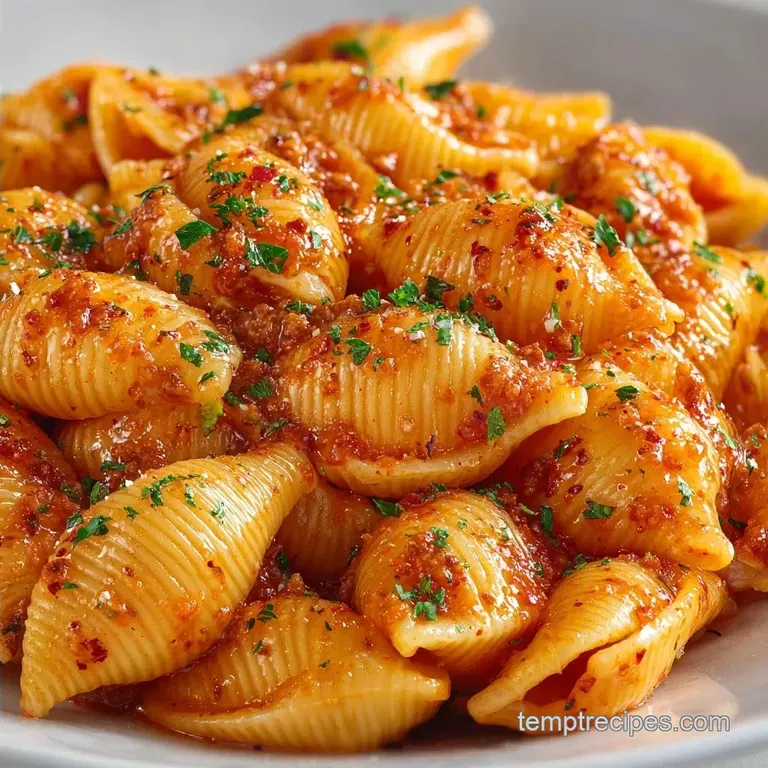
- Time: 10 min active + 25 min cook
- Flavor/Texture Hook: Hearty, cheesy, and rich
- Perfect for: Stress free weeknight dinners
- The One Pot Beef Shells Texture
- One Pot Beef Shells Details
- Ingredients for One Pot Beef Shells
- Tools for This Meal
- Steps From Prep to Plate
- Fixing One Pot Beef Shells Issues
- Troubleshooting Common Issues
- Ways to Adapt the Dish
- Keeping and Warming Leftovers
- Best Ways to Serve It
- Recipe FAQs
- 📝 Recipe Card
The sound of ground beef hitting a hot pot and that first aggressive sizzle is where the magic starts. For a long time, my version of this dish was a disaster. I'd end up with "beefy porridge" because the pasta shells would overcook into mush while the sauce stayed thin and watery.
The fix isn't a fancy tool or a rare ingredient. It's all about the liquid ratio and the timing of the cheese. When you cook the pasta directly in the broth, the starch stays in the pot instead of going down the drain.
This One Pot Beef Shells recipe solves the mushiness problem by using a controlled simmer. You get a satisfying, hearty meal that feels like a hug in a bowl, but you only have one pan to scrub when you're done.
The One Pot Beef Shells Texture
How the Sauce Thickens: Pasta releases starch as it boils in the broth. This starch binds with the cream cheese to create a thick, silky sauce.
The key to avoiding that gummy texture is the gentle boil. If you blast the heat, the liquid evaporates too fast and the pasta stays hard. If it's too low, the shells just soak up water and get bloated. You want a steady bubble that keeps the pasta moving.
I've found that using a heavy bottomed pot helps distribute the heat. Thin pans create hot spots that scorch the beef or the cheese, leading to a grainy sauce. A thick base ensures the cream cheese melts evenly into the broth.
Right then, the timing of the dairy is everything. Adding the milk and cream cheese at the very end prevents the sauce from breaking. If you boil the cream cheese for too long, the fats separate, and you lose that smooth finish.
One Pot Beef Shells Details
Before you start, it helps to know how this approach differs from traditional methods. Most people boil pasta separately, which removes the natural thickener. By keeping everything together, the flavor penetrates the shells.
| Feature | Fresh Method | Shortcut Version | Impact |
|---|---|---|---|
| Aromatics | Fresh onion/garlic | Onion/garlic powder | Fresh adds depth; powder is flatter |
| Cheese | Freshly shredded | Pre shredded bags | Bags have starch that can make sauce grainy |
| Broth | Low sodium beef | Beef bouillon cube | Broth has a cleaner, more natural taste |
If you're unsure about how to tweak the result, use this quick guide: - If you want it creamier, add an extra splash of skim milk at the end. - If you want it tangier, stir in a teaspoon of lemon juice before serving.
- If you want more greens, fold in a handful of baby spinach during the last 2 minutes of simmering.
Ingredients for One Pot Beef Shells
Getting the right fat content in your meat is important. I recommend 90% lean ground beef, as according to USDA FoodData, higher lean percentages prevent the sauce from becoming overly greasy.
| Ingredient | What It Does | Best Swap |
|---|---|---|
| Medium Shells | Holds the sauce inside | Rotini or Macaroni |
| Beef Broth | Provides the cooking liquid | Vegetable broth (lighter taste) |
| Cream Cheese | Creates the creamy base | Mascarpone (richer) |
| Sharp Cheddar | Adds salty, pungent flavor | Gruyère (nuttier) |
The Shopping List
- 1 lb lean ground beef (90% lean or higher)Why this? Prevents a layer of grease on top
- 1 tbsp olive oil
- 1 medium yellow onion, finely diced
- 3 cloves garlic, minced
- 1 tsp smoked paprika
- 1/2 tsp salt
- 1/4 tsp black pepper
- 2 cups medium pasta shells (dried)
- 3 cups low sodium beef broth
- 1 cup tomato sauce
- 1 tsp dried oregano
- 4 oz low-fat cream cheese, softenedWhy this? Melts faster and keeps it lighter
- 1 cup sharp white cheddar, shredded
- 1/2 cup skim milk
- 2 tbsp fresh parsley, chopped
Tools for This Meal
You don't need a professional kitchen for this, but a few specific tools make it easier. A large, heavy bottomed pot (like a Dutch oven) is the most important piece. It handles the simmering phase without burning the bottom.
I also suggest a sturdy wooden spoon or a silicone spatula. You'll need it to scrape the "fond" - those brown bits of beef stuck to the bottom - into the sauce. Those bits hold the most flavor.
A fine mesh strainer is handy if you're prepping your parsley, but otherwise, a simple chef's knife and cutting board for the onion and garlic will do the trick.
Steps From Prep to Plate
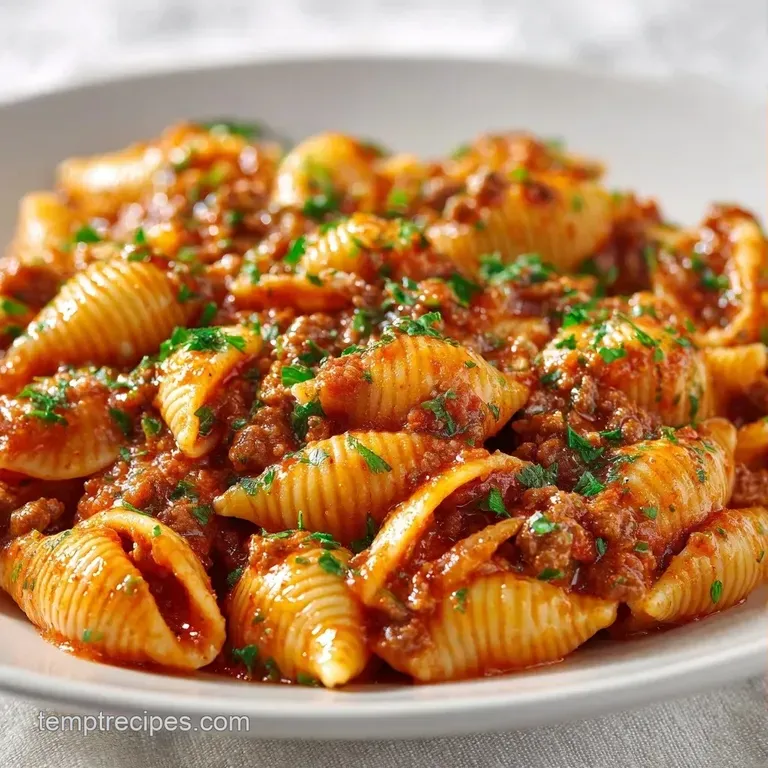
This One Pot Beef Shells process is broken into three phases. Following the flow prevents the beef from overcooking and the cheese from separating.
Phase 1: Searing and Aromatics
Heat olive oil in a large heavy bottomed pot over medium high heat. Add the lean ground beef, breaking it apart with a spoon, and cook until mahogany colored and no longer pink.
Stir in the diced onion and sauté for 3-4 minutes until translucent. Add minced garlic, smoked paprika, salt, and pepper; stir for 60 seconds until fragrant.
Phase 2: The One Pot Simmer
Pour in the beef broth, tomato sauce, and dried oregano. Use your spoon to scrape up the browned bits from the bottom. Stir in the dry pasta shells.
Bring the liquid to a gentle boil, then reduce heat to medium low. Cover with a lid and simmer for 10-12 minutes, stirring occasionally, until the shells are tender.
Phase 3: Creating the Creamy Finish
Turn the heat to low. Stir in the softened cream cheese and milk, whisking gently until the sauce is smooth. Fold in the shredded cheddar cheese until completely melted, then garnish with fresh parsley.
Chef's Note: If you have a bit of espresso powder in the pantry, add a tiny pinch during the searing phase. It doesn't make it taste like coffee, but it deepens the color and savoriness of the beef.
Fixing One Pot Beef Shells Issues
Even with a simple recipe, things can go sideways. Usually, it's a heat issue or a liquid measurement error.
Troubleshooting Common Issues
| Issue | Solution |
|---|---|
| Why Your Sauce is Too Thin | If the sauce looks more like soup than a creamy coating, you likely didn't simmer long enough or the lid was too tight, preventing some evaporation. |
| Why Your Pasta is Mushy | Mushy pasta happens when the heat is too high during the simmer or you leave the pot on the heat too long after the shells are done. |
| Why Your Cheese Separated | This happens when the pot is too hot when the dairy hits. |
Ways to Adapt the Dish
You can easily shift this recipe to fit your diet. If you want something slightly different, this is similar to my creamy ground beef pasta, but the shells hold more sauce.
Scaling Guidelines - For 3 servings (Half): Use a smaller pot. Reduce the simmering time by about 20% since there's less mass to heat. Use half the beef and liquids. - For 12 servings (Double): Do not simply double the liquids. Increase salt and spices to 1.5x only.
Reduce the beef broth by about 10% to avoid a watery result, as larger volumes retain more moisture.
Dietary Swaps
- Lower Carb: Use chickpea or lentil shells. Note that these release more starch, so you may need an extra 1/2 cup of broth.
- dairy-free: Swap the cream cheese for a cashew based cream cheese and the cheddar for a vegan shreds alternative.
- Spicy Kick: Add 1/2 tsp of red pepper flakes with the garlic.
Keeping and Warming Leftovers
This dish keeps remarkably well because the shells hold onto the moisture. If you have leftover ground beef from a different meal, you could try a beef bowl for a lighter lunch.
Storage Guidelines Store the leftovers in an airtight container in the fridge for up to 4 days. Because the pasta continues to absorb the sauce as it sits, you'll notice it gets thicker in the fridge.
Freezing Tips You can freeze this for up to 3 months. I recommend freezing it in individual portions. Note that dairy based sauces can sometimes separate during freezing, so a good stir is needed upon reheating.
Best Reheating Method Avoid the microwave if you can. Instead, put the shells in a small pan over low heat. Add a splash of milk or water to loosen the sauce. This brings back that original texture without drying out the beef.
Best Ways to Serve It
One Pot Beef Shells is a heavy hitter, so it needs something bright to balance the richness. A simple side of steamed broccoli or a crisp green salad with a vinaigrette works best.
The Balanced Plate I like to serve this with a side of roasted carrots. The sweetness of the carrots cuts through the saltiness of the cheddar and the richness of the cream cheese.
The Hearty Combo If you're feeding a crowd that needs more calories, serve this alongside a slice of toasted sourdough rubbed with a raw garlic clove. The crunch of the toast is a great contrast to the tender shells.
Recipe FAQs
Can I make creamy beef and shells in one pot?
Yes, everything cooks in a single heavy bottomed pot. You simmer the pasta directly in the beef broth and tomato sauce, then stir in the dairy at the end.
Is this one pot beef shells recipe easy for beginners?
Yes, it requires minimal equipment and basic sautéing skills. The process takes only 35 minutes from prep to plate.
Does this recipe use cream cheese for creaminess?
Yes, softened cream cheese provides the rich base. It is whisked in with milk at the end to create a smooth, velvety texture.
Is this one pot beef shells recipe healthy?
Yes, it utilizes lean ground beef and low-sodium broth. Using low-fat cream cheese and skim milk further reduces the fat content per serving.
How do I make these creamy beef and shells quickly?
Sauté the beef and onions, then simmer the shells for 10-12 minutes. If you enjoyed mastering the one-pot simmering technique here, see how the same principle works in our pasta with green pea sauce.
Is it true that the cheese will separate if I add it while the pot is boiling?
No, this is a common misconception. The cheese separates if the pot is too hot; you must turn the heat to low before stirring in the cream cheese and milk.
Why is my beef shells sauce too thin?
You likely didn't simmer the pasta long enough or the lid was too tight. This prevents necessary evaporation, leaving the sauce looking more like soup than a creamy coating.
One Pot Beef Shells