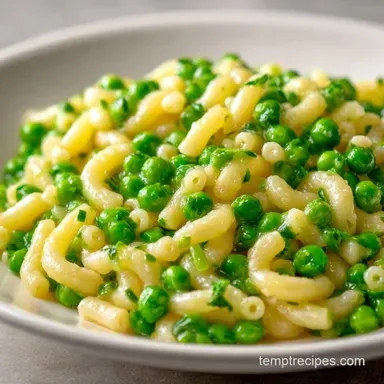
One Pot Pasta Peas: Guilt-Free and Creamy
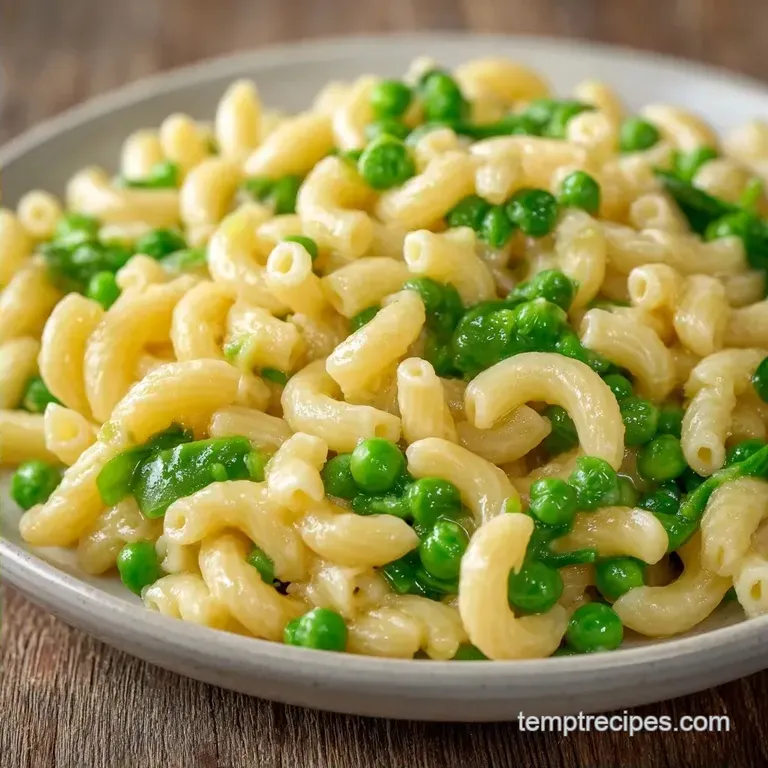
- Time: 5 min active + 20 min cook
- Flavor/Texture Hook: Velvety sauce with popping, bright green peas
- Perfect for: Stress free weeknight dinner
The scent of sautéing yellow onion and garlic is probably the best part of any evening in the kitchen. It's that immediate signal that dinner is actually happening. But let's be real, one pot meals can be a gamble.
I've had plenty of nights where I tried to save time and ended up with "pasta porridge" - that gummy, over starched mess where the noodles are mush and the sauce is basically glue.
The trick to avoiding that disaster is all about the liquid ratio and when you add the greens. Most people dump everything in at once and hope for the best. That's how you get gray peas and soggy pasta.
This version of One Pot Pasta Peas fixes that by layering the cook times, ensuring the pasta hits that al dente mark just as the sauce thickens.
You can expect a meal that feels hearty but stays light thanks to a splash of lemon at the end. It's the kind of comfort food that doesn't leave you feeling like you need a nap immediately after eating. Let's crack on and get this moving.
One Pot Pasta Peas
The secret to this dish isn't some fancy technique, it's just managing the starch. When you boil pasta in a separate pot and drain it, you throw away all that liquid gold. Here, we keep it. That starch mixes with the vegetable broth and Parmesan to create a sauce that clings to the noodles.
- Starch Emulsion
- The pasta releases amylose into the broth, which thickens the liquid naturally as it simmers.
- Residual Heat
- Adding peas at the very end uses the heat of the pasta to cook them, which keeps them from shriveling.
- Acid Balance
- Fresh lemon juice cuts through the saltiness of the Parmesan, brightening the whole pan.
- Aromatic Base
- Starting with sautéed onions creates a savory depth that you just don't get if you boil everything from cold.
| Method | Total Time | Texture | Best For |
|---|---|---|---|
| Stovetop | 25 mins | Velvety & glossy | Quick weeknight meals |
| Oven Bake | 45 mins | Hearty & crusty | Meal prep or crowds |
The way the ingredients interact here is pretty straightforward but specific. If you change the pasta shape or the broth, you'll change the final consistency.
| Ingredient | Science Role | Pro Secret |
|---|---|---|
| Ditalini Pasta | Starch source | Small shapes release starch more evenly for a thicker sauce |
| Vegetable Broth | Hydration/Flavor | Use low sodium so the Parmesan doesn't make it too salty |
| Parmesan | Emulsifier | Grate it yourself; pre shredded has cornstarch that ruins the glide |
Gathering Your Essentials
For this recipe, we want things that provide a punch of flavor without adding too much bulk. Using a small, heavy bottomed pot helps distribute the heat, which means fewer hot spots and less chance of the pasta sticking to the bottom.
- 1 tbsp (14g) olive oil Why this? High smoke point for sautéing onions
- 1 small (100g) yellow onion, finely diced Why this? Provides a sweet, savory base
- 3 cloves (15g) garlic, minced Why this? Essential for depth
- 12 oz (340g) ditalini or small shell pasta Why this? Small size creates more surface area for sauce
- 4 cups (950ml) low sodium vegetable broth Why this? More flavor than water, less salt than stock
- 1 ½ cups (225g) frozen sweet peas Why this? Frozen peas keep their color better than canned
- ½ tsp (3g) salt Why this? Basic seasoning
- ¼ tsp (1g) cracked black pepper Why this? Subtle heat
- ½ cup (50g) freshly grated Parmesan cheese Why this? Adds salt and creaminess
- 1 tbsp (15ml) fresh lemon juice Why this? Cuts through the fat
- 2 tbsp (8g) fresh parsley, chopped Why this? Fresh, herbaceous finish
If you're out of ditalini, small shells or macaroni work just fine. If you're avoiding dairy, you can swap the Parmesan for a nutritional yeast blend, though the texture will be slightly less velvety.
Equipment Needed
You don't need a kitchen full of gadgets for this. In fact, the fewer tools you use, the better. A sturdy 3 quart pot or a deep skillet is your best friend here.
I prefer a pot with a wide base because it allows the liquid to reduce faster. If your pot is too narrow and deep, the pasta at the bottom might overcook before the liquid on top has evaporated.
A wooden spoon is a must for stirring, as it doesn't scratch the pan and gives you a good feel for when the sauce has thickened.
How to Make It
Let's get into the actual cooking. Keep your heat steady and don't walk away from the pot for too long.
- Heat olive oil in your pot over medium heat.
- Add the diced onion and sauté for 3-4 minutes until they look translucent and soft.
- Stir in the minced garlic and cook for another 60 seconds until you can smell that sharp, garlic aroma.
- Pour in the vegetable broth and bring it to a gentle boil. Note: Don't let it boil over; keep it at a steady bubble.
- Stir in the pasta, salt, and pepper.
- Reduce heat to medium low and simmer for 10-12 minutes, stirring occasionally until the pasta is al dente and the liquid is a thick, glossy glaze.
- Stir in the frozen peas and cook for 2-3 minutes until the peas are bright green and heated through.
- Remove the pot from the heat immediately. Note: If you keep cooking, the Parmesan might clump.
- Fold in the Parmesan cheese and lemon juice, stirring vigorously until the cheese melts into a velvety glaze.
- Garnish with fresh parsley and serve immediately.
How to Fix Common Problems
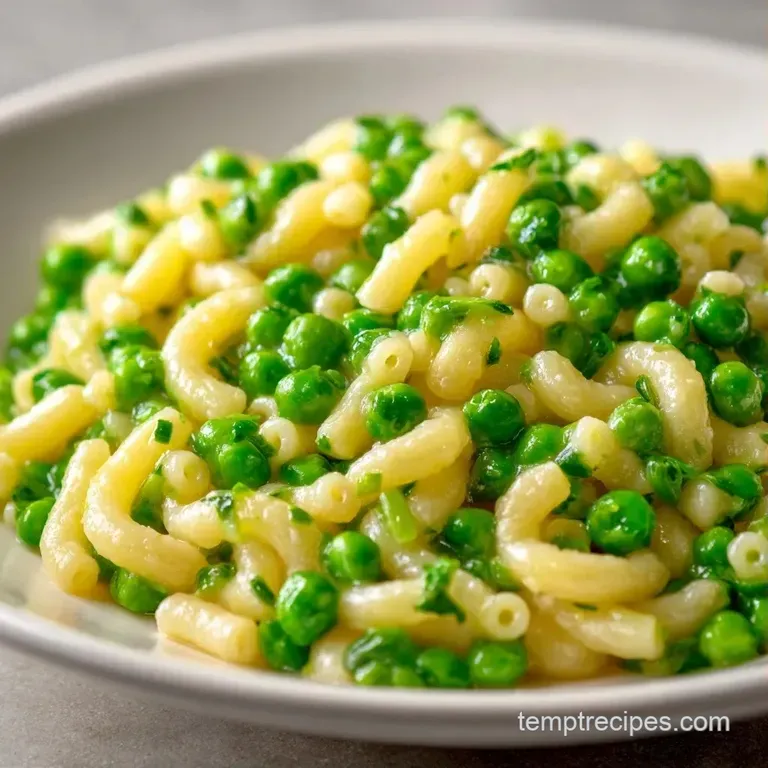
Even when we follow the steps, pasta can be moody. The biggest issue is usually the liquid level. Because different brands of pasta absorb water differently, you might find your sauce is either too watery or too dry.
Troubleshooting Common Issues
| Issue | Solution |
|---|---|
| Why Your Pasta Turned Mushy | This usually happens if the heat was too high or if you stirred too aggressively. Over stirring breaks the pasta and releases too much starch too quickly, which turns the sauce into a paste. |
| Why the Sauce is Too Thin | If you hit the 12 minute mark and it still looks like soup, you just need another 2 minutes of simmering. Keep a close eye on it, as it can go from "soup" to "glued together" very quickly. |
| Why the Peas Look Dull | If your peas are a brownish green, they were likely cooked for too long. Always add them at the very end. They only need the residual heat of the pasta to be ready. |
Common Mistakes Checklist
- ✓ Don't rinse the pasta before adding it to the pot.
- ✓ Avoid pre shredded cheese to prevent a gritty sauce.
- ✓ Keep the heat at medium low during the simmer.
- ✓ Remove from heat before adding the cheese.
Make It Your Own
Once you've got the base down, you can really play around with this. If you want more protein, this is where it gets fun. Adding diced pancetta or bacon at the start with the onions makes it a rich, smoky meal.
If you prefer sausage, brown some sliced Italian sausage first, remove it, and then start your onions in the leftover fat.
For those who want a "Healthy One Pot Pasta Peas" version, you can swap the white pasta for a whole grain version. Just keep in mind that whole grain pasta usually needs about 2-3 more minutes of simmering and a bit more broth.
If you're in the mood for something even more indulgent, you might like my Millionaire Gnocchi recipe, which uses a similar creamy logic but with pillowy potato dumplings. For a lighter side, you could pair this with a fresh salad or even some roasted roots.
Preservation Secrets
Pasta tends to soak up sauce as it sits in the fridge. If you store this and reheat it the next day, you'll likely find a solid block of pasta instead of a creamy dish.
Fridge: Store in an airtight container for 3-4 days. Freezer: Honestly, I don't recommend freezing this. The peas lose their pop and the sauce can separate, leaving you with a grainy texture.
When reheating, add a tablespoon of water or broth to the bowl before microwaving. This loosens the starch back up and brings back that velvety feel.
To keep things zero waste, save your onion skins and the ends of your parsley. Toss them into a freezer bag with other veggie scraps to make your own homemade vegetable broth for the next time you make this.
What to Serve This With
Since this is a creamy, savory dish, you want sides that provide a contrast. Something crisp or acidic works best. A simple arugula salad with a lemon vinaigrette is a great choice because the bitterness of the greens cuts through the rich Parmesan.
If you're hosting a bigger dinner and want another hearty option, a Mediterranean Beef Bowl offers a nice contrast in flavor profiles. Alternatively, some crusty sourdough bread is a must for mopping up the leftover sauce at the bottom of the bowl.
Trust me, don't skip the lemon juice in the main recipe. It's the one thing that transforms this from a "basic pasta" to something that tastes like it came from a bistro. Right then, you're all set. Get your pot ready and enjoy.
Recipe FAQs
How does pasta with peas taste?
Savory and bright. The salty Parmesan and vegetable broth create a rich base, while the lemon juice and sweet peas add a fresh, zesty contrast.
Why is my pasta mushy?
The heat was likely too high or you stirred too aggressively. Over stirring breaks the pasta and releases excess starch, which turns the sauce into a paste.
What should I do if the sauce is too thin?
Simmer for another 2 minutes. Keep a close eye on the pot, as the liquid can transition from "soup" to "glued together" very quickly.
When should I add the frozen peas to keep them bright?
Stir them in during the last 2-3 minutes of cooking. Adding them at the end ensures they stay bright green and heated through without becoming dull.
Is it true that I need to drain the pasta before adding the cheese?
No, this is a common misconception. This is a one-pot recipe where the pasta absorbs the broth; draining it would remove the base of the sauce.
How to prevent the sauce from becoming too thick or gluey?
Maintain a steady medium low simmer. Avoid excessive stirring and remove the pot from the heat immediately before folding in the Parmesan and lemon juice.
Can I use a different pasta shape?
Yes, stick to small shapes. Ditalini or small shells work best to maintain the correct sauce-to-pasta ratio. If you enjoy the heartiness of this one-pot method, you might also like our veggie pot pie soup for a similar comfort level.
One Pot Pasta Peas