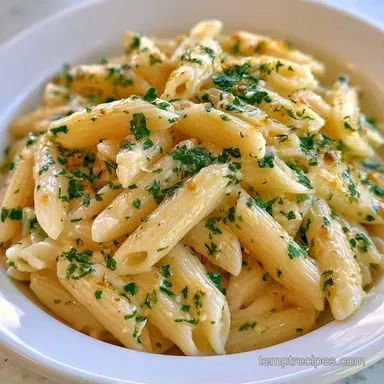
Creamy Garlic Penne Pasta in 30 Minutes
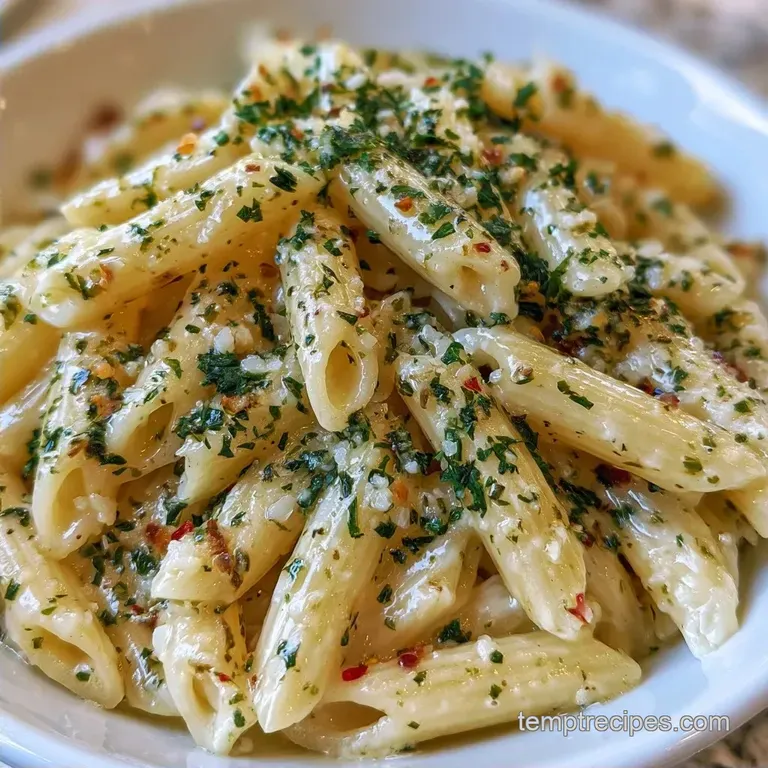
- Time: 10 min active + 20 min cook
- Flavor/Texture Hook: Rich, garlicky, and glossy
- Perfect for: Stress free weeknight comfort
- Making Creamy Garlic Penne Pasta
- Why This Method Works
- What Each Ingredient Does
- What You'll Need
- Essential Kitchen Gear
- How to Cook It
- Fixing Common Sauce Issues
- Troubleshooting Common Issues
- Making it Work for Everyone
- Adjusting the Portions
- Common Kitchen Myths
- Storage and Leftover Tips
- Best Side Dish Pairings
- Recipe FAQs
- 📝 Recipe Card
Listen for that first sizzle when the minced garlic hits the melted butter. It's that specific, sharp aroma that tells you dinner is actually happening. I used to think you needed a fancy French roux or hours of simmering to get a sauce that didn't just slide off the pasta.
Honestly, forget the idea that "authentic" cream sauces require complex thickening agents. You don't need flour or a cornstarch slurry here. The magic comes from the heavy cream reducing slightly and the starch from the pasta water binding everything together.
This Creamy Garlic Penne Pasta is my go to when I want something hearty but don't have the energy for a project. It's satisfying, comforting, and doesn't leave you with a sink full of pots.
Making Creamy Garlic Penne Pasta
Getting the texture right is all about the timing of your additions. If you toss the cheese in too early or over heat, you get clumps instead of a smooth coating. The goal is a sauce that wraps around the penne tubes, filling them up with garlic infused cream.
I've found that using a wide skillet is better than a deep pot for the sauce. It lets the cream evaporate faster, which thickens it naturally in about 5 minutes. This keeps the flavor concentrated and prevents the dish from becoming a soup.
If you're feeling fancy, you can add a pinch of nutmeg or a squeeze of lemon at the end. But for a standard Tuesday night, the combination of parmesan and garlic does all the heavy lifting.
Why This Method Works
Pasta Water: The cloudy water contains starch that acts as a bridge between the fat in the cream and the pasta.
Simmering Cream: Heating the cream for a few minutes evaporates excess water, naturally thickening the sauce without flour.
Off Heat Finishing: Stirring in the cheese after the heat is lowered prevents the dairy from separating or breaking.
| Method | Time | Texture | Best For |
|---|---|---|---|
| Fast Reduction | 30 mins | Glossy/Tight | Weeknights |
| Slow Simmer | 60 mins | Thick/Heavy | Sunday Dinner |
| Roux Based | 45 mins | Matte/Starchier | Large Crowds |
What Each Ingredient Does
Since we aren't using a thickener, every ingredient has a specific job to keep the sauce stable.
| Ingredient | What It Does | Best Swap |
|---|---|---|
| Heavy Cream | Provides base and thickness | Half and half (thinner result) |
| Parmesan | Adds salt and binds the sauce | Pecorino Romano (saltier/sharper) |
| Garlic | Primary flavor profile | Garlic powder (less punchy) |
| Penne | Holds sauce inside the tubes | Rigatoni (similar grip) |
What You'll Need
Stick to these measurements to keep the ratio of fat to starch balanced.
- 1 lb penne pasta Why this? Ridges hold the sauce better than smooth pasta
- 1 tbsp salt (for pasta water)
- 4 tbsp unsalted butter Why this? Creates a rich base for the garlic
- 4 cloves garlic, minced
- 2 cups heavy cream Why this? High fat prevents the sauce from breaking
- 1 cup parmesan cheese, freshly grated Why this? Pre shredded cheese has cellulose that prevents melting
- 1/2 tsp salt
- 1/4 tsp black pepper
- 2 tbsp fresh parsley, chopped
Essential Kitchen Gear
You only need a few basics for this. A large pot for the noodles and a wide skillet for the sauce are the essentials. If you have a whisk, it helps blend the parmesan more quickly, but a wooden spoon works just fine. I recommend a microplane for the cheese, as the finer the grate, the faster it melts into the cream.
How to Cook It
Let's get into the flow. I like to start the water first so the pasta and sauce finish at the same time.
1. Boiling the Pasta
Bring a large pot of heavily salted water to a boil. Add the penne and cook according to package directions until al dente. Before draining, scoop out 1 cup of the cloudy pasta water and set it aside. Note: This water is essential for adjusting the thickness later.
2. Sautéing the Aromatics
While the pasta cooks, melt the butter in a large skillet over medium heat. Add the minced garlic and sauté for 1–2 minutes until fragrant and translucent. Make sure the garlic does not brown, or it will taste bitter.
3. Emulsifying the Cream Sauce
Pour in the heavy cream and bring to a gentle simmer for 3–5 minutes, stirring occasionally, until the sauce thickens slightly. Lower the heat and whisk in the Parmesan cheese until melted and smooth. Stir in the salt and black pepper.
4. Combining the Elements
Toss the cooked penne into the skillet. Stir gently to coat every tube in the sauce. If the sauce appears too thick, whisk in the reserved pasta water one tablespoon at a time until the texture is velvety and glossy.
5. Finishing Touches
Remove from heat and fold in the fresh chopped parsley. This adds a bit of brightness to cut through the heavy dairy.
Chef's Note: If you want to add protein, I usually sear some chicken breast in the skillet before starting the butter. You can find a similar approach in my chicken pasta recipe for a heartier version.
Fixing Common Sauce Issues
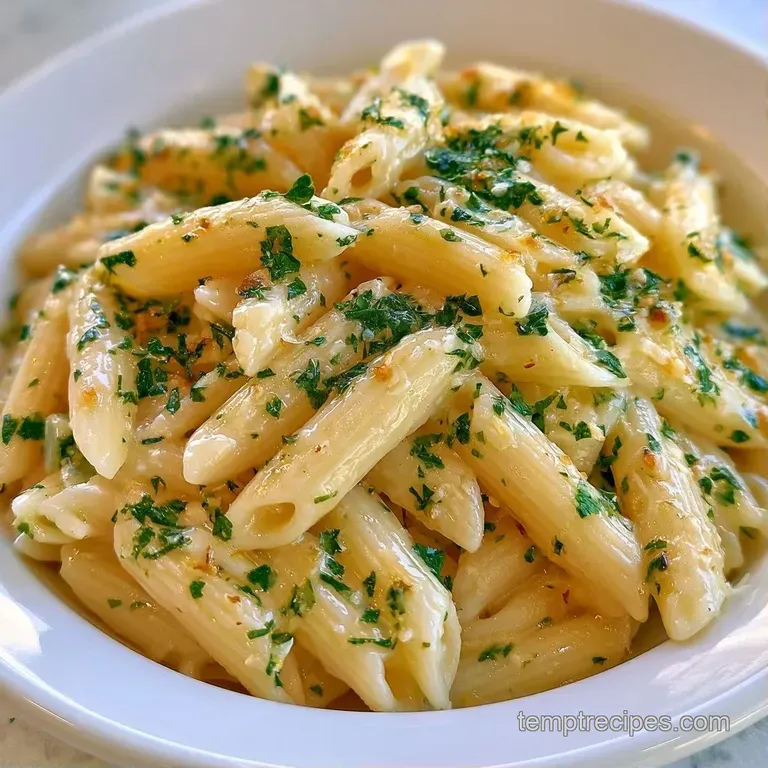
Most issues with Creamy Garlic Penne Pasta come down to temperature or the type of cheese used. If the sauce looks grainy, it usually means the cheese was added to boiling cream, causing the proteins to clump.
Troubleshooting Common Issues
| Issue | Solution |
|---|---|
| Why Your Sauce Broke | If you see oil separating from the cream, the heat was too high. You can often fix this by whisking in a tablespoon of cold pasta water and removing the pan from the heat immediately. |
| Why the Sauce is Too Thin | This happens if the cream didn't simmer long enough or if you used a low-fat substitute. Let it simmer for another 2 minutes or add more grated parmesan. |
| Why the Garlic Tastes Bitter | Burnt garlic happens fast. If it turns dark brown, you have to start the sauce over. It's better to keep the heat at a true medium and stir constantly. |
Making it Work for Everyone
Depending on what you have in the fridge, you can easily shift this recipe. If you're looking for a lighter base, you can try a garlic pasta sauce that uses less cream and more pasta water.
Adding Lean Protein
Shrimp or grilled chicken work best here. Sauté them first, remove them from the pan, and stir them back in at the very end. This prevents the protein from overcooking while the sauce reduces.
Incorporating Earthy Flavors
Sautéed mushrooms are a great addition. Add them to the skillet after the garlic but before the cream. Let them brown for 4 minutes to get a deep, savory taste.
Dairy-free Swap
You can use full fat coconut milk and nutritional yeast. Note that coconut milk has a distinct flavor that changes the profile, and nutritional yeast provides a nutty, cheesy taste rather than a sharp one.
Adjusting the Portions
When you change the amount of pasta, you can't always just double everything.
Cutting the Recipe in Half Use a smaller skillet to prevent the cream from evaporating too quickly. Reduce the simmering time by about 20% because a smaller volume of liquid boils down faster.
Doubling or Tripling Increase the salt and pepper to only 1.5x the original amount, then taste and adjust. If you double the liquid, you'll need to simmer the cream longer to achieve the same thickness. I recommend working in batches if your skillet isn't wide enough to hold 2 lbs of penne.
Common Kitchen Myths
Searing the pasta in butter before boiling it does not "lock in" the flavor. It just adds extra fat. The best way to get flavor into the noodle is by heavily salting the boiling water.
Another myth is that you must use "heavy" cream for this to work. You can use half and half, but you'll notice the sauce is thinner and doesn't cling as well. You can compensate by adding a bit more parmesan.
Storage and Leftover Tips
Store leftovers in an airtight container in the fridge for up to 3 days. The pasta will absorb the sauce as it sits, which is why it often looks dry when you open the container the next morning.
To reheat, add a splash of milk or water to the pasta before microwaving or heating on the stove. This loosens the sauce and brings back that glossy finish. I don't recommend freezing this dish, as the cream often separates upon thawing, leaving you with a grainy texture.
For zero waste, save the leftover parmesan rinds in your freezer. You can toss them into a simmering pot of soup or a stew to add a deep, salty complexity to the broth.
Best Side Dish Pairings
Since this dish is quite rich, you need something acidic or crisp to balance it out. A simple arugula salad with lemon vinaigrette is the gold standard here. The bitterness of the greens cuts right through the cream.
Roasted broccoli or sautéed spinach with red pepper flakes also work well. If you want a bread pairing, a toasted baguette with a hit of olive oil and sea salt is enough. Avoid serving this with other heavy starches, like mashed potatoes, or the meal will feel too weighted.
Recipe FAQs
Easy creamy garlic penne pasta?
Yes, it takes only 30 minutes total. You simply sauté garlic in butter, simmer heavy cream, and toss with al dente penne and parmesan. If you enjoy these fast acting cream sauces, you'll love the creamy sauce used in our gnocchi recipe.
How to cook penne noodles?
Boil in heavily salted water according to package directions. Scoop out 1 cup of the cloudy pasta water before draining to help emulsify the sauce later.
How to fix a sauce that has separated?
Whisk in a tablespoon of cold pasta water. Remove the pan from the heat immediately to bring the oil and cream back together.
Why is my garlic sauce too thin?
The cream likely didn't simmer long enough. Let it bubble for another 2 minutes or whisk in more grated parmesan to thicken it.
What if the garlic tastes bitter?
The garlic has likely burned. If the minced cloves turned dark brown, you must start the sauce over to avoid a bitter flavor.
How to reheat leftover pasta?
Add a splash of water or milk before heating. This restores the glossy finish since the pasta absorbs the sauce during refrigeration.
Is it true that I can freeze this pasta for later use?
No, this is a common misconception. The cream often separates upon thawing, which results in a grainy texture.
Creamy Garlic Penne Pasta