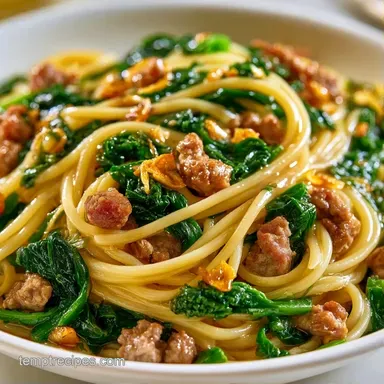
Spicy Broccoli Rabe Pasta: Zesty and Hearty
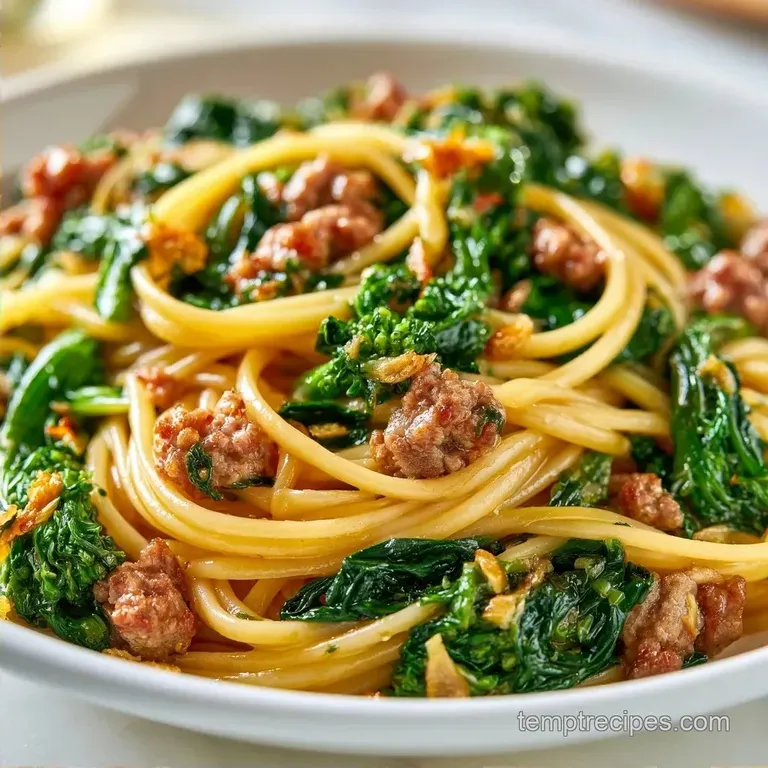
- Time: 10 min active + 20 min cook = 30 mins total
- Flavor/Texture Hook: Zesty, mahogany seared sausage with glossy, silken pasta
- Perfect for: A stress free dinner that feels like a bistro meal
- Spicy Broccoli Rabe Pasta
- The Secret to Better Flavor
- Component Analysis
- The Essential Ingredient List
- Step-by-Step Cooking Guide
- Avoiding Common Kitchen Mistakes
- Smart Swaps and Twists
- Adjustment Guide
- Rabe Myth Busting
- Storage and Zero Waste
- Perfect Sides to Pair
- High in Sodium
- Recipe FAQs
- 📝 Recipe Card
That first sizzle of hot Italian sausage hitting the pan is where the magic starts. There is something about the smell of garlic and red pepper flakes hitting hot olive oil that just tells your brain it's time to relax. It's a hearty, comforting aroma that fills the whole kitchen.
But let's be real, I've messed this up before. My first attempt was a total bitter bomb. I just tossed the greens in with the meat, and the result was a dish that tasted like a pharmacy and felt greasy. I almost gave up on rapini entirely until I realized that the secret isn't in the seasoning, but in the prep.
This Spicy Broccoli Rabe Pasta solves that problem. By using a quick blanch and a smart emulsion of pasta water and cheese, we turn a potentially challenging vegetable into a savory, zesty highlight. Trust me on this, once you get the technique down, you'll never go back to the basic "throw it in the pan" method.
Spicy Broccoli Rabe Pasta
Right then, let's talk about why this specific approach works. Most people treat broccoli rabe like regular broccoli, but it's a different beast entirely. If you don't handle the bitterness, it overpowers the sausage.
The key is the balance. We have the heavy, salty fat from the hot sausage, the sharp bite of the garlic, and the bright acidity of lemon juice. When these hit the palate together, the bitterness of the greens actually becomes a feature rather than a bug, acting as a refreshing contrast to the richness of the meat.
It's all about that final toss. Instead of just mixing the pasta and sauce, we're creating a glossy coating that clings to every strand of spaghetti. It's the difference between a dish that feels like "pasta with stuff on it" and a cohesive, restaurant quality meal.
The Secret to Better Flavor
The way we handle the ingredients here isn't random. There are a few simple tricks that stop the dish from becoming a greasy mess or a bitter disappointment.
The Bitterness Reset: Blanching the greens for exactly 60 seconds pulls out the harshest compounds without killing the color. It's a quick reset that makes the rabe taste savory instead of soapy.
The Starch Glue: Using reserved pasta water creates a bridge between the oil and the cheese. This is what gives the sauce its silken, velvety texture instead of having a puddle of oil at the bottom of the bowl.
The Acid Cut: Adding lemon juice at the very end acts as a "brightness" switch. It cuts right through the heavy sausage fat, waking up all the other flavors in the pan.
The Fat Render: Cooking the sausage until it's mahogany colored isn't just for looks. That deep browning creates the base flavor for the entire sauce.
| Method | Total Time | Texture | Best For |
|---|---|---|---|
| Stovetop | 30 minutes | Glossy and silken | Quick weeknight dinners |
| oven roasted | 45 minutes | Charred and concentrated | Lazy Sunday meal prep |
Component Analysis
Understanding the role of each ingredient helps you make smarter choices if you're missing something in your pantry. For instance, the cheese isn't just for salt, it's for structure.
| Ingredient | Science Role | Pro Secret |
|---|---|---|
| Hot Italian Sausage | Fat & Flavor Base | Remove casings for more surface area and better browning |
| Broccoli Rabe | Bitter Contrast | Trim the bottom 2 inches of stems - they're too woody |
| Pasta Water | Emulsifying Agent | Salt the water heavily so the pasta is seasoned from inside |
| Pecorino Romano | Salty Thickener | Grate it fresh; pre shredded cheese has starch that stops melting |
The Essential Ingredient List
Keep things simple. We're using a few high impact ingredients to get a big result. If you're looking for other ways to use hearty greens, you might like my Soy Sauce Mushroom Rice for a different kind of savory depth.
The Greens and Pasta
- 1 lb spaghetti or linguineWhy this? Long noodles hold the glossy sauce better
- 12 oz broccoli rabe, trimmedWhy this? Provides the necessary bitter savory balance
- 1 tbsp saltWhy this? Essential for pasta water seasoning
The Protein and Aromatics
- 1 lb hot Italian sausage, casings removedWhy this? The heat builds into the sauce
- 3 tbsp extra virgin olive oilWhy this? high-quality oil adds a fruity finish
- 4 cloves garlic, thinly slicedWhy this? Sliced garlic is less likely to burn than minced
- 1 tsp red pepper flakesWhy this? Adds a consistent, humming heat
The Finish
- 1/2 tsp saltWhy this? To taste at the end
- 1/4 tsp black pepperWhy this? Basic flavor rounding
- 1/2 cup Pecorino Romano or Parmesan, freshly gratedWhy this? Adds salt and creates the emulsion
- 1 tbsp lemon juiceWhy this? The final acid hit to balance the fat
Ingredient Swaps
| Original Ingredient | Substitute | Why It Works |
|---|---|---|
| Hot Italian Sausage | Mild Sausage + Extra Pepper Flakes | Same fat content. Note: You control the heat level |
| Broccoli Rabe | Broccolini or Rapini | Similar texture. Note: Broccolini is much milder/sweeter |
| Pecorino Romano | Parmesan | Similar saltiness. Note: Pecorino is tangier and more pungent |
| Spaghetti | Rigatoni | Great for chunky sauces. Note: Holds more sausage in the ridges |
Step-by-step Cooking Guide
Let's crack on. The most important thing here is the timing. We want the pasta and the sauce to finish at exactly the same moment so nothing sits and gets mushy.
Phase 1: Prepping the Greens
- Trim the tough, woody bottom stems of the broccoli rabe. Note: If the stem feels like a pencil, it's too hard; toss it.
- Bring a large pot of salted water to a boil.
- Blanch the broccoli rabe in the boiling water for exactly 60 seconds, then immediately transfer to a colander and rinse with cold water to shock. Note: This stops the cooking and locks in the green color.
- Slice the blanched stems into 2 inch pieces.
Phase 2: Searing the Protein
- Heat olive oil in a large skillet over medium high heat.
- Add the sausage and cook, breaking it into small crumbles with a spoon, until mahogany colored and the fat has rendered (about 5-7 minutes). Until the meat is deeply browned and sizzling.
- Reduce heat to medium. Stir in the sliced garlic and red pepper flakes, sautéing for 1 minute until fragrant and the garlic is pale gold.
- Add the blanched broccoli rabe to the skillet and stir for 2 minutes until coated in the spicy oil and heated through.
Phase 3: The Final Emulsion
- While the sauce finishes, cook your pasta in the boiling water.
- Transfer cooked pasta directly from the pot into the skillet using tongs. Note: Don't drain the pasta in the sink; we need that water.
- Pour in 1/4 cup of reserved pasta water and the grated cheese. Toss vigorously over low heat until a glossy emulsion forms and clings to the noodles.
- Stir in the lemon juice and season with salt and pepper.
Chef's Note: If the sauce looks too dry, add another splash of pasta water one tablespoon at a time. You're looking for a silky coating, not a soup.
Avoiding Common Kitchen Mistakes
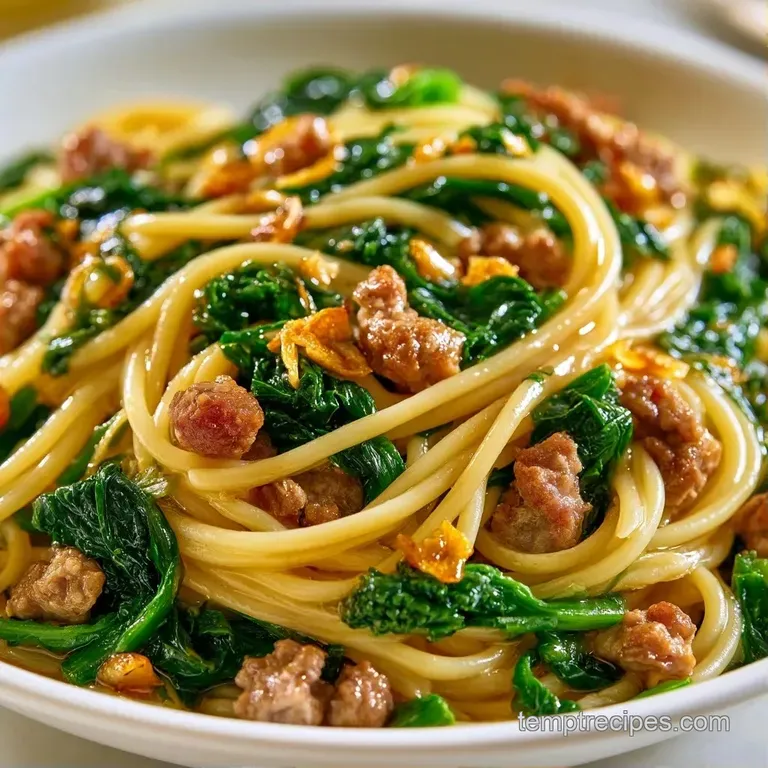
Even the best of us can end up with a plate of greasy noodles if we aren't careful. Most of the issues with Spicy Broccoli Rabe Pasta come down to heat management and moisture.
Bitter Greens Fix
If your rabe is still too bitter, you might have skipped the cold shock or didn't blanch long enough. The bitterness is concentrated in the leaves and stems. If it's overwhelming, a tiny pinch of sugar or an extra squeeze of lemon juice can neutralize the taste.
Pasta Texture Issues
Avoiding "mushy" pasta is all about the "al dente" pull. Since the pasta finishes cooking in the skillet with the sauce, you should pull it out of the boiling water 1-2 minutes before the package says it's done. This prevents it from overcooking during the emulsion phase.
Fixing a Greasy Sauce
If you see a layer of oil separating from the pasta, it means the emulsion broke. This usually happens if the heat is too high when you add the cheese. To fix it, pull the pan off the heat, add a splash more pasta water, and stir vigorously to bring the fat and water back together.
| Problem | Root Cause | Solution |
|---|---|---|
| Sauce is watery | Not enough cheese or tossing | Toss over low heat for another 60 seconds |
| Garlic is burnt | Heat was too high | Start over; burnt garlic ruins the whole batch |
| Rabe is limp | Overcooked during blanch | Stick to exactly 60 seconds in boiling water |
The Consistency Checklist
- ✓ Pasta pulled 2 minutes before "done"
- ✓ Sausage browned to mahogany, not just grey
- ✓ Greens shocked in cold water immediately
- ✓ Pasta water added before the cheese
- ✓ Lemon juice added at the very end
Smart Swaps and Twists
This recipe is a great base, but you can easily tweak it depending on what's in your fridge. If you're feeling fancy, you can deglaze the pan with a splash of dry white wine after the garlic is fragrant but before adding the greens. This adds a bright, acidic layer that complements the sausage.
For those following a plant based diet, you can use a high-quality vegan sausage and swap the Pecorino for nutritional yeast. You'll lose some of the "stretch" of the cheese, but the flavor profile remains surprisingly similar.
If you need a gluten-free version, chickpea pasta works well here, though be careful not to overcook it as it can get mushy faster than wheat pasta.
If you want a different texture entirely, try using Orecchiette. The "little ears" are traditional for this dish because they scoop up the small crumbles of sausage and pieces of rabe perfectly. For a side dish to round out the meal, I highly recommend some Creamy Garlic Baby Potatoes for a truly hearty spread.
Customization Shortcut
- If you want more heat → add 1/2 tsp extra red pepper flakes to the oil.
- If you want it creamier → add an extra 1/4 cup of grated Parmesan.
- If you want more zest → add fresh lemon zest along with the juice.
Adjustment Guide
Changing the portion size isn't as simple as doubling everything. You have to account for the surface area of your pan.
Scaling Down (1/2 Portion) Use a smaller skillet to keep the sausage from spreading too thin and steaming instead of searing. Reduce the pasta water by about 10%, as smaller amounts of pasta release less starch relative to the volume.
Scaling Up (2x-4x Portion) Do not try to brown 2-4 lbs of sausage in one pan. Work in batches. If you overcrowd the pan, the meat will release its juices and boil in its own liquid rather than browning, which kills the flavor.
Plus,, keep the salt and red pepper flakes at 1.5x rather than 2x, then adjust to taste at the end.
Rabe Myth Busting
There are a few common misconceptions about cooking with broccoli rabe that lead to bad meals. Let's set them straight.
Myth: You need to boil rabe for 10 minutes to remove bitterness. Truth: Over boiling turns the greens into a mushy, colorless mess. A 60 second blanch is all you need to remove the "edge" while keeping the texture and vibrant color.
Myth: Searing the meat "seals in the juices." Truth: Searing doesn't seal anything. The moisture loss happens regardless. However, that mahogany crust creates a depth of flavor (the browning effect) that is essential for the sauce's base.
Storage and Zero Waste
This dish is great, but like all pasta, it absorbs sauce as it sits. If you have leftovers, store them in an airtight container in the fridge for up to 3-4 days. When reheating, add a tablespoon of water or a tiny knob of butter to loosen the sauce back up.
I don't recommend freezing this dish, as the blanched greens can become grainy and lose their structure.
To avoid waste, don't throw away the very thin ends of the rabe stems. While the thick bottoms are too woody, the mid stems are full of flavor. Finely chop them and toss them into a vegetable stock or a soup.
Even the sausage fat left in the pan can be saved and used to sauté onions for another meal later in the week.
Perfect Sides to Pair
Since this pasta is quite rich and salty, you want sides that offer a fresh or creamy contrast. A simple arugula salad with a sharp lemon vinaigrette is a classic choice because it mirrors the acidity in the pasta.
If you're feeding a crowd and want something more substantial, some crusty sourdough bread is a must for mopping up that garlic sausage oil. For those who love a full on comfort feast, a side of roasted root vegetables or something like my Creamy Garlic Baby Potatoes adds a velvety element that balances the spicy heat of the rabe pasta.
High in Sodium
1120 mg 1120 mg of sodium per serving (49% 49% of daily value)
The American Heart Association recommends a daily sodium limit of 2,300 mg for most adults to maintain heart health.
Tips to Reduce Sodium
-
Swap the Sausage-25%
Substitute the hot Italian sausage with low-sodium Italian sausage or ground turkey seasoned with fennel and red pepper flakes.
-
Cut Pasta Water Salt-25%
Reduce the 1 tbsp of salt in the boiling water by half; much of this salt is tasted in the pasta itself.
-
Omit Additional Salt-25%
Skip the 1/2 tsp of salt added to the sauce and let the sausage and cheese provide the seasoning.
-
Reduce Cheese Amount-15%
Lower the amount of Pecorino Romano or Parmesan to 1/4 cup to significantly cut down on salt.
-
Enhance with Acid and Spice
Increase the lemon juice, garlic, and black pepper to add brightness and depth without adding sodium.
Recipe FAQs
What takes the bitterness out of broccoli rabe?
Blanching the greens in boiling water. Boil them for exactly 60 seconds and shock them in cold water to neutralize the sharp bitterness before sautéing.
Do I need to boil broccoli rabe before adding it to the pasta?
Yes, blanching is essential. This ensures the rabe is tender and the flavor is balanced before it is tossed with the sausage and garlic.
How to cook broccoli rabe so it tastes delicious?
Blanch for 60 seconds, then sauté in rendered sausage fat. Stirring the blanched greens with garlic and red pepper flakes for 2 minutes creates a savory, spicy glaze.
Can a diabetic eat broccoli rabe pasta?
Yes, the greens are low-glycemic. While the pasta contains carbohydrates, you can balance the meal by pairing it with a high protein salad.
Is it true that you should throw away all the broccoli rabe stems?
No, this is a common misconception. While the woody bottoms must be trimmed, the mid-stems are full of flavor and should be sliced into 2 inch pieces.
How to prevent the pasta sauce from being too dry?
Toss the pasta with reserved pasta water and cheese. Stirring in 1/4 cup of starchy water over low heat creates a glossy emulsion that coats the noodles.
What is the best way to store leftover broccoli rabe pasta?
Keep it in an airtight container in the fridge for 3-4 days. Add a tablespoon of water when reheating to loosen the sauce, as the pasta absorbs moisture over time.
Spicy Broccoli Rabe Pasta