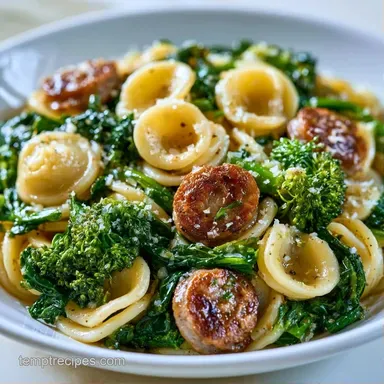
Orecchiette with Broccoli Rabe: Hearty and Savory
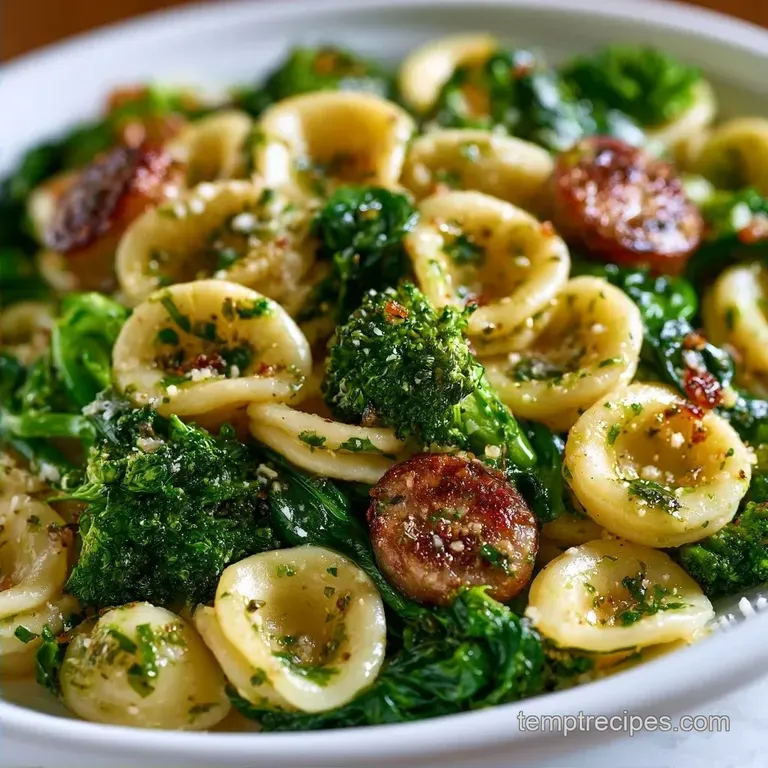
- Time: 10 min prep + 20 min cook = Total 30 minutes
- Flavor/Texture Hook: Savory, mahogany crisp sausage paired with silky, salty pasta
- Perfect for: A comforting weeknight dinner that feels like a restaurant meal
Orecchiette with Broccoli Rabe
Imagine the smell of pork sausage sizzling in olive oil, that deep, salty aroma filling the kitchen, mixed with the sharp, green scent of fresh rabe. I remember the first time I tried to make this at home. I skipped the blanching step because I thought I could just sauté the greens and be done with it.
Big mistake. The result was so bitter it actually made my eyes water, like I was eating a handful of pennies and old grass.
But then I learned the trick of the quick boil. Once I started plunging those greens into ice water, everything changed. The bitterness shifted from "overwhelming" to "sophisticated," creating that spot on balance with the salty Pecorino and the spicy sausage.
This Orecchiette with Broccoli Rabe is now my go to when I want something that feels hearty but doesn't leave me feeling weighed down.
You can expect a dish where the pasta, shaped like little ears, catches every single drop of the garlic infused oil and sausage juices. It's comforting, stress free, and honestly, once you get the rhythm of the pasta water emulsion, you'll never go back to plain butter or jarred sauces.
Things to Know First
Right then, let's talk about why this actually works. You aren't just tossing things in a pan; there is a bit of logic to the order of operations that keeps the dish from becoming a soggy mess.
The Starch Magic: When you boil pasta, the water becomes thick with starch. According to the experts at Serious Eats, this starchy water acts as an emulsifier, binding the olive oil and cheese into a velvety sauce instead of a greasy puddle.
The Bitterness Fix: Broccoli rabe contains glucosinolates, which provide that signature sharp taste. A quick two minute blanch leaches out the harshest compounds while keeping the vibrant green color.
The Fat Balance: The richness of the pork sausage provides a heavy base that allows the lemon juice and Pecorino to cut through, ensuring each bite feels bright rather than heavy.
| Method | Time | Texture | Best For |
|---|---|---|---|
| Traditional Blanch | 30 mins | Vibrant, crisp tender | Maximum flavor balance |
| One Pot Shortcut | 20 mins | Softer, more bitter | Extreme time crunch |
| Slow Simmer | 45 mins | Very soft, integrated | Deeply infused flavors |
Essential Recipe Specs
Before we crack on with the cooking, let's look at what makes this particular version of Orecchiette with Broccoli Rabe stand out. We are focusing on minimal tools and reliable steps. No fancy equipment, just a big pot and a skillet.
I've found that the most satisfying results come when you don't rush the sausage. You want it to hit that mahogany stage, where the edges are almost shatter crisp. If you pull the meat too early, you lose that depth of flavor that makes the greens pop.
Also, don't be afraid of the salt in the pasta water. It's your only chance to season the actual pasta dough from the inside out. If the water doesn't taste like the sea, your final dish will taste flat, no matter how much cheese you add at the end.
The Shopping List
I always suggest getting the sausage from the butcher counter if you can, but the pre packed stuff works too. Just make sure it's Italian pork sausage, preferably a mix of sweet and spicy.
For the Pasta Base - 1 lb (450g) Orecchiette pasta Why this? The "little ear" shape is built to scoop up bits of sausage. - 1 tbsp (15g) Kosher salt Why this? Coarser grains prevent over salting the water.
For the Savory Sauté
- 1 lb (450g) Italian pork sausage, casings removedWhy this? High fat content creates the base for the sauce.
- 4 tbsp (60ml) Extra virgin olive oil, dividedWhy this? Provides a fruity, peppery finish.
- 4 cloves (20g) Garlic, thinly slicedWhy this? Slicing prevents burning better than mincing.
- 1 tsp (2g) Red pepper flakesWhy this? Adds a subtle back of-the throat heat.
For the Greens - 1 bunch (approx. 1 lb / 450g) Broccoli rabe, chopped Why this? Bitter contrast to the rich meat. - 1 tbsp (15ml) Fresh lemon juice Why this? Brightens the heavy fats.
For the Finish - ½ cup (50g) Pecorino Romano cheese, freshly grated Why this? Saltier and sharper than Parmesan. - ½ tsp (1g) Coarse black pepper Why this? Adds a woody, spicy aromatic note.
| Original Ingredient | Substitute | Why It Works |
|---|---|---|
| Orecchiette | Conchiglie (Shells) | Similar scoop shape. Note: Slightly different bite |
| Pecorino Romano | Parmesan | Similar saltiness. Note: Less sharp, more nutty |
| Pork Sausage | Chicken Sausage | Leaner option. Note: Less flavor, needs extra olive oil |
| Broccoli Rabe | Broccolini | Much milder. Note: Lacks the characteristic bitterness |
Trust me on this: don't buy the pre grated cheese in a can. It's coated in potato starch to stop it from clumping, which means it won't melt into a velvety glaze. It'll just stay as little white grains in your sauce.
Tools You'll Need
You don't need a professional kitchen to nail this. I've made this in a tiny apartment with barely any counter space. All you really need are a few basics.
First, a large pot for the pasta and the blanching. Make sure it's deep enough that the greens don't float over the edges. A large skillet or a wide sauté pan is essential for the sausage - you need surface area so the meat browns instead of steaming in its own juices.
Finally, a pair of tongs. Trying to drain pasta and move it into a skillet with a slotted spoon is a recipe for spills. Tongs let you carry that precious starchy water right along with the noodles, which is the secret to the sauce.
The Cooking Process
Let's get into it. Remember, the goal here is to build layers of flavor, starting with the bitterness and ending with the richness.
Phase 1: The Rabe Preparation
- Bring a large pot of salted water to a boil.
- Blanch the chopped broccoli rabe for exactly 2 minutes until bright green but still firm. Note: Overcooking here makes them mushy later.
- Drain immediately and plunge into cold water to lock in the color.
- Squeeze out excess moisture with your hands until the greens are damp, not dripping.
Phase 2: The Sausage Sear
- Heat 2 tbsp olive oil in a skillet over medium high heat.
- Add the sausage, breaking it into small crumbles, and cook until mahogany colored and crispy.
- Stir in the sliced garlic and red pepper flakes, sautéing for 60 seconds until the garlic is translucent and fragrant.
- Add the blanched broccoli rabe to the skillet and sauté for 3 minutes until the greens are coated in the fat.
Phase 3: The Final Emulsion
- Boil the orecchiette in the same pot until just under al dente.
- Transfer the pasta directly into the skillet using tongs, including 1 cup (240ml) of the starchy pasta water.
- Stir vigorously over high heat for 2 minutes, adding the lemon juice and grated Pecorino Romano, until the liquid reduces into a velvety glaze.
- Finish with a sprinkle of coarse black pepper and a final drizzle of olive oil.
Chef's Tip: If you want a deeper flavor, try adding a teaspoon of anchovy paste or a finely minced anchovy fillet when you add the garlic. It doesn't taste fishy; it just makes the sausage taste "meatier."
Fix Common Mistakes
Even experienced cooks hit a snag with Orecchiette with Broccoli Rabe. Usually, it comes down to the timing of the emulsion or the quality of the greens. If the sauce looks broken (oil separating from the water), you likely didn't stir vigorously enough or didn't use enough pasta water.
For a simpler take, you might prefer the Garlic Broccoli Rabe Pasta, which strips away the meat for a cleaner, punchier taste. But if you're sticking with the sausage, watch out for the garlic. If it turns dark brown, it's burnt and will taste bitter, which ruins the balance.
| Problem | Root Cause | Solution |
|---|---|---|
| Greens too bitter | Skipped blanching | Boil for 2 mins, then ice bath |
| Watery sauce | Not enough reduction | Stir on high heat for another 60 seconds |
| Mushy pasta | Overcooked in pot | Pull pasta 1-2 mins before package says |
Common Mistakes Checklist
- ✓ Did you slice the garlic thin instead of mincing? (Prevents burning)
- ✓ Did you save at least one full cup of pasta water? (Essential for sauce)
- ✓ Is the sausage actually browned, not just grey? (Provides flavor)
- ✓ Did you add the cheese at the very end? (Prevents clumping)
- ✓ Was the rabe squeezed dry after blanching? (Prevents watery sauce)
Swap and Twist
Depending on what's in your fridge, you can change the vibe of this dish. If you're in a rush, my Broccoli Rabe Sausage Pasta is a great shortcut that focuses on speed without losing the heartiness.
2 Flavor Twists
If you want to move away from pork, try using a spicy Italian turkey sausage. It's leaner, so you'll need to add an extra tablespoon of olive oil to the pan to keep the greens from drying out. Another great move is adding a handful of canned cannellini beans.
Orecchiette with broccoli rabe and white beans is a classic variation that adds a creamy texture and extra protein.
2 Diet Swaps
For a gluten-free version, use a high-quality brown rice or chickpea orecchiette. Just be aware that these release more starch, so you might need a splash more water to keep the sauce velvety. If you're avoiding dairy, swap the Pecorino for a nutritional yeast blend or a salty vegan parmesan.
You'll lose some of the "funk," but the lemon juice will keep it tasting bright.
| Premium Option | Budget Alternative | Impact | Savings |
|---|---|---|---|
| Fresh Orecchiette | Dried Orecchiette | Slightly firmer bite | $3-5 per lb |
| Pecorino Romano | Grated Parmesan | Less salty, milder | $2-4 per pack |
| Organic Rabe | Standard Rabe | Virtually none | $1-2 per bunch |
Storage and Scraps
This Orecchiette with Broccoli Rabe stores surprisingly well in the fridge for up to 3 days. The pasta will absorb some of the sauce as it sits, so when you reheat it, add a tablespoon of water or a tiny knob of butter to loosen things back up.
I don't recommend freezing this dish, as the greens can become mealy and the emulsion often breaks upon thawing.
To keep things zero waste, don't throw away the tougher stems of the broccoli rabe. While they are too woody for the pasta, they are brilliant in a freezer bag. Once you have a few bunches' worth of stems, toss them into a simmering pot of vegetable or chicken stock.
They add a wonderful, earthy bitterness that balances out sweet carrots and onions in a homemade broth.
Plating Your Pasta
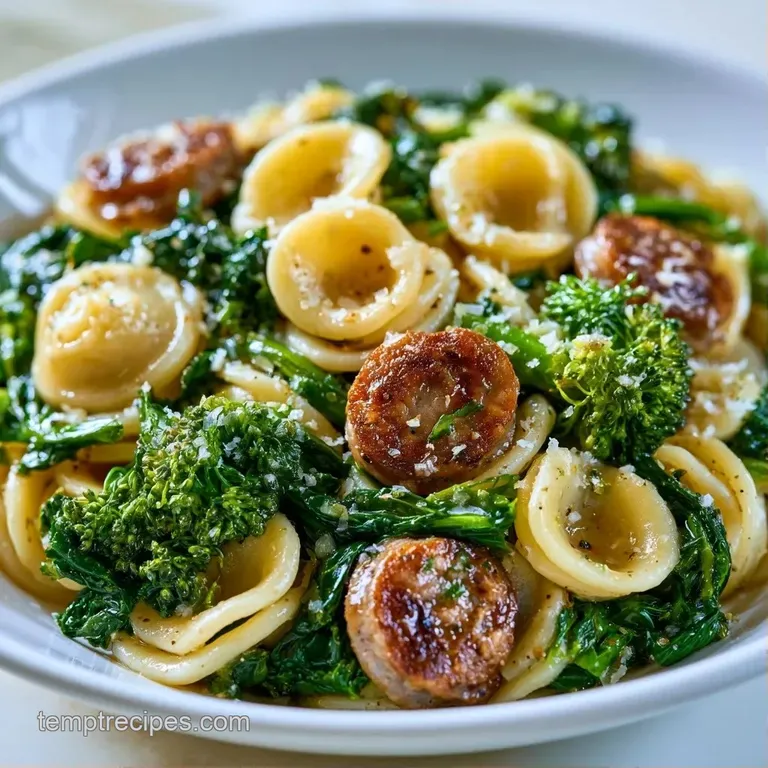
Since this dish is a bit rustic, you don't need to be too fancy. I like to use wide, shallow bowls. This allows the pasta to spread out so you can see the mahogany sausage and the vibrant greens, rather than having them all clumped in a deep bowl.
Finish the plate with a fresh grating of Pecorino Romano - don't just use what's in the sauce. That hit of raw, salty cheese on top provides a contrast to the cooked, melted cheese below. A final crack of black pepper and a tiny squeeze of fresh lemon right before serving wakes up all the flavors.
Decision Shortcut
- If you want it spicier: Double the red pepper flakes and use "hot" Italian sausage.
- If you want it creamier: Add a tablespoon of mascarpone at the very end.
- If you want it healthier: Increase the rabe to two bunches and reduce the pasta to 1/2 lb.
Recipe FAQs
How to cook broccoli rabe and make it taste delicious?
Blanch the chopped rabe for exactly 2 minutes, then plunge it into cold water. Sauté it in a skillet with mahogany colored sausage, garlic, and red pepper flakes to balance the bitterness.
Is it true you can skip blanching the broccoli rabe?
No, this is a common misconception. Blanching for 2 minutes is essential to lock in the green color and remove excessive bitterness before sautéing.
What is the best pasta shape for broccoli rabe?
Orecchiette is the ideal choice. The concave "little ear" shape acts as a scoop, capturing the crumbled sausage and small pieces of rabe in every bite.
How to make the sauce velvety without adding cream?
Stir the pasta and one cup of starchy pasta water vigorously over high heat. This process emulsifies the pasta water with Pecorino Romano and lemon juice to create a glaze.
Can I freeze this pasta dish?
No, avoid freezing it. The broccoli rabe often becomes mealy and the sauce emulsion typically breaks upon thawing.
How to store and reheat leftovers?
Keep the dish in the refrigerator for up to 3 days. Add a tablespoon of water when reheating to loosen the sauce, as the pasta absorbs moisture while sitting.
Is broccoli rabe the best vegetable for this pasta?
Yes, because of its unique bitter profile. It provides a sharp contrast to the richness of the pork sausage and salty Pecorino Romano that standard broccoli cannot match.
Orecchiette With Broccoli Rabe