High Protein Lasagna Soup: Hearty and Savory
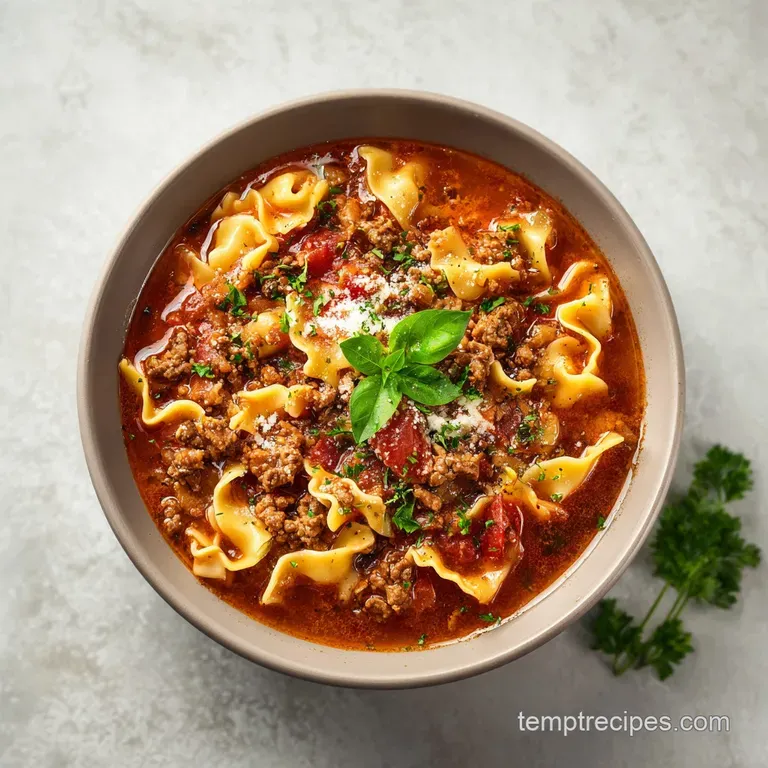
- Time: Active 10 minutes, Passive 20 minutes, Total 30 minutes
- Flavor/Texture Hook: Hearty, velvety, and deeply savory
- Perfect for: Weeknight comfort and high protein meal prep
- Master This High Protein Lasagna Soup
- Time And Serving Metrics
- Selecting The Best Ingredients
- Required Cooking Equipment
- Step By Step Cooking Process
- Fixing Problems And Mistakes
- Smart Variations And Substitutes
- Storage And Reheating Tips
- Serving Suggestions And Pairings
- Common Cooking Myths
- CRITICAL: Very High in Sodium
- Recipe FAQs
- 📝 Recipe Card
Master This High Protein Lasagna Soup
The kitchen fills with that unmistakable aroma of browning beef and sweet Italian sausage, the kind that usually signals a three hour commitment to the oven. You hear the sizzle as the meat hits the hot Dutch oven, and suddenly, that craving for a cheesy, saucy lasagna becomes impossible to ignore.
But let's be real on a Tuesday night, nobody has the patience for layering noodles and waiting for a casserole to set. That is exactly why I started making this high protein lasagna soup.
It delivers every single flavor profile of the classic dish but in a fraction of the time, all while hitting those protein goals that keep us feeling full and energized.
You get the bite of the al dente noodles, the rich tang of a good marinara, and that creamy, molten cheese finish that makes lasagna so iconic. The big win here is the efficiency. We are talking about a single pot, 30 minutes from start to finish, and a result that feels like a warm hug in a bowl.
It is the ultimate solution for when you want something satisfying but you have zero interest in a mountain of dishes or a long wait. Plus, the sheer amount of protein we have managed to pack into this bowl is a total game changer for anyone trying to eat a bit healthier without losing the joy of comfort food.
This recipe is designed to be stress free and budget friendly. We aren't using fancy, hard to find ingredients; we are taking pantry staples like lasagna noodles and jarred marinara and giving them a major upgrade.
By the time the mozzarella starts to melt into the hot broth, you will realize this isn't just a shortcut it is actually better than the original in many ways. It's lighter, faster, and much easier to portion out for the week ahead.
Trust me, once you try this method, you might never go back to the traditional layered version again.
Time And Serving Metrics
Before we get the stove going, let's look at the logistics of this meal. Success in the kitchen often comes down to timing, especially when you are dealing with pasta in a hot liquid. We want those noodles to be firm, not mushy, and the meat to be perfectly browned to build that essential savory base.
High Speed Simmer: Because we are breaking the noodles into smaller pieces, they cook significantly faster than they would in a traditional bake. This allows the starches to release directly into the broth, creating a naturally thickened sauce that coats the back of your spoon beautifully.
Casein Stability: Blending the cottage cheese is the secret to that velvety mouthfeel. The science here is simple by breaking down the curds before they hit the heat, we create a smooth emulsion that integrates into the tomato base without graininess or separation.
Umami Layering: Using both ground beef and chicken sausage provides a complex fat profile. The sausage adds fennel and spice, while the lean beef provides the structure. This dual meat approach ensures every bite has a varied, satisfying texture.
| Component | Target Metric | Resting Time | Visual Cue |
|---|---|---|---|
| Meat Blend | Browned Crumbles | 0 mins | No pink remains |
| Pasta Texture | Al Dente | 2 mins | Slight bite in center |
| Dairy Base | Smooth Emulsion | 1 min | No visible curds |
The meat browning is where the flavor starts. You want to hear an aggressive sizzle when the beef hits the pan. If the pan is too cold, the meat will steam in its own juices rather than sear, and you'll miss out on that deep, caramelized flavor that makes the soup taste like it’s been cooking all day.
Selecting The Best Ingredients
When you are working with a budget friendly mindset, the quality of your core components matters more than ever. We are using simple ingredients, so choosing the right ones makes the difference between a "good" soup and a "satisfying" one.
The Protein Foundation: We are using 1 lb of lean ground beef (93/7) and 2 links of mild Italian chicken sausage. Removing the casings from the sausage allows it to crumble and meld with the beef. This combination keeps the fat content lower while providing 43g of protein per serving.
The Aromatic Base: One large yellow onion and four cloves of garlic provide the backbone of the flavor. Don't rush the onion sauté; letting them turn translucent and slightly sweet balances the acidity of the tomatoes.
The Liquid Gold: We use 4 cups of chicken bone broth. Bone broth is richer in protein and minerals than standard broth, and it gives the soup a "velvety" body that water just can't match.
| Ingredient | Science Role | Pro Secret |
|---|---|---|
| Cottage Cheese | Protein Emulsifier | Blend until it looks like heavy cream to avoid "grainy" soup. |
| Tomato Paste | Flavor Concentrator | Fry it in the fat for 2 mins to remove the "tinny" raw taste. |
| Lasagna Noodles | Starch Release | Break them by hand into irregular shards; the uneven edges hold sauce better. |
| Chicken Bone Broth | Collagen Body | Provides a richer mouthfeel than vegetable or beef broth without extra fat. |
Choosing a no sugar added marinara is a smart move for keeping this a healthy lasagna soup. Many commercial sauces are loaded with corn syrup, which can make the soup cloyingly sweet. Look for brands that list tomatoes, olive oil, and herbs as the primary ingredients. If you're looking for more ways to use this high protein staple, my Cottage Cheese Greek Salad is a total lifesaver for lunches and uses that same cottage cheese for a protein boost.
Required Cooking Equipment
You don't need a professional kitchen to make a high protein dinner recipe like this, but a few specific tools will make the process much smoother. The most important piece of gear is a heavy bottomed pot, like a Dutch oven.
The Dutch Oven: A 5 quart or 6 quart Dutch oven (like a Lodge or Le Creuset) is ideal because it retains heat evenly. This prevents the bottom of the soup from scorching while the noodles simmer.
If you use a thin stainless steel pot, you'll need to stir much more frequently to keep the pasta from sticking to the floor of the pan.
The High Speed Blender: To get that high protein lasagna soup with cottage cheese texture just right, a blender is non negotiable. You want to process the cottage cheese and parmesan until it looks exactly like heavy cream.
If you don't have a full sized blender, an immersion blender (stick blender) in a tall jar works just as well.
The Meat Masher: A sturdy wooden spoon or a dedicated meat crumbling tool helps break the beef and sausage into uniform pieces. Smaller crumbles mean you get a bit of meat in every single spoonful of soup, which is much more satisfying than large, chunky pieces.
Chef's Tip: If you find your pasta sticking to the bottom of the pot, it’s usually because the heat is too high or you aren't stirring enough. The starch from the noodles creates a "glue" as it releases; a gentle stir every 2 minutes is your best defense against a burnt pot.
step-by-step Cooking Process
Now we get to the heart of the matter. This process is fast, so have your ingredients prepped and your noodles broken before you turn on the heat.
- Brown the meat. Place your Dutch oven over medium high heat. Add the 1 lb lean ground beef and 2 links of mild Italian chicken sausage (casings removed). Cook until browned and crumbly. Note: Draining the fat now ensures a clean tasting broth later.
- Sauté the aromatics. Toss in the diced yellow onion. Cook for 3-4 minutes until the onion is soft and translucent.
- Bloom the paste. Stir in the 4 minced garlic cloves and 2 tbsp tomato paste. Cook for 2 minutes until the paste turns a deep brick red. Note: This "blooming" step removes the raw metallic taste from the paste.
- Build the broth. Pour in the 24 oz marinara sauce, 4 cups chicken bone broth, 1 tbsp Italian seasoning, and 1 tsp smoked paprika. Bring the mixture to a rolling boil.
- Cook the noodles. Add the 10 broken lasagna noodles. Simmer for 8-10 minutes until the pasta is tender but firm. Stir occasionally so the noodles don't clump together.
- Blend the dairy. While the soup simmers, put the 1 cup cottage cheese and 1/2 cup parmesan in a blender. Process until completely smooth and velvety.
- Temper the mixture. Ladle about half a cup of the hot soup liquid into the blender with the cheese and pulse. Gradually stir this back into the main pot. Note: This prevents the cheese from curdling.
- Final melt. Turn off the heat. Stir in the 1/2 cup mozzarella until long, cheesy strings appear.
- Finish and serve. Fold in the 1/4 cup fresh basil until the herb aroma hits your nose.
Building The Savory Base
The secret to a protein packed soup recipe that doesn't taste like "diet food" is in the first three steps. When you brown the beef and sausage together, you are creating a complex flavor profile. The fat from the chicken sausage carries the spices (fennel, garlic, pepper) through the entire dish.
Don't be afraid to let the meat get a little bit of a crust on it before you start breaking it up; that caramelization is pure flavor.
Handling Liquids And Noodles
When you add the lasagna noodles, they are going to act like little sponges. They don't just cook in the liquid; they absorb the flavors of the bone broth and marinara. This is why we use 4 cups of broth it seems like a lot at first, but the pasta will soak up a significant portion.
If you prefer a "stew like" consistency, stick to the recipe. If you like it more "soupy," you can add an extra half cup of broth at the very end.
The Blended Cheese Technique
This is the most critical part of the high protein lasagna soup with cottage cheese. If you just dump the cottage cheese in, you will have white lumps floating in your red soup. It tastes fine, but the texture is off.
By blending it with the parmesan, you create a "cheat" ricotta that is higher in protein and lower in fat. Adding a little hot broth to the blender before mixing it into the pot (tempering) ensures the transition is seamless and the soup stays perfectly creamy.
Fixing Problems And Mistakes
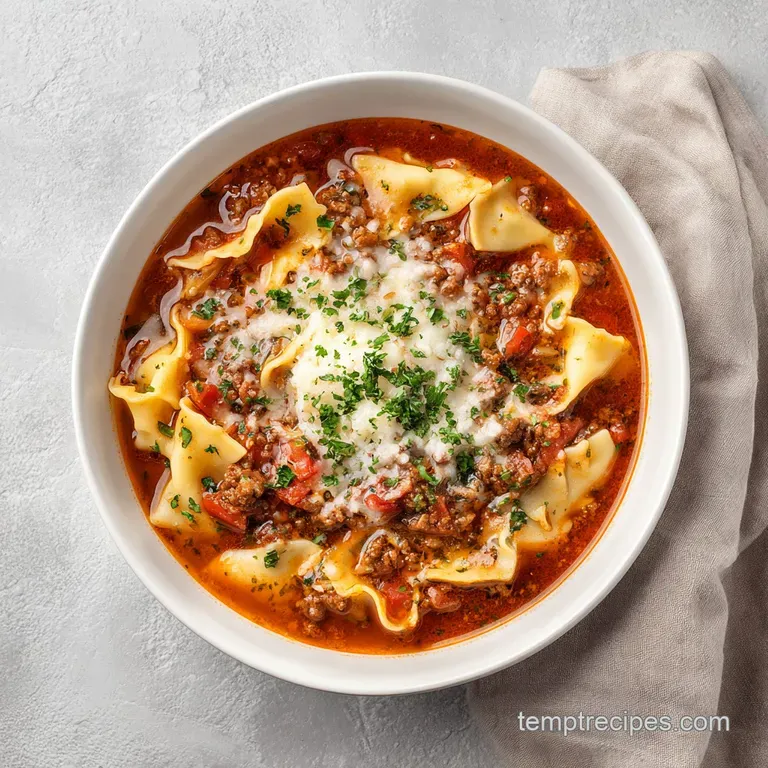
Even the simplest recipes can go sideways if you aren't paying attention. The most common issue with any lasagna soup is the "noodle bloat." Because the pasta stays in the liquid, it continues to absorb moisture even after you turn off the stove.
Avoiding Overcooked Pasta Sogginess
If you aren't serving the whole pot immediately, the noodles will eventually turn mushy. If you are meal prepping, the best trick is to cook the noodles separately in water and only add them to the individual bowls of soup when you are ready to eat. This keeps the pasta "al dente" every single time.
Thickening A Thin Broth
If your soup looks too watery, it’s usually because the lid was on too tight or the noodles didn't release enough starch. You can fix this easily: take a ladle of the soup (mostly broth) and blend it with an extra quarter cup of cottage cheese, then stir it back in.
The extra proteins and fats will bind the liquid and give it that hearty body you're looking for.
| Problem | Root Cause | Solution |
|---|---|---|
| Grainy texture | Cheese curdled from heat | Temper the dairy by adding hot broth to the cheese first. |
| Bland flavor | Not enough salt or acid | Add a splash of balsamic vinegar or an extra pinch of salt. |
| Stuck noodles | Not enough stirring | Stir every 2 mins and ensure the liquid is at a true simmer. |
Common Mistakes Checklist
- ✓ Don't skip browning the meat; gray meat has zero flavor.
- ✓ Never add the dairy to a boiling pot; turn the heat down first to prevent splitting.
- ✓ Use a large enough pot; the noodles need room to move so they don't stick.
- ✓ Break the noodles into small, bite sized pieces; huge sheets are impossible to eat with a spoon.
- ✓ Fresh basil is a must; dried basil won't give you that bright, finishing pop.
Smart Variations And Substitutes
One of the best things about this healthy lasagna soup recipe is how adaptable it is to your pantry. If you don't have lasagna noodles, you can use any short pasta shape. Fusilli or Campanelle are excellent because their ridges catch the bits of meat and cheese perfectly.
For those nights when you want that same creamy vibe but with actual pasta noodles, this Ricotta Chicken Pasta recipe hits the spot and follows a similar flavor profile. If you are looking for a budget friendly swap, you can replace the chicken sausage with extra ground beef and a teaspoon of fennel seeds to mimic that sausage flavor without the higher price tag of links.
| Original Ingredient | Substitute | Why It Works |
|---|---|---|
| Lasagna Noodles | Rotini or Penne | Similar cook time. Note: Won't have the classic "flat" lasagna feel. |
| Chicken Bone Broth | Beef Broth + Collagen | Increases protein. Note: Slightly saltier profile. |
| Lean Ground Beef | Ground Turkey (93%) | Lower saturated fat. Note: Needs more seasoning (paprika/salt). |
For a Lower Carb Profile
If you are watching your carb intake, you can swap the lasagna noodles for zucchini ribbons or hearts of palm pasta. Just be aware that these won't release starch, so your soup will be much thinner.
You might want to simmer the broth a bit longer to reduce it or add a touch more tomato paste to compensate for the loss of body.
dairy-free Protein Alternatives
To make this dairy-free, you can swap the cottage cheese for a blended silken tofu. It provides a similar creamy texture and high protein content. Replace the mozzarella and parmesan with nutritional yeast and a dairy-free cheese alternative. The flavor will be nuttier, but the "comfort" factor remains high.
Storage And Reheating Tips
This is one of those rare dishes that actually tastes better the next day. As it sits in the fridge, the spices meld, and the beef flavors the broth even more deeply. However, you have to be smart about the noodles.
Fridge Life: Store in an airtight container for up to 4 days. If the noodles were cooked in the soup, expect the broth to be much thicker the next day. You will likely need to add a splash of water or broth when reheating to bring it back to a soup consistency.
Freezing: You can freeze the soup base (meat, broth, sauce) for up to 3 months. Do not freeze with the noodles or the cheese mixture. The noodles will turn to mush when thawed, and the dairy will likely separate.
For best results, freeze the "sauce" part, then add fresh noodles and the blended cheese when you reheat it on the stove.
Zero Waste Tip: Don't throw away the parmesan rind! If you have the hard end of a block of parmesan, toss it into the pot while the noodles simmer. It will melt slightly and release a massive amount of salty, savory depth into the broth. Just fish it out before serving.
You can also use any leftover onion skins or garlic peels to make your own bone broth next time.
Serving Suggestions And Pairings
When you are serving this easy high protein lasagna soup, presentation can make it feel like a restaurant meal. A drizzle of high-quality olive oil and a few extra cracks of black pepper go a long way. Since this is a hearty meal on its own, you don't need much else, but a few additions can round it out.
The Perfect Pairing: A simple green salad with a sharp vinaigrette is the ideal counterpoint to the rich, cheesy soup. The acidity of the dressing cuts through the fat of the beef and cheese, refreshing your palate between bites.
Bread Options: If you have the calories to spare, a piece of crusty sourdough or garlic bread is perfect for mopping up the last bits of the velvety sauce at the bottom of the bowl. For a lower carb option, try some roasted broccoli with lemon zest.
Garnish For Visual Appeal
Don't underestimate the power of fresh basil. The heat of the soup will wilt the basil slightly, releasing its oils and creating a beautiful contrast against the deep red sauce. If you want a little heat, a sprinkle of red pepper flakes is a classic lasagna addition that works perfectly here.
Side Dish Recommendations
If you are serving this for a family dinner, consider a side of roasted balsamic Brussels sprouts. The slight bitterness of the charred sprouts pairs beautifully with the sweet tomato base of the soup.
This recipe yields 6 generous servings, making it perfect for a Sunday dinner with enough leftovers for Monday’s lunch.
Common Cooking Myths
There is a lot of misinformation out there about "one pot" pasta dishes. Let's clear up a few things so you can cook with confidence.
Myth 1: You must boil the noodles separately. Many people think cooking pasta in the sauce makes it gummy. This only happens if you don't have enough liquid. Cooking the noodles in the broth allows them to absorb flavor and thickens the soup naturally with the pasta's own starch.
It's a culinary win, not a shortcut to be ashamed of.
Myth 2: Searing meat "locks in" juices. Searing actually doesn't prevent moisture loss; it’s all about the Maillard reaction. We sear the beef and sausage to create new, complex flavor molecules. The "juice" in the soup comes from the fat and the broth, not from "sealing" the meat.
Myth 3: Cottage cheese will always be lumpy in soup. This is only true if you don't blend it. High speed blending changes the physical structure of the cheese, turning it into a smooth liquid that behaves exactly like heavy cream but with a fraction of the fat and way more protein.
It’s the ultimate "stealth health" trick for creamy soups.
This high protein lasagna soup is proof that you don't have to choose between your health goals and your love for comfort food. It’s fast, it’s budget friendly, and it delivers that big lasagna flavor without the big lasagna effort. Now, get that Dutch oven on the stove and let’s get cooking!

CRITICAL: Very High in Sodium
1150 mg 1150 mg of sodium per serving (50% 50% of daily value)
The American Heart Association recommends a limit of no more than 2,300mg of sodium per day, with an ideal limit of about 1,500mg per day for most adults.
Tips to Reduce Sodium in Your Lasagna
-
Choose Low-Sodium Broth-30%
Replace the 4 cups of regular chicken bone broth with low-sodium chicken bone broth. This is a significant source of hidden sodium.
-
Opt for Low-Sodium Italian Sausage-25%
Substitute the 2 links of mild Italian chicken sausage with low-sodium mild Italian chicken sausage. Processed meats are often high in sodium.
-
Select Low-Sodium Marinara Sauce-20%
Switch to a low-sodium marinara sauce instead of the regular version. Even 'no sugar added' versions can be high in sodium.
-
Use Less Parmesan Cheese-15%
Reduce the 1/2 cup of freshly grated parmesan cheese to 1/4 cup. Parmesan is naturally high in sodium.
-
Boost Flavor with Herbs and Spices
Leverage the 1 tablespoon of Italian seasoning, 1 teaspoon of smoked paprika, and 1/4 cup of fresh basil. Consider adding more fresh herbs like oregano or thyme, and a pinch of red pepper flakes for extra flavor without sodium.
-
Rinse Cottage Cheese-10%
If using regular cottage cheese, rinsing it under water can help remove some of the added sodium. Opt for low-sodium cottage cheese if available.
Recipe FAQs
How to prevent the cottage cheese from curdling in the soup?
Temper the blended cheese mixture by slowly whisking in a half cup of hot broth before adding it to the pot. This gentle transition prevents the dairy from shocking and splitting when it hits the high heat of the soup.
Can I store this soup if I plan on eating it for several days?
Yes, store it in an airtight container in the refrigerator for up to four days. Be aware that the lasagna noodles will continue to absorb liquid, so expect a thicker consistency and add a splash of broth when reheating.
Is it true I should skip browning the ground beef to save time?
No, this is a common misconception. Browning the meat until it is dark and crumbly is essential for building a deep, savory foundation for your broth that you simply cannot achieve otherwise.
How to ensure the noodles do not stick together while cooking?
Stir the pot occasionally while the noodles simmer for 8-10 minutes. Giving them enough space to move in the Dutch oven ensures they cook evenly and remain al dente rather than becoming a gummy mess.
How to achieve the best flavor from the aromatics?
Cook the tomato paste for 1-2 minutes until it darkens before adding the liquids. This technique, known as blooming, deepens the savory profile, similar to how we layer flavors in our creamy southern spaghetti bake for maximum intensity.
Can I freeze this high protein soup for later?
Yes, you can freeze the soup base, but it is best to freeze it without the noodles. Because the noodles soften significantly during the freezing and reheating process, they are best cooked fresh whenever you are ready to serve.
How to properly finish the dish before serving?
Turn off the heat entirely before stirring in the shredded mozzarella and chiffonade basil. Adding these at the very end ensures the cheese melts perfectly into the broth without separating and the basil retains its bright, fresh aroma.
High Protein Lasagna Soup
Ingredients:
Instructions:
Nutrition Facts:
| Calories | 478 kcal |
|---|---|
| Protein | 43 g |
| Fat | 15 g |
| Carbs | 42 g |
| Fiber | 3 g |
| Sugar | 8 g |
| Sodium | 1150 mg |
