Spicy Indian Cabbage Recipe: Tender Crisp Finish
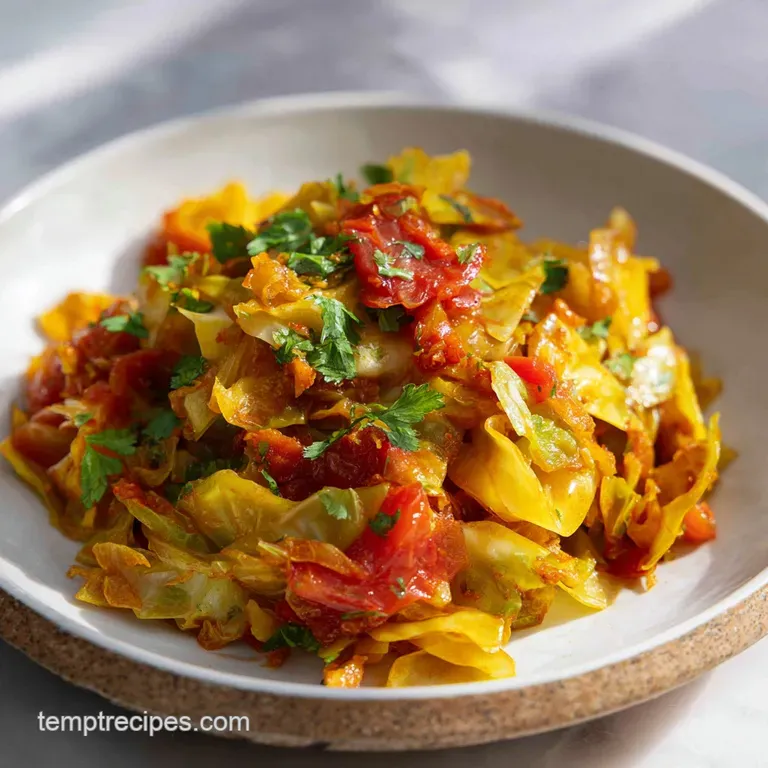
- Time: Active 15 minutes, Passive 0 minutes, Total 25 minutes
- Flavor/Texture Hook: Tender crisp texture with a nutty, zingy finish
- Perfect for: Weeknight dinners and healthy meal prep
- Mastering This Spicy Indian Cabbage Recipe
- The Science Behind the Snap
- Essential Components for Bold Flavor
- Simple Tools for Quick Results
- Easy Steps for Perfectly Sautéed Cabbage
- Avoiding Sogginess and Bitter Spices
- Simple Ways to Adapt Flavor
- Storage and Reducing Food Waste
- Simple Truths About Sautéed Veggies
- Best Dishes to Serve Alongside
- Recipe FAQs
- 📝 Recipe Card
Mastering This Spicy Indian Cabbage Recipe
Ever had that sad, gray cabbage that smells like a wet basement? I used to make it all the time. I would dump a whole head of cabbage into a pot, add too much water, and wait until it turned into mush. It was depressing and nobody ever wanted seconds.
That all changed once I learned the secret of the tadka—the hot oil tempering. The first time I dropped mustard seeds into a shimmering pan of avocado oil and heard them pop and dance, I knew I was onto something special.
The aroma was earthy and sharp, completely different from the boiled cabbage of my childhood.
This dish isn't about hiding the vegetable; it's about celebrating its natural sweetness with a hit of heat. We're going for a tender crisp result that actually has some personality. It is simple, fast, and honestly, quite addictive once you get the spice balance right.
The Science Behind the Snap
Flash Evaporation: High heat quickly evaporates surface moisture from the cabbage, preventing it from stewing in its own juices. This ensures the leaves stay bright and keep their structural integrity instead of turning limp.
| Cabbage Type | Prep Style | Cook Time | Final Texture |
|---|---|---|---|
| Fresh Green | Hand shredded | 6-8 mins | Tender with a bite |
| Bagged Mix | Pre shredded | 4-5 mins | Soft and quick |
| Purple Cabbage | Sliced thin | 10 mins | Firm and earthy |
When you use a fresh head of cabbage, you get more moisture control than with pre bagged versions. If you are looking for a shortcut, the bagged coleslaw mix works in a pinch, but it wilts much faster than hand cut ribbons.
Essential Components for Bold Flavor
| Ingredient | Science Role | Pro Secret |
|---|---|---|
| Avocado oil (2 tbsp) | High smoke point | Carries fat soluble spice flavors |
| Mustard seeds (1 tsp) | Aromatics | Pop them to release essential oils |
| Asafetida (1/4 tsp) | Flavor bridge | Adds an onion like savory depth |
| Cabbage (500g) | Main structure | Slices must be uniform for even cooking |
Getting your ingredients ready before the heat starts is vital here. For a fun twist on textures, you could pair this with my Hot Honey Pickled recipe to add a bright, acidic crunch to the plate.
- Avocado oil (2 tbsp): Why this? It handles high heat without smoking or losing its neutral flavor. (Substitute: Grapeseed oil)
- Brown mustard seeds (1 tsp): Why this? They provide a nutty, pungent pop that defines the dish. (Substitute: Yellow mustard seeds)
- Cumin seeds (1 tsp): Why this? Adds a warm, earthy backbone to the spice profile. (Substitute: Ground cumin, added later)
- Fresh curry leaves (10-12): Why this? They offer a citrusy, herbal aroma that can't be replicated. (Substitute: Lime zest)
- Asafetida/Hing (1/4 tsp): Why this? Mimics the savory notes of garlic and onions. (Substitute: Garlic powder)
- Green chilies (2, slit): Why this? Provides a sharp, fresh heat that cuts through the oil. (Substitute: Serrano peppers)
- Green cabbage (500g, shredded): Why this? It stays crisp and absorbs spices better than red cabbage. (Substitute: Savoy cabbage)
- Turmeric powder (1/2 tsp): Why this? Gives the dish a brilliant gold color and earthy warmth. (Substitute: Saffron threads)
- Red chili powder (1/2 tsp): Why this? Adds a lingering background glow of heat. (Substitute: Cayenne pepper)
- Salt (1 tsp): Why this? Enhances all the other spices and draws out sweetness. (Substitute: Sea salt)
- Fresh cilantro (1/4 cup): Why this? Adds a burst of cooling freshness at the very end. (Substitute: Parsley)
- Fresh lemon juice (1 tbsp): Why this? The acid brightens the heavy spice notes instantly. (Substitute: Lime juice)
Simple Tools for Quick Results
You don't need a pantry full of gadgets to get this right. A wide, heavy bottomed skillet or a traditional Indian kadai is the best tool for the job. The wide surface area allows the moisture to escape quickly, which is the whole secret to that "tender crisp" texture we are chasing.
A sharp chef's knife is your best friend here too. If you slice the cabbage too thick, it won't cook through before the spices burn. If you slice it into hair thin threads, it will turn into a puddle of mush. Aim for ribbons about 3mm thick.
It doesn't have to be perfect, but keeping them roughly the same size ensures you won't have some bits raw and others overdone.
Easy Steps for Perfectly Sautéed Cabbage

- Prep the cabbage. Shred the 500g of green cabbage into thin, even ribbons. Note: Dry it thoroughly after washing to prevent steaming.
- Heat the oil. Place 2 tbsp avocado oil in a wide skillet over medium high heat.
- Pop the seeds. Add 1 tsp brown mustard seeds and wait until they start to sizzle and crackle.
- Add aromatics. Toss in 1 tsp cumin seeds, 10-12 curry leaves, 1/4 tsp asafetida, and 2 slit green chilies.
- Toast the spices. Sauté for 30 seconds until the curry leaves turn glossy and fragrant.
- Incorporate cabbage. Add the shredded cabbage and toss well to coat every ribbon in the spiced oil.
- Season the mix. Sprinkle in 1/2 tsp turmeric powder, 1/2 tsp red chili powder, and 1 tsp salt.
- Sauté quickly. Cook for 6-8 minutes over medium high heat until the cabbage is softened but still vibrant.
- Finish with acid. Remove from heat and stir in 1 tbsp fresh lemon juice.
- Garnish and serve. Fold in 1/4 cup chopped fresh cilantro and serve immediately.
Chef's Tip: Freeze your fresh curry leaves in a zip top bag. They stay fragrant for months and you can drop them straight into the hot oil without thawing!
Avoiding Sogginess and Bitter Spices
Why Your Cabbage Is Limp
If your cabbage ends up watery, you likely covered the pan. When you put a lid on, you trap the steam, which effectively boils the vegetable from the inside out. Keep the pan open and the heat medium high to let that water escape.
| Problem | Root Cause | Solution |
|---|---|---|
| Bitter taste | Burnt mustard seeds | Lower heat or add seeds later |
| Soggy texture | Too much moisture | Don't cover the pan with a lid |
| Dull color | Overcooking | Stop cooking while cabbage has a "snap" |
Why Your Spices Taste Burnt
The tempering process happens fast. If the oil is smoking before you add the seeds, it is too hot. The mustard seeds should take about 5-10 seconds to start popping. If they turn black instantly, toss the oil and start over burnt spices will ruin the entire dish.
- ✓ Dry the cabbage completely with a kitchen towel before slicing.
- ✓ Shred the cabbage uniformly so it cooks at the same rate.
- ✓ Never use a lid during the sautéing process.
- ✓ Add the lemon juice only after turning off the heat to preserve the zing.
Simple Ways to Adapt Flavor
Scaling this dish is quite easy if you are feeding a crowd. For a double batch, use a very large wok or work in two separate pans. If you crowd the pan with 1kg of cabbage at once, the temperature will drop and the cabbage will start to stew instead of sear.
| Original | Substitute | Flavor Impact |
|---|---|---|
| Green Cabbage | Kale Ribbons | Heartier, more bitter finish |
| Red Chili Powder | Smoked Paprika | Adds a deep, woodsy sweetness |
| Lemon Juice | Apple Cider Vinegar | More fermented, punchy tang |
If you want a more substantial meal, try adding a handful of toasted yellow lentils (moong dal) during the tempering phase. It adds a lovely crunch that contrasts with the soft cabbage. This spicy Indian cabbage recipe also pairs beautifully as a side to a main like my Sheet Pan Lemon recipe for a light, healthy dinner.
Storage and Reducing Food Waste
Store leftovers in an airtight container in the fridge for up to 3 days. To reheat, I suggest using a dry skillet over medium heat rather than the microwave. The microwave tends to make the cabbage quite rubbery. Just 2 minutes in a hot pan will bring back some of that original texture.
Don't throw away the core of the cabbage! While it is too tough for this specific sauté, you can finely grate it into slaws or toss it into a vegetable scrap bag in your freezer for making stock later. The outer leaves that are slightly wilted can also be shredded and added to soups.
Simple Truths About Sautéed Veggies
One common misconception is that you need a lot of water to cook cabbage. In reality, cabbage is about 90% water. Adding more just dilutes the flavor and ruins the texture. The oil and the high heat are all you need to soften the fibers.
Another myth is that "hing" or asafetida is optional. While you can leave it out, you lose that signature "restaurant" smell and taste. It is a powerful digestive aid and provides a savory backbone that makes people ask, "What is that secret ingredient?" Trust me, it is worth keeping in your spice drawer.
Best Dishes to Serve Alongside
This cabbage is a fantastic team player. It is traditionally served with warm rotis or dal and rice, but it works surprisingly well in fusion dishes. I love stuffing leftovers into a toasted sandwich with a bit of sharp cheddar cheese it sounds wild, but the spices and the melted cheese are a match made in heaven.
If you are looking for a complete Indian inspired spread, serve this alongside a cooling yogurt raita. The creaminess of the yogurt balances the heat from the green chilies and red chili powder perfectly. It is a simple, satisfying way to get more greens onto your plate without feeling like you are eating "diet food."
Recipe FAQs
Can I substitute red cabbage for green cabbage in this recipe?
Yes, but adjust cooking time. Red cabbage is slightly denser, so it requires about 2-3 minutes longer of sautéing to reach tender crispness.
How to prevent the mustard seeds from tasting bitter?
Ensure your oil is hot, but not smoking, before adding seeds. They should sizzle and pop within 5-10 seconds; if they burn instantly, your heat is too high, or you need to start over with fresh oil.
How long can I safely store the leftover spicy cabbage?
Store tightly covered in the refrigerator for up to 3 days. For best texture retention upon reheating, use a dry skillet over medium heat instead of a microwave.
How to make this dish heartier for a main course?
Toss in a protein or grain after the cabbage is cooked. For a hearty vegetarian option, consider adding cooked chickpeas or lentils; if you prefer a meat option, this spice profile works well alongside quick cooked chicken, similar to the flavor base used in our Sweet and Sour recipe.
Is it true that adding salt too early draws out too much moisture?
No, this is a common misconception in this high heat method. Salt is added midway through to season the softening vegetable; the high heat used for tempering ensures evaporation, unlike slow braising.
How to shred the cabbage uniformly for even cooking?
Cut the cabbage into thin ribbons approximately 3mm thick. Uniformity is key here so all pieces soften at the same rate; if you struggle with consistent slicing, mastering knife skills is crucial for dishes like this and our Homemade Meatball Sub recipe.
How do I stop the cabbage from becoming mushy and watery?
Cook the cabbage uncovered over medium high heat. Covering the pan traps steam, which causes the vegetable to boil in its own liquid; the goal is rapid evaporation, not steaming.
Spicy Indian Cabbage Recipe

Ingredients:
Instructions:
Nutrition Facts:
| Calories | 110 kcal |
|---|---|
| Protein | 2.4 g |
| Fat | 8.1 g |
| Carbs | 9.4 g |
| Fiber | 3.5 g |
| Sugar | 4.1 g |
| Sodium | 588 mg |
