Sheet Pan Broccoli Tortellini Bake with Sausage
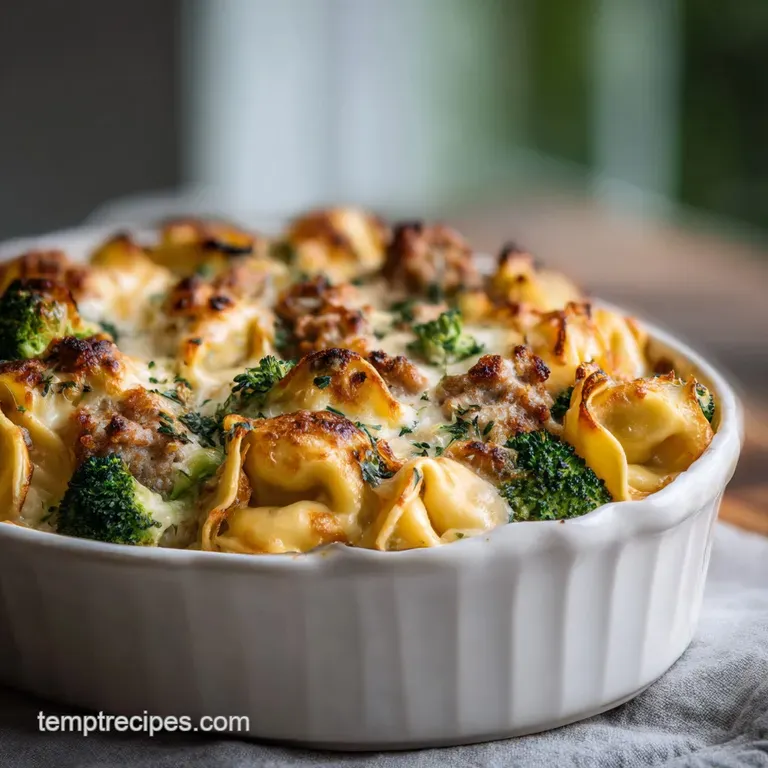
- Time: Active 10 minutes, Passive 25 minutes, Total 35 minutes
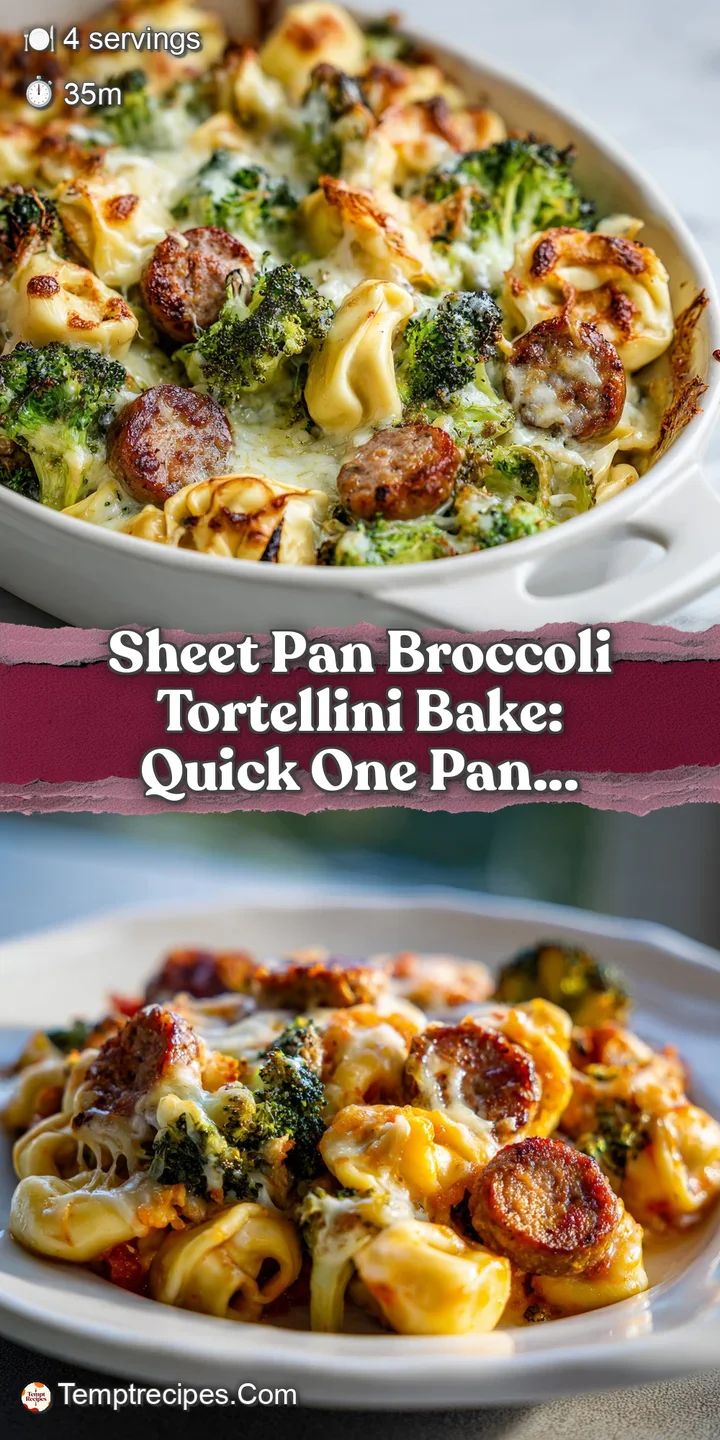
- Flavor/Texture Hook: Golden brown toasted pasta with tender crisp roasted broccoli
- Perfect for: Stress free weeknight dinners or minimal cleanup meal prep
- Why This One Pan Method Actually Works
- Essential Ingredients for This Simple Dinner
- The Minimalist Kitchen Tools Required
- Step By Step Guide To Roasted Perfection
- Pro Tips to Avoid Common Cooking Mistakes
- Easy Ingredient Swaps and Flavor Twists
- Adjusting the Recipe for Different Needs
- Debunking Sheet Pan Pasta Misconceptions
- Best Practices for Storing and Reheating
- Simple Ways to Serve This Meal
- Recipe FAQs
- 📝 Recipe Card
Why This One Pan Method Actually Works
1. The Steam Roast Synergy
By tossing the refrigerated tortellini with olive oil and roasting it alongside the broccoli, we create a mini environment of "roast steaming." The moisture locked inside the fresh pasta and the water released by the broccoli florets turn into steam under the high heat, cooking the pasta through while the outside gets
that signature sheet pan crunch.
2. over High heat Maillard Reaction
Caramelization: The 400°F oven temperature triggers the Maillard reaction on the sliced chicken sausage and the edges of the broccoli. This creates deep, savory flavor compounds that you'd completely miss if you were just simmering these ingredients in a pot of water.
3. Maximum Surface Area Contact
Crispy Edges: Spreading the 20 oz refrigerated cheese tortellini out in a single layer ensures every piece touches the hot metal of the pan. This contact allows the fats from the oil and the sausage to fry the bottom of the pasta slightly, resulting in a texture that is both tender and "shatter crisp" on the edges.
4. Flavor Infusion Logistics
Fat Soluble Spices: Mixing the garlic powder and Italian seasoning directly with the olive oil before roasting allows the fat to carry those flavors into the porous surface of the tortellini.
It’s a much more efficient way to season than adding spices to a large volume of pasta water where most of it goes down the drain.
| Method | Total Time | Texture | Cleanup |
|---|---|---|---|
| Sheet Pan Bake | 35 minutes | Toasted edges, tender crisp veggies | 1 pan, no pots |
| Traditional Boil | 45 minutes | Soft, uniform pasta, steamed veggies | 2 pots, 1 colander |
| Stovetop Sauté | 40 minutes | Seared sausage, can be greasy | 1 large skillet |
Choosing the sheet pan route isn't just about saving time; it's about shifting the texture profile from "mushy comfort" to "roasted satisfaction." If you're used to the soft bite of my Creamy Garlic Parmesan recipe, you'll find this version offers a much more interesting contrast between the snappy sausage and the crispy pasta shells.
Essential Ingredients for This Simple Dinner
| Ingredient | Science Role | Pro Secret |
|---|---|---|
| Refrigerated Tortellini | Provides internal moisture for steaming | Use "fresh" refrigerated pasta only; dried won't soften enough in the oven. |
| Broccoli Florets | Releases necessary steam during roasting | Cut into small, uniform "bite sized" pieces to ensure they cook at the same rate as the pasta. |
| Chicken Sausage | Adds fat and savory umami base | Look for "pre cooked" varieties to ensure they brown properly without drying out the dish. |
- 20 oz refrigerated cheese tortellini: This is the heart of the dish. Why this? Refrigerated pasta has higher moisture content, essential for cooking without boiling water.
- Substitute: Refrigerated ravioli (spinach or mushroom work great).
- 1 lb broccoli florets: Cut them into small pieces. Why this? They provide the bulk and the necessary steam for the pasta.
- Substitute: Cauliflower florets or trimmed asparagus spears.
- 12 oz pre cooked chicken sausage: Slice these into 1/2 inch rounds. Why this? Adds protein and savory fat that flavors the entire pan.
- Substitute: Sliced kielbasa or plant based sausage links.
- 3 tbsp extra virgin olive oil: Don't skimp here. Why this? Conducts heat and prevents the pasta from becoming tough and leathery.
- Substitute: Avocado oil or melted clarified butter.
- 1/2 cup shredded mozzarella cheese: For that classic cheese pull. Why this? It melts quickly and creates a velvety blanket over the roast.
- Substitute: Shredded provolone or Monterey Jack.
- 1/4 cup grated parmesan cheese: For a salty, nutty finish. Why this? Parmesan doesn't melt like mozzarella; it creates a flavorful crust.
- Substitute: Pecorino Romano or nutritional yeast for a dairy-free vibe.
- 1 tsp garlic powder & 1 tsp dried Italian seasoning: Our primary flavor drivers.
- Substitute: Onion powder and dried oregano.
- 1/4 tsp red pepper flakes & 1/4 tsp fresh cracked pepper: For a hint of warmth.
- Substitute: A pinch of cayenne or extra black pepper if you're spice averse.
The Minimalist Kitchen Tools Required
For this Broccoli Tortellini Bake, we really are sticking to the basics. You will need one extra large rimmed baking sheet (often called a half sheet pan). I prefer heavy gauge aluminum because it distributes heat evenly and won't warp in a 400°F oven.
If your pan is too small, the ingredients will pile up and steam rather than roast, leaving you with soggy broccoli instead of those lovely charred edges.
You’ll also need a large mixing bowl to toss everything together before it hits the pan. While you could technically mix it all on the sheet pan, a bowl ensures every single tortellini is coated in oil and spices.
Finally, a sturdy spatula is essential for flipping the mixture halfway through. A metal spatula is best for scraping up those delicious browned bits that stick to the bottom of the pan that's where all the flavor lives!
step-by-step Guide To Roasted Perfection
- Preheat the oven. Set your oven to 400°C (200°C) and place the rack in the center position. Note: A hot oven is non negotiable for achieving that toasted texture.
- Prep the broccoli. Cut 1 lb of broccoli florets into very small pieces. Stop when they are no larger than the tortellini themselves to ensure even cooking.
- Slice the sausage. Cut 12 oz of pre cooked chicken sausage into 1/2 inch rounds. If they are too thin, they’ll dry out; too thick, and they won't brown.
- Whisk the oil blend. In a small jar or bowl, mix 3 tbsp extra virgin olive oil with the garlic powder, Italian seasoning, red pepper flakes, and cracked pepper.
- Toss the base. Combine the 20 oz tortellini, broccoli, and sausage in a large bowl. Pour the oil mixture over and toss until every surface looks shiny and coated.
- Spread on the pan. Transfer everything to your large baking sheet. Spread it out into a single layer, ensuring the tortellini isn't stacked.
- Initial Roast. Bake for 15 minutes until the broccoli starts to char and the pasta looks plump.
- Flip and stir. Use your spatula to turn the ingredients over. This ensures the other side of the pasta gets that golden brown finish.
- Add the cheese. Sprinkle the 1/2 cup mozzarella and 1/4 cup parmesan evenly over the top.
- Final Melt. Bake for another 8 to 10 minutes until the cheese is melted, bubbling, and starting to brown in spots.
Chef's Tip: If you want an extra crunch, turn on the broiler for the last 60 seconds of cooking. Just stay close cheese goes from "perfectly melted" to "charred beyond repair" in a heartbeat!
Pro Tips to Avoid Common Cooking Mistakes
Why Your Tortellini is Too Hard
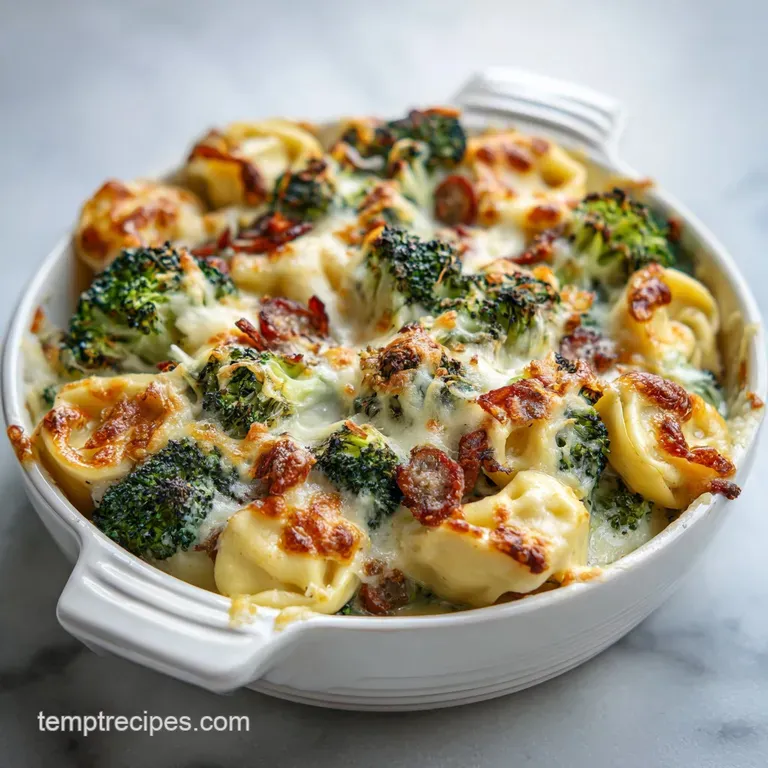
If the edges of your pasta feel like crackers rather than toasted bread, it’s usually because they weren't coated well enough in oil. The oil acts as a heat conductor and keeps the pasta skin supple while it cooks.
Another culprit is using "dried" tortellini from the pantry aisle; those require a full boil and won't work for this specific sheet pan method.
The Mystery of the Soggy Broccoli
Crowding the pan is the number one reason for mushy vegetables. When the broccoli pieces are too close together, the moisture they release gets trapped, essentially boiling the veggies in their own juice. Use two pans if you have to, or make sure there is visible space between the clusters on your sheet.
| Problem | Root Cause | Solution |
|---|---|---|
| Dry Pasta | Insufficient oil coating | Toss thoroughly in a bowl before spreading on the pan. |
| Burnt Garlic | Using fresh minced garlic too early | Use garlic powder or add fresh garlic only in the last 5 minutes. |
| Pale Sausage | Overcrowded sheet pan | Spread ingredients into a single layer to allow air circulation. |
Common Mistakes Checklist:
- ✓ Don't use frozen broccoli unless you thaw and pat it completely dry first.
- ✓ Check that your chicken sausage is "pre cooked"; raw sausage won't cook fast enough at this temp.
- ✓ Ensure the oven is fully preheated before the pan goes in to jumpstart the searing process.
- ✓ Resist the urge to add the cheese at the very beginning it will burn before the pasta is done.
- ✓ Cut your broccoli florets small so they match the cook time of the tortellini.
Easy Ingredient Swaps and Flavor Twists
This Tortellini Bake is a bit of a blank canvas. If you're feeling fancy, try a Sheet Pan Pesto Tortellini Bake by drizzling 1/4 cup of store-bought pesto over the finished dish right before serving. It adds a bright, herbaceous punch that cuts through the richness of the cheese.
For a Vegetarian Upgrade, simply swap the chicken sausage for a can of rinsed chickpeas or some sliced sun dried tomatoes. If you use chickpeas, they’ll get delightfully crispy and nutty in the oven. If you're looking for a different protein entirely, this method works beautifully with the flavors found in a Sheet Pan Lemon recipe, though you’d want to add the fish later in the cooking process.
If you want X, do Y:If you want it spicier, double the red pepper flakes and add a drizzle of hot honey after baking. If you want more greens, toss in two handfuls of baby spinach during the last 2 minutes of roasting until just wilted.
If you want a deeper flavor, use smoked gouda instead of mozzarella for a woody, campfire style finish.
Adjusting the Recipe for Different Needs
Scaling Down (For 2 People)
To make a half batch, simply halve all the ingredients. However, keep the oven temperature the same. You can use a smaller quarter sheet pan, but the cooking time might decrease by about 5 minutes since there is less thermal mass in the oven.
Watch for the broccoli to reach your desired tenderness.
Scaling Up (For a Crowd)
If you're doubling this for 8 people, do not try to cram it all onto one sheet pan. You must use two separate pans and rotate them between the top and bottom racks halfway through the cooking time.
Increase the salt and spices to 1.5x rather than a full 2x to avoid over seasoning, as the concentrated roasting process intensifies those flavors.
Baking Adjustments
If you are using a convection oven (fan forced), reduce the temperature to 375°F (190°C). The fan circulates the hot air much faster, which can cause the cheese and the tips of the broccoli to brown too quickly before the center of the tortellini is fully heated through.
Debunking Sheet Pan Pasta Misconceptions
One major myth is that "you must boil pasta before baking it." This simply isn't true for refrigerated pasta. Because fresh tortellini already has a high hydration level, the ambient moisture in the oven (and from the veggies) is plenty to soften the starch.
Boiling it first would actually result in a soggy, structural mess once it hits the high heat of the oven.
Another misconception is that "all sheet pans are created equal." If you use a thin, dark colored pan, your food will likely burn on the bottom before it cooks on the top. Dark pans absorb heat more aggressively.
If that's all you have, lower your oven temp by 25 degrees and keep a close eye on the underside of those sausages!
Best Practices for Storing and Reheating
Storage Guidelines: Keep your leftovers in an airtight container in the fridge for up to 3 to 4 days. This dish actually holds up surprisingly well because the roasted broccoli doesn't get as "weepy" as steamed broccoli does over time.
I don't recommend freezing the finished dish, as the texture of the cheese and the pasta can become grainy and mushy upon thawing.
Reheating Tips: To maintain that satisfying crunch, reheat leftovers in an air fryer at 350°F for 3 to 5 minutes. If you use a microwave, the pasta will lose its crispy edges and become soft again still hearty and satisfying, but definitely a different vibe.
Add a splash of water or a tiny bit more olive oil before microwaving to keep the tortellini from drying out.
Zero Waste Idea: If you have leftover stems from the broccoli, don't toss them! Peel the tough outer skin, slice the tender inner core into matchsticks, and roast them right along with the florets. They have a lovely, sweet flavor that’s a shame to waste.
Any leftover "crumbs" of sausage and cheese at the bottom of the pan are perfect for folding into an omelet the next morning.
Simple Ways to Serve This Meal
This Tortellini Bake is truly a one pan wonder, meaning you don't need anything else. But if you're hosting or just want to feel a little more "extra," a simple side salad with a bright lemon vinaigrette provides a nice acidic contrast to the rich cheese and savory sausage. It's much like the balance we look for in our Broccoli Casserole recipe — you want something fresh to cut through the comfort.
A crusty piece of garlic bread is also never a bad idea. You can actually slide a few slices of baguette onto the same sheet pan during the last 5 minutes of cooking. They’ll soak up any leftover oil and garlic flavor from the pan, making for the ultimate low effort side dish.
Finish the whole thing with a squeeze of fresh lemon juice or a handful of torn basil leaves to bring a pop of color and freshness to the table. Enjoy your stress free dinner!
Recipe FAQs
Can I use dried tortellini instead of refrigerated ones for this bake?
No, stick strictly to refrigerated. Dried pasta requires boiling water to rehydrate and soften properly; putting it on the sheet pan will result in hard, dry shells.
How to ensure the broccoli roasts instead of steams on the sheet pan?
Spread the ingredients into a single, uncrowded layer. Ensure there is space between the broccoli florets; crowding traps moisture and leads to boiling instead of the necessary high heat roasting for crispness.
Is it necessary to use olive oil for coating everything before baking?
Yes, the oil is crucial for texture and flavor transfer. The fat conducts the oven's heat directly to the pasta surface, creating the desired toasted exterior, similar to how fat handles heat transfer in a classic Homemade Meatball Sub recipe.
How to add extra flavor depth if I want a richer meal?
Swap the mozzarella for smoked gouda or add sun dried tomatoes. The rich, smoky notes pair wonderfully with the toasted pasta, creating a more complex profile than standard Italian cheese blends.
How long should I bake the tortellini before adding the cheese topping?
Bake for 15 minutes before adding cheese. This initial high heat exposure allows the pasta to steam cook fully and the sausage edges to brown before the cheese melts and potentially burns on top.
What happens if I accidentally overcrowd my baking sheet?
The dish will turn out soggy rather than toasted. Overcrowding traps released moisture, essentially steaming the tortellini and broccoli in their own juices instead of allowing the high oven temperature to create crispy, caramelized edges.
How should I store leftovers to maintain the best quality?
Store covered in the refrigerator for up to 4 days. For reheating, an air fryer at 350°F for a few minutes will help restore some of the original crispy texture lost during refrigeration.
Sheet Pan Tortellini Bake
Ingredients:
Instructions:
Nutrition Facts:
| Calories | 512 kcal |
|---|---|
| Protein | 28.5 g |
| Fat | 24.8 g |
| Carbs | 46.2 g |
| Fiber | 5.4 g |
| Sugar | 3.8 g |
| Sodium | 1040 mg |
