Creamy Ricotta Chicken Pasta: Weeknight Ready
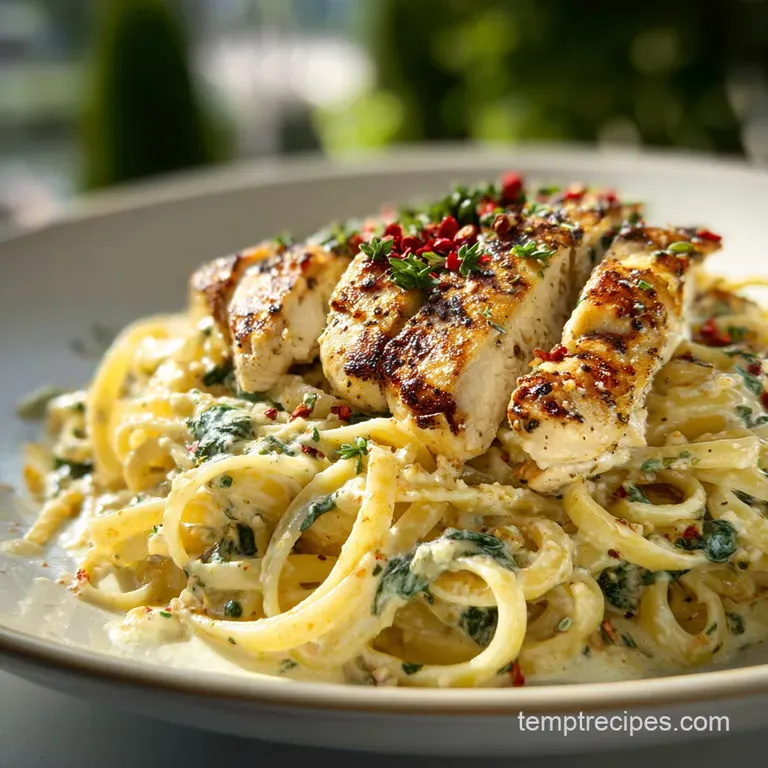
- Time: Active 10 mins, Passive 15 mins, Total 25 mins
- Flavor/Texture Hook: Silky lemon garlic sauce with tender, seared chicken
- Perfect for: Busy weeknights and budget conscious home cooks
- Mastering the Perfect Creamy Ricotta Chicken Pasta
- Understanding the Science of Texture
- Key Specifications for Success
- Sourcing Your Ingredients Wisely
- Kitchen Gear for Easy Cooking
- Step-By-Step Cooking Guide
- Solutions for Common Texture Issues
- Simple Swaps for Different Diets
- Scaling for Different Crowds
- Debunking Common Kitchen Myths
- Smart Storage and Zero Waste
- Ways to Serve and Enjoy
- High in Sodium
- Recipe FAQs
- 📝 Recipe Card
Mastering the Perfect Creamy Ricotta Chicken Pasta
I still remember the first time I tried to make a creamy pasta sauce without using heavy cream. I was a broke student, staring at a tub of ricotta that was on its last legs and a couple of chicken breasts.
I thought I could just toss them together, but what I got was a grainy, dry mess that looked more like scrambled eggs than dinner. It was a disaster, but it was also the best mistake I ever made because it forced me to learn how to actually build a sauce.
The secret, as I eventually found out, isn't about adding more fat it's about the chemistry of the water you’d normally pour down the drain. When you get that perfect emulsification between the starchy pasta water and the ricotta, something magical happens.
The kitchen fills with the scent of toasted oregano and sharp lemon, and suddenly, you’re not just eating "fridge leftovers"; you’re eating a meal that feels like it cost forty bucks at a bistro.
Trust me, once you see that sauce turn from chunky to velvety in seconds, you'll never go back to the jarred stuff.
This recipe is my go to when I want something satisfying but don't want to spend an hour hovering over the stove. We’re using 680g (1.5 lbs) of chicken and 340g (12 oz) of pasta to create a massive, comforting bowl of goodness.
It’s stress free cooking at its finest simple ingredients, smart techniques, and results that actually work every single time.
Understanding the Science of Texture
Emulsification Stability: The starches released by the pasta into the cooking water act as a natural binder, holding the fat from the ricotta and the liquid together to prevent a broken, oily sauce.
Protein Denaturation: Searing the chicken quickly at a high heat creates a Maillard reaction, developing a savory crust that prevents the meat from becoming "rubbery" when later tossed with the acidic lemon juice.
Acidic Brightness: The citric acid in the lemon juice doesn't just add flavor; it physically cuts through the heavy proteins in the cheese, making the overall mouthfeel lighter and less cloying.
| Cooking Method | Total Time | Texture Outcome | Best For |
|---|---|---|---|
| Stovetop (This Recipe) | 25 mins | Silky and light | Quick weeknight dinner |
| Pasta Bake Version | 45 mins | Crusty, golden top | Meal prep and crowds |
| Slow Cooker Base | 4 hours | Shredded and tender | Hands off preparation |
Adding the ricotta at the very end of the cooking process is vital. If you boil ricotta, the proteins tighten up and push out moisture, which is exactly why sauces sometimes end up grainy. By folding it in off the heat with that "liquid gold" pasta water, you maintain the cheese's creamy integrity. This technique is similar to how I balance the richness in my Creamy Garlic Parmesan recipe, where the temperature of the liquid dictates the final silkiness of the sauce.
Key Specifications for Success
To get the most out of your Creamy Ricotta Chicken Pasta, you need to keep a few technical checkpoints in mind. Accuracy matters when you're looking for that restaurant quality finish on a budget.
| Component | Scientific Role | Pro Secret |
|---|---|---|
| Whole Milk Ricotta | Primary Fat & Body | Use room temp cheese to prevent the sauce from "shocking" and breaking. |
| Pasta Water | Starch Emulsifier | Never skip the salt in the water; it's the only chance to season the pasta itself. |
| Lemon Zest | Aromatic Oil Carrier | Zest before juicing; the oils in the skin provide 80% of the citrus aroma. |
| Baby Spinach | Textural Contrast | Add at the very last second so it wilts but retains a vibrant green color. |
One mistake I often see is people using low-fat ricotta. Honestly, don't even bother. The lower fat content means more stabilizers and gums are added to the tub, which will never melt into that velvety sauce we're after.
Stick to the whole milk version it’s more satisfying and actually behaves better under heat.
Sourcing Your Ingredients Wisely
For this recipe, we are focusing on high impact, low cost ingredients. You don't need a fancy deli to make this work; your local supermarket has everything.
- 680g (1.5 lbs) Chicken Breasts: Thinly sliced for a fast sear. Why this? Slices cook in 5 mins, keeping the meat juicy instead of dry.
- Substitute: Boneless thighs for a richer, fattier flavor.
- 340g (12 oz) Penne or Rigatoni: Any shape with ridges or holes. Why this? Ridges act like "sauce traps" for the creamy ricotta.
- Substitute: Whole wheat pasta for a nuttier, fiber rich profile.
- 360ml (1.5 cups) Whole milk Ricotta: The heart of the dish. Why this? Provides a creamy base without the need for heavy cream.
- Substitute: Cottage cheese (blended until smooth) for a high protein, lower calorie swap.
- 2 tbsp Extra Virgin Olive Oil: For searing and flavor. Why this? High smoke point enough for chicken but adds fruity notes.
- Substitute: Unsalted butter for a more French, indulgent finish.
- 50g (1/2 cup) Parmesan Cheese: Finely grated for salty depth. Why this? Adds the "umami" punch that ricotta lacks on its own.
- Substitute: Pecorino Romano for a sharper, saltier tang.
- 2 cups Fresh Baby Spinach: For color and nutrients. Why this? Wilts instantly without needing separate cooking time.
- Substitute: Frozen spinach (thawed and squeezed bone dry) works in a pinch.
- 3 Cloves Garlic: Freshly minced. Why this? The foundation of any good savory pasta sauce.
- Substitute: 1 tsp garlic powder if you're in a massive rush.
- 1 Large Lemon: Both zest and juice. Why this? Brightness is the key to balancing the heavy cheese.
- Substitute: 1 tbsp white wine vinegar if lemons are out of stock.
| Original Ingredient | Substitute | Why It Works |
|---|---|---|
| Whole Milk Ricotta (1.5 cups) | Greek Yogurt (Plain, 1.5 cups) | Tangier results. Note: Add yogurt off the heat to prevent curdling. |
| Penne Pasta (12 oz) | Zucchini Noodles (4 cups) | Low carb option. Note: Texture will be much softer and more watery. |
| Fresh Baby Spinach (2 cups) | Chopped Kale (2 cups) | Higher fiber. Note: Requires 3-4 mins of extra sautéing to soften. |
Kitchen Gear for Easy Cooking
You don't need a professional kitchen to pull this off. I usually reach for my largest stainless steel skillet or a heavy bottomed Dutch oven. The goal is surface area you want the chicken to sear, not steam.
A good microplane is also a lifesaver for the lemon and the Parmesan. If you're using a box grater, use the finest holes possible. Large chunks of Parmesan take longer to melt, which can lead to a lumpy sauce. Finally,, grab a pair of tongs.
They are much better for tossing the pasta and ensuring every single noodle is coated in that creamy lemon ricotta.
step-by-step Cooking Guide
- Boil the pasta. Cook 340g (12 oz) of pasta in a large pot of salted water 1 minute less than the package directions for perfect al dente.
- Save the gold. Before draining, scoop out 355ml (1.5 cups) of the starchy pasta water. Note: This is the most important step for a silky sauce.
- Sear the chicken. Heat 2 tbsp olive oil in a large skillet over medium high heat. Add 680g (1.5 lbs) sliced chicken seasoned with 1 tsp Kosher salt and 1/2 tsp black pepper. Cook 5-6 mins until golden and opaque.
- Aromatize the base. Lower heat to medium. Stir in 3 minced garlic cloves, 1 tsp dried oregano, and 1/2 tsp red pepper flakes. Sauté for 1 minute until the garlic is fragrant and translucent.
- Deglaze with citrus. Pour in the juice of 1 lemon, scraping up any browned bits (fond) from the bottom of the pan.
- Create the cream. Add the cooked pasta and 1 cup of the reserved pasta water to the skillet. Stir in 360ml (1.5 cups) ricotta and 50g (1/2 cup) Parmesan.
- Emulsify the sauce. Toss vigorously over low heat. If it looks dry, add the remaining 1/2 cup of pasta water until the sauce is velvety and clings to the pasta.
- Wilt the greens. Add 2 cups baby spinach and the lemon zest. Fold gently for 30 seconds until the spinach just begins to collapse.
- Final seasoning. Taste and add more salt or red pepper flakes if needed. Serve immediately.
Chef's Tip: Freeze your Parmesan rind! Next time you make a sauce, toss the rind into the pasta water or the skillet. It adds an incredible depth of salty, nutty flavor that you just can't get from a shaker bottle.
Solutions for Common Texture Issues
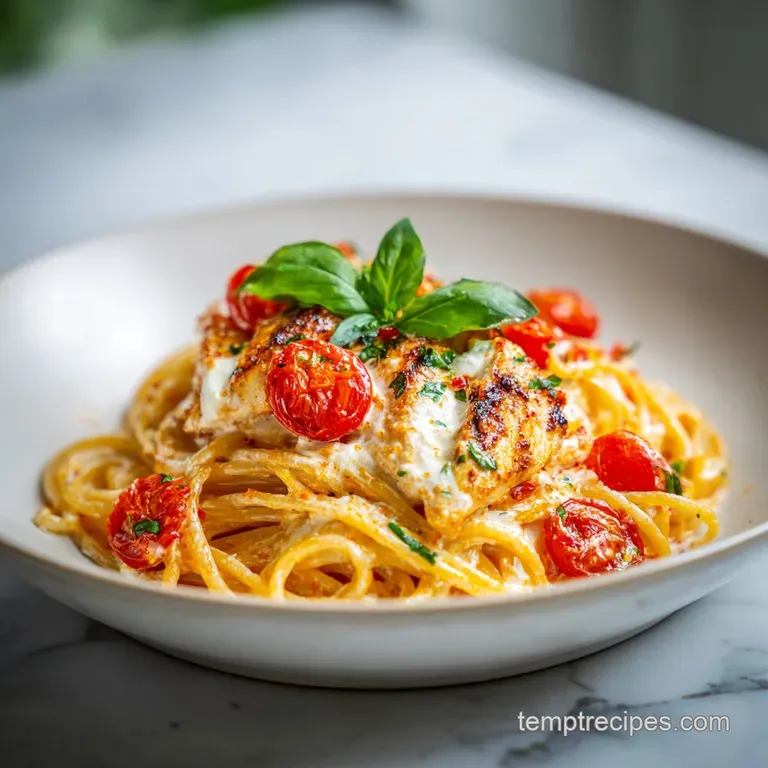
Even the best of us hit a snag sometimes. Usually, it comes down to temperature or moisture. If your sauce looks "broken" (where the oil separates from the cheese), don't panic. You can almost always save it with a splash of hot water and some aggressive stirring.
Why is my sauce grainy?
This usually happens if the ricotta is cooked over high heat for too long or if you used low-fat/skim ricotta. High heat causes the proteins to clump together. To fix this, remove the pan from the heat immediately and whisk in a tablespoon of very hot pasta water.
The starch helps bridge the gap between the protein and the liquid.
What if I forgot to save the pasta water?
We've all been there pouring that liquid gold down the drain is a rite of passage. If it happens, whisk 1/2 tsp of cornstarch into 1 cup of warm water or chicken broth. It won't be exactly the same, but it provides the necessary thickness to help the ricotta emulsify.
| Problem | Root Cause | Solution |
|---|---|---|
| Dry Pasta | Not enough reserved water | Add water 1/4 cup at a time until glossy. |
| Rubbery Chicken | Overcooked at low temp | Sear quickly on high heat; don't move it for 2 mins. |
| Bland Sauce | Lack of acidity or salt | Add an extra squeeze of lemon or a pinch of salt. |
Common Mistakes Checklist:
- ✓ Always reserve the pasta water before you tip the pot into the colander.
- ✓ Don't overcrowd the chicken; work in two batches if your pan is small.
- ✓ Use a microplane for the lemon zest to avoid the bitter white pith.
- ✓ Turn the heat to low (or off) before adding the ricotta cheese.
- ✓ Salt your pasta water until it tastes like the sea; it's your primary seasoning.
Simple Swaps for Different Diets
If you’re cooking for someone with specific needs, this recipe is incredibly flexible. Because the base is ricotta rather than a traditional roux, it's actually easier to adapt than most cream based dishes. For instance, if you want a lower calorie punch, you can swap half the pasta for more greens, similar to the veggie heavy approach in my Sheet Pan Broccoli recipe.
- To make it gluten-free: Use your favorite GF penne (brown rice or chickpea based works well). Just be careful, as GF pasta water is often cloudier and thicker; you might need slightly less of it.
- To make it Vegetarian: Swap the chicken for 2 cups of sautéed mushrooms or a can of drained chickpeas. Mushrooms add a wonderful earthy umami that pairs beautifully with the ricotta.
- To add more volume: Toss in roasted zucchini, asparagus, or cherry tomatoes. These add "bulk" without significantly increasing the calorie count.
Scaling for Different Crowds
Scaling DOWN (1-2 People): Cut all ingredients exactly in half. Use a smaller skillet (20cm) to ensure the sauce doesn't evaporate too quickly. You only need about 100ml of reserved pasta water for a half batch.
Scaling UP (8-10 People): Double the ingredients but cook the chicken in three separate batches. If you crowd the pan with 1.3kg (3 lbs) of chicken, it will boil in its own juices and turn gray instead of golden. For the sauce, use a large pot or a deep braiser.
Increase the spices (oregano/pepper flakes) by only 1.5x to ensure the heat doesn't become overwhelming.
Debunking Common Kitchen Myths
Myth: You must rinse pasta to stop the cooking process. Truth: Never rinse your pasta for a warm dish! Rinsing removes the precious starch that helps the sauce stick to the noodles. The only time you should rinse is for a cold pasta salad.
Myth: Ricotta is just "cheap" mascarpone. Truth: They are completely different beasts. Ricotta is made from whey and has a grainy, light texture. Mascarpone is made from cream and is much denser and fattier. Using mascarpone here would result in a very heavy, almost cloying dish.
Smart Storage and Zero Waste
Storage: This pasta is best eaten fresh because ricotta can become slightly grainy upon reheating. However, it will keep in the fridge for up to 3 days. Store it in an airtight glass container to keep the lemon scent from migrating to your other food.
Freezing: I do not recommend freezing this dish. The ricotta sauce will likely separate and become watery and "mealy" once thawed.
Reheating: To revive that silky texture, add a splash of water or milk to the bowl before microwaving. Heat in 30 second bursts, stirring in between. This re emulsifies the fats and proteins.
Zero Waste Tip: Don't throw away those herb stems! If you have leftover oregano or spinach stems, finely chop them and sauté them with the garlic. They hold a ton of flavor and add a nice bit of crunch.
Also, if you have half a lemon left, slice it thin and freeze the slices for your next glass of water or tea.
Ways to Serve and Enjoy
When I’m serving this, I like to put the whole skillet in the middle of the table. There’s something so comforting about everyone digging into a big, steaming pan of pasta. It doesn't need much, but a side of crusty sourdough bread is great for mopping up any leftover sauce at the bottom of the bowl.
If you’re looking to round out the meal, a simple side of roasted greens is perfect. It balances the creamy texture of the pasta beautifully. This dish also works well alongside a lighter protein if you're serving a larger group, much like the flavors found in a Slow Cooker Teriyaki recipe, though obviously with a very different flavor profile!
If you want X, do Y: If you want a crispy topping, transfer the finished pasta to a baking dish, top with extra Parmesan and breadcrumbs, and broil for 3 minutes.
If you want a spicier kick, double the red pepper flakes and add a teaspoon of Calabrian chili paste to the garlic. If you want a richer sauce, whisk one egg yolk into the room temperature ricotta before adding it to the pan.
At the end of the day, this Creamy Ricotta Chicken Pasta is about making a satisfying, "hearty" meal without the "stress free" price tag. It’s a testament to how three or four basic ingredients can be transformed by just a little bit of science and a lot of love. Grab your skillet and get cooking!
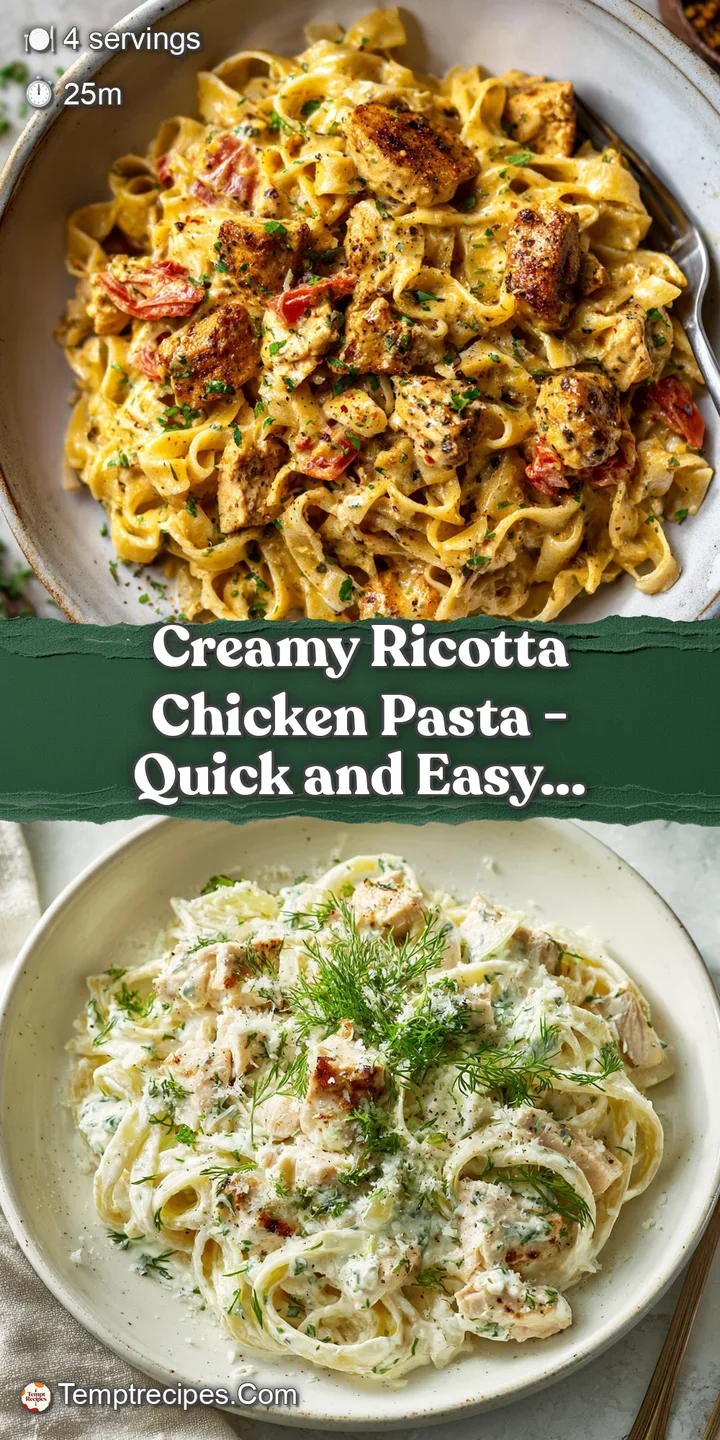
High in Sodium
980 mg mg of sodium per serving (43% % of daily value)
The American Heart Association recommends limiting sodium intake to no more than 2,300mg per day for most adults. Ideally, limiting sodium intake to 1,500mg per day is even better for heart health.
Sodium Reduction Tips for Your Pasta Recipe
-
Reduce Parmesan Cheese-15%
Parmesan cheese is a significant source of sodium. Reduce the amount used by half, or substitute with a low-sodium mozzarella. This will significantly reduce the sodium content of the dish. Consider a blend of parmesan and nutritional yeast for a cheesy umami flavour with less sodium.
-
Reduce Added Salt-25%
Cut back on the added Kosher salt. Start by using only 1/4 tsp instead of 1 tsp, and taste before adding more. Remember, you can always add more, but you can't take it away!
-
Boost Flavor with Lemon-10%
Increase the amount of lemon zest and juice in the recipe. Lemon enhances the flavor profile, allowing you to reduce the need for salt. The acidity brightens the dish naturally.
-
Fresh Garlic Emphasis-5%
Ensure you are using fresh garlic, as it provides a stronger flavor than garlic powder and helps compensate for less salt. The fresh garlic adds a pungent aroma and flavor that makes the dish more satisfying.
-
Herb & Spice Power
Experiment with different herbs and spices beyond oregano and red pepper flakes to enhance flavor. Consider adding basil, thyme, or a pinch of smoked paprika for depth.
Recipe FAQs
Can you use ricotta to make creamy pasta?
Yes, ricotta is excellent for creating creamy pasta sauces. It delivers richness and body when properly emulsified with starchy pasta water off the heat, avoiding the graininess associated with overcooked cheese.
What is the secret to creamy pasta sauce without heavy cream?
The secret is leveraging the starch in the pasta water. This starchy liquid acts as the binding agent, allowing the proteins in the ricotta to emulsify smoothly into a velvety sauce rather than separating or clumping.
What happens if you add ricotta to pasta sauce while it is boiling?
The sauce will likely become grainy and split. Boiling ricotta causes its proteins to seize and push out moisture, resulting in a curdled texture instead of a smooth, luxurious coating for the pasta.
What cream do you use for creamy chicken pasta?
This recipe uses whole milk ricotta instead of traditional cream. Whole milk ricotta provides necessary fat content for silkiness without the heavy mouthfeel of heavy cream, offering a lighter texture.
Should I use low-fat ricotta for this recipe?
No, stick with whole milk. low-fat varieties contain more stabilizers and gums that prevent the cheese from melting properly into a smooth, glossy sauce.
How do I prevent the chicken from becoming dry before mixing it into the sauce?
Sear the chicken quickly over medium high heat until just opaque. Cutting the chicken thinly ensures a fast cook time, locking in juices before you add the acidic lemon. This fast searing technique is similar to how we develop flavor in a good Chili Lime Flank recipe.
Is it true that I must add the lemon juice before the ricotta?
Yes, add the lemon juice first to deglaze the pan. Scraping up the browned bits adds depth, and the acid brightens the overall flavor profile before the rich ricotta is incorporated off the heat.
Ricotta Chicken Pasta Quick
Ingredients:
Instructions:
Nutrition Facts:
| Calories | 786 kcal |
|---|---|
| Protein | 64 g |
| Fat | 27 g |
| Carbs | 65 g |
| Fiber | 4 g |
| Sugar | 5 g |
| Sodium | 980 mg |
