Perfect Panseared Steak with Garlic Butter
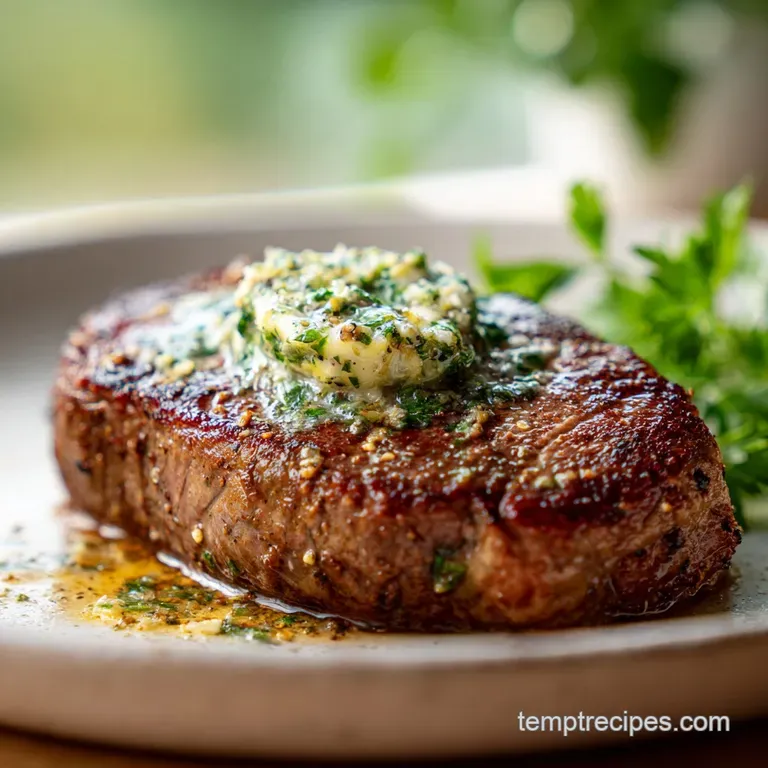
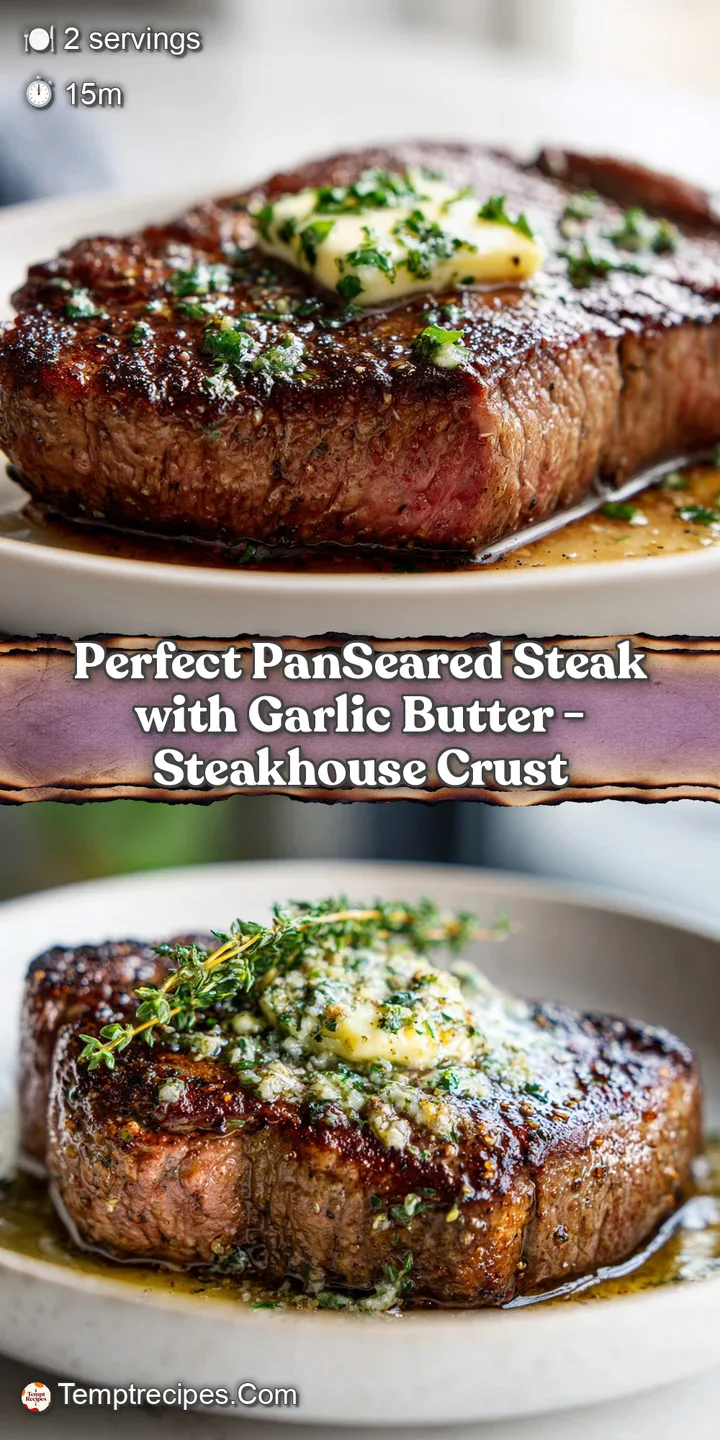
- Time: Active 10 mins, Passive 5 mins, Total 15 mins
- Flavor/Texture Hook: A shatter crisp brown crust with a velvety garlic butter finish.
- Perfect for: A stress free date night or a satisfying, high protein weeknight dinner.
- The Physics of the Crust
- Essential Components for a Hearty Steakhouse Experience
- The Best Tools for a Stress Free Steak Night
- Achieving Professional Results with a Simple Basting Technique
- Resolving Common Issues for a Satisfying Meal
- Creative Flavor Variations for Every Budget and Palate
- Scaling for More Guests
- Myths About Stovetop Steaks
- Practical Ways to Preserve and Reuse Your Leftovers
- Pairing Suggestions to Complete Your Comforting Dinner
- Critical Sodium Level
- Recipe FAQs
- 📝 Recipe Card
The Physics of the Crust
Surface Dehydration: Moisture is the enemy of the Maillard reaction, so removing every drop of water from the surface allows the steak to brown immediately instead of steaming.
Thermal Mass: Using a heavy pan ensures the temperature doesn't plummet when the cold meat hits the surface, maintaining the high heat needed for that deep sear.
| Thickness | Internal Temp | Rest Time | Visual Cue |
|---|---|---|---|
| 1.5 inch | 54°C (Med Rare) | 5 mins | Deep brown crust, warm red center |
| 1.5 inch | 60°C (Medium) | 5 mins | Charred exterior, pink center |
| 1.5 inch | 65°C (Med Well) | 5 mins | Very dark crust, slight hint of pink |
When you are looking for a hearty meal but want a different flavor profile, you might want to try this Chili Lime Flank recipe. It uses a similar over high heat searing technique but brings a bright, citrusy punch to the table that is just as satisfying.
Essential Components for a Hearty Steakhouse Experience
| Ingredient | Science Role | Pro Secret |
|---|---|---|
| Ribeye or NY Strip | Fat Content | Choose 1.5 inch thickness to prevent the center from overcooking before the crust forms. |
| Avocado or Grapeseed Oil | High Smoke Point | These oils can handle 200°C+ without breaking down or tasting bitter. |
| Unsalted Butter | Emulsification | Adding this at the end prevents the milk solids from burning while creating a silky baste. |
| Fresh Thyme/Rosemary | Aromatics | Searing the herbs in the butter releases fat soluble compounds that coat the entire steak. |
To keep things stress free and budget friendly, we are sticking to these core items. You can often find these cuts on sale at the supermarket, and since they are so filling, two 340g (12 oz) steaks easily feed two people with leftovers for a salad the next day.
- 2 (12 oz) Ribeye or New York Strip steaks: At least 3.8 cm (1.5 inches) thick. Why this? Thick steaks allow for a heavy sear without overcooking the inside. (Substitute: Top Sirloin for a leaner, more budget friendly option)
- 1.5 tsp coarse Kosher salt: Draws out moisture and seasons deeply. Why this? Larger grains are easier to distribute evenly than fine table salt. (Substitute: Sea salt)
- 1 tsp freshly cracked black pepper: Provides a bit of heat and texture. (Substitute: White pepper for a milder kick)
- 2 tbsp avocado or grapeseed oil: Essential for over high heat searing. (Substitute: Light olive oil not extra virgin)
- 3 tbsp unsalted high-quality butter: For that velvety basting liquid. (Substitute: Ghee for a higher smoke point)
- 4 cloves garlic, smashed: Infuses the butter with a mellow sweetness. (Substitute: 1/2 tsp garlic powder mixed into the salt)
- 3 sprigs fresh thyme or rosemary: Adds a woodsy, earthy aroma. (Substitute: 1 tsp dried herbs, but add them to the butter carefully)
- 0.5 tsp flaky sea salt: For a final crunch. (Substitute: A tiny pinch of regular salt)
The Best Tools for a Stress Free Steak Night
You don't need a kitchen full of gadgets for the Perfect PanSeared Steak with Garlic Butter. A heavy bottomed stainless steel or cast iron skillet is your best friend here because it holds onto heat like a champ.
I usually reach for my 12 inch stainless steel pan because it’s easier to clean, but if you want that classic rustic look, cast iron is the way to go.
You’ll also need a pair of long tongs. Please, don't use a fork to flip your meat! Poking holes in the steak lets those precious juices escape, and we want to keep all that flavor locked inside. A small spoon is also vital for the basting stage, where you'll be bathing the meat in that liquid gold. If you find yourself wanting a lighter protein for another night, this Sheet Pan Lemon recipe is a great way to use similar tools with much less cleanup.
Achieving Professional Results with a Simple Basting Technique
Phase 1: The Surface Prep
- Dry the meat. Use paper towels to pat the 2 (340g) steaks completely dry on all sides. Note: Any surface moisture will turn to steam and prevent browning.
- Season generously. Rub 1.5 tsp Kosher salt and 1 tsp black pepper into the meat, including the sides. Note: Do this right before cooking or 45 minutes prior; anything in between draws out moisture without reabsorbing it.
Phase 2: The over High heat Sear
- Heat the pan. Set your skillet over medium high heat and add 2 tbsp avocado oil. Wait until you see wisps of smoke.
- Sear the first side. Lay the steaks away from you in the pan. Press down slightly to ensure contact.
- Cook 3-4 minutes. Leave them alone until a dark, mahogany crust forms and the meat releases easily from the pan.
- Flip the steaks. Use tongs to turn them over. Sear the second side for another 2-3 minutes.
Phase 3: The Garlic Butter Finish
- Lower the heat. Turn the burner down to medium and add 3 tbsp butter, 4 smashed garlic cloves, and 3 sprigs of herbs.
- Start basting. Tilt the pan so the melting butter pools at the bottom with the garlic. Use a spoon to continuously pour the hot fat over the steaks for 2-3 minutes.
- Check temperature. Use a meat thermometer to pull the steaks at 52°C for medium rare (they will rise to 54°C while resting).
- Rest the meat. Transfer to a warm plate, pour over the remaining butter, and let sit for 5 minutes until the fibers relax and juices redistribute.
Resolving Common Issues for a Satisfying Meal
One of the biggest heartaches in the kitchen is cutting into a steak and seeing a wide gray band of overcooked meat around a tiny red center. This usually happens because the pan wasn't hot enough or the steak was too thin. If you notice your steak isn't browning after two minutes, don't be afraid to nudge the heat up.
It’s better to have a bit of smoke in the kitchen than a gray steak on your plate!
To Fix Bitter or Burnt Garlic
If you see the garlic cloves turning dark black, they will make your butter taste acrid. Quickly scoop them out with a spoon and toss them. The butter has already taken on some of the flavor, so it's not a total loss. Next time, make sure you've lowered the heat significantly before adding the aromatics.
| Problem | Root Cause | Solution |
|---|---|---|
| No crust/Gray color | Pan too cold or meat was wet | Pat dry better; wait for oil to smoke before adding meat. |
| Butter smoking/Burning | Heat too high during basting | Lower heat to medium before adding butter and herbs. |
| Tough/Chewy texture | Didn't rest long enough | Let the steak sit for a full 5 minutes before slicing. |
Common Mistakes Checklist
- ✓ Skipping the "pat dry" step (leads to steaming).
- ✓ Using a non stick pan (can't handle the high heat required).
- ✓ Crowding the pan with too many steaks (drops the temperature too fast).
- ✓ Cutting the steak immediately (juices will run out on the board).
- ✓ Forgetting to sear the fat cap on the side of the steak.
Creative Flavor Variations for Every Budget and Palate
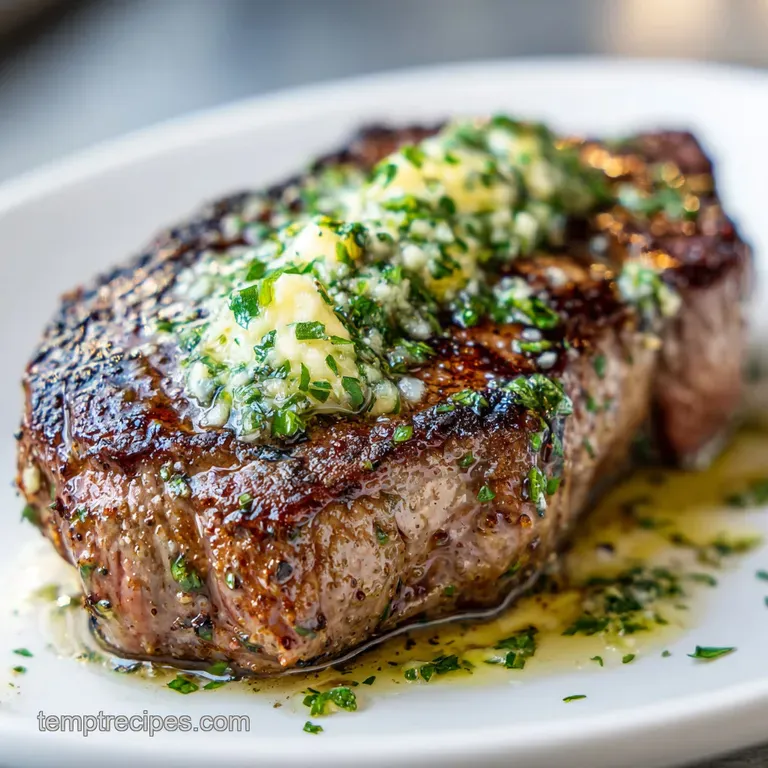
If you want to stretch your budget, you can use this same garlic butter technique on thicker pork chops or even chicken breasts. The "basting" method is incredibly versatile. For a satisfying twist, I sometimes add a splash of soy sauce to the butter at the very end to give it a salty, "umami" kick that feels very high end without the high price tag.
For a Faster Mahogany Crust
If you're in a rush, you can dry brine the steaks in the fridge uncovered for 2 hours. The cold air in the fridge acts like a giant dehumidifier, making the surface of the meat bone dry. When that dry surface hits the hot oil, the crust forms almost instantly. This is a great trick if you're multitasking with a side dish like this Garlic Parmesan recipe.
| Premium Choice | Budget Alternative | Flavor Impact | Savings |
|---|---|---|---|
| Fresh Thyme/Rosemary | Dried Herbs | Less aromatic, slightly textured | Save $3-4 |
| Grass fed Ribeye | Top Sirloin | Leaner, less "melt in-mouth" | Save $10-15 |
| High end French Butter | Store brand Unsalted | Slightly less creamy | Save $2-3 |
Scaling for More Guests
If you are cooking for a crowd, don't try to cram four steaks into one pan. Work in batches. Keep the first two steaks on a wire rack over a baking sheet in a 90°C oven to stay warm while you finish the rest. This prevents the crust from getting soggy while the others cook.
- Scaling Down (1 person): Use one steak and halve the butter and oil. You still need at least 2 cloves of garlic to get enough flavor into the smaller amount of fat.
- Scaling Up (4+ people): Increase meat and oil linearly. For the butter and herbs, you only need to increase them by 1.5x, as you'll have plenty of flavored fat to go around.
Myths About Stovetop Steaks
One major myth is that you must bring your steak to room temperature before cooking. Honestly, it doesn't make a huge difference for the internal temperature, but it can actually make it harder to get a good sear without overcooking the middle. A cold steak gives you more "buffer time" to develop that crust.
Another thing people say is that you should only flip a steak once. That’s just not true! Flipping every minute or so actually helps the steak cook more evenly and prevents that "gray band" from forming. However, for this specific basting method, we flip once so we can focus on the butter bath at the end.
Practical Ways to Preserve and Reuse Your Leftovers
Storage: Keep any leftover steak in an airtight container in the fridge for up to 3 days. I don't recommend freezing cooked steak, as the texture becomes quite spongy once thawed.
Zero Waste: Never throw away that leftover garlic butter in the pan! Pour it into a small jar and keep it in the fridge. It is incredible for frying eggs the next morning or tossing with some roasted potatoes.
If you have steak scraps, slice them thinly and use them for steak sandwiches or a hearty breakfast hash. The garlic cloves that were smashed in the pan become soft and sweet; I love smearing them onto a piece of toasted sourdough.
Pairing Suggestions to Complete Your Comforting Dinner
To keep things stress free, I usually serve this with something that can soak up all that extra garlic butter. A pile of mashed potatoes or some crusty bread is perfect. If you want a bit of green on the plate, quick sauteed spinach or steamed broccoli provides a nice contrast to the rich, hearty meat.
If you’re looking for a one pan side dish to go along with your steak night, consider something simple that won't compete for your attention while you're basting. A simple salad with a sharp vinaigrette helps cut through the richness of the butter and makes the whole meal feel balanced and satisfying.
Enjoy your cooking you've got this!
Critical Sodium Level
1380 mg 1380 mg of sodium per serving (60% 60% of daily value)
The American Heart Association recommends limiting sodium intake to about 2,300mg per day for overall cardiovascular health.
Tips to Reduce Sodium in Your Steak Recipe
-
Reduce Added Salt-25%
The recipe uses both coarse Kosher salt and flaky sea salt. Reduce the amount of coarse Kosher salt by half, from 1.5 tsp to 0.75 tsp to significantly lower sodium. You can eliminate the flaky sea salt entirely.
-
Unsalted Butter is Key-10%
Continue using unsalted butter as specified in the recipe. Switching to salted butter could add a surprising amount of sodium.
-
Black Pepper Power
Continue using freshly cracked black pepper. Its bold flavor will help compensate for the reduction in salt.
-
Herb Infusion
Use fresh thyme or rosemary generously. These herbs provide excellent flavor complexity without adding any sodium.
-
Garlic Boost
Maintain the use of smashed garlic cloves. Garlic offers robust flavor, enhancing the steak naturally without increasing sodium.
Recipe FAQs
Should I salt the steak hours before cooking?
No, salt immediately before cooking or 45 minutes prior. Salting between 10 and 40 minutes draws moisture out without allowing it to fully reabsorb, leading to a damp surface.
What is the best oil to use for the initial sear?
Use avocado or grapeseed oil. These oils have very high smoke points, allowing you to reach the necessary searing temperature without the fat breaking down and becoming bitter.
How to tell when the steak is done without a thermometer?
Press the center gently with your finger to gauge resistance. A medium rare steak will feel soft and yielding, similar to the fleshy part of your palm below your thumb.
Is it true that I must use cast iron for the perfect sear?
No, heavy bottomed stainless steel works just as well. The crucial factor is thermal mass, meaning the pan must retain heat when the cold steak hits it, which both materials do effectively.
How to ensure the garlic butter doesn't burn during basting?
Lower the heat significantly before adding butter and aromatics. Add the butter once the sear is complete and tilt the pan so you can continuously spoon the flavored fat over the meat, keeping it moving.
What should I serve with this rich steak?
Serve with a starch to absorb the pan juices or a bright salad to cut the richness. This pairs exceptionally well with mashed potatoes or, for something lighter, try the High Protein Ranch Salad recipe as a cooling counterpoint.
Why must the steak rest after cooking?
Resting allows the muscle fibers, tightened by the heat, to relax and reabsorb the internal moisture. Skipping this step means all those precious juices will run out onto your cutting board when you slice it, resulting in a drier steak; aim for five minutes.
Pan Seared Steak Garlic Butter
Ingredients:
Instructions:
Nutrition Facts:
| Calories | 1042 kcal |
|---|---|
| Protein | 68g |
| Fat | 84g |
| Carbs | 1.2g |
| Fiber | 0.4g |
| Sugar | 0.1g |
| Sodium | 1380mg |
