Ricotta Stuffed Chicken Rolls: Lemon Herb Filling
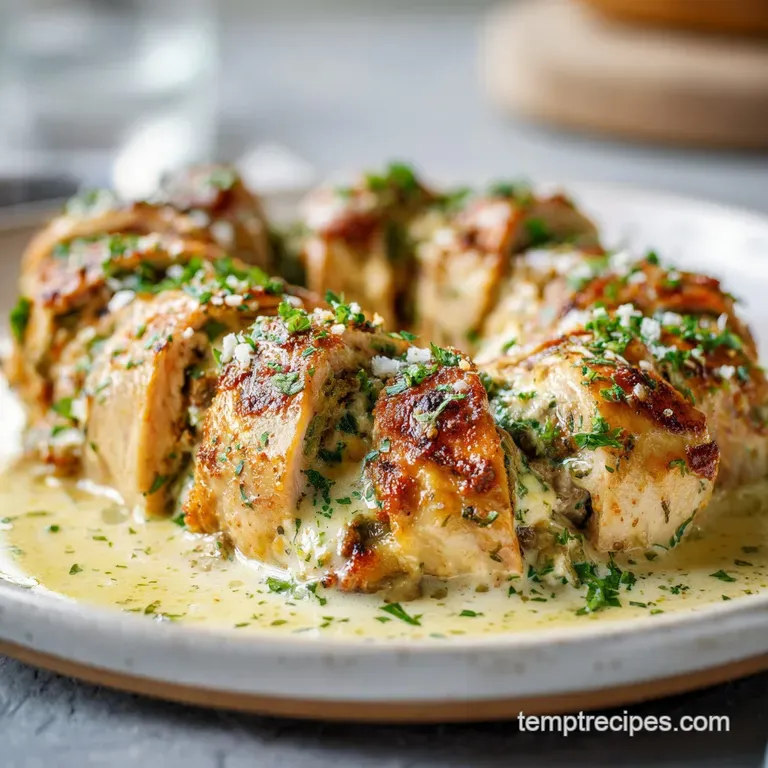
- Time: Active 20 minutes, Passive 25 minutes, Total 45 minutes
- Flavor/Texture Hook: Golden panko shatter with a creamy lemon herb center
- Perfect for: Stress free weeknight hosting or a satisfying Sunday dinner
Ricotta Stuffed Chicken Rolls
The sound of a cold chicken breast hitting a hot cast iron skillet that sharp, rhythmic sizzle is basically my love language. I used to be terrified of making these because I thought the cheese would just leak out and leave me with a dry, empty mess.
But after a few failed attempts involving way too many toothpicks and some very sad looking poultry, I finally cracked the code to making the Best Herbed Ricotta Stuffed Chicken Rolls that actually stay together.
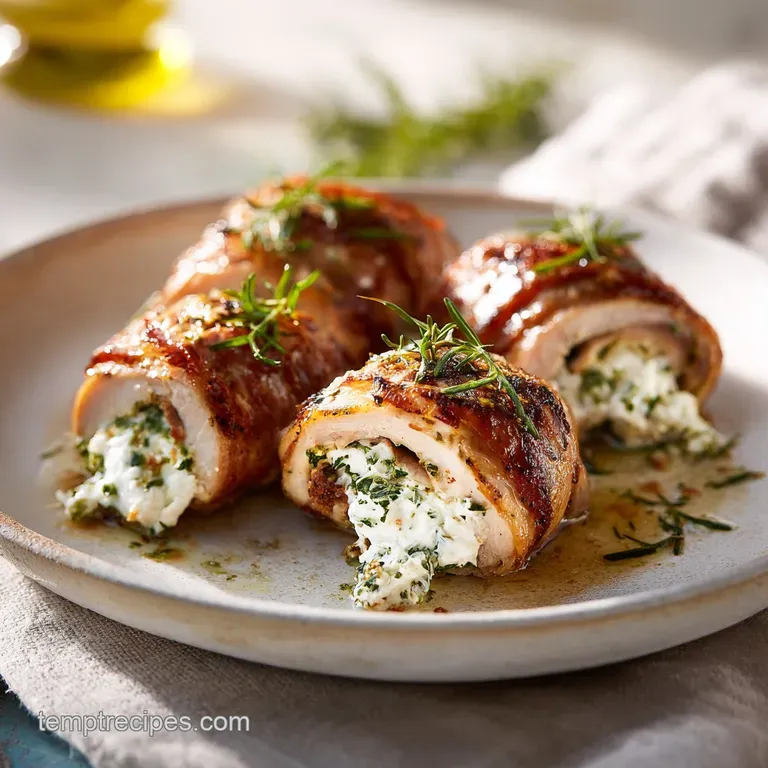
There is something so satisfying about slicing into a golden brown crust and seeing that vibrant herb and cheese swirl inside. It feels like a fancy bistro meal, but honestly, it’s one of those stress free wins we all need. If you’ve ever struggled with dry chicken, this is the fix.
The ricotta acts like an internal basting system, keeping the meat juicy from the inside out while the panko provides that essential crunch on the exterior. Trust me, once you master the "butterfly and pound" technique, you’ll be making these on repeat.
Right then, let's get into how we make this happen without the stress. We are going for a meal that feels hearty and looks impressive but doesn't require a culinary degree to execute. We've got lemon for brightness, nutmeg for warmth, and plenty of herbs to keep things fresh. Let’s crack on.
The Architecture of the Roulade
Protein Coagulation: As the chicken proteins heat up and tighten, they naturally compress the filling, which is why using drained whole milk ricotta is vital to prevent a watery "blowout." The addition of Parmesan cheese acts as a secondary binder, creating a structural web that holds the creamy center
in place while the meat finishes cooking.
| Method | Total Time | Texture | Best For |
|---|---|---|---|
| Sear & Bake | 45 minutes | Crispy crust, juicy center | Maximum flavor and texture |
| Air Fryer | 30 minutes | Extra crunchy exterior | Quick weeknight cleanup |
| Full Oven | 50 minutes | Soft, tender "poached" style | Large batches for meal prep |
Getting the thickness of the chicken right is the most important part of this whole process. You want it thin enough to roll but thick enough to hold the weight of the cheese. I usually aim for about a quarter inch thickness across the entire breast.
If one side is thicker than the other, the roll will cook unevenly, leaving you with a rubbery edge and an undercooked center.
Ingredient Deep Dive
| Ingredient | Science Role | Pro Secret |
|---|---|---|
| Whole Milk Ricotta | Provides internal moisture and fat | Drain in a fine mesh sieve for 10 mins to prevent sogginess |
| Panko Breadcrumbs | Creates a light, airy crunch | Toast them in the dry pan for 2 mins before coating for deeper color |
| Lemon Zest | Cuts through heavy dairy fats | Use only the yellow part; the white pith is bitter and ruins the silkiness |
| Smoked Paprika | Promotes Maillard reaction browning | Rub it directly onto the skin side for a vibrant, smoky crust |
Choosing the right cheese makes a massive difference in the final mouthfeel. While some recipes call for low-fat options, I highly suggest sticking with the whole milk version of the ricotta. It provides a much more satisfying, velvety texture that won't turn grainy under the heat of the oven. If you're looking for a similar vibe but with a different flavor profile, you might enjoy my Spinach Stuffed Chicken recipe which uses a slightly different herb blend.
Components for Success
- 4 Large boneless, skinless chicken breasts (approx. 1.5 lbs): Why this? They provide the surface area needed for a clean, tight roll.
- 1 tsp Kosher salt: Why this? Coarse grains penetrate the meat better than fine table salt.
- 1/2 tsp Coarse black pepper: Why this? Adds a punchy heat that balances the creamy cheese.
- 1 tsp Smoked paprika: Why this? Gives the chicken a beautiful golden hue without overcooking.
- 1 cup Whole milk ricotta cheese (drained): Why this? The fatty base that keeps the interior succulent.
- 1/4 cup Freshly grated Parmesan cheese: Why this? Adds saltiness and helps bind the filling together.
- 1 tbsp Fresh lemon juice: Why this? Brightens the heavy cheese and tenderizes the inner meat.
- 0.5 unit Fresh lemon zest: Why this? Essential oils provide a floral aroma that juice lacks.
- 2 cloves Garlic, minced: Why this? Provides a savory foundation for the herbed filling.
- 1/4 cup Fresh basil and parsley, finely chopped: Why this? Freshness that cuts through the richness of the ricotta.
- 1/4 tsp Nutmeg: Why this? A classic pairing with ricotta that adds professional depth.
- 1/2 cup Panko breadcrumbs: Why this? Creates a jagged, crunchy surface compared to regular crumbs.
- 2 tbsp Extra virgin olive oil: Why this? High smoke point for the initial sear.
- 1 tbsp Unsalted butter: Why this? Added at the end for flavor and a glossy finish.
Substitution Table
| Original Ingredient | Substitute | Why It Works |
|---|---|---|
| Ricotta Cheese | Cream Cheese | Denser and tangier; results in a richer, heavier filling |
| Panko Breadcrumbs | Crushed Pork Rinds | Keeps the crunch while making the dish keto friendly |
| Fresh Basil/Parsley | 2 tsp Dried Italian Herbs | Concentrated flavor note that it lacks the bright green color |
If you happen to have leftovers of that creamy cheese mixture, it's actually fantastic when tossed with pasta the next day. I've often used a similar base for my Creamy Ricotta Chicken recipe when I'm in a rush and don't have time for the rolling process.
step-by-step Method
- Prep the chicken. Butterfly each of the 4 chicken breasts by cutting horizontally almost all the way through, then opening them like a book.
- Flatten the meat. Place the chicken between two sheets of plastic wrap and pound with a mallet until about 1/4 inch thick throughout.Note: This ensures even cooking and easier rolling.
- Season the exterior. Sprinkle the Kosher salt, black pepper, and smoked paprika over both sides of the flattened chicken.
- Mix the filling. In a medium bowl, combine the 1 cup ricotta, 1/4 cup Parmesan, lemon juice, lemon zest, garlic, chopped herbs, and nutmeg.
- Apply the ricotta. Spread about 2-3 tablespoons of the mixture onto the center of each breast, leaving a 1/2 inch border at the edges.
- Roll and secure. Roll the chicken tightly, starting from the narrow end, and secure with 2-3 toothpicks or kitchen twine.
- Coat with panko. Press the top of each roll into the 1/2 cup panko breadcrumbs until the surface is well covered.
- Sear the rolls. Heat the olive oil and butter in a large oven safe skillet over medium high heat until the butter begins to foam.
- Brown the meat. Place the Stuffed Chicken Rolls in the pan and sear for 3-4 minutes per side until the panko is golden and the chicken has a crust.
- Bake to finish. Transfer the skillet to a preheated oven at 400°F (200°C) and bake for 12-15 minutes until the internal temperature reaches 165°F (74°C).
Chef's Tip: To get an even crispier bottom, I like to freeze the butter for 10 minutes before grating it directly into the panko breadcrumbs. This creates tiny pockets of steam that make the crust shatter when you bite into it.
Also, try adding a tiny pinch of espresso powder to your dry spice rub; it sounds weird, but it deepens the "roasted" flavor of the chicken significantly.
Perfecting the Chicken Rolls
Maximizing Moisture Retention
The biggest mistake people make is slicing the chicken immediately after it comes out of the oven. Because the ricotta is essentially a hot liquid at that point, cutting it too soon causes the filling to run out like a fountain.
If you let it rest for a full 5 minutes, the proteins in the chicken relax and the cheese "sets," giving you those beautiful, clean spirals that look so professional.
Securing the Roulade
If you find that your rolls are unraveling in the pan, you might be overstuffing them. It’s tempting to pile on the cheese, but less is more here. If you keep the filling centered and leave that half inch border, the meat will naturally stick to itself as the proteins denature and bond during the searing process.
Achieving the Perfect Sear
Don't move the chicken once it hits the pan! We want the Maillard reaction to do its thing. Let it sit undisturbed for at least 3 minutes to develop that deep, golden brown color.
If you try to flip it too early, the panko will stick to the pan rather than the chicken, and you'll lose that satisfying crunch we worked so hard for.
Troubleshooting Common Issues
Fixing Texture Issues
If your chicken ends up tough, it’s usually a sign of overcooking or pounding the meat too aggressively, which can tear the muscle fibers. If the filling is too runny, you likely skipped the step of draining the ricotta.
You can save a runny filling by adding an extra tablespoon of Parmesan or even a teaspoon of flour to the mix next time.
| Problem | Root Cause | Solution |
|---|---|---|
| Filling leaks out | Overstuffing or loose rolling | Leave a 1/2 inch border and use kitchen twine for a tighter seal |
| Searing but not browning | Pan was not hot enough | Wait for the oil to shimmer and the butter to foam before adding meat |
| Dry, rubbery chicken | Internal temp exceeded 170°F | Use a meat thermometer and pull the chicken at 160°F; carryover heat hits 165°F |
Common Mistakes Checklist
- ✓ Pat the chicken completely dry with paper towels before seasoning (moisture is the enemy of a good sear).
- ✓ Ensure the ricotta is at room temperature before mixing to prevent clumping.
- ✓ Don't overcrowd the skillet if you have small pans, sear in two batches to maintain heat.
- ✓ Remove the toothpicks before serving to avoid a literal kitchen hazard.
- ✓ Always use a meat thermometer; visual cues can be deceiving with stuffed meats.
Adjusting the Portion Size
If you're cooking for a smaller crowd, you can easily halve this recipe. For two people, use 2 chicken breasts and half the filling ingredients. Since you're working with smaller quantities, the cooking time in the oven might drop by 2-3 minutes, so keep a close eye on that thermometer.
If you only have one egg for a half batch, beat it in a small bowl and just use two tablespoons to help bind the breadcrumbs.
Scaling up for a dinner party is also straightforward. For 8 servings, you'll want to work in batches for the searing phase. Don't try to cram 8 Herbed Ricotta Stuffed Chicken Rolls into one pan, or they will steam instead of sear. Use two separate skillets or sear them 4 at a time, then move them all to a large baking sheet to finish in the oven together. You might find it easier to pair a larger batch with something like my Baked Chicken Alfredo recipe if you have guests with different preferences.
Decision Shortcut If you want a crispier crust, toast the panko in a dry pan for 2 minutes before coating the chicken. If you want a lighter meal, skip the panko coating and sear the seasoned chicken directly.
If you want a bolder flavor, add a tablespoon of chopped sun dried tomatoes to the ricotta filling.
Popular Kitchen Myths
One of the most persistent myths is that searing the meat "seals in the juices." In reality, searing is all about the Maillard reaction a chemical reaction between amino acids and reducing sugars that gives browned food its distinctive flavor.
Moisture loss actually occurs more rapidly at high heat, but the flavor trade off is worth it. The real moisture retention comes from not overcooking the meat and letting it rest properly.
Another common misconception is that you need to use expensive "artisan" ricotta. While high-quality ingredients are great, the most important factor for this specific dish is the fat content. Even a standard grocery store whole milk ricotta will perform beautifully as long as it is well drained.
low-fat "light" versions have a higher water content and lower melting point, which often leads to the filling turning into a watery mess inside the chicken.
Storage and Zero Waste
Storage Guidelines You can keep these chicken rolls in an airtight container in the fridge for up to 3 days. To reheat, I recommend using an oven or air fryer at 350°F (180°C) for about 10 minutes.
Avoid the microwave if possible, as it will turn that beautiful panko crust soft and soggy. For freezing, you can freeze the rolls raw (fully assembled) for up to 2 months. Thaw them completely in the fridge overnight before searing and baking as usual.
Zero Waste Tips Don't throw away those herb stems! Parsley and basil stems hold a ton of flavor. Finely mince the tender parts of the stems and add them to the filling along with the leaves.
If you have leftover lemon halves after zesting and juicing, throw them into the skillet during the baking phase; the roasted lemon juice is incredible squeezed over the finished chicken.
Also, if you have extra panko, toss it with a little olive oil and salt, toast it, and keep it in a jar for topping salads or soups later in the week.

Recipe FAQs
What herb goes best with ricotta?
Fresh basil and parsley are the classic combination. The basil offers sweetness while the parsley provides a clean, grounding earthiness that balances the richness of the cheese.
What do you put in ricotta for stuffed shells?
For stuffed shells, use Parmesan, an egg yolk as a binder, and a pinch of nutmeg. This mixture needs enough structure to hold its shape when baked underneath heavy sauce, much like the filling here needs enough Parmesan to hold its shape inside the chicken.
Do ricotta and chicken go together?
Yes, ricotta provides necessary internal moisture to lean chicken breast. The fat content of the cheese acts as an internal baster, preventing the white meat from drying out during the sear and bake process.
What wine to pair with stuffed chicken?
A crisp, unoaked white wine like Sauvignon Blanc or Pinot Grigio works best. The acidity cuts through the richness of the creamy ricotta filling, offering a clean counterpoint to the savory chicken, similar to how acid brightens heavy dishes in our Sheet Pan Lemon recipe.
How to prevent the panko coating from falling off during searing?
Press the panko firmly into the entire surface of the damp chicken roll. Ensure the surface of the chicken is slightly sticky from the previous seasoning layer before applying the crumbs, as this adherence is crucial for a crisp crust.
Why is my ricotta filling leaking out during cooking?
The most common cause is overstuffing or not draining the ricotta thoroughly enough. Excess moisture turns to steam and forces the filling out; always drain the ricotta in a sieve for at least ten minutes before mixing.
Is it necessary to pound the chicken thin before rolling?
No, it is not strictly necessary, but it is highly recommended for even cooking. Pounding ensures the chicken is an even 1/4 inch thickness so the edges don't overcook while waiting for the center to reach temperature.
Herbed Ricotta Chicken Rolls
Ingredients:
Instructions:
Nutrition Facts:
| Calories | 482 kcal |
|---|---|
| Protein | 49.6 g |
| Fat | 24.2 g |
| Carbs | 14.1 g |
| Fiber | 0.8 g |
| Sugar | 1.9 g |
| Sodium | 715 mg |
