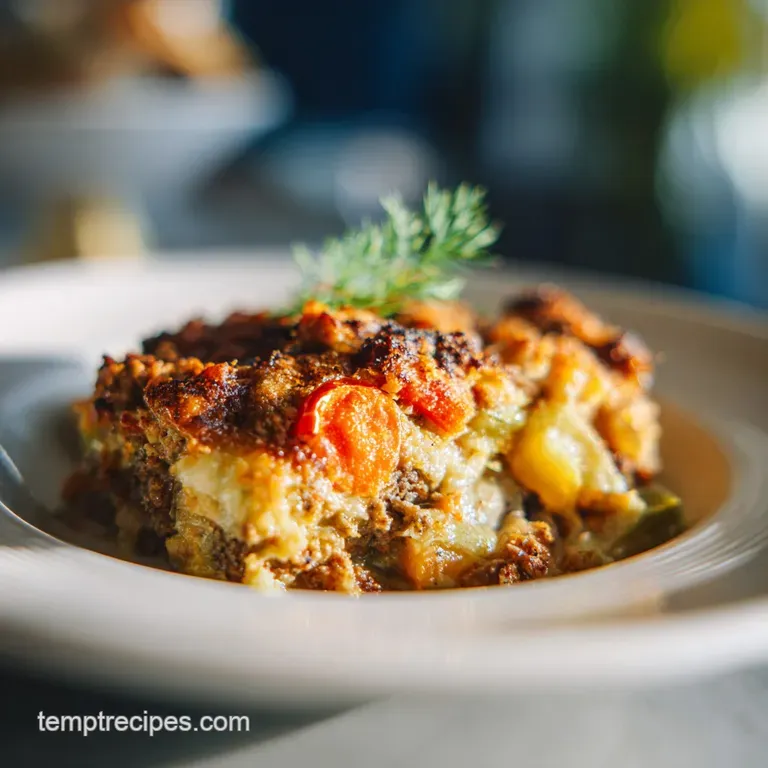
Hearty Baked Shipwreck Casserole: Comfort Classic
- Time: Active 20 minutes, Passive 1 hours 15 mins, Total 1 hours 35 mins
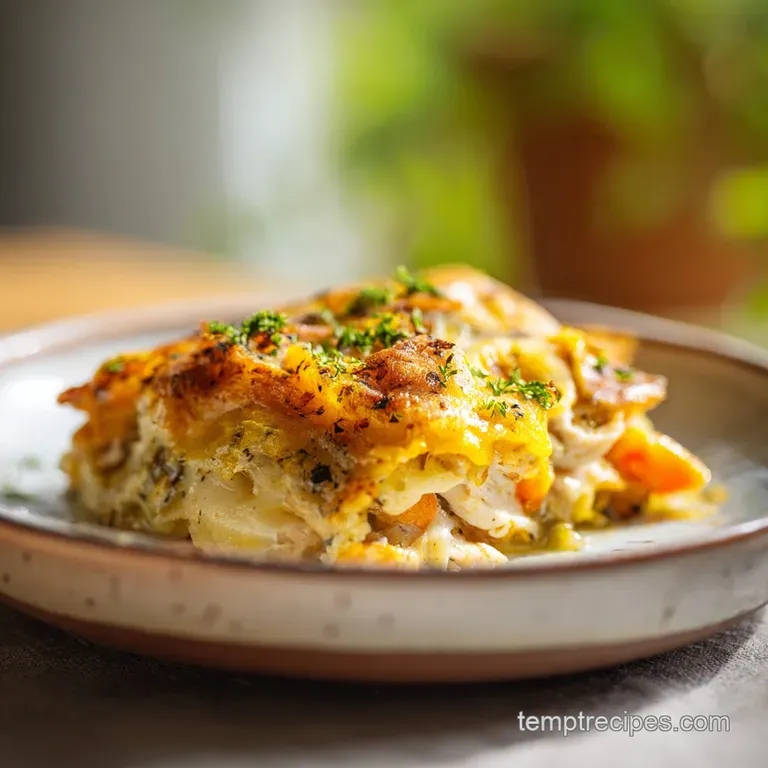
- Flavor/Texture Hook: Creamy, melt in-your mouth layers with a sharp cheddar crust
- Perfect for: Budget-friendly family dinners and stress free Sunday meal prep
- The Best Hearty Baked Shipwreck Casserole
- Why These Flavors Melt Together
- Essential Stats for This Bake
- Key Components for Maximum Flavor
- Tools You Will Actually Need
- Simple Steps to Layering Perfection
- Fixing Common Layered Bake Issues
- Easy Ways to Swap Ingredients
- Debunking Casserole Myths
- Storing Your Leftovers Safely
- Perfect Pairings for This Meal
- High in Sodium
- Recipe FAQs
- 📝 Recipe Card
The Best Hearty Baked Shipwreck Casserole
I still remember the first time I pulled this dish out of the oven on a freezing Tuesday night. The kitchen was filled with that specific, heavy aroma of browning beef and sweet onions that just screams "home." I’d had a rough day, the fridge was looking pretty sad, and I honestly didn't think a handful of pantry staples could turn into something so satisfying.
But as soon as that first forkful hit the plate, with the velvety potatoes and the salty snap of the cheddar, I was sold.
This isn't one of those fussy recipes where you need a degree in French cooking. It's a "shipwreck" because everything just gets layered up together, but don't let the name fool you. There's a real logic to how it all comes together.
We've all made those casseroles that turn out like a watery mess or leave you with crunchy, half cooked rice, right? I've made those mistakes so you don't have to.
We are going for a texture that is soft but not mushy, with a savory depth that makes you want to scrape the corners of the dish. It’s the kind of meal that feels like a warm hug, and honestly, we all need more of those.
Whether you’re feeding a group of hungry teenagers or just want leftovers that actually taste better the next day, this is the one you'll keep coming back to.
Why These Flavors Melt Together
The Physics of the Steam: As the ground beef cooks, it releases moisture and fat that filter down through the rice grains, hydrating them with flavor rather than just plain water.
Starch Gelatinization: The Russet potatoes release starch that mixes with the milk and mushroom soup, creating a natural thickener for a velvety sauce.
Thermal Insulation: The dense layers of kidney beans and onions trap heat in the center of the dish, ensuring the raw rice reaches the 100°C needed to fully soften.
Maillard Reaction: Even inside a moist casserole, the top layer of sharp cheddar undergoes protein browning, adding a complex, nutty finish to the creamy base.
| Servings | Ground Beef (g) | Rice (cups) | Pan Size | Cook Time |
|---|---|---|---|---|
| 4 People | 340g | 1/4 cup | 20x20 cm | 1 hours 10 mins |
| 8 People | 680g | 1/2 cup | 23x33 cm | 1 hours 15 mins |
| 12 People | 1020g | 3/4 cup | Two 23x33 cm | 1 hours 20 mins |
Choosing the right pan size is vital because if the layers are too thin, the rice won't have enough surrounding moisture to cook through. For our standard 8 serving batch, a deep 23x33 cm (9x13 inch) baking dish is your best friend to keep everything contained and bubbling.
Essential Stats for This Bake
| Component | Science Role | Pro Secret |
|---|---|---|
| Russet Potatoes | Structural base | Slice them paper thin so they "shatter" into the sauce easily. |
| White Rice | Moisture regulator | Use long grain only; short grain gets too gummy in this specific environment. |
| Onion Rings | Flavor aromatics | Don't chop them; rings create "air pockets" that help the steam circulate. |
| Cream of Mushroom | Emulsifying agent | Whisk it with the milk first to avoid "soup clumps" in the finished dish. |
The key to a successful casserole is understanding how each layer interacts. If you love one pan meals like this, you have to try my make-ahead Breakfast recipe which uses similar layering logic for a stress free morning.
Key Components for Maximum Flavor
- 4 large Russet potatoes (approx. 800g): Peeled and sliced into 1/4 inch rounds. Why this? Russets have the high starch content needed to thicken the sauce naturally.
- Substitute: Yukon Gold potatoes (creamier texture, but slightly less thickening power).
- 1.5 lbs (680g) 85/15 lean ground beef: Provides the savory core. Why this? The 15% fat is essential for flavoring the rice and potatoes.
- Substitute: Ground turkey (add 1 tbsp olive oil to compensate for lower fat).
- 1 large yellow onion: Sliced into thin rings. Why this? Onions provide sweetness and liquid as they break down.
- Substitute: 1.5 cups of sliced leeks for a milder, more sophisticated flavor.
- 1/2 cup long grain white rice: Uncooked. Why this? It absorbs the beef juices and "anchors" the casserole.
- Substitute: Quinoa (rinsed well) for a protein packed, nuttier alternative.
- 1 can (10.5 oz) condensed cream of mushroom soup: The primary binder. Why this? It contains stabilizers that keep the sauce from breaking at high heat.
- Substitute: Cream of celery or homemade thick gravy with extra black pepper.
- 15 oz (425g) kidney beans: Drained and rinsed. Why this? Adds "hearth" and texture contrast to the soft potatoes.
- Substitute: Black beans or pinto beans (same volume, slightly different earthy note).
- 2 cups (200g) sharp cheddar cheese: Shredded. Why this? Sharp cheddar provides a punchy contrast to the creamy soup.
- Substitute: Gruyère or Monterey Jack for a smoother, milder melt.
- 1/2 cup whole milk: To thin the soup. Why this? Fat in whole milk ensures the sauce stays silky.
- Substitute: Beef broth for a deeper, less creamy flavor profile.
- Seasoning: 1 tsp sea salt and 1/2 tsp cracked black pepper.
Chef Tip: Rub the inside of your baking dish with a halved garlic clove before adding the potatoes. It leaves behind a subtle, aromatic oil that seasons the bottom layer without overpowering the dish.
Tools You Will Actually Need
To get those potatoes perfectly even, a mandoline slicer is a game changer, though a sharp chef's knife works if you have a steady hand. You'll also need a large 23x33 cm baking dish glass or ceramic is better than metal here because they retain heat more evenly, which is crucial for that middle layer of rice.
A sturdy whisk is needed to blend the milk and soup until it's a perfectly smooth liquid. This prevents those annoying "globs" of concentrated soup that can ruin the texture. Finally, make sure you have some heavy duty aluminum foil; we need a tight seal to trap every bit of steam during the first hour of baking.
Simple Steps to Layering Perfection
- Prep the foundation. Preheat your oven to 180°C (350°F). Grease your baking dish thoroughly with butter or non stick spray.
- Layer the potatoes. Arrange the 800g of sliced potatoes in the bottom of the dish, overlapping them slightly. Season with half of the salt and pepper. Note: This creates a sturdy base that catches all the juices.
- Add the beef. Spread the 680g of raw ground beef evenly over the potatoes. Use your fingers to crumble it so there are no large chunks. Wait until the pink disappears during the bake to know it's safe.
- Introduce the aromatics. Place the onion rings in a single layer over the beef. This acts as a flavor barrier that seasons the meat directly.
- Sprinkle the rice. Scatter the 1/2 cup of uncooked rice evenly. Ensure the rice is spread thin so every grain touches moisture.
- Add the beans. Pour the drained kidney beans over the rice. They provide the "hearth" and weight to press the layers together.
- Whisk the sauce. In a small bowl, whisk the mushroom soup and 1/2 cup milk together. Pour this slowly over the entire dish, ensuring it seeps down the sides.
- Seal and bake. Cover the dish tightly with foil. Bake for 1 hours until the potatoes are tender when pierced with a fork.
- Finish with cheese. Remove the foil and sprinkle the 200g of cheddar cheese on top.
- The golden melt. Bake uncovered for another 15 minutes until the cheese is bubbling and golden brown.
Fixing Common Layered Bake Issues
Why Your Rice Stayed Crunchy
The most common culprit is a loose foil seal. If the steam escapes, the rice can't hydrate. Always make sure you're using enough liquid; if your "can of soup" was a bit thick, that extra splash of milk is non negotiable.
Handling a Greasy Finish
If you're using a higher fat beef, you might see oil pooling at the edges. While that fat carries flavor, too much of it can make the potatoes soggy. This is why 85/15 beef is the "sweet spot" for this recipe.
| Problem | Root Cause | Solution |
|---|---|---|
| Watery base | Onions were too large/watery | Use a standard yellow onion and slice paper thin. |
| Tough potatoes | Oven temp fluctuated | Use a ceramic dish for better heat retention. |
| Bland flavor | Rice absorbed all salt | Increase sea salt to 1.5 tsp if using low sodium soup. |
Common Mistakes Checklist
- ✓ Slice potatoes to exactly 1/4 inch (6mm) to ensure even cooking.
- ✓ Don't skip the foil it’s the "pressure cooker" for the rice.
- ✓ Rinse the kidney beans thoroughly to avoid a metallic canned taste.
- ✓ Let the casserole rest for 10 minutes after baking to set the sauce.
- ✓ Use a sharp cheddar; mild cheese disappears into the other flavors.
Easy Ways to Swap Ingredients
If you're looking to cut the cooking time in half, you can actually pre boil the potatoes for 5 minutes and brown the beef in a skillet first. This turns it into a 30 minute bake, but you'll lose that specific "steamed together" flavor that makes the original so hearty. This technique is similar to our Broccoli Casserole recipe where pre cooking elements helps with timing.
For a larger crowd, you can double the recipe easily, but remember that the middle will take longer to heat through. I recommend splitting a double batch into two separate 9x13 pans rather than one giant deep dish.
When baking two pans at once, rotate them halfway through the cooking time to account for any hot spots in your oven.
| Premium | Budget | Flavor Impact | Savings |
|---|---|---|---|
| Fresh beef chuck | Frozen ground beef | Slightly less "beefy" | Save $3-5 |
| Gruyère cheese | Sharp Cheddar | Cheddar is actually punchier | Save $6-8 |
| Organic milk | Store brand milk | Zero noticeable difference | Save $1-2 |
Debunking Casserole Myths
One major myth is that you must brown the meat before it goes in. In a Hearty Baked Shipwreck Casserole, the raw meat actually works better because the juices released during baking are what cook the rice. Pre browning the meat can lead to a drier finished product unless you add a significant amount of extra broth.
Another misconception is that the rice will be "mushy." Because we are using raw rice and a controlled amount of liquid, the rice grains actually remain distinct. The "mushy" reputation usually comes from using minute rice or pre cooked rice, which can't stand up to the 75 minute bake time.
Storing Your Leftovers Safely
This casserole is a meal prep dream. It stays fresh in the fridge for up to 4 days if kept in an airtight container. When reheating, I suggest adding a tiny splash of water or milk to your portion before microwaving it the rice and potatoes will have absorbed more moisture while sitting, and this brings that "velvety" texture back to life.
For freezing, this dish is a rockstar. You can freeze the entire baked casserole for up to 3 months. Just make sure it’s completely cool before wrapping it in a double layer of foil and plastic wrap.
To reheat from frozen, let it thaw in the fridge overnight and then bake at 180°C for about 25 minutes until it's sizzling again.
Perfect Pairings for This Meal
Since this dish is so calorie dense and satisfying, I always reach for something bright and acidic to balance it out. A simple green salad with a lemon vinaigrette or some steamed green beans with a squeeze of lime works wonders.
The acidity cuts through the richness of the cream of mushroom soup and the cheddar cheese perfectly.
If you’re feeling extra hungry, a crusty piece of sourdough bread is great for mopping up any leftover sauce on the plate. And for those who love a sweet finish after a salty meal, my Moist Tangy Key recipe provides the perfect citrusy "palate cleanser" to wrap up the evening. It’s all about that balance between the heavy, savory comfort and a light, fresh ending.

High in Sodium
942 mg mg of sodium per serving (41% % of daily value)
The American Heart Association recommends limiting sodium intake to about 2,300mg per day for optimal health.
Tips to Reduce Sodium in Your Ground Beef and Potato Casserole
-
Low-Sodium Soup-30%
Swap the regular condensed cream of mushroom soup for a low-sodium version. This simple substitution can significantly reduce the overall sodium content.
-
Reduce Cheese-15%
Use less cheese. Cut back the amount of shredded cheddar cheese by half (to 1 cup/100g) or use a lower sodium cheese variety. Consider Swiss cheese or mozzarella.
-
Low-Sodium Beans-15%
Choose no-salt added kidney beans. Draining and rinsing canned beans helps, but starting with no-salt added is even better.
-
Salt Reduction-10%
Reduce the amount of added sea salt. Start by halving the amount from 1 tsp to 1/2 tsp, tasting, and then reducing or eliminating it entirely. You can always add more at the table if needed.
-
Cook Rice Without Salt-5%
Ensure the long grain rice is cooked without adding any extra salt. Rinse the rice before cooking to remove excess starch.
-
Leaner Ground Beef-5%
Opt for 90/10 or 93/7 lean ground beef. While it might not drastically reduce sodium, leaner beef can contribute to a healthier overall profile.
-
Flavor Boost
Enhance flavor with herbs and spices. Experiment with garlic powder, onion powder, paprika, or dried herbs like thyme and oregano to add depth without sodium.
Recipe FAQs
Can I use ground turkey instead of ground beef?
Yes, substitute ground turkey but add fat. Ground turkey is leaner, so you should compensate by adding one tablespoon of olive oil when browning to maintain necessary moisture for the rice.
What happens if I cover the casserole with foil for the entire baking time?
No, you must remove the foil for the last 15 minutes. Keeping it covered during the first hour traps steam to cook the rice, but the foil must be removed so the top layer of cheese can brown and develop flavor.
How to ensure the long grain rice cooks completely without turning mushy?
Ensure the liquid covers the rice entirely before sealing. The rice relies on the steam generated by the meat and vegetables; if the liquid level is too low, the grains on top will remain hard, so check that all the rice is submerged or touching the surrounding soup mixture.
Is it necessary to pre-cook the potatoes before layering?
No, do not pre-cook the potatoes in the standard recipe. The long bake time allows the thinly sliced Russets to steam perfectly in the surrounding liquid, releasing starch that thickens the sauce naturally.
How to make this casserole ahead of time for a party?
Assemble all layers except the cheese topping. You can build the entire casserole up to 24 hours in advance; cover it tightly and refrigerate, then add 10 minutes to the initial covered baking time when you put it in the oven cold.
What is the best substitute for cream of mushroom soup in this recipe?
Use homemade gravy or cream of celery soup. If using homemade gravy, make sure it is rich and use the same volume of milk to thin it; mastering this stable binding technique is key, much like when preparing our Keto Strawberry Cheesecake recipe where stabilizers are crucial.
Why is my casserole extremely greasy on top?
This usually means the ground beef had too much fat content. Select an 85/15 lean ground beef or drain off excess liquid after the initial bake stage before adding the cheese layer to mitigate the oiliness.
Hearty Shipwreck Casserole
Ingredients:
Instructions:
Nutrition Facts:
| Calories | 498 kcal |
|---|---|
| Protein | 29.2 g |
| Fat | 21.5 g |
| Carbs | 39.4 g |
| Fiber | 5.1 g |
| Sugar | 4.2 g |
| Sodium | 942 mg |
