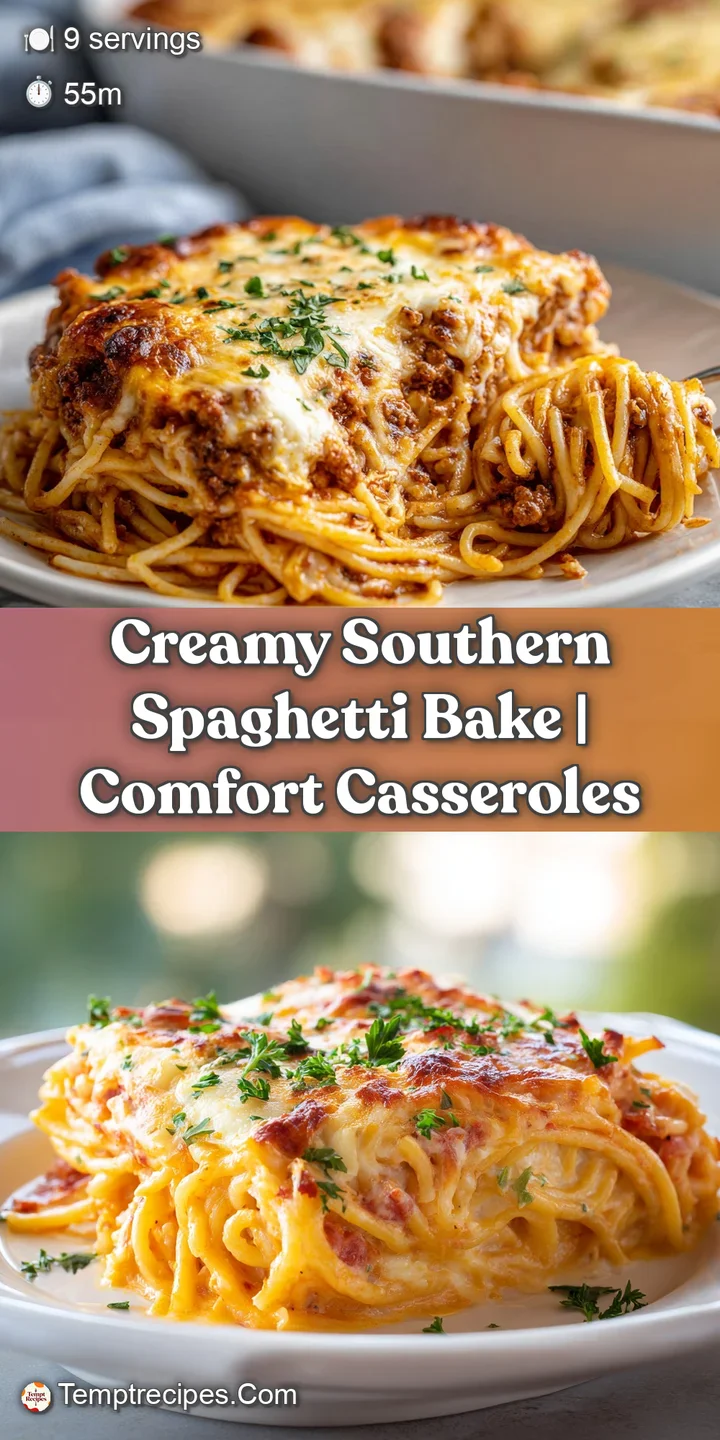
Creamy Southern Spaghetti Bake
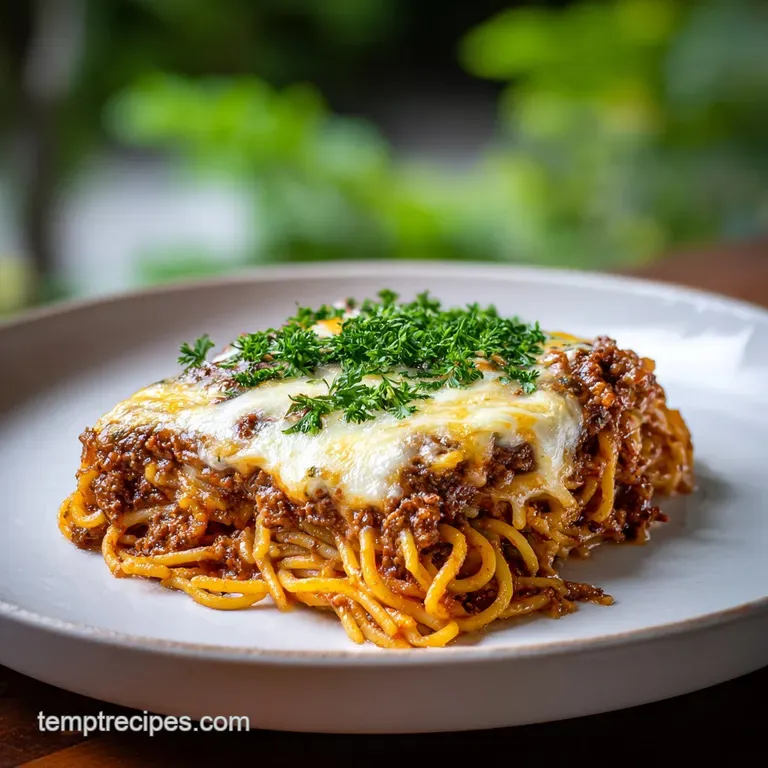
- Time: Active 20 minutes, Passive 35 minutes, Total 55 minutes
- Flavor/Texture Hook: Hearty meat sauce meets a velvety cream cheese core
- Perfect for: Stress free family dinners or a crowd-pleasing potluck
- The Logic of Luscious Texture
- Recipe Specs and Key Timing
- Vital Components and Budget Substitutes
- Essential Tools for Every Cook
- Mastering the Assembly and Bake
- Avoiding Common Casserole Mistakes
- Flavor Variations and Smart Tweaks
- Common Casserole Truths and Myths
- Freezing and Reheating Your Bake
- How to Serve and Enjoy
- HIGH in Sodium
- Recipe FAQs
- 📝 Recipe Card
I remember the first time I pulled this out of the oven. The kitchen smelled like an Italian grandma had moved into my Southern childhood home, and it was glorious. It was for a neighborhood potluck where everyone brings "that one dish" they're known for.
I brought this creamy southern spaghetti bake, mostly because I needed something budget friendly that could feed a small army without tasting like it came from a can.
By the time I got back to my seat after grabbing a drink, the dish was scraped clean. Seriously, people were using pieces of garlic bread to wipe the corners of the pan. It's the kind of comfort food that makes you want to curl up on the sofa and forget about your inbox for an hour.
It’s hearty, it’s satisfying, and it’s become my absolute go to for when a friend needs a "get well soon" meal or just a big hug in casserole form.
We’ve all had those dry, sad pasta bakes that feel like you’re eating a brick of noodles. This is the opposite of that. It’s loosely based on those "Million Dollar" recipes you see everywhere, but we’re leaning into those Southern roots with a bit more spice and a lot more soul.
It’s stress free cooking at its best, and I’m going to show you exactly how to get that perfect bubbly cheese crust every single time.
The Logic of Luscious Texture
The Secret to the Velvety Emulsion
Emulsification Stability: By whisking sour cream into softened cream cheese, you create a stable fat in-water emulsion that won't break or turn oily under high oven heat. This ensures the center remains silky and smooth rather than curdled.
The beauty of this recipe lies in how the different components interact during that final bake. If you’ve ever made a Creamy Garlic Parmesan recipe, you know that heat can be the enemy of smooth sauces. In this southern spaghetti bake, the cream cheese acts as a stabilizer. It creates a thick, rich barrier that prevents the marinara from soaking entirely into the noodles, keeping everything moist.
| Method | Time | Texture | Best For |
|---|---|---|---|
| Standard Oven | 35 minutes | Crispy edges, melty center | Traditional family dinner |
| Slow Cooker | 4 hours (Low) | Very soft noodles, fully integrated sauce | Busy days when you're out |
| Stovetop Only | 25 minutes | Liquid and saucy | When you're in a massive rush |
Mixing the Italian sausage with the ground beef is another little trick I learned early on. The sausage adds a layer of fat and spice that lean beef just can't manage on its own. It's a budget smart way to get premium flavor without buying twenty different spices.
We're essentially building a complex flavor profile using the fats from the meat to carry the aromatics of the garlic and onion throughout the entire pan.
Recipe Specs and Key Timing
Before you grab your apron, let's look at the numbers that actually matter. I’m a big fan of precision because it takes the guesswork out of "is it done yet?" Nobody likes crunchy hard noodles or meat that's still questionable in the middle.
- Meat Browning: Sizzle the beef and sausage for 8-10 minutes until you see those crispy brown bits (that’s flavor, don't wash it away!).
- Pasta Boil: Exactly 7 minutes. The noodles should have a firm "bite" because they will continue to soften as they soak up the sauce in the oven.
- The Bake: 35 minutes at 180°C. This is the sweet spot where the mozzarella turns golden and the cream cheese center gets hot enough to melt into the meat sauce.
We're aiming for a total yield of 9 servings, which is perfect for a standard 9x13 inch baking dish. Each serving clocks in at around 682 kcal, making it a proper, hearty meal that doesn't need much else besides maybe a side of greens to balance it out.
The protein count is high too, at 33.4 g, so you’ll definitely feel satisfied after one plate.
Vital Components and Budget Substitutes
| Ingredient | Science Role | Pro Secret |
|---|---|---|
| Full fat Cream Cheese | Fat stabilizer | Use room temp cheese to avoid "lumpy sauce syndrome" |
| Italian Sausage | Flavor/Fat carrier | Brown it until it's almost "shattered" for maximum surface area |
| Marinara Sauce | Acidic balance | Add a pinch of sugar if your sauce tastes too metallic |
| Sharp Cheddar | Flavor punch | Grate your own from a block; it melts 10x better than pre shredded |
I’ve made this with all sorts of variations when my pantry was looking a bit bare. One thing I've learned: don't even bother with low-fat cream cheese here. It has a higher water content and tends to separate, leaving you with a watery mess at the bottom of the pan.
Stick to the full fat stuff for that velvety mouthfeel we're after.
- 1 lb lean ground beef (90/10): Substitutes with ground turkey (Add 1 tbsp olive oil for fat) Why this? Provides the meaty foundation without being overly greasy.
- 0.5 lb Italian sausage: Substitutes with ground pork + 1 tsp fennel seeds Why this? Adds essential spices and necessary fat for moisture.
- 1 small yellow onion: Substitutes with 1 tbsp onion powder Why this? Provides sweetness and base aromatic depth.
- 3 cloves garlic: Substitutes with 1 tsp garlic powder Why this? Fresh garlic releases oils that permeate the sauce better.
- 24 oz marinara sauce: Substitutes with crushed tomatoes + Italian seasoning Why this? Provides the acidity needed to cut through the rich cheese.
- 1 tsp dried oregano: Substitutes with dried basil or Italian blend Why this? Adds an earthy, floral note to the meat sauce.
- 8 oz full fat cream cheese: Substitutes with Mascarpone Why this? The structural heart of the "creamy" southern spaghetti bake.
- 0.5 cup sour cream: Substitutes with Greek yogurt (full fat) Why this? Adds tanginess and helps thin the cream cheese into a spreadable layer.
- 0.25 cup Parmesan cheese: Substitutes with Pecorino Romano Why this? Provides a salty, umami kick to the white layer.
- 0.5 tsp cracked black pepper: Substitutes with white pepper Why this? Cuts through the richness with a bit of floral heat.
- 16 oz spaghetti noodles: Substitutes with Linguine or Fettuccine Why this? The traditional vessel that holds the layers together.
- 2 cups shredded sharp cheddar: Substitutes with Colby Jack Why this? Provides the "Southern" flavor profile and a beautiful orange hue.
- 1 cup shredded mozzarella: Substitutes with Provolone Why this? Responsible for those long, satisfying cheese pulls.
- 2 tbsp salted butter: Substitutes with olive oil Why this? Helps coat the noodles so they don't stick into a giant clump.
- 0.25 cup fresh parsley: Substitutes with dried parsley (1 tbsp) Why this? Adds a pop of color and a fresh finish to the heavy dish.
Essential Tools for Every Cook
You don't need fancy equipment for this. I usually reach for my trusty large cast iron skillet (like a Lodge) for browning the meat because it holds heat so well. You'll also need a large pot for the pasta and a 9x13 inch baking dish.
A stand mixer such as a KitchenAid is nice for whipping the cream cheese, but honestly, a sturdy whisk and a bit of elbow grease work just as well if the cheese is soft enough.
Make sure you have a colander ready for the pasta and a good sized mixing bowl for the "white sauce" layer. If you're someone who hates scrubbing pans, you can use a disposable aluminum tray, especially if you're taking this to a friend’s house.
Just be sure to place it on a baking sheet for stability when you slide it into the oven.
Mastering the Assembly and Bake
- Prep the oven. Preheat your oven to 180°C and lightly grease your 9x13 inch baking dish. Note: This prevents the edges from sticking and burning.
- Brown the meat. In a large skillet over medium high heat, cook the ground beef and Italian sausage with the diced onion. Cook 8-10 minutes until the meat is browned and the onions are translucent.
- Aromatize the base. Add the minced garlic and oregano to the skillet. Cook for 1 minute until the garlic is fragrant and sizzling.
- Simmer the sauce. Pour in the 24 oz of marinara sauce. Reduce heat and simmer for 10 minutes until the flavors meld and the sauce slightly thickens.
- Boil the noodles. While the sauce simmers, cook the spaghetti in salted water. Drain after 7 minutes until al dente with a firm center.
- Coat the pasta. Toss the drained spaghetti with 2 tbsp of melted butter. Note: This prevents the noodles from absorbing too much sauce and becoming mushy.
- Whip the creamy core. In a medium bowl, combine softened cream cheese, sour cream, Parmesan, and black pepper. Whisk until the mixture is velvety and smooth.
- Layer the bottom. Spread half of the buttered spaghetti into the baking dish, followed by the entire cream cheese mixture. Spread it out until it covers the noodles evenly.
- Complete the assembly. Top with the remaining spaghetti, then pour the meat sauce over the top. Sprinkle the cheddar and mozzarella cheeses until the surface is completely obscured.
- The final bake. Bake for 35 minutes until the cheese is bubbly and the edges are golden brown. Let it rest for 5-10 minutes before garnishing with parsley and slicing.
Avoiding Common Casserole Mistakes
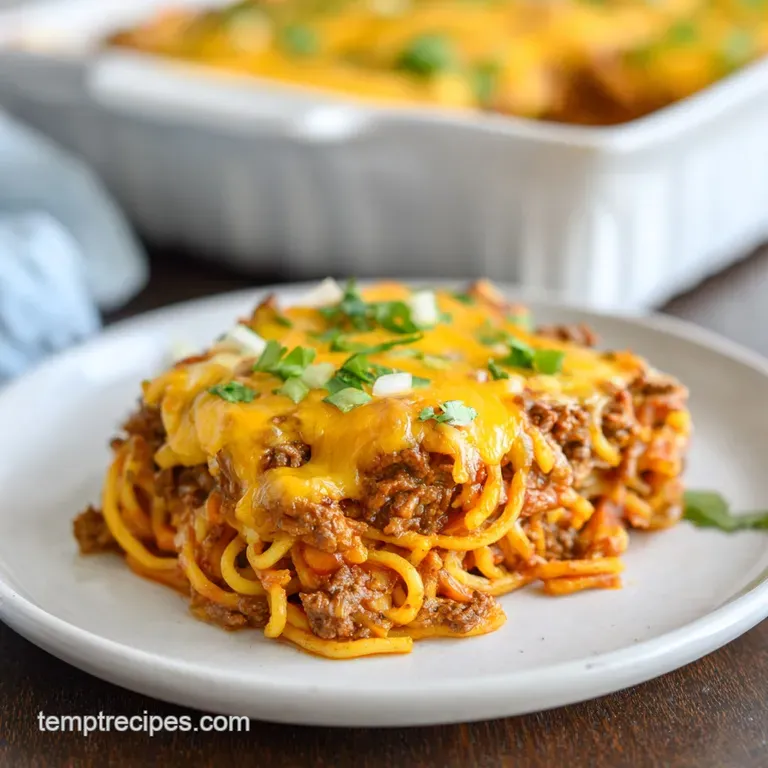
Why Your Bake is Watery
If you find a puddle at the bottom of your dish, it's usually because the meat wasn't drained properly. Fat is flavor, but too much rendered fat from the beef and sausage will separate in the oven. Always drain the excess grease after browning the meat but before adding the marinara.
To Fix Lumpy Cream Sauce
If your cream cheese mixture looks like cottage cheese, your ingredients were too cold. The fat in the cream cheese seizes when it hits cold sour cream. To fix this, you can microwave the bowl for 15 seconds and whisk vigorously, or just make sure you leave your ingredients on the counter for at least an hour before starting.
| Problem | Root Cause | Solution |
|---|---|---|
| Mushy noodles | Overcooked during boiling | Boil for 2-3 minutes less than the box instructions |
| Dry top layer | Not enough sauce/cheese coverage | Ensure the cheese reaches the very edges of the pan to seal in moisture |
| Bland flavor | Lack of salt in pasta water | Use 1 tbsp of salt per 4 liters of water; it's your only chance to season the pasta |
Common Mistakes Checklist
- ✓ Drain the meat grease completely to avoid a soggy bottom.
- ✓ Undercook the pasta by 2 minutes; it finishes in the oven.
- ✓ Soften the cream cheese fully so the middle layer stays smooth.
- ✓ Let the dish rest for 10 minutes after baking so the layers set.
- ✓ Use a block of cheddar and grate it yourself for a better melt.
Flavor Variations and Smart Tweaks
If you're looking for a change of pace, try the Buffalo Chicken Casserole recipe logic and swap the beef for shredded rotisserie chicken and the marinara for a mix of buffalo sauce and ranch. It's a completely different vibe but uses the same layering technique.
- For a Spicy Kick: Add 1 tsp of red pepper flakes to the meat sauce while it simmers.
- For the Southern Baked Chicken Spaghetti Twist: Use shredded chicken instead of beef and add a can of drained diced tomatoes with green chilies.
- For the Perfect Textural Contrast: Sprinkle 1/2 cup of panko breadcrumbs mixed with melted butter over the cheese before baking.
Adjusting for the Crowd
When scaling this recipe, keep in mind that the cream cheese layer is quite rich. If you are doubling the recipe for a party, you don't necessarily need to double the salt in the meat sauce start with 1.5x and taste as you go.
| Servings | Ingredient Adjustments | Pan Size | Cook Time |
|---|---|---|---|
| 4 people | 0.5 lb meat, 8 oz pasta, 4 oz cream cheese | 8x8 inch square | 25 minutes |
| 9 people | 1.5 lb meat, 16 oz pasta, 8 oz cream cheese | 9x13 inch rectangle | 35 minutes |
| 18 people | 3 lb meat, 32 oz pasta, 16 oz cream cheese | Two 9x13 pans | 40-45 minutes |
Common Casserole Truths and Myths
One of the biggest myths in pasta baking is that you need to cook the noodles all the way through before putting them in the oven. This is a recipe for disaster or at least for mush. The noodles act like sponges; they need that extra "room" to absorb the moisture from the marinara and the cream cheese.
Another misconception is that "more cheese is always better." While I love cheese, if you pile it on too thick, it creates an airtight seal that traps steam, which can make your pasta soggy. You want enough to cover the top, but not so much that it becomes a thick, impenetrable leather.
Freezing and Reheating Your Bake
Storage: This bake actually tastes better the next day after the flavors have had time to mingle. Keep it in the fridge for up to 4 days in an airtight container. When reheating, add a tiny splash of water or milk to the plate to help loosen the sauce back up.
Freezing: You can freeze this dish either before or after baking. If freezing before, assemble everything but the final cheese topping. Wrap tightly with plastic wrap and then foil. It will stay good for up to 3 months.
To cook from frozen, thaw in the fridge overnight, add the cheese, and bake as directed, adding about 10-15 minutes to the time.
Zero Waste: Don't throw away those herb stems! If you have leftover parsley stems, toss them into a freezer bag for the next time you make a stock. Also, if you have a tiny bit of meat sauce left over that didn't fit in the pan, it's a great topper for a baked potato the next day.
How to Serve and Enjoy
This creamy southern spaghetti bake is a heavy hitter, so I like to serve it with something bright and crisp. A simple Caesar salad or some roasted broccoli with lemon juice works wonders to cut through the richness of the cream cheese.
For the ultimate "Southern" experience, serve it with a basket of warm garlic bread. There’s something so nostalgic about that combination. I usually set the whole baking dish in the middle of the table and let everyone dig in family style.
It’s not about being fancy; it’s about that satisfying, heart warming feeling of a home cooked meal shared with people you love. Right then, let's get cooking!
HIGH in Sodium
835 mg mg of sodium per serving (36% % of daily value)
The American Heart Association recommends limiting sodium intake to about 2,300mg per day.
Tips to Reduce Sodium in Your Baked Spaghetti
-
Reduce Cheese Sodium-20%
Use low-sodium or reduced fat cheddar and mozzarella cheese. These options often have significantly less sodium than regular varieties. Consider using only 1 cup of cheddar and 0.5 cup of mozzarella to further reduce sodium.
-
Swap Italian Sausage-15%
Italian sausage is a significant source of sodium. Substitute it with an equal amount of lean ground beef (93/7) or use a low-sodium Italian sausage variety.
-
Low-Sodium Marinara-15%
Choose a marinara sauce with no added salt or a low-sodium option. Compare labels carefully, as sodium content can vary widely between brands. Or make your own from scratch using canned crushed tomatoes without salt.
-
Unsalted Butter-10%
Replace salted butter with unsalted butter. This simple swap can help reduce the overall sodium content.
-
Omit Parmesan Cheese-5%
Parmesan cheese is a source of sodium. Consider omitting the Parmesan cheese or use only a small amount.
-
Boost Flavor Naturally
Enhance the dish's flavor with fresh herbs and spices. Garlic, pepper, oregano, and parsley add complexity without adding sodium.
Recipe FAQs
Can I substitute low-fat cream cheese for the full fat version?
No, stick with full fat. low-fat cream cheese has a higher water content, which can separate under oven heat, leading to a watery or curdled layer.
How long should I boil the spaghetti noodles before baking?
Boil for exactly 7 minutes until al dente. The noodles continue cooking in the oven and absorbing sauce; undercooking slightly prevents a mushy final texture.
What is the best way to ensure the cream cheese layer stays perfectly smooth?
Ensure all dairy ingredients are completely at room temperature before mixing. This prevents the fat from seizing, which is the main cause of a lumpy cream layer, a technique similar to stabilizing emulsions in our High Protein Cottage Cheese recipe.
Is it true that I need to brown the meat until it's crispy for the best flavor?
Yes, browning the meat until crispy bits form is essential. Those browned bits, or fond, create the deep savory flavor base that coats the noodles, unlike just boiling the meat until it turns gray.
How do I prevent the edges of the pasta from drying out during the 35-minute bake time?
Ensure the sauce completely covers the top layer of noodles. A thick layer of cheese acts as a seal, trapping moisture; for extra protection, try adding a small splash of water around the edges of the dish before baking.
What side dish pairs well with the richness of this casserole?
Serve something light and acidic to cut the richness. A crisp green salad or roasted green beans tossed with lemon juice are excellent complements.
How should I adjust this recipe if I want to make a very light, less heavy casserole?
Substitute half of the beef with ground turkey and use Greek yogurt instead of sour cream. Using ground turkey lowers the fat significantly, and Greek yogurt maintains the tang while offering a slightly lighter binder than straight cream cheese, similar to lighter preparations found in the Spinach Stuffed Chicken recipe.
Creamy Southern Spaghetti Bake
Ingredients:
Instructions:
Nutrition Facts:
| Calories | 682 kcal |
|---|---|
| Protein | 33.4 g |
| Fat | 34.9 g |
| Carbs | 47.2 g |
| Fiber | 2.8 g |
| Sugar | 5.1 g |
| Sodium | 835 mg |
