Coconut Pineapple Rice: Creamy and Fluffy
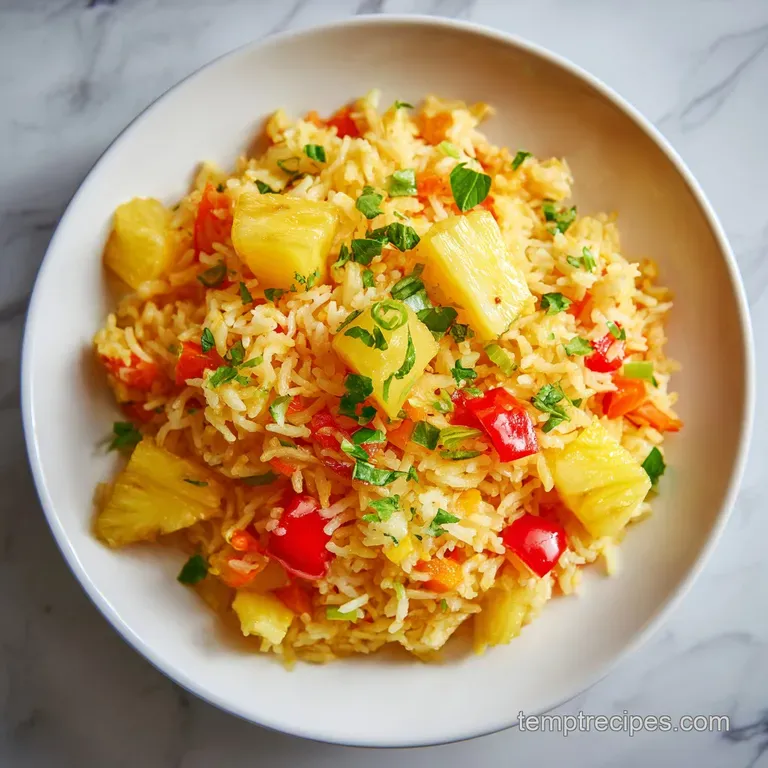
- Time: Active 10 minutes, Passive 20 minutes, Total 30 minutes
- Flavor/Texture Hook: Velvety coconut cream meets the bright, acidic pop of fresh pineapple and a spicy red pepper finish.
- Perfect for: Stress free weeknight dinners, summer potlucks, or anyone craving a vacation on a plate.
- Creating the Ultimate Flavorful Coconut Pineapple Rice
- Why This Fluffy Method Works
- Essential Measurements and Cook Times
- Selecting the Best Tropical Components
- Minimal Tools for Better Results
- Reliable Steps for Simple Success
- Fixing Common Texture Issues Fast
- Tropical Flavor Variations to Try
- Scaling and Kitchen Adjustments
- Storage and Smart Waste Hacks
- Myths About Cooking Coconut Rice
- Best Ways to Serve This
- Recipe FAQs
- 📝 Recipe Card
Creating the Ultimate Flavorful Coconut Pineapple Rice
Look, we’ve all been there. You want to make something special, so you dump a can of coconut milk into a pot of rice, throw in some fruit, and hope for the best. What you usually get is a sad, gluey mess that sticks to the roof of your mouth like tropical flavored library paste.
I remember the first time I tried this for a friend's birthday; I served a bowl of "rice pudding" that was supposed to be a savory side dish. It was embarrassing, and frankly, it was a waste of a perfectly good pineapple.
The problem isn't the ingredients; it's the physics of the grain. Rice is a little sponge for starch, and if you don't treat it right, it releases all that glue into your pot. This recipe is the targeted fix for that specific failure.
By changing how we handle the rice before the liquid even touches it, we ensure every single grain stays distinct and velvety rather than clumped and gummy.
We’re going for that "shatter" of fresh toasted coconut on top and the juicy burst of pineapple in every bite. This isn't just a side dish; it’s a comforting, satisfying experience that makes you feel like you actually know what you're doing in the kitchen. Best of all, it's stress free.
We aren't using fancy rice cookers or complicated techniques just one pot and a bit of patience.
Why This Fluffy Method Works
Understanding why your food behaves the way it does is the fastest way to become a better cook. You don't need a degree to get why this works; you just need to see how the fats and starches interact. It’s all about creating barriers and managing moisture so the rice doesn't turn into a block of cement.
- The Starch Wash: Rinsing the jasmine rice for 2-3 minutes removes the dusty surface starch that causes clumping.
- Fat Barrier Technique: Toasting the rice in coconut oil before adding liquid coats each grain in fat, which physically prevents them from sticking together.
- Steam Distribution: Letting the rice rest for 10 minutes after cooking allows the moisture to redistribute evenly, so the top isn't dry and the bottom isn't soggy.
- Fat Saturation: Using full fat coconut milk provides the necessary lipids to create a silky mouthfeel that water alone could never achieve.
| Servings | Jasmine Rice | Coconut Milk | Water | Pan Size |
|---|---|---|---|---|
| 2 people | 0.75 cups | 0.5 can | 3 tbsp | Small saucepan |
| 5 people | 2 cups | 1 full can | 0.5 cup | 3 quart pot |
| 10 people | 4 cups | 2 full cans | 1 cup | 6 quart Dutch oven |
This table helps you plan for everything from a quiet solo dinner to a full blown backyard bash. Since this recipe is so hearty and comforting, you'll find that people tend to scoop up more than they think they will.
If you're cooking for a crowd, definitely stick to the larger pot sizes to give the steam enough room to circulate around the grains.
Essential Measurements and Cook Times
When we talk about the components of this dish, we aren't just looking at flavor. We’re looking at how each piece plays its part in the architecture of the meal. The coconut milk isn't just for taste; it’s the primary source of moisture and fat.
The pineapple isn't just fruit; it's the acidic counter balance to all that rich creaminess.
| Ingredient | Science Role | Pro Secret |
|---|---|---|
| Jasmine Rice | Starch base | Always use long grain jasmine for the best floral aroma and separate texture. |
| Full fat Coconut Milk | Lipid delivery | Shake the can vigorously before opening to emulsify the thick cream and thin water. |
| Virgin Coconut Oil | Searing agent | This has a higher smoke point than butter and reinforces the tropical scent during the toast. |
| Fresh Lime Juice | Acid balance | Add this at the very end to keep the flavor bright and prevent the rice from turning gray. |
It is worth noting that using the right type of coconut milk makes or breaks this dish. Light coconut milk is basically just coconut flavored water and won't give you that satisfying, velvety finish we’re after. Stick to the full fat stuff found in the canned aisle, not the refrigerated cartons meant for cereal.
Selecting the Best Tropical Components
To get the best results, you need to be picky about your supplies. This doesn't mean you need to spend a fortune, but a few smart choices will make a massive difference in the final bowl. I always tell my friends that the best recipes are 50% technique and 50% not compromising on the core ingredients.
- Jasmine Rice (2 cups / 400g): Rinsed until clear. Why this? Jasmine has the perfect length and fragrance for tropical flavors.
- Full fat Coconut Milk (13.5 oz can): Unsweetened. Why this? The fat content creates a silky texture that protects the grains.
- Filtered Water (1/2 cup): Essential for hydration. Why this? Pure coconut milk is too thick for rice to absorb properly.
- Sea Salt (1/2 tsp): Fine grain. Why this? Salt wakes up the sugars in the coconut and pineapple.
- Virgin Coconut Oil (1 tbsp): For toasting. Why this? It adds an extra layer of nutty aroma during the initial sear.
- Fresh Pineapple (1.5 cups): Diced small. Why this? Canned pineapple is often too mushy and overly sweet for this.
- Fresh Lime Juice (2 tbsp): The "brightener." Why this? It cuts through the heavy fat of the coconut milk.
- Unsweetened Coconut Flakes (1/4 cup): Toasted for crunch. Why this? Adds a necessary textural contrast to the soft rice.
- Scallions (1/2 cup): Thinly sliced. Why this? Provides a mild savory bite to balance the fruit.
- Red Pepper Flakes (1/2 tsp): For a hint of heat. Why this? A tiny bit of spice makes the sweetness feel more sophisticated.
| Original Ingredient | Substitute | Why It Works |
|---|---|---|
| Fresh Pineapple | Canned Tidbits | Convenient. Note: Drain extremely well and pat dry to avoid extra liquid. |
| Virgin Coconut Oil | Neutral Oil | Works for toasting. Note: You will lose a bit of that "tropical" smell. |
| Scallions | Fresh Cilantro | Adds a punchy, herbaceous note instead of a mild onion bite. |
If you find yourself reaching for substitutions, just keep in mind how they affect the moisture. If you use canned pineapple, for instance, you're introducing more sugar and potentially more water, so be sure to dry them off. If you’re looking for a different vibe entirely, this Spicy Indian Cabbage recipe is a great example of how to use similar aromatic techniques with vegetables instead of fruit.
Minimal Tools for Better Results
You don't need a pantry full of gadgets to make Coconut Pineapple Rice. In fact, keeping it simple usually leads to better results because you can actually see and hear what’s happening in the pot.
I prefer using a heavy bottomed saucepan because it distributes heat more evenly, which is crucial when you're working with something as sugar heavy as coconut milk.
The only "special" tool I’d recommend is a fine mesh sieve. If you try to rinse rice in a bowl by just swirling and pouring, you’ll never get all that surface starch off. A sieve allows the water to flow through and carry the starch away.
Other than that, a sturdy fork for fluffing and a non stick skillet for the coconut flakes are all you need to get the job done.
Chef's Tip: If you don't have a tight fitting lid for your saucepan, place a piece of aluminum foil over the pot before putting the lid on. This creates an airtight seal that traps every bit of steam inside, ensuring your rice doesn't end up crunchy.
Reliable Steps for Simple Success

Now, let's get into the heart of the process. Follow these steps exactly, and you'll avoid the mushy pitfalls that plague most home cooks.
- Rinse the 2 cups of jasmine rice in a fine mesh sieve under cold water for 2-3 minutes. Do this until the water runs completely clear to remove all excess surface starch.
- Heat 1 tablespoon of coconut oil in a heavy bottomed saucepan over medium heat.
- Add the rinsed rice to the oil and toast for 2 minutes. Stir constantly until the grains look translucent and smell nutty.Note: This prevents sticking later.
- Pour in the can of coconut milk, 1/2 cup of water, and 1/2 teaspoon of sea salt. Stir once to combine.
- Bring the mixture to a gentle boil. As soon as you see large bubbles, immediately turn the heat to the lowest possible setting.
- Cover the pot with a tight fitting lid and simmer undisturbed for 15-18 minutes. Do not lift the lid or you will lose the steam needed for cooking.
- Remove the pot from the heat and let the rice rest, still covered, for 10 minutes. Note: This is when the moisture redistributes through the grains.
- While the rice rests, toast 1/4 cup of coconut flakes in a small dry skillet over medium low heat. Cook until they are golden brown and fragrant, about 3-5 minutes.
- Remove the lid and fluff the rice with a fork. Gently fold in 1.5 cups of diced pineapple, 2 tablespoons of lime juice, 1/2 cup of scallions, and 1/2 teaspoon of red pepper flakes.
- Garnish with the toasted coconut flakes and serve immediately while the textures are at their peak.
The toasting step is where the magic happens. You’ll hear a slight crackle as the rice hits the oil, and the aroma will shift from "raw grain" to something much more complex. This is the moment you’re building the foundation of the whole dish.
If you skip the toast, you're just boiling rice; if you do it right, you're crafting a masterpiece.
Fixing Common Texture Issues Fast
Even with the best instructions, things happen. Maybe your stove runs hot, or maybe your measuring cup was a little off. Don't panic! Most rice issues are easy to solve if you catch them before you serve.
Why Your Rice is Still Crunchy
This usually happens if the heat was too low or the lid wasn't tight enough, allowing steam to escape. If the timer goes off and the grains still have a hard center, don't just keep boiling it.
Add 2 tablespoons of boiling water, put the lid back on tight, and let it sit on the lowest heat for another 5 minutes. The extra moisture and heat will usually finish the job without turning the rest of the pot into mush.
Why the Bottom of the Rice Burned
A burnt bottom is the sign of a "hot spot" or heat that was just a bit too high during the simmer. If you smell something toasty (but in a bad way), remove the pot from the heat immediately. Do not stir. If you stir, you’ll mix the burnt bits into the good rice.
Instead, scoop the "good" rice from the top into a fresh bowl and leave the crusty bottom behind. In some cultures, that crispy bottom (called socarrat or tahdig) is actually a delicacy, but with coconut milk, it can turn bitter quickly, so be careful.
| Problem | Root Cause | Solution |
|---|---|---|
| Grains are sticking together | Insufficient rinsing of starch | Next time, rinse for a full 3 mins until water is crystal clear. |
| Rice is mushy/wet | Too much liquid or lifting the lid | Remove lid and cook on low for 2-3 mins to evaporate excess moisture. |
| Flavors are dull | Not enough acid or salt | Add an extra squeeze of lime juice and a pinch of salt just before serving. |
Common Mistakes Checklist
- ✓ Pat the pineapple dry after dicing to keep the rice from getting soggy.
- ✓ Shake the coconut milk can before opening to avoid "clumps" of cream in the pot.
- ✓ Use a fork, not a spoon, to fluff the rice (spoons smash the grains).
- ✓ Never skip the 10 minute resting period; it’s the most important step for texture.
- ✓ Toast your coconut flakes separately so they stay crispy rather than steamed.
Tropical Flavor Variations to Try
Once you've mastered the basic technique, you can start playing with the profile. This dish is incredibly versatile. If you want a more "Hawaiian style" vibe, you can add some diced ham or crispy bacon at the very end. The saltiness of the pork is a dream come true when paired with the sweet pineapple.
For those who want to turn this into a full meal, it’s a perfect base for protein. I often serve this alongside a 30 Minute Beef Stir Fry because the coconut rice acts as a cooling agent against the savory, ginger heavy beef. You could also stir in some cooked shrimp or shredded rotisserie chicken during the final fold to make it a one pot dinner that feels much fancier than it actually is.
- For a Thai Twist: Add 1 teaspoon of curry powder to the rice while it toasts in the oil. This gives it a beautiful yellow hue and a deep, earthy warmth.
- For Extra Crunch: Stir in 1/4 cup of toasted macadamia nuts or cashews along with the pineapple.
- For a Sweeter Profile: Add a tablespoon of brown sugar to the coconut milk, though I find the pineapple provides plenty of natural sweetness on its own.
Scaling and Kitchen Adjustments
Scaling rice can be tricky because the liquid evaporation rate doesn't change linearly with the volume. If you're doubling the recipe, you don't necessarily double the water exactly.
Scaling Down (Making 1-2 servings): If you're using just 1 cup of rice, use a much smaller pot. If the pot is too wide, the liquid will evaporate before the rice is cooked. Reduce the simmer time by about 2-3 minutes, but keep the 10 minute rest period exactly the same.
Scaling Up (Feeding a crowd): When doubling to 4 cups of rice, use 1.5x the salt and spices rather than a full 2x to avoid over seasoning. Use a large Dutch oven and ensure the heat is distributed evenly across the bottom.
You may need to extend the simmer time by 2-5 minutes because a larger mass of rice takes longer to reach temperature.
| Goal | Adjustment | Expected Result |
|---|---|---|
| Lower Fat | Replace half coconut milk with broth | Less creamy, but more savory and "light" feeling. |
| More Nutty | Double the toasting time for the rice | Deep golden color and a stronger popcorn like aroma. |
| Spicy Kick | Increase red pepper to 1 tsp | A lingering heat that balances the sweet fruit perfectly. |
Storage and Smart Waste Hacks
Rice is one of those things that can be tricky to store safely, so listen up. You want to get the rice cooled down and into the fridge within an hour of cooking. Leaving it out on the counter is a recipe for bacteria growth.
- Fridge: Store in an airtight container for up to 4 days.
- Freezer: This rice actually freezes remarkably well! Put it in a freezer bag, flatten it out, and it will stay good for up to 3 months.
- Zero Waste Tip: Don't throw away the pineapple core or the lime zest! You can simmer the pineapple core in water to make a tropical tea, or use the lime zest to garnish a drink or another dish. Even the scallion whites can be put in a jar of water on your windowsill to regrow!
When reheating, coconut rice can get a bit stiff. The trick is to add a splash of water or more coconut milk and cover it while microwaving or heating on the stove. This recreates the steam environment and brings that velvety texture back to life.
Myths About Cooking Coconut Rice
There are so many "rules" floating around the internet that just aren't true. Let's clear a few up so you can cook with confidence.
Myth: You must soak the rice for hours. While some older recipes call for soaking, modern jasmine rice is processed in a way that only requires a good rinse. Soaking can actually make the grains too fragile, causing them to break and release more starch during the cook, leading to you guessed it mushy rice.
Myth: Coconut milk makes the rice "heavy" or oily. If you follow the ratio in this recipe, the rice absorbs the liquid perfectly. The fat in the coconut milk actually helps keep the grains separate.
It only feels "heavy" if you use too much liquid or skip the lime juice, which is there to cut through the richness.
Myth: You can't use a fork to stir. Actually, a fork is your best friend. Using a spoon or a spatula can mash the softened grains. A fork "fluffs" by sliding between the grains and separating them without any pressure. Always fluff, never stir!
Best Ways to Serve This
This Coconut Pineapple Rice is a superstar on its own, but it really shines when paired with the right flavors. Because it’s so rich and tropical, it loves anything charred, grilled, or spicy. Think jerk chicken, grilled shrimp skewers, or even a simple piece of pan seared salmon.
If you’re hosting a dinner party, try serving the rice inside a hollowed out pineapple half. It looks incredibly professional and takes about two minutes of extra work. Just slice a pineapple in half, scoop out the fruit (which you’ll use in the recipe anyway!), and pile the finished rice inside.
It’s a total "wow" factor for your guests without any extra stress.
Whatever you do, make sure to serve it while the pineapple is still cold and the rice is hot that temperature contrast is half the fun! It's the kind of meal that makes a Tuesday night feel like a weekend, and that’s exactly what a good comfort meal should do.

Recipe FAQs
How to ensure the rice doesn't turn out mushy?
Rinse the jasmine rice thoroughly for 2-3 minutes until the water runs completely clear. Removing this excess surface starch prevents the grains from clumping together during the simmer.
Is the 10-minute resting period really necessary?
Yes, the resting period is the most important step for texture. Allowing the rice to sit undisturbed for 10 minutes lets the residual steam finish cooking the grains evenly and redistributes the moisture throughout the pot.
How to incorporate the pineapple without making the dish soggy?
Pat the diced pineapple dry with a paper towel before folding it in. Removing excess surface juice ensures the pineapple adds flavor without introducing unwanted moisture to your fluffy rice.
Why should I toast the coconut flakes in a separate skillet?
Toasting separately keeps them crispy rather than steamed. If you enjoyed mastering this specific browning technique here, you can apply similar heat control when preparing the protein in our creamy buffalo chicken dish.
Can I store leftover rice for later in the week?
Yes, store it in an airtight container in the refrigerator for up to 4 days. Make sure to get it into the fridge within an hour of cooking to ensure food safety.
How to reheat frozen coconut pineapple rice?
Thaw the rice in the refrigerator overnight and reheat it gently on the stovetop with a splash of water. Keeping the rice in a flattened freezer bag helps it freeze evenly and makes the thawing process much faster.
How to prevent coconut milk from clumping in the pot?
Shake the coconut milk can vigorously before opening. This simple step integrates the solidified cream with the liquid, ensuring a smooth, consistent base for your rice.
Coconut Pineapple Rice

Ingredients:
Instructions:
Nutrition Facts:
| Calories | 517 kcal |
|---|---|
| Protein | 8 g |
| Fat | 23 g |
| Carbs | 75 g |
| Fiber | 2.4 g |
| Sugar | 6 g |
| Sodium | 240 mg |
