Authentic Thai Drunken Noodles
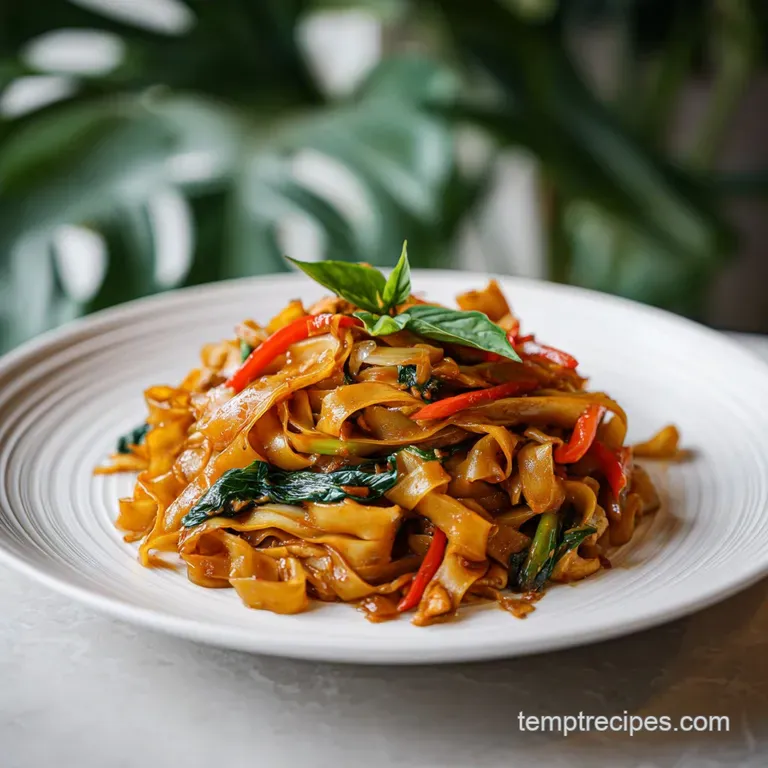
- Time: Active 15 minutes, Passive 10 minutes, Total 25 minutes
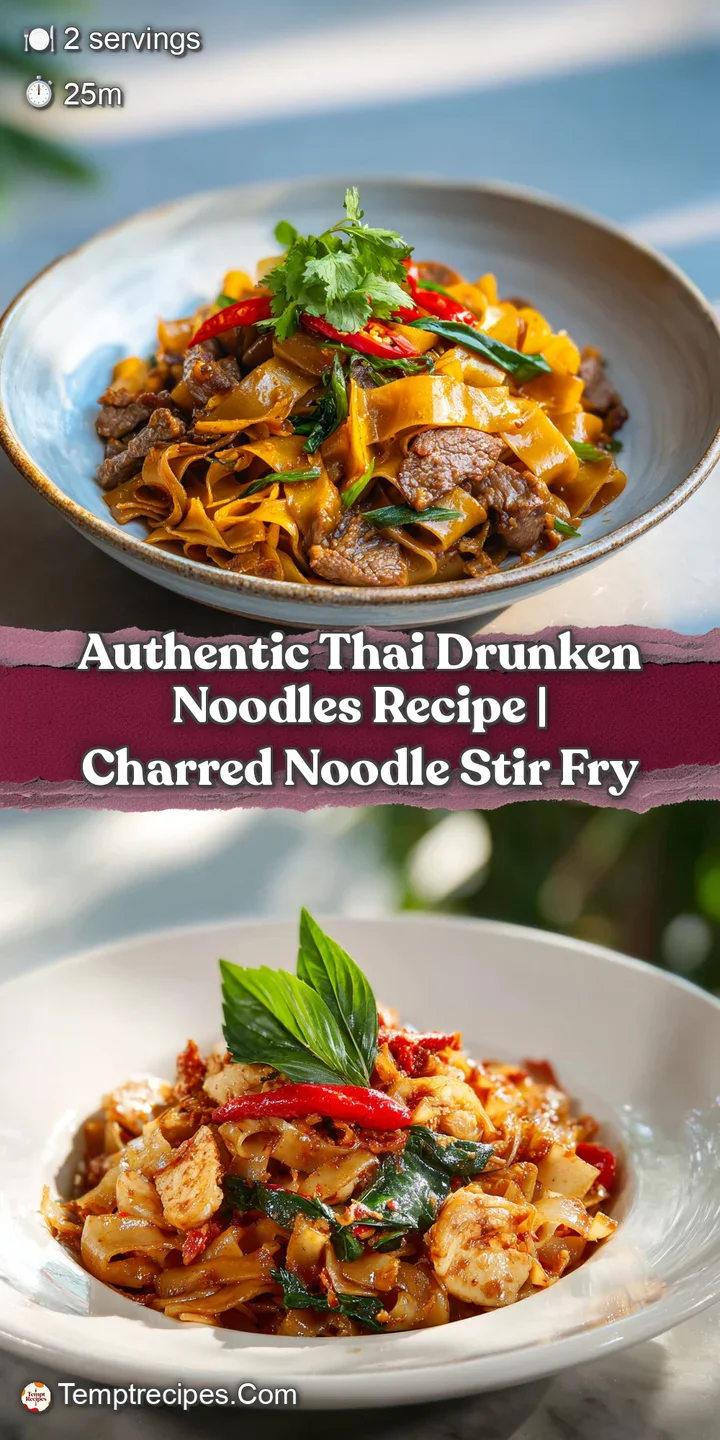
- Flavor/Texture Hook: Charred, chewy noodles with a peppery, savory kick
- Perfect for: Stress free weeknight dinners or satisfying street food cravings at home
- Mastering These Spicy Thai Drunken Noodles
- Understanding The Science Of Heat
- Ingredient Deep Dive
- Sourcing Your Authentic Components
- Essential Gear For The Wok
- Executing The Three Step Flow
- Fixes For Common Cooking Issues
- Customizing Your Personal Spice Level
- Debunking Noodle Myths
- Keeping Leftovers Fresh and Tasty
- Final Touches For Street Style
- Very High in Sodium
- Recipe FAQs
- 📝 Recipe Card
Mastering These Spicy Thai Drunken Noodles
The first time I tried to make these at home, I set off every smoke alarm in my apartment. I was chasing that specific, smoky aroma you get from a street stall in Bangkok, but I hadn't yet learned that there’s a fine line between a seasoned wok and a kitchen disaster.
When those Thai bird’s eye chilies hit the shimmering oil, the air turned electric and spicy, making me sneeze, but the smell of the wilting basil was absolutely intoxicating.
I've spent years figuring out how to get that velvety texture on the chicken and that slight "shatter" on the edges of the noodles without them turning into a gummy mess. It’s all about the timing and the sequence.
You want the garlic to turn golden, not bitter, and the sauce to caramelize just enough to coat every strand of rice noodle in a dark, glossy embrace. It’s a hearty, satisfying meal that feels like a warm hug after a long day.
We’re going to walk through this together so you can skip my early mistakes. We'll focus on getting the pan temperature right and prepping everything beforehand, because once the heat is on, things move fast.
You’ll have a plate of comforting noodles that taste better than takeout, and you won't even need to call the fire department. Trust me, the effort of smashing those chilies by hand is what makes this dish truly sing.
Understanding The Science Of Heat
Maillard Reaction: High heat causes the sugars and proteins in the soy sauce and chicken to brown rapidly, creating complex savory flavors. This is what provides that characteristic "charred" taste without actually burning the food.
Starch Gelatinization: Fresh rice noodles absorb the liquid from the sauce almost instantly when they hit the pan, causing the starches to swell and create a chewy, "bouncy" texture. If the pan isn't hot enough, the noodles will steam and break instead of searing.
Essential Oil Release: The intense heat at the very end of the cooking process ruptures the cells in the Thai basil leaves, flooding the dish with a peppery, anise like aroma. Adding the basil too early destroys these delicate volatile compounds, leaving the dish dull.
| Cooking Method | Time | Texture | Best For |
|---|---|---|---|
| Stovetop Wok | 10 mins | Charred and chewy | Authentic street food results |
| Large Skillet | 12 mins | Evenly browned | Home cooks without a wok |
| Oven (Sheet Pan) | 20 mins | Crispy edges, less chew | Large batches; less authentic |
Choosing the stovetop method is nearly always superior for this recipe because the focused heat allows for "Wok Hei," or the breath of the wok. While an oven might seem easier for a crowd, it lacks the ability to toss and emulsify the sauce with the starch of the noodles, often resulting in a drier finish.
Ingredient Deep Dive
| Component | Science Role | Pro Secret |
|---|---|---|
| Dark Soy Sauce | Provides deep pigment and caramel sugars | Use a brand like Lee Kum Kee for consistent viscosity |
| Bird's Eye Chilies | Capsaicin delivery and sharp acidity | Smash them with the side of a knife to release oils |
| Fresh Rice Noodles | Structural base and starch source | Peel them apart leaf by leaf while they are cold |
Selecting the right ingredients is the difference between a mediocre stir fry and a comforting masterpiece. I always suggest looking for the widest noodles you can find, as they provide more surface area for that beautiful sauce to cling to.
Sourcing Your Authentic Components
- 300g chicken breast: Thinly sliced against the grain. Why this? Ensures the meat remains tender and doesn't become stringy during the fast sear.
- 500g fresh wide rice noodles (Ho Fun): These are the soul of the dish. Why this? Fresh noodles have a superior chew compared to dried versions.
- 2 tbsp oyster sauce: The primary savory base. Why this? Adds a velvety thickness and deep umami to the stir fry sauce.
- 1 tbsp light soy sauce: Adds saltiness without overwhelming the color. Why this? Balances the sweetness of the dark soy and sugar.
- 1.5 tbsp dark soy sauce: Mostly for that iconic mahogany color. Why this? It has a molasses like quality that caramelizes beautifully on the noodles.
- 1 tbsp fish sauce: The funky, salty backbone. Why this? It provides a dimension of flavor that salt alone cannot achieve.
- 1 tsp brown sugar: To balance the heat and salt. Why this? It helps the sauce tack up and stick to the ingredients.
- 6 cloves garlic: Minced or smashed into a paste. Why this? Creates the aromatic base layer of the entire flavor profile.
- 5 Thai bird’s eye chilies: These provide the signature "drunk" heat. Why this? They offer a sharp, clean spice that cuts through the rich sauce.
- 1 cup Chinese broccoli: Sliced into bite sized pieces. Why this? Adds a necessary bitter crunch to contrast the soft noodles.
- 1 cup fresh Thai basil leaves: Packed for maximum impact. Why this? Provides the essential peppery aroma that defines the dish.
- 2 tbsp vegetable oil: A neutral oil with a high smoke point. Why this? Allows for the over high heat searing required for the noodles.
| Original Ingredient | Substitute | Why It Works |
|---|---|---|
| Chinese Broccoli | Broccolini or regular Broccoli | Similar texture; broccolini is slightly sweeter. |
| Thai Bird's Eye Chilies | Serrano or Holland Chilies | Lower heat level but similar bright pepper flavor. |
| Fresh Ho Fun Noodles | Dried Wide Rice Noodles | Must be soaked in hot water first. Note: Texture is less bouncy. |
| Thai Basil | Sweet Italian Basil | Adds herbal notes. Note: Lacks the spicy anise punch of Thai basil. |
If you find yourself with extra chicken and want something a bit more portable for the next day, my Sweet Chili Chicken recipe is a fantastic stress free lunch option that uses similar pantry staples.
Essential Gear For The Wok
Having the right tools is just as important as the ingredients. You need something that can handle heat. A carbon steel wok is the gold standard because it responds to temperature changes instantly, but a heavy duty cast iron skillet is a great alternative for home stoves.
You also need a sturdy spatula preferably one with a long handle so you can move things around without burning your knuckles.
Preparation is the secret to a stress free cooking experience here. Because the actual cooking takes less than 10 minutes, you cannot be chopping broccoli while the chicken is already in the pan.
I like to use small bowls to organize my "mis en place." One bowl for the aromatics (garlic and chilies), one for the sliced chicken, and a jar to whisk the sauces together. This flow ensures nothing burns while you're hunting for the sugar.
Executing The Three Step Flow
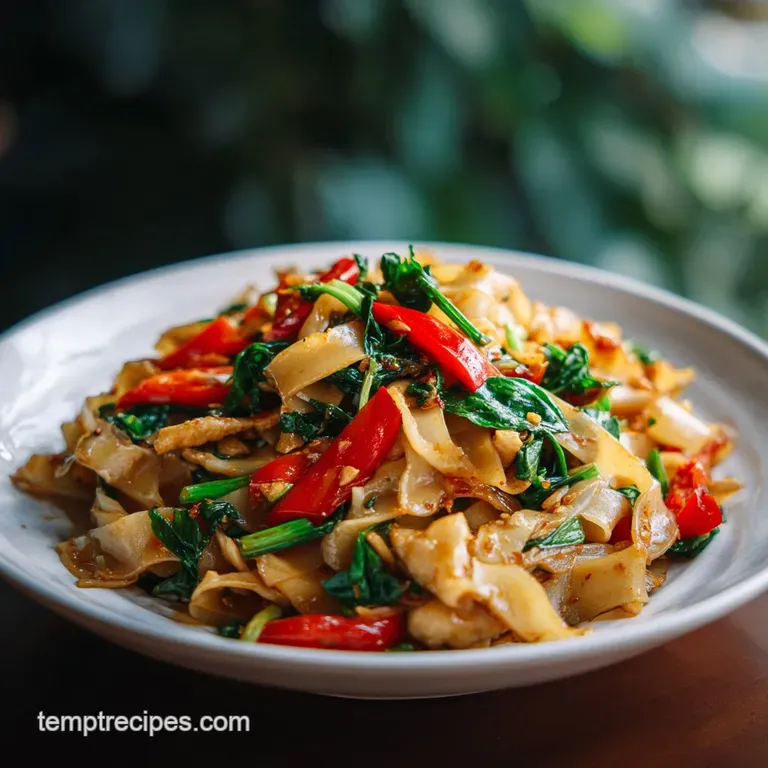
1. Aromatic Preparation For Maximum Punch
Using a mortar and pestle, pound the 6 garlic cloves and 5 Thai bird's eye chilies into a coarse, wet paste. Note: This releases more flavor than chopping because it ruptures the cell walls of the aromatics.
2. Sauce Emulsification Strategy
Whisk the 2 tbsp oyster sauce, 1 tbsp light soy sauce, 1.5 tbsp dark soy sauce, 1 tbsp fish sauce, and 1 tsp brown sugar in a small bowl. Note: Mixing the sauce beforehand ensures even distribution so the noodles don't get splotchy.
3. Searing The Chicken Protein
Heat 1 tbsp of vegetable oil in a wok over high heat until shimmering and wisps of smoke appear. Add the 300g sliced chicken breast and spread it out, letting it sear for 2 minutes without moving it until the edges are golden.
4. Infusing The Aromatics
Push the chicken to the sides of the pan and add another 1 tbsp of oil to the center. Toss in the garlic and chili paste, stirring for 30 seconds until the aroma is sharp and fragrant.
5. Incorporating The Vegetables
Add the 1 cup of Chinese broccoli to the wok. Stir fry with the chicken and aromatics for 1 minute until the leaves are bright green and the stems are slightly softened.
6. Managing The Rice Noodles
Add the 500g of fresh wide rice noodles to the pan. Use your spatula to gently spread them out, allowing them to make contact with the hot surface. Note: Avoid over stirring at first so the noodles can develop a slight sear.
7. Glazing With The Savory Sauce
Pour the prepared sauce mixture over the noodles. Toss everything vigorously with two spatulas or a pair of tongs for 2 minutes until the noodles are dark, glossy, and have absorbed the liquid.
8. The Final Basil Infusion
Turn off the heat immediately. Add the 1 cup of fresh Thai basil leaves and toss gently until the leaves have just wilted from the residual heat.
9. Checking Final Doneness
Ensure the noodles are tender but still have a "bite." The sauce should be fully incorporated, leaving a slight oily sheen on the noodles rather than a pool of liquid at the bottom.
Fixes For Common Cooking Issues
Clumped and Broken Noodles
This is the most frequent heartbreaker. If your noodles are sticking together in a giant, gummy ball, it’s usually because they were too cold or too wet. Fresh noodles from the fridge are brittle.
I've learned that letting them sit at room temperature for 30 minutes before cooking makes them much easier to separate.
Lack of Smoky Flavor
If your dish tastes like "boiled noodles in sauce," your pan wasn't hot enough. To fix this, you need to work in batches if your stove isn't powerful. Overcrowding the pan drops the temperature, which leads to steaming rather than searing.
Heat the oil until it literally starts to smoke before you drop in that first bit of chicken.
| Problem | Root Cause | Solution |
|---|---|---|
| Noodles are mushy | Overcrowded pan caused steaming | Cook in smaller batches on the highest heat. |
| Dish is overly salty | Too much fish sauce or soy | Balance with a squeeze of lime juice or extra sugar. |
| Basil tastes bitter | Basil was cooked for too long | Add basil only after turning off the heat. |
Common Mistakes Checklist
- ✓ Never soak fresh rice noodles in water; they will disintegrate.
- ✓ Don't use a low smoke point oil like extra virgin olive oil.
- ✓ Avoid stirring the noodles constantly; let them sit to get that "char."
- ✓ Ensure the chicken is patted dry before slicing to prevent excess moisture.
- ✓ Don't skimp on the oil it's essential for the noodle texture and heat transfer.
Customizing Your Personal Spice Level
Scaling this recipe for a larger group requires a bit of strategy. If you try to double the 500g of noodles in one standard sized wok, you’ll end up with a mess. The weight of the noodles will crush the ones at the bottom, and you won't get any sear.
Instead, double the ingredients but cook in two separate batches. It only takes 10 minutes per batch, so it's still a fast process.
When scaling down for one person, you can simply halve everything. However, be careful with the sauce reduction. A smaller amount of sauce evaporates faster in a hot pan, so you might need to add a splash of water or extra oil to keep the noodles from sticking.
For the spices, I usually keep the garlic and chilies at the original amount even for a half batch because, let’s be honest, we all love that extra punch.
Chef's Tip: If you are doubling the recipe, only increase the fish sauce and salt by 1.5x. You can always add more at the end, but you can't take it away once the noodles have soaked it up!
Debunking Noodle Myths
The name "Drunken Noodles" implies there is alcohol in the recipe. This is actually a myth. There is no wine, beer, or spirits in an authentic Pad Kee Mao. The name likely comes from the idea that the dish is so spicy it requires a lot of cold beer to wash it down, or that it’s the perfect late night meal for someone who has had a few too many drinks.
Another common misconception is that you can substitute regular broccoli for Chinese broccoli without any change. While it works in a pinch, regular broccoli has a much higher water content and a softer texture.
Chinese broccoli (Gai Lan) provides a specific bitter crunch and a sturdy stem that stands up to the high heat of the wok without turning into mush.
Keeping Leftovers Fresh and Tasty
Storage: These noodles are best served immediately, but they will keep in the fridge for up to 3 days. Store them in an airtight container. Be aware that the noodles will firm up and become quite stiff when cold.
Zero Waste Tip: If you have leftover stems from the Thai basil, don't throw them away! You can toss them into a pot of simmering chicken stock to infuse it with a wonderful herbal aroma.
Any leftover Chinese broccoli stems can be thinly sliced and pickled in a bit of vinegar and sugar for a crunchy side dish.
Reheating: Avoid the microwave if possible, as it can make the noodles rubbery. Instead, splash a teaspoon of water into a skillet over medium heat, add the noodles, and toss gently until they are warmed through and have regained their silky texture.
Final Touches For Street Style
When you’re ready to serve, don't just dump the noodles onto a plate. I like to use a pair of long tongs to twirl the noodles into a high pile in the center of a wide bowl. Make sure the pieces of chicken and green broccoli are visible on top this is what we call "eye appeal." It makes the dish look as hearty and satisfying as it tastes.
A final squeeze of fresh lime juice right before eating can brighten the whole dish, although it's not strictly traditional for this specific recipe. I also love to keep a small jar of dried chili flakes or "nam pla prik" (fish sauce with chopped chilies) on the side for anyone who wants to push the heat even further.
The contrast of the dark, glossy noodles against a bright white plate makes the colors of the basil and chilies pop, making it look exactly like something you'd find on a busy street corner in Bangkok. Enjoy the heat!
Very High in Sodium
2750 mg mg of sodium per serving (120% of daily value)
The American Heart Association recommends limiting sodium intake to about 2,300mg per day for overall cardiovascular health.
Tips to Reduce Sodium in Your Pad See Ew
-
Reduce or Replace Fish Sauce-30%
Fish sauce is a major source of sodium. Reduce the amount of fish sauce by half or replace it with a low-sodium soy sauce alternative. This can drastically reduce the sodium content without sacrificing too much flavor.
-
Lower Sodium Soy Sauce-25%
Replace both the light and dark soy sauces with reduced sodium varieties. Reduced sodium soy sauce can cut down on sodium without significantly altering the flavor profile of the dish. Look for soy sauces with 25% or less sodium.
-
Lighten Up on Oyster Sauce-20%
Oyster sauce is another significant contributor to the high sodium level. Reduce the amount by half or find a lower sodium oyster sauce alternative. You can enhance the umami flavor with mushroom seasoning instead.
-
Control Chili Input-10%
While chilies themselves don't contribute sodium, commercially prepared chili pastes or sauces often do. Make sure you are using fresh chilies, and not using any chili sauce with hidden sodium.
-
Flavor with Herbs and Spices
Enhance the flavors of your Pad See Ew with fresh herbs and spices. Garlic, chilies, and Thai basil already add depth, but consider experimenting with ginger, galangal, or lemongrass to create a more complex flavor profile without adding any sodium.
Recipe FAQs
Are drunken noodles authentic Thai?
Yes, they are authentic Thai. They are known in Thailand as Pad Kee Mao, which translates roughly to "stir fried with liquor" or "drunkard's noodles."
What is the secret to good drunken noodles?
Achieve extreme high heat for Wok Hei. The secret lies in searing the noodles quickly at high temperatures so they char slightly rather than steaming, which creates the signature smoky flavor.
What kind of noodles are used for drunken noodles?
Use fresh, wide rice noodles, known as Ho Fun. Fresh noodles provide the superior chewy texture; dried noodles must be soaked, but they will not have the same bouncy quality.
What makes drunken noodles different from Pad See Ew?
The difference is the spice and the basil. Drunken noodles (Pad Kee Mao) are intensely spicy using fresh chilies and feature aromatic Thai basil, whereas Pad See Ew is milder and uses Chinese broccoli and only minimal sweetness.
Why is my drunken noodle dish gummy instead of seared?
Your pan temperature was too low or you overcrowded the wok. Overcrowding drops the heat, causing the starches in the noodles to release moisture and steam instead of caramelizing on contact.
How to ensure the chicken stays tender during the fast cook?
Slice the chicken thinly against the grain before cooking. This maximizes surface area for a quick sear, locking in moisture before the aromatics and noodles enter the wok.
Is it true the name comes from adding alcohol to the dish?
No, this is a common misconception. Authentic Pad Kee Mao recipes do not contain spirits; the name likely refers to the intense heat requiring a cold beverage to cool down afterward.
Authentic Thai Drunken Noodles
Ingredients:
Instructions:
Nutrition Facts:
| Calories | 826 kcal |
|---|---|
| Protein | 53g |
| Fat | 20.4g |
| Carbs | 91g |
| Fiber | 2.5g |
| Sugar | 5.2g |
| Sodium | 2750mg |
