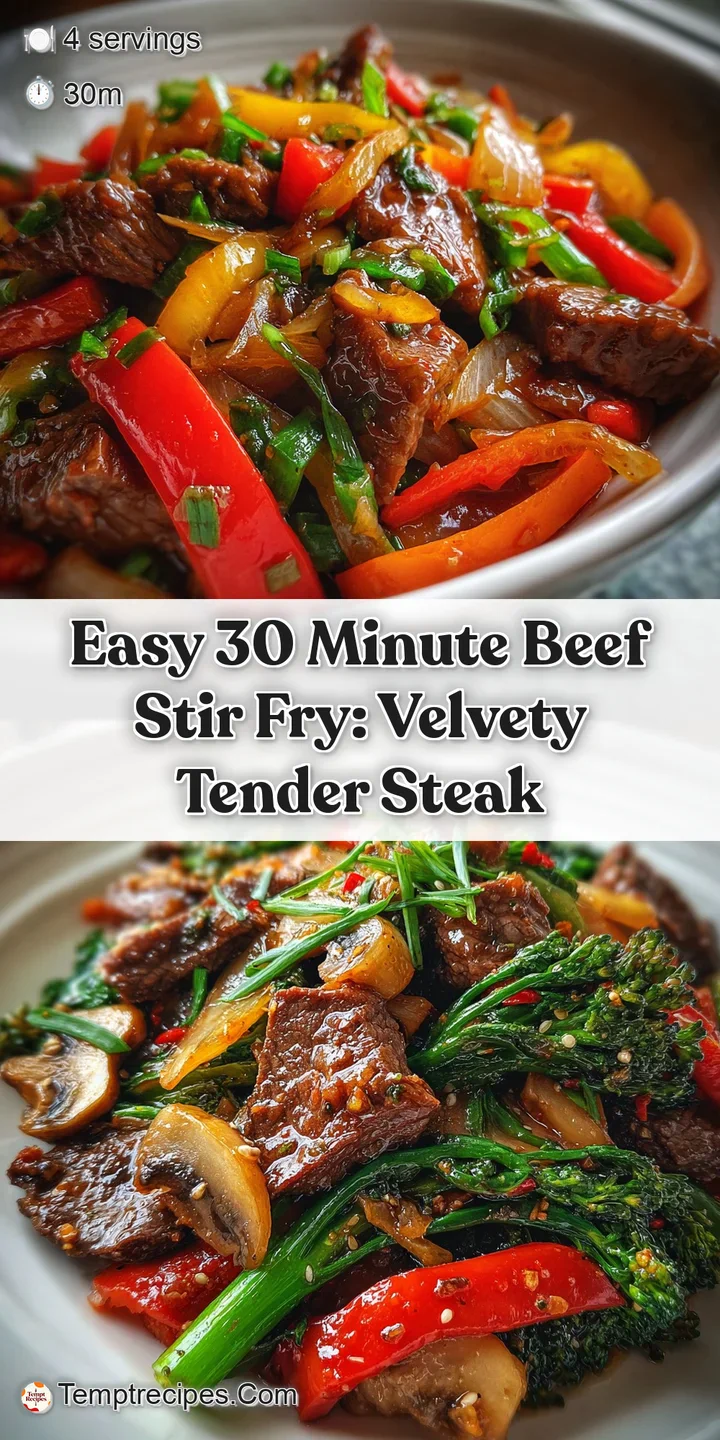
Easy 30 Minute Beef Stir Fry
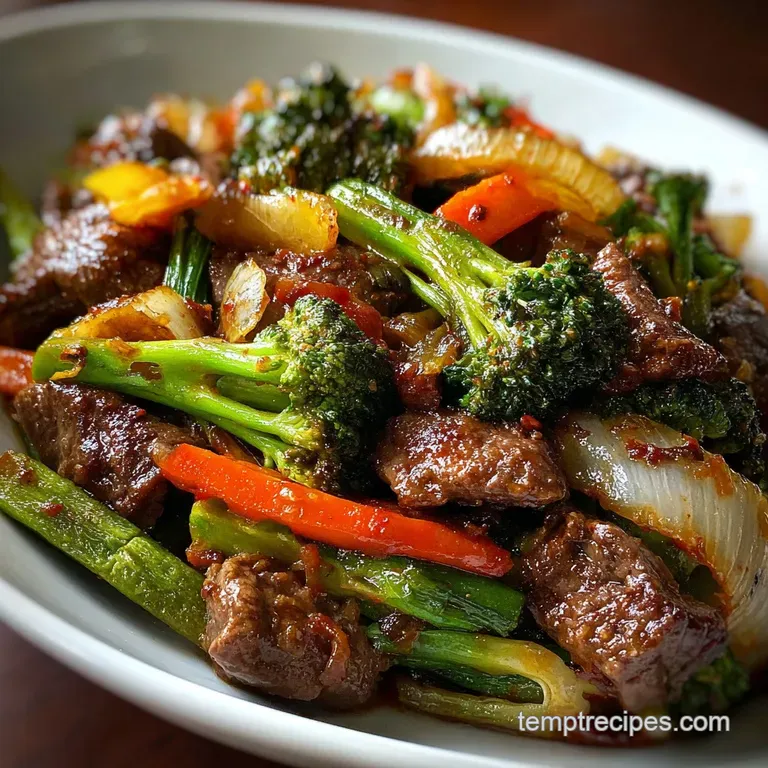
- Time: Active 15 minutes, Passive 15 minutes, Total 30 minutes
- Flavor/Texture Hook: Velvety, savory beef with a glossy, umami rich glaze
- Perfect for: Busy weeknight dinners or stress free meal prep
- The Chemistry of Tenderness and Heat
- Precision Checkpoints for a Satisfying Weeknight Dinner
- Selecting Quality Components for Maximum Umami Flavor
- Simple Tools Required for a Quick Stovetop Sizzle
- Mastering the Technique for Velvety Beef and Crisp Greens
- Solving Sogginess and Flavor Imbalance Problems
- Smart Budget Swaps for Different Dietary Needs
- Keeping Your Leftovers Hearty and Satisfying
- Completing Your Meal with Comforting Side Dishes
- Very High in Sodium
- Recipe FAQs
- 📝 Recipe Card
You know that specific "tink tink" sound of a metal spatula hitting a hot pan? That’s the sound of my favorite weeknight savior. There’s something so grounding about the sizzle of thinly sliced beef hitting a shimmering layer of oil, especially when you’re exhausted and the temptation to order takeout is hitting hard.
I remember the first time I tried making this without the baking soda trick; the beef was chewy, the sauce was watery, and I almost gave up on stir frying at home forever.
But then I learned about velveting, and everything changed. Now, when I toss the broccoli florets into the pan and watch them turn that vibrant, neon green, I know I’m only minutes away from a satisfying dinner. The aroma of ginger and garlic frying together is better than any candle you could buy.
It fills the kitchen with a warmth that says, "the workday is over, and something hearty is happening."
This isn’t about fancy techniques or expensive equipment. It’s about a few smart moves that make a big difference. We’ve all had those stir fries that end up more like a soggy stew than a crisp fry up, right? We're going to avoid that entirely.
By the time the lo mein noodles hit the sauce and start soaking up all that dark, glossy goodness, you’ll be so glad you didn't reach for the delivery app.
The Chemistry of Tenderness and Heat
Understanding why we do certain things in the kitchen takes the stress out of the process because you’re no longer just following a script. Here is why this method yields such satisfying results every single time.
- Alkaline Tenderization: Baking soda raises the pH level on the surface of the beef, which prevents the proteins from bonding too tightly when they hit the heat.
- Starch Gelatinization: Cornstarch in the sauce acts as a stabilizer, absorbing the liquid from the beef broth and soy sauce to create a velvety, clingy glaze rather than a thin soup.
- Maillard Reaction: The high heat of the pan creates a complex flavor profile by browning the sugars and proteins on the meat's surface before it has a chance to steam.
- Aromatic Infusion: Frying the ginger and garlic in oil for just thirty seconds allows their fat soluble flavor compounds to coat every other ingredient in the pan.
| Beef Thickness | Target Internal Temp | Rest Time | Visual Cue |
|---|---|---|---|
| 1/8 inch strips | 145°F (Medium) | 2 minutes | Deep brown edges with no visible red |
| 1/4 inch strips | 145°F (Medium) | 3 minutes | Firm to the touch but still springy |
| 1/2 inch cubes | 150°F (Medium Well) | 5 minutes | Fully opaque through the center |
Getting the meat right is the biggest hurdle for most home cooks. If you cut it too thick, it stays tough; too thin, and it disappears into the sauce. Aiming for that 1/8 inch sweet spot ensures the beef cooks in under three minutes while maintaining a tender bite. This technique is just as reliable as the one I use for my Hot Spinach Artichoke recipe when I need a crowd pleasing result without the guesswork.
Precision Checkpoints for a Satisfying Weeknight Dinner
To keep things stress free, I like to use specific numeric markers. It takes the "vague" out of cooking. If you can hit these three marks, your stir fry will be better than 90% of the restaurants in your neighborhood.
- The 15 Minute Marinate: Do not skip the 15 minute rest for the beef with the baking soda and soy sauce. This is the exact time needed for the chemical tenderization to occur without making the meat mushy.
- The 400°F Pan: Your oil should just start to shimmer and show tiny wisps of smoke before the beef goes in. If the pan isn't hot enough, the meat will release its juices and steam rather than sear.
- The 8 Ounce Balance: Stick to the 8 ounces of lo mein noodles. Adding more will dilute the flavor of the sauce, and you'll lose that glossy, velvety coating we're aiming for.
Selecting Quality Components for Maximum Umami Flavor
When you're working on a budget, you don't need the most expensive cut of meat. A flank steak or sirloin works beautifully because the velveting process does the heavy lifting for you.
| Ingredient | Science Role | Pro Secret |
|---|---|---|
| Baking Soda | Protein Relaxer | Rinse the meat slightly if you have a very sensitive palate, though 1 tsp is usually unnoticeable. |
| Cornstarch | Thickening Agent | Always whisk it into cold liquid first to prevent "clump monsters" in your sauce. |
| Brown Sugar | Caramalization | The molasses content helps the sauce stick to the noodles and balances the salty soy. |
| Rice Vinegar | Acid Balance | It cuts through the fat of the oil and beef, brightening the entire flavor profile. |
- 1 lb flank steak or sirloin: Sliced against the grain. Why this? Flank is lean and takes well to the tenderizing power of baking soda.
- Substitute: Chicken breast or pork tenderloin (same weight).
- 1 tsp baking soda: The "velveting" miracle. Why this? It's the only way to get that specific restaurant style texture.
- Substitute: None (this is the structural key for beef).
- 1/4 cup low sodium beef broth: The sauce base. Why this? Using low sodium lets you control the saltiness from the soy sauce.
- Substitute: Vegetable broth or even water in a pinch.
- 1/4 cup soy sauce: For salt and color. Why this? It provides the deep, umami base that defines the dish.
- Substitute: Tamari (for gluten-free) or Coconut Aminos.
- 2 tbsp brown sugar: Sweetness. Why this? It creates a sticky glaze that clings to the noodles.
- Substitute: Honey or maple syrup.
- 1 tbsp rice vinegar: The acidic pop. Why this? It prevents the sauce from feeling "heavy" or one note.
- Substitute: Apple cider vinegar.
- 2 cups broccoli florets: Freshness. Why this? The "trees" catch the sauce in their bushy tops perfectly.
- Substitute: Snap peas or green beans.
- 8 oz pre cooked lo mein noodles: The bulk. Why this? Pre cooked noodles save about 10 minutes of active prep time.
- Substitute: Cooked spaghetti or rice sticks.
Simple Tools Required for a Quick Stovetop Sizzle
You don't need a professional kitchen to make a great stir fry. Honestly, a large, heavy bottomed skillet often works better on a standard home stove than a traditional round bottomed wok because it has more surface area in contact with the heat source.
- A Large Skillet or Wok: 12 inches is the minimum. If the pan is too small, your ingredients will crowd and steam instead of frying.
- A Sharp Knife: Vital for getting those 1/8 inch beef strips. If your knife is dull, freeze the meat for 20 minutes first to make it easier to slice thinly.
- Small Whisk or Fork: You’ll need this to ensure the cornstarch is fully integrated into the sauce.
- Tongs or a Fish Turner: These allow you to flip the beef strips individually and quickly so they don't overcook.
Chef's Tip: If you’re using a stainless steel skillet, use the "water bead test." Drop a bead of water into the pan; if it dances around like a marble, the pan is hot enough. If it just sits there and sizzles, wait another minute.
Mastering the Technique for Velvety Beef and Crisp Greens
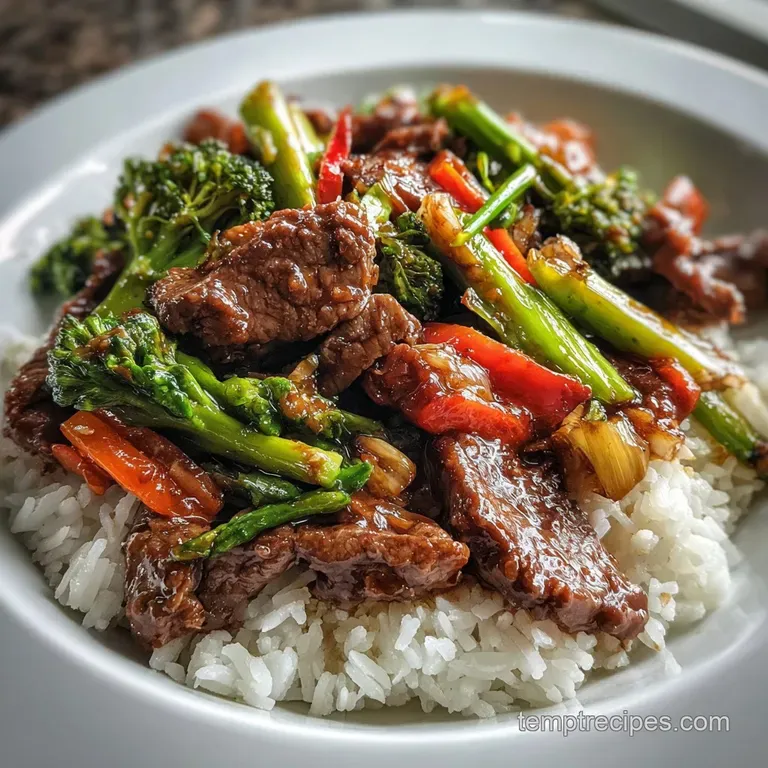
This moves fast once the heat is on. I highly recommend having all your vegetables chopped and your sauce whisked before you even think about turning on the stove. This is what we call "mise en place," but I just call it "not panicking while the smoke alarm goes off."
- Velveting the Protein. Toss the sliced beef with 1 tsp baking soda, 1 tbsp soy sauce, 1 tsp toasted sesame oil, and 1 tbsp cornstarch. Note: This creates a protective coating that keeps the juices inside the meat.
- Whisking the Umami Glaze. In a small bowl, combine the 1/4 cup beef broth, remaining 1/4 cup soy sauce, 2 tbsp brown sugar, 1 tbsp rice vinegar, 1 tbsp cornstarch, ginger, and minced garlic.
- Searing for Maximum Color. Heat 1 tbsp of neutral oil in your pan until it shimmers and slightly smokes. Add the beef in a single layer and cook for 2 minutes without moving it much, then flip for another minute. Remove beef from the pan.
- Flash Frying the Aromatics and Greens. Add the remaining 1 tbsp of oil. Toss in the broccoli, red pepper, and carrot. Note: Add a splash of water if the broccoli looks too dry; the steam will help it cook through.
- Softening the Aromatics. Add the white parts of the green onions to the veggies and stir fry for 1 minute until the onions are fragrant and translucent.
- Integrating the Base. Add the 8 oz of pre cooked lo mein noodles to the pan with the vegetables, tossing them for 1-2 minutes to warm through.
- Emulsifying the Final Dish. Give your sauce bowl one last whisk (the cornstarch likes to settle at the bottom) and pour it over the noodles and vegetables.
- Combining the Elements. Add the cooked beef back into the pan. Stir everything constantly for about 1-2 minutes until the sauce thickens and turns glossy and dark.
- Finishing Touches. Remove from heat and garnish with the green parts of the onions.
Solving Sogginess and Flavor Imbalance Problems
The most common frustration with home stir frying is the "pool of liquid" at the bottom of the pan. This usually happens because the pan temperature dropped too low when the ingredients were added.
Why Your Stir Fry Is Watery
If you see a lot of liquid in the pan, it’s usually because you crowded the meat or the vegetables. When too much cold food hits the pan at once, the temperature drops, and the food releases its internal moisture instead of searing.
| Problem | Root Cause | Solution |
|---|---|---|
| Tough, Chewy Beef | Sliced with the grain | Always slice perpendicular to the muscle fibers (the grain) to shorten the fibers. |
| Mushy Broccoli | Cooked too long or with too much water | Flash fry for 3 mins max; the broccoli should still have a "snap" when bitten. |
| Clumpy Sauce | Sauce added to a cold pan | Ensure the pan is hot before adding sauce so the cornstarch hydrates instantly. |
Similar to how you have to be precise with the batter in my Fluffy Pancakes From recipe, the heat control here is everything. If the sauce is too thin, let it bubble for 30 more seconds. If it’s too thick, add a tablespoon of water or broth to loosen it up.
Common Mistakes Checklist
- ✓ Don't skip the baking soda; it's the difference between "steak" and "stir fry beef."
- ✓ Pat the beef dry before adding the marinade to help the cornstarch stick.
- ✓ Work in batches with the beef if your skillet isn't huge.
- ✓ Prep everything first; you won't have time to chop a carrot once the meat is sizzling.
- ✓ Use a neutral oil with a high smoke point (Canola, Grapeseed, or Avocado oil).
Smart Budget Swaps for Different Dietary Needs
You don't have to follow this to the letter to get a satisfying result. Stir fries are the ultimate "clean out the fridge" meal. If you have half a bag of frozen peas or some mushrooms nearing their end, toss them in!
- For a Low Carb Version: Swap the lo mein noodles for zucchini noodles or cauliflower rice. If using "zoodles," add them at the very end as they only need 30 seconds of heat.
- Budget Friendly Veggie Swap: Use a frozen "stir fry mix" instead of fresh broccoli, peppers, and carrots. It saves about 5 minutes of chopping and is often cheaper.
- gluten-free Adjustment: Use Tamari instead of soy sauce and ensure your beef broth is certified GF.
| Fresh Ingredient | Shortcut Alternative | Flavor Impact |
|---|---|---|
| Fresh Garlic/Ginger | Jarred Paste | Slightly less pungent but saves 5 mins of prep. |
| Sliced Flank Steak | Pre sliced "Stir Fry Beef" | Convenient but usually more expensive and less tender. |
| Fresh Broccoli | Frozen Florets | Softer texture; thaw and pat dry before using. |
If you want a Spicier Kick, add a teaspoon of red chili flakes or a dollop of Sambal Oelek to the sauce. If you want a Nutty Crunch, toss in a handful of toasted cashews or peanuts right before serving.
If you want a Sweeter Glaze, increase the brown sugar by an extra tablespoon or add a splash of orange juice to the sauce base.
Keeping Your Leftovers Hearty and Satisfying
This recipe makes about 4 servings, and honestly, the flavors often settle and improve the next day. The noodles continue to soak up that savory sauce, making for a very happy desk lunch.
Storage: Keep leftovers in an airtight container in the fridge for up to 3 days. I don't recommend freezing this dish once the noodles are added, as they can become mushy upon thawing. However, you can freeze the marinated (uncooked) beef for up to 2 months.
Reheating: Avoid the microwave if you can. Instead, toss the leftovers back into a hot skillet with a tiny splash of water. This helps "revive" the sauce and keeps the beef from getting that rubbery, microwaved texture.
If you must use the microwave, cover it with a damp paper towel to keep the steam in.
Zero Waste Tip: Don't throw away those broccoli stems! Peel the woody outer layer, slice the tender inside into matchsticks, and throw them in with the carrots. They have a lovely, mild sweetness and add a great crunch.
Completing Your Meal with Comforting Side Dishes
While this is a full meal on its own, sometimes you want a little something extra to round out the table. If you're feeling ambitious, a side of smashed cucumber salad with plenty of vinegar and sesame oil provides a cold, crisp contrast to the hot, savory noodles.
If you have people over, I love serving this alongside something easy to pick at, like my Sausage Stuffed Mushrooms recipe. It sounds like an odd pairing, but the savory umami of the mushrooms complements the beef surprisingly well.
Debunking Stir Fry Misconceptions
One big myth is that you need a "seasoned" carbon steel wok to get good flavor. While a wok is great, the "wok hei" (breath of the wok) flavor actually comes from the combustion of oil droplets in high heat, which you can achieve in a heavy cast iron or stainless steel skillet just as easily.
Another myth is that you should cook everything at once. No! If you throw the meat and veggies in together, the veggies will release water, the temperature will drop, and you’ll end up with gray, boiled meat. Always sear the protein first, remove it, and then do the veggies.
Trust the process, and you'll have a satisfying, stress free dinner on the table in exactly 30 minutes.
Very High in Sodium
1480 mg mg of sodium per serving (64% of daily value)
The American Heart Association recommends limiting sodium intake to about 2,300mg per day for overall cardiovascular health.
Sodium Reduction Tips for Your Lo Mein Recipe
-
Low-Sodium Broth-30%
Swap regular beef broth with low-sodium or no-sodium added beef broth. This simple change can significantly reduce the sodium content without sacrificing flavor.
-
Reduce Soy Sauce-20%
Replace half the soy sauce in the marinade and sauce with low-sodium soy sauce or tamari. You can also try adding a splash of unsalted rice wine vinegar for a similar flavor profile.
-
Omit Soy Sauce-15%
Eliminate one instance of soy sauce usage within the recipe. Prioritize eliminating the 1/4 cup within the sauce for a larger sodium reduction. Add a splash of Worcestershire or Fish Sauce for umami.
-
Fresh Vegetables-10%
Use fresh or frozen (no-salt added) vegetables instead of canned. Canned vegetables often contain added sodium as a preservative. The fresh alternative also provides better flavor.
-
Noodle Choice-10%
Opt for fresh or low-sodium lo mein noodles, if available. Pre-cooked noodles can be high in sodium so check the label and choose the lowest sodium option.
-
Flavor Boosters
Enhance the flavor with fresh herbs, spices, and aromatics. Experiment with garlic powder, onion powder, black pepper, red pepper flakes, and other sodium free seasonings to add depth and complexity to the dish.
Recipe FAQs
How to make the beef tender for stir fry?
Use the velveting technique involving baking soda. Marinate very thinly sliced beef with 1 teaspoon of baking soda, soy sauce, and cornstarch for exactly 15 minutes before cooking.
How do Chinese make their beef so tender?
They use alkaline tenderization, commonly known as velveting. This process raises the pH level of the meat surface, which prevents the proteins from tightening up excessively when they hit high heat.
What are some good 30-minute meals?
This 30-minute beef stir fry is an excellent choice. It relies on pre-slicing and high heat searing to achieve complex flavor and texture quickly.
How to make a quick and easy stir fry?
Prepare all ingredients (mise en place) before turning on the heat. Sear the marinated beef first, remove it, then cook the vegetables, and finally combine everything with the pre-whisked sauce.
Is it true that crowding the pan makes the beef tough?
Yes, crowding the pan is the main cause of tough, watery stir fry. Too much ingredient mass drops the pan temperature, causing the meat to steam and release juices rather than sear properly.
How thin should I slice the beef for a 30-minute cook time?
Aim for 1/8 inch thick strips against the grain. This thinness ensures the beef cooks through to 145°F in under three minutes, maximizing tenderness.
What is the best oil to use for high heat stir frying?
Use a neutral oil with a high smoke point, like canola or grapeseed oil. The pan must be shimmering and just starting to smoke before adding the meat to achieve a proper sear.
30 Minute Beef Stir Fry
Ingredients:
Instructions:
Nutrition Facts:
| Calories | 458 kcal |
|---|---|
| Protein | 29.4 g |
| Fat | 21.2 g |
| Carbs | 38.5 g |
| Fiber | 3.8 g |
| Sugar | 9.2 g |
| Sodium | 1480 mg |
