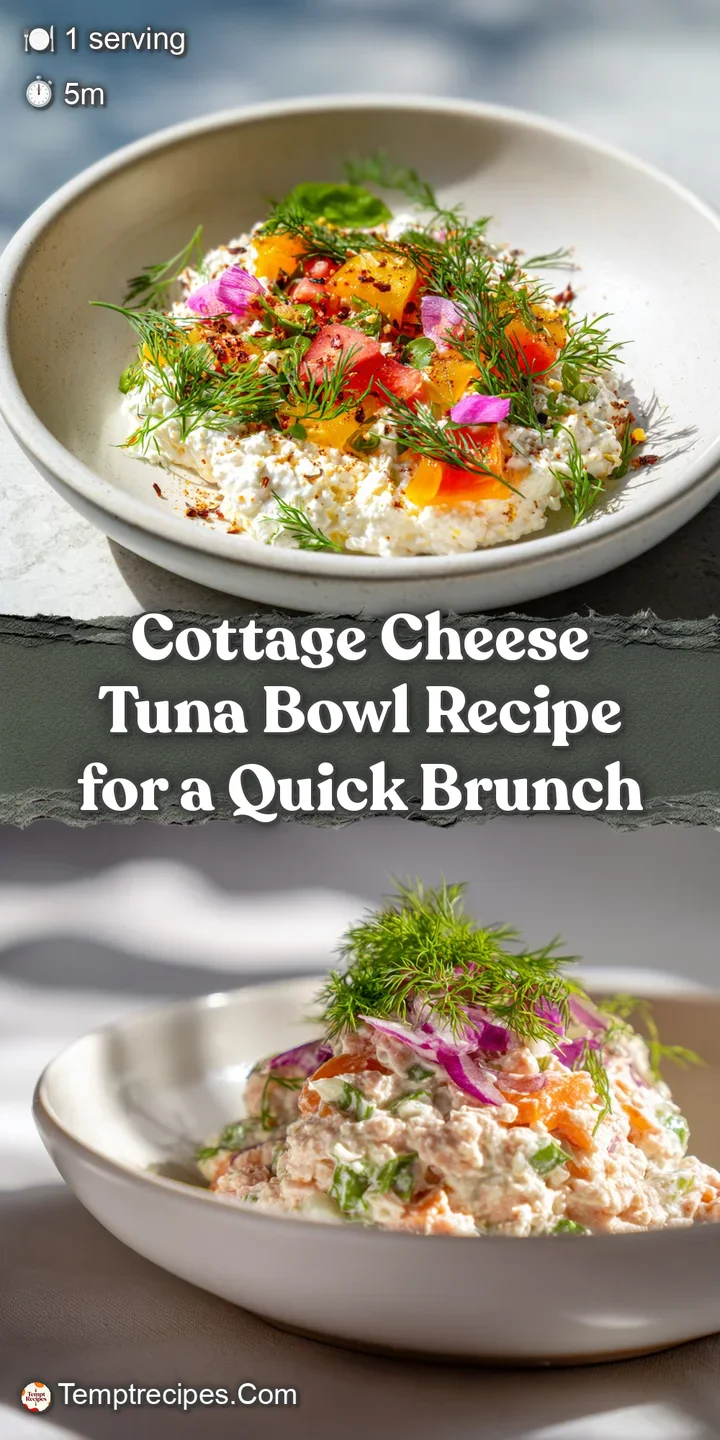
Cottage Cheese Tuna Bowl: Velvety and Crisp
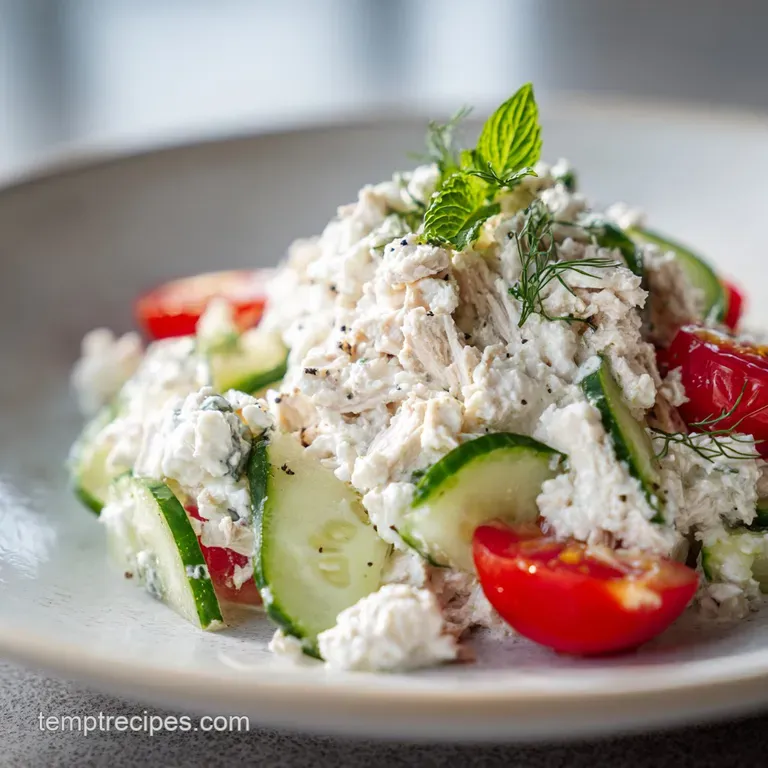
- Time: Active 5 mins, Passive 0 mins, Total 5 mins
- Flavor/Texture Hook: Zesty, velvety, and remarkably crisp
- Perfect for: Post workout brunch or busy weekday meal prep
- The Ultimate High Protein Cottage Cheese Tuna Bowl
- Why This Protein Bowl Works
- Essential Recipe Specifications and Metrics
- Primary Ingredients for Your Bowl
- Necessary Equipment and Kitchen Tools
- Instructions for the Perfect Bowl
- Fixing Common Texture and Flavor Issues
- Scaling the Recipe for Groups
- Debunking Common Tuna and Cheese Myths
- Storage and Zero Waste Tips
- Beautiful Pairing Ideas for Brunch
- High in Sodium
- Recipe FAQs
- 📝 Recipe Card
The Ultimate High Protein Cottage Cheese Tuna Bowl
I used to stare at a can of tuna like it was a chore, something to be endured for the sake of nutrition rather than enjoyed. It was always the same routine: drain the can, mash it with way too much mayo to hide the dryness, and eat it over a sink because it felt too sad for a plate.
But everything changed one Tuesday morning when I was craving a beautiful brunch but had zero energy to actually cook.
While shuffling around the kitchen in my favorite fuzzy pajamas, I realized I was out of mayo but had a fresh tub of cottage cheese staring at me. I took a chance and folded the tuna into those creamy curds, added some lemon for zing, and threw in some diced celery for that essential "crunch factor." The first bite was a revelation.
It wasn't just a sad desk lunch anymore; it was a velvety, zesty, and visually beautiful bowl that felt like a real treat.
Now, this has become one of my absolute pantry staples. It is the perfect solution for those days when you want something that looks like it belongs on a cafe menu but requires almost zero effort.
We are going to focus on achieving a beautiful color balance today, using fresh green herbs, bright purple onions, and that stunning golden egg yolk to make this feel special. Honestly, you might never go back to the mayo version again.
Why This Protein Bowl Works
Molecular Binding: The lactic acid in the lemon juice interacts with the proteins in the cottage cheese, creating a thicker, more stable emulsion that clings to the tuna flakes. This prevents the "weeping" effect often seen in cold salads, keeping every bite creamy rather than watery.
Textural Counterpoint: By combining the soft, velvety curds with the sharp, fibrous snap of minced celery and onion, we trigger a sensory response known as "dynamic contrast." This makes the meal feel more satiating and interesting to the palate, preventing the flavor fatigue that usually comes with
high protein meals.
Maximizing Your Satiety Index
When we look at the protein density of this dish, it is off the charts. The combination of whey and casein from the cottage cheese along with the lean amino acid profile of the tuna creates a slow release energy source. This means you won't be reaching for a snack thirty minutes after finishing your brunch.
Leveraging Natural Emulsification
Traditional tuna salad relies on eggs and oil in mayo to bind things together. Here, we use the natural moisture of the low-fat cottage cheese. When you add the Dijon mustard, it acts as a secondary emulsifier, helping the lemon juice and the cheese oils meld into a silky dressing that coats every single ingredient evenly.
Engineering Textural Contrast
The secret to a bowl that doesn't feel like "mush" is the ratio of soft to crisp. By using exactly one stalk of finely minced celery and a tablespoon of red onion, we create a rhythmic crunch that offsets the flaky tuna. It’s the same logic I use in my High Protein Ranch Salad recipe to keep things exciting.
| Serving Size | Ingredient Adjustments | Bowl Size | Prep Time |
|---|---|---|---|
| 1 Person | 1 can tuna, 0.5 cup cheese | Medium cereal bowl | 5 minutes |
| 2 People | 2 cans tuna, 1 cup cheese | Large mixing bowl | 8 minutes |
| 4 People | 4 cans tuna, 2 cups cheese | Extra large serving bowl | 12 minutes |
Ensuring you have the right bowl size is actually a hidden trick for better mixing. If the bowl is too small, you'll end up crushing the tuna into a paste instead of leaving those nice, flaky chunks that provide a better mouthfeel.
Essential Recipe Specifications and Metrics
To get this dish right every single time, we need to focus on precision with the moisture levels. Canned tuna is notorious for holding onto liquid, and cottage cheese can vary in its "soupy" consistency depending on the brand. We are aiming for a tight, cohesive mixture that holds its shape on a fork.
| Component | Science Role | Pro Secret |
|---|---|---|
| Canned Tuna | Lean Protein Base | Drain in a sieve and press firmly with a spoon to remove all "fish water." |
| Cottage Cheese | Fat Free Binder | Use a small curd variety for a more uniform, velvety texture that mimics mayo. |
| Lemon Juice | Acidic Brightener | Always use fresh juice; the citric acid cuts through the richness of the cheese. |
The interaction between the salt in the tuna and the moisture in the cheese is why we add the salt at the very end. If you salt it too early, it can draw out even more moisture from the vegetables, leading to a soggy bowl. This is a technique I also emphasize when making my Creamy Ricotta Chicken recipe to maintain that perfect sauce consistency.
Primary Ingredients for Your Bowl
- 5 oz canned tuna in water: Make sure it's drained well to prevent a watery base. Why this? Provides the dense, flaky protein structure required for a satisfying meal.
- 0.5 cup low-fat cottage cheese: A fantastic high protein substitute for mayonnaise. Why this? Adds a creamy, tangy moisture without the heavy fats of oil based dressings.
- 1 large hard boiled egg: Diced into small cubes for added richness. Why this? The yolk adds a luxurious, fatty mouthfeel that rounds out the lean tuna.
- 1 stalk celery: Finely minced for the essential "snap" in every bite.
- 1 tbsp red onion: Diced small to provide a sharp, pungent kick.
- 1 tbsp fresh dill: Chopped finely to add a grassy, bright aroma.
- 1 tsp Dijon mustard: Provides a spicy depth and acts as a binder.
- 1 tbsp lemon juice: Freshly squeezed to provide the necessary acid.
- 0.25 tsp cracked black pepper: Essential for a little bite of heat.
- 0.125 tsp garlic powder: Adds an underlying savory note without the harshness of raw garlic.
- 1 pinch flaky sea salt: To be added just before serving.
For the Protein Base
The tuna and the cottage cheese are your heavy hitters here. If you find the texture of cottage cheese curds off putting, you can give them a quick pulse in a small food processor before mixing. This creates a silky, whipped consistency that is incredibly beautiful and mimics a gourmet spread.
For the Flavor & Crunch
The celery and red onion are non negotiable for texture. If you want a milder flavor, you can soak the diced red onion in cold water for five minutes before adding it to the bowl. This removes some of the "sulfuric" bite while keeping the beautiful purple color intact.
For the Seasoning
Don't skip the fresh dill! It is the primary color accent here. We want that vibrant green to pop against the white cottage cheese. The cracked black pepper should be coarse; those little pops of spice are much better than the dust like pre ground pepper.
Necessary Equipment and Kitchen Tools
You don't need much to pull this together, which is the beauty of a five minute brunch. However, using the right tools makes the process much more efficient and the result much more professional.
- Fine mesh sieve: This is crucial for draining the tuna. A standard can lid squeeze never gets enough water out.
- Small mixing bowl: Glass or stainless steel is best to avoid any lingering fish scents.
- Sharp chef's knife: For those tiny, uniform dices of celery and onion.
- Microplane or citrus juicer: To get every bit of that fresh lemon juice.
Chef's Tip: Freeze your lemon for 10 minutes before juicing. It breaks down the internal membranes and allows you to extract significantly more juice with less effort.
Instructions for the Perfect Bowl
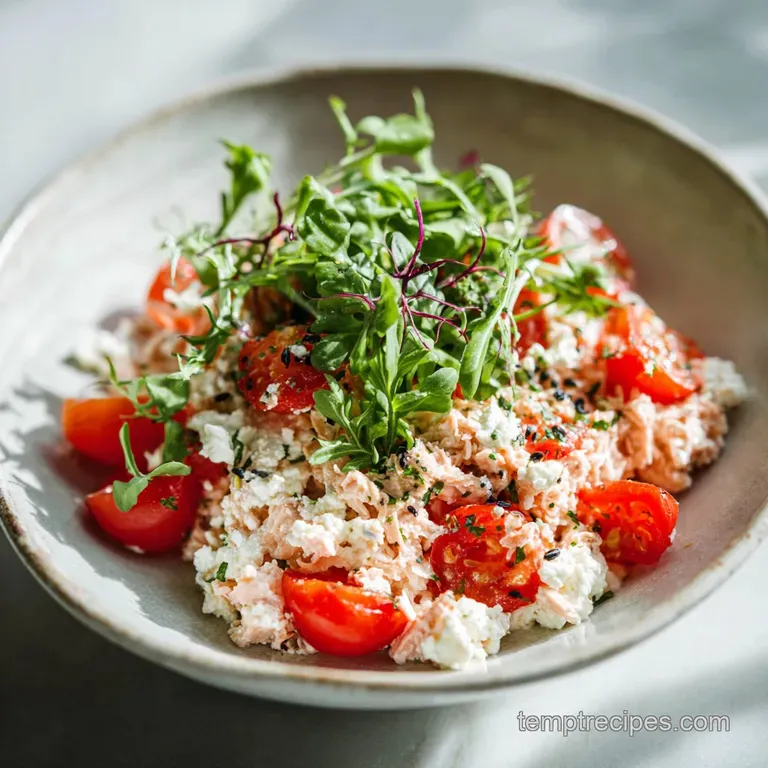
- Drain the tuna. Place the 5 oz of tuna in a fine mesh sieve and press it firmly with the back of a spoon until no more liquid drips through. Note: This prevents the cottage cheese from turning into a soup.
- Prep the vegetables. Mince the celery stalk and dice the red onion into tiny, uniform pieces until they look like confetti.
- Combine the bases. In a medium bowl, fold together the drained tuna and 0.5 cup of cottage cheese.
- Add the aromatics. Stir in the diced celery, red onion, and 1 tbsp of fresh dill until the colors are evenly distributed.
- Incorporate the binders. Mix in the 1 tsp of Dijon mustard and 1 tbsp of freshly squeezed lemon juice.
- Season the mixture. Sprinkle in the 0.25 tsp black pepper and 0.125 tsp garlic powder, stirring gently.
- Add the egg. Gently fold in the diced hard boiled egg until the pieces are coated but not smashed.
- Finalize with salt. Add the pinch of flaky sea salt just before serving until the flavors pop.
- Garnish for color. Add an extra sprinkle of dill and a few cracks of pepper until the bowl looks beautiful and vibrant.
Fixing Common Texture and Flavor Issues
Even a simple five minute recipe can go sideways if the ingredients aren't handled with care. The most common complaint is a "watery" bowl, which usually comes down to the tuna or the vegetables releasing moisture.
Correcting a Watery Base
If you find a pool of liquid at the bottom of your bowl, it usually means the tuna wasn't pressed dry enough or the cottage cheese had too much whey. You can fix this by stirring in a teaspoon of ground flaxseeds or chia seeds; they will absorb the excess moisture within a few minutes without changing the flavor profile.
Neutralizing Excessive Brine
Sometimes canned tuna can be overly salty. If the bowl tastes like the ocean, add a tiny bit more lemon juice or a dollop of plain Greek yogurt. The extra acid and fat will help neutralize the saltiness and balance the palate.
| Problem | Root Cause | Solution |
|---|---|---|
| Bowl is too runny | Tuna was poorly drained | Press tuna in a sieve; add a spoonful of Greek yogurt to thicken. |
| Flavor is flat | Lack of acidity | Add another splash of fresh lemon juice or a dash of vinegar. |
| Texture is mushy | Vegetables cut too large | Finely mince the celery and onion to ensure a crunch in every bite. |
Common Mistakes Checklist
- ✓ Always press the tuna dry; never just pour the water out of the can.
- ✓ Use fresh dill rather than dried; the dried version lacks the vibrant green color and fresh aroma.
- ✓ Don't over mix once the egg is added, or the yolk will dissolve and turn the whole bowl yellow.
- ✓ Use a "low-fat" cottage cheese rather than "fat free" for a better, creamier mouthfeel.
- ✓ Keep all ingredients chilled until the moment of assembly for the best refreshing taste.
Scaling the Recipe for Groups
If you are making this for a post workout brunch with friends, scaling is very straightforward. Because this isn't a cooked dish, you don't have to worry about pan sizes or heat distribution, but you do need to be careful with the seasonings.
- Scaling Up (2x or 4x): When doubling or quadrupling, only increase the salt and garlic powder to 1.5x the original amount. You can always add more later, but spices can become overwhelming in large batches.
- Scaling Down: This recipe is already designed for a single serving. If you want a smaller snack, simply halve everything and store the other half of the tuna in an airtight container immediately.
- Batch Prep: You can chop the vegetables and boil the eggs up to three days in advance. Just don't mix the tuna and cottage cheese until you are ready to eat to keep the texture fresh and "snappy."
| Method | Time | Texture | Best For |
|---|---|---|---|
| Cold Bowl | 5 mins | Velvety and crisp | Quick brunch or post workout |
| Toasted (Oven) | 12 mins | Gooey and melted | A cozy, warm weekend meal |
| Stovetop Melt | 8 mins | Crispy edges | Quick warm sandwich filling |
If you decide to go the warm route, place the mixture on a slice of sourdough and bake at 200°C for about 10 minutes until the cheese just starts to bubble.
Debunking Common Tuna and Cheese Myths
One common myth is that you can't "cook" cottage cheese. While we eat this bowl cold, cottage cheese actually melts beautifully! It doesn't stretch like mozzarella, but it becomes a creamy, ricotta like sauce when heated. Don't be afraid to experiment with the temperature.
Another misconception is that tuna in oil is always "better." While it has more flavor, for this specific recipe, tuna in water is superior. The water packed version allows the cottage cheese and lemon to truly penetrate the fish flakes, whereas oil packed tuna creates a barrier that makes the dressing slide right off.
Finally, people often think you need to add mayo for "richness." The hard boiled egg yolk in this recipe does all the heavy lifting. Once you mash that golden yolk into the mixture, it provides all the fatty, luxurious mouthfeel you could ever want, with significantly more nutrients.
Storage and Zero Waste Tips
This bowl is best eaten fresh, but you can store it in the fridge for up to 2 days. The celery will lose some of its "shatter" and the mixture may release a little water, so just give it a quick stir before eating.
I do not recommend freezing this dish; the cottage cheese will separate and become grainy, and the vegetables will turn to mush.
To avoid waste, use the leftover red onion and celery in a mirepoix for a soup later in the week. If you have leftover dill, wrap it in a damp paper towel and put it in a zip top bag; it will stay fresh for at least a week. You can also toss any extra dill into a quick herb butter!
If you find yourself with half a tub of cottage cheese left over, it makes a great base for pancakes or can be stirred into oatmeal for an extra protein boost. For the tuna can, make sure to rinse it thoroughly before recycling to keep your bin from smelling like a fishing boat.
Beautiful Pairing Ideas for Brunch
To make this a full, aesthetically pleasing brunch, I love serving this bowl alongside some crisp elements. Think of this as the "centerpiece" of your plate.
- Sourdough Toasts: The tang of the bread perfectly matches the lemon in the bowl.
- Cucumber Rounds: For a ultra low-carb option, use thick slices of cucumber as "chips" to scoop up the tuna.
- Sliced Avocado: The creamy green slices look stunning next to the purple onions and provide healthy fats.
For the final touch, remember our three color accents: the vibrant green of the dill, the deep purple of the red onion, and the sunny yellow of the egg yolk. Add them right at the end to ensure they don't get buried in the mix.
This balance of colors is what takes a simple protein bowl and makes it a beautiful, cafe quality brunch experience. Trust me, once you see how good this looks (and tastes!), you'll be making it every single week. Let's get cracking!
High in Sodium
980 mg mg of sodium per serving (43% % of daily value)
The American Heart Association recommends limiting sodium intake to about 2,300mg per day.
Sodium Reduction Tips for Tuna Salad
-
Choose No-Salt Added Tuna-20%
Opt for canned tuna labeled 'no salt added' or 'low sodium'. This simple swap can significantly reduce the sodium content. Rinse the tuna thoroughly before using.
-
Low-Sodium Cottage Cheese-15%
Select a low-sodium or reduced sodium cottage cheese variety. Compare nutrition labels and choose the option with the lowest sodium content. Even better, consider replacing half of the cottage cheese with plain Greek yogurt for a tangy and protein rich, low-sodium alternative.
-
Omit Added Salt-10%
Eliminate the flaky sea salt entirely. The other ingredients provide enough flavor. Taste the tuna salad before adding any additional salt.
-
Enhance with Lemon & Dill-5%
Increase the amount of fresh dill and lemon juice to boost flavor naturally. The acidity of the lemon juice brightens the dish, reducing the need for salt. A little extra black pepper can also help!
-
Spice It Up!
Experiment with sodium free spice blends and fresh herbs to enhance the flavor profile of your dish. Try smoked paprika, onion powder, or dried oregano.
Recipe FAQs
Can I substitute the cottage cheese with Greek yogurt?
Yes, but expect a thinner texture. Greek yogurt is less dense than cottage cheese and will result in a looser consistency, so you might need to add a thickening agent like Dijon mustard or a teaspoon of flaxseed.
How do I prevent the bowl from becoming watery after mixing?
Thoroughly drain the canned tuna first. Squeeze the tuna in a fine mesh sieve until absolutely no liquid releases; this is the primary source of excess water in the final product.
How long can I safely store the prepared tuna mixture?
Store for up to 2 days in an airtight container in the refrigerator. The mixture is best eaten fresh, as the celery will soften and the cottage cheese may release a small amount of liquid over time.
Is it necessary to use fresh lemon juice instead of bottled?
No, bottled juice can be used in a pinch, but fresh is highly recommended. Fresh lemon juice provides the necessary bright acid and volatile oils that cut through the richness of the cheese, which bottled juice lacks.
How to achieve a creamier texture if I dislike the cottage cheese curds?
Pulse the cottage cheese briefly in a food processor before mixing. This technique breaks down the curds into a smooth, velvety base that mimics a rich dressing, similar to the stability achieved when making sauces in our Creamy Garlic Parmesan recipe.
What is the best way to add an extra layer of savory flavor?
Incorporate a mashed hard boiled egg yolk. The richness from the yolk acts as an emulsifier and adds a luxurious mouthfeel that complements the tanginess of the cottage cheese.
Can I substitute the tuna with chicken for a different meal prep option?
Yes, shredded cooked chicken works very well as a substitute. When switching proteins, ensure your chicken is not overly dry; the logic of using cottage cheese as a binder remains the same, just like when mastering sauce consistency in a baked dish such as the Chicken and Waffle recipe.
Cottage Cheese Tuna Bowl
Ingredients:
Instructions:
Nutrition Facts:
| Calories | 303 kcal |
|---|---|
| Protein | 45 g |
| Fat | 8.6 g |
| Carbs | 8.1 g |
| Fiber | 1.2 g |
| Sugar | 4.8 g |
| Sodium | 980 mg |
